How Software Became the Invisible Layer of Daily Life
Software is not just the apps on your phone screen. It runs your car's navigation system, your thermostat, your bank's mobile interface, and the checkout terminal at the grocery store. For most Americans, software is now the medium through which they experience much of daily life - often without recognizing it as such.
Understanding what software does behind the scenes matters because that invisible activity frequently involves collecting, transmitting, and storing information about you. This isn't inherently sinister - much of it enables the convenience you rely on - but it carries real privacy implications worth understanding. See our guide to what's inside your smartphone to understand how hardware and software work together in the device you carry everywhere.
80+
Average apps installed on a US smartphone
Industry research from app analytics firms has consistently found American smartphone users maintain between 80 and 100 installed apps, with roughly a third used monthly.
~3 hrs
Daily smartphone screen time for US adults
Data from multiple mobile analytics providers places average daily smartphone use for US adults at approximately three hours, spread across dozens of app sessions.
72%
Americans concerned about data privacy
A Pew Research Center survey found nearly three-quarters of Americans feel their personal data is less secure today than it was five years ago.
Morning: Alarms, Maps, and the Data You Generate Before Noon
Your day likely begins with a software interaction: an alarm app waking you up. That app may log what time you woke, whether you snoozed, and how your sleep compared to previous nights if you've enabled tracking. Weather apps pull your precise location to surface a local forecast. Mapping software, when you open it for your commute, logs your origin, destination, route, and travel time.
Fitness and health apps - if you use a wearable or track activity - begin recording steps, heart rate, and movement patterns from the moment you get up. This data is often stored in the cloud, meaning it lives on remote servers operated by the app developer, not just on your device.
By 9 a.m., you may have generated location data, health metrics, behavioral patterns, and device usage logs - all without doing anything that felt unusual. Most of this collection is disclosed in privacy policies, though those documents are rarely read in full.
Midday: Communication, Banking, and What Apps Know About You
Messaging apps transmit your conversations across encrypted networks - but metadata (who you contacted, when, and how often) is often retained by the service provider. Email clients scan message content in some cases to enable features like smart replies or calendar suggestions. This processing may happen on your device or on remote servers depending on the platform.
Banking apps are among the most data-sensitive tools many people use daily. They can access account balances, transaction histories, and spending patterns. When you use a banking app on a mobile device, you're also implicitly trusting the security of that device's operating system. Keeping your software updated is one of the most direct ways to protect that trust, since updates frequently close security vulnerabilities.
Productivity tools - note-taking apps, calendars, document editors - store the content you create and, in cloud-synced versions, that content is accessible from company servers. For our look at how productivity apps actually function, many features that seem local are actually synced remotely by default.
When setting up any new app, go directly to its settings before using it for the first time. Defaults are almost always configured in the developer's favor, not yours.
App defaults often enable data sharing, cloud sync, and marketing communications out of the box. Adjusting settings before you start using an app prevents data from accumulating before you've made a deliberate choice.
Treat your email account as your most sensitive credential - it's the recovery key for nearly every other account you own. Use a unique, strong password and enable two-factor authentication.
Because most account-recovery flows route through email, a compromised email account effectively exposes every linked service, including banking and health apps.
Evening: Streaming, Shopping, and Ambient Listening
Streaming platforms build detailed profiles of your preferences: what you watch, how long, what you abandon, and what you rewatch. These behavioral signals inform recommendation algorithms and, in aggregate, influence the content platforms commission. Shopping apps track browsing history, items added to carts, and purchases - and often share that data with advertising networks.
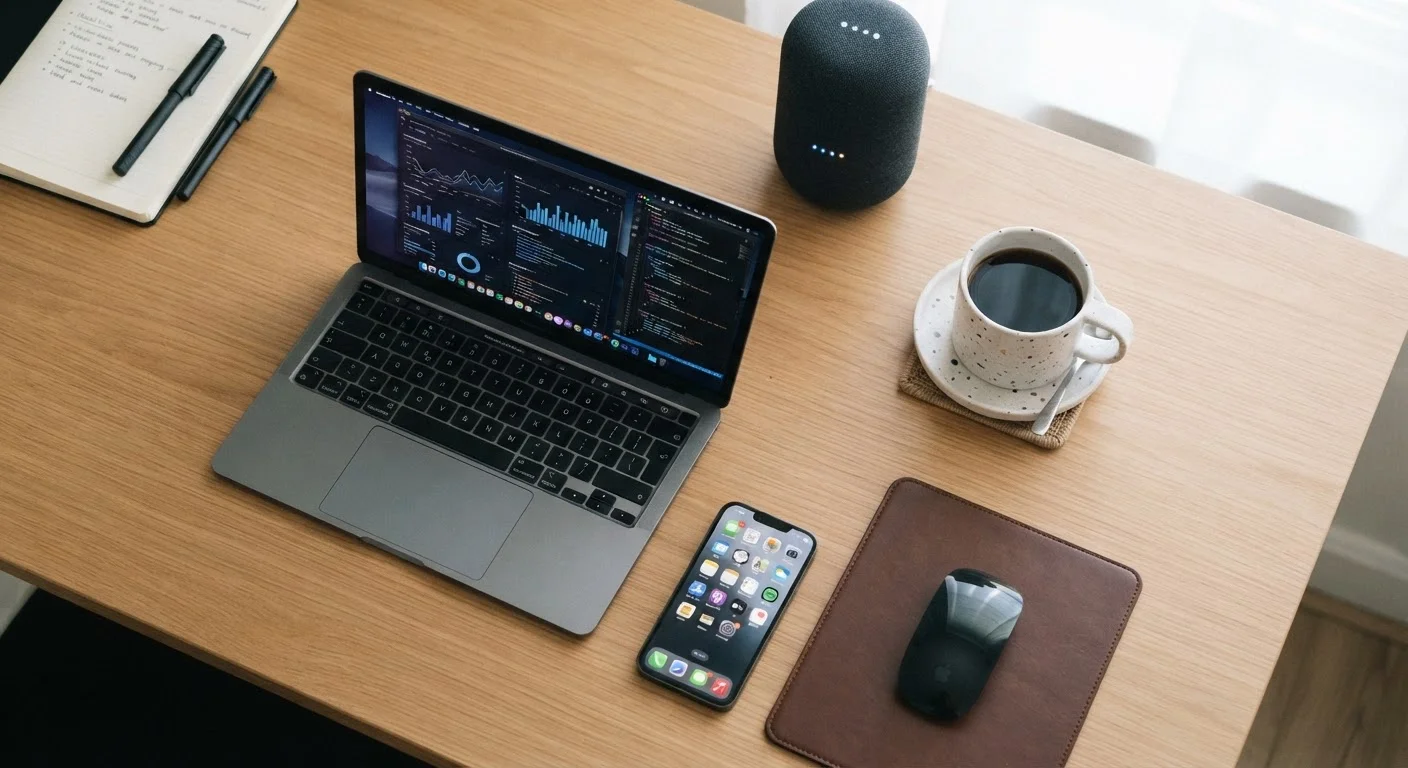
Smart speakers, if present in your home, use software to remain in a low-power listening state waiting for a wake word. While major platforms maintain that audio is not continuously recorded, the software architecture does mean the device's microphone is always active to some degree. Our detailed breakdown of how smart speakers listen covers the technical and privacy trade-offs in plain language.
Understanding Permissions and What You're Actually Agreeing To
Every app on your phone requests access to certain device capabilities - your camera, microphone, contacts, location, or storage. These are called permissions, and they represent the boundary between what an app can and cannot do on your device. Many apps request permissions that exceed what their core function actually requires.
A flashlight app has no functional need for your contacts list. A recipe app rarely needs your precise GPS location. When you grant a permission, you're authorizing ongoing access - not just a one-time use - until you manually revoke it. Our plain-language guide to app permissions walks through each major permission type and what granting it actually means in practice.
Both Android and iOS now offer more granular permission controls than in earlier years, including options to share approximate rather than precise location, or to allow access only while the app is actively open.
Permissions Don't Expire Automatically
Granting an app access to your location, microphone, or contacts is not a one-time event. That access persists until you manually revoke it, even if you stop using the app regularly. Apps running in the background can continue using granted permissions without any visible indicator on your screen. Make reviewing permissions a recurring habit, not a one-time setup task.
Practical Steps to Stay Informed and in Control
You don't need to be a software engineer to take meaningful action. A few consistent habits materially reduce your privacy exposure:
- Audit app permissions periodically. Both iPhone and Android settings include a section where you can see every permission each app holds and revoke ones that seem unnecessary.
- Remove apps you no longer use. Dormant apps still hold permissions and may continue background activity. Our device audit checklist makes this process systematic.
- Use strong, unique passwords for each account. Software that handles your most sensitive data - banking, health, email - deserves its own distinct credential. Password managers make this manageable even without a technical background.
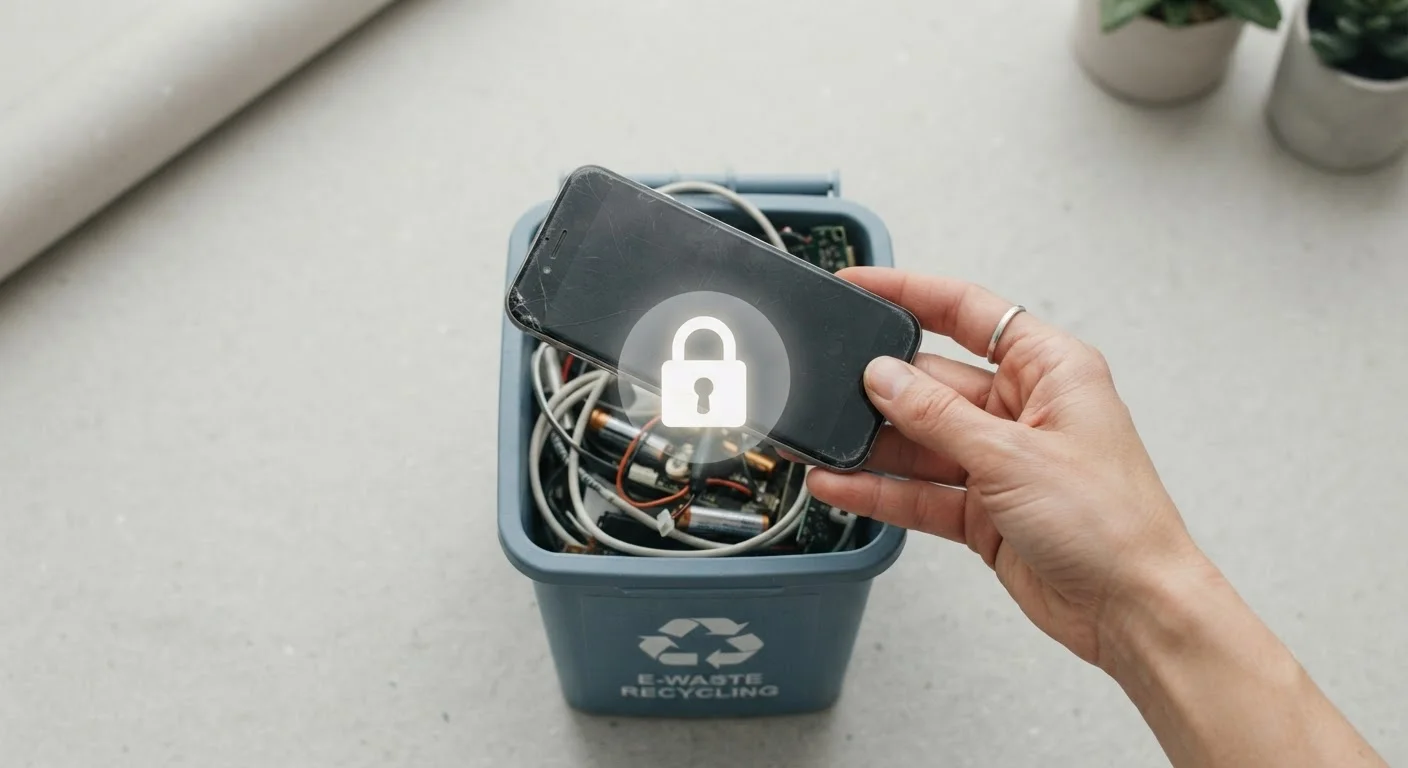
- Before selling or passing on a device, ensure all personal data is wiped. Our privacy checklist for old devices covers the essential steps.
- Check default app settings. Many apps share data or enable cloud sync by default. Reviewing settings when you first install an app - rather than months later - is the most effective time to adjust them. See our guide to built-in phone apps for a closer look at what ships enabled by default.
Privacy doesn't require opting out of technology. It requires knowing what you're opting into.