
Why a Digital Audit Is Worth Your Time
Most people give their home a deep clean periodically, but rarely apply the same discipline to their devices. The result is a slow accumulation of digital clutter: apps downloaded once and forgotten, gigabytes of duplicate photos, subscription services that outlasted their usefulness, and old accounts sitting exposed on servers across the internet.
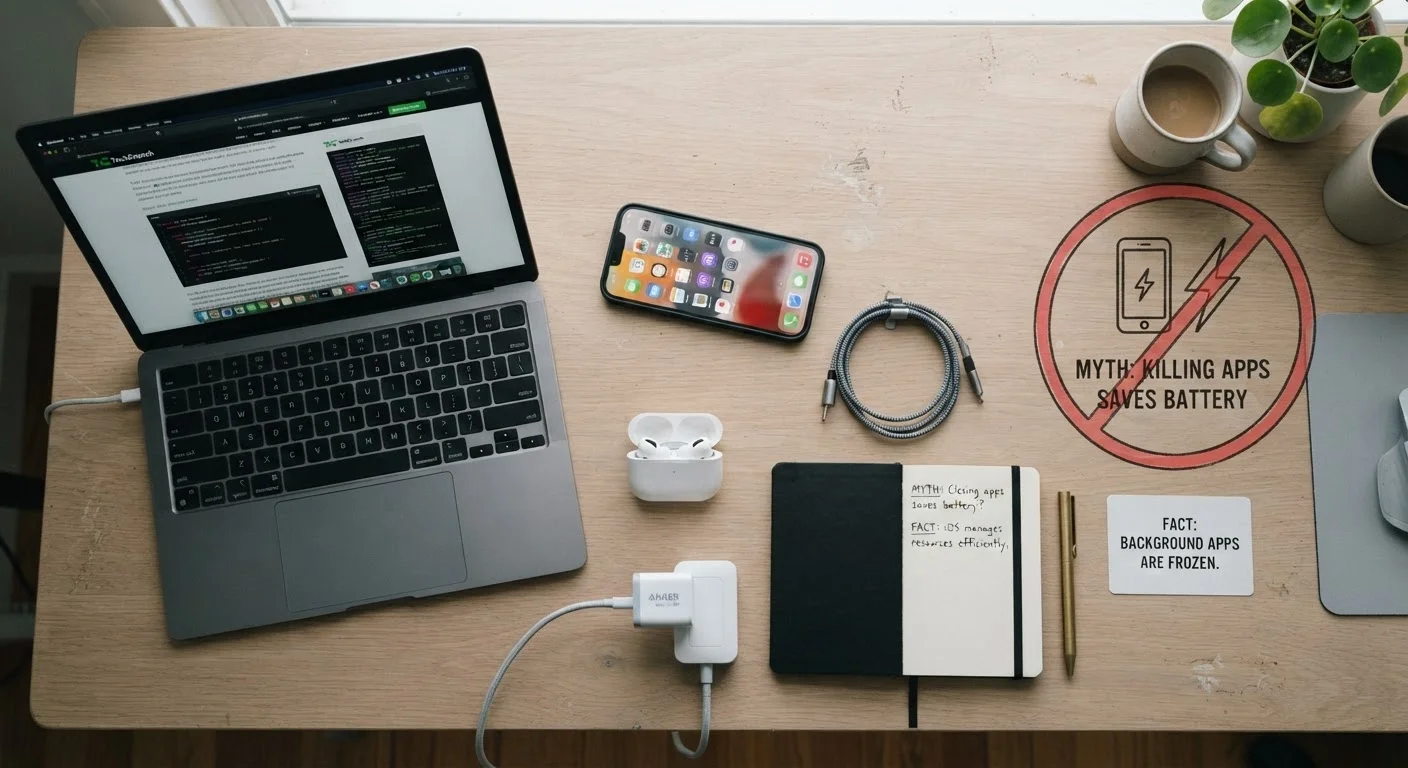
Digital clutter has real consequences. Unused apps can run background processes that drain battery life and slow performance. Dormant accounts tied to old passwords represent genuine security exposure - when a data breach occurs at a service you barely remember using, your email and password may still be valid. And overlapping cloud and local storage can quietly multiply files across devices in ways that are genuinely hard to untangle. See our guide to cloud vs. local storage if you're unsure where your files actually live.
The room-by-room framing below is intentional. Rather than confronting your entire digital life at once, you work through one category at a time - smartphone, computer, cloud services, accounts, and smart home devices - keeping the process manageable and thorough.
Device Settings App
The built-in settings on your phone or computer handles app permissions, storage analysis, startup programs, and connected accounts - no downloads required.
Email Search
Search your inbox for registration and welcome emails to surface forgotten accounts you may want to close.
Password Manager
Helps you identify duplicate or weak passwords across accounts and supports enabling two-factor authentication systematically.
Router Admin Panel
Accessed via your browser, this shows every device connected to your home network so you can identify and remove unrecognized ones.
How to Work Through This Checklist
Set aside a focused block of time - even 30 minutes makes a meaningful dent. Work through one "room" completely before moving to the next. Use your device's built-in settings wherever possible; you don't need third-party software to do most of this.
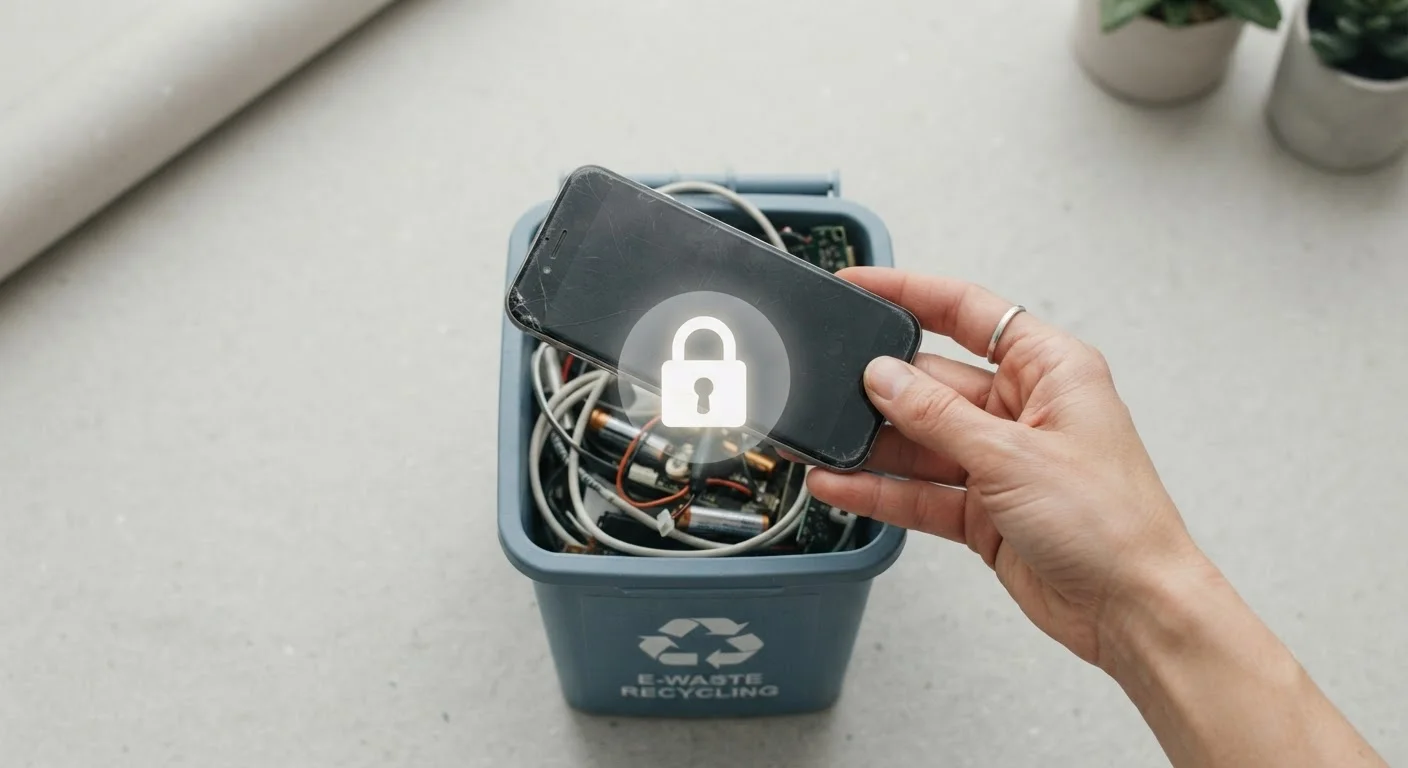
Priority labels guide where to start. Must items address security and significant performance; should items are strong best practices; nice-to-have items are refinements worth doing when you have extra time. If a device is heading out of your hands soon - being sold, lent, or recycled - consult our device privacy checklist before completing a factory reset.
Smartphone
Computer (laptop or desktop)
Cloud Storage and Subscriptions
Online Accounts
Smart Home and Connected Devices
After the Audit: Keeping It Clean
The hardest part of any digital audit is doing it the first time. Once you've worked through this list, maintenance becomes much lighter: a quick monthly pass to delete apps you've stopped using, a quarterly check on subscriptions, and an annual review of connected accounts is usually enough to stay on top of things.
Pay particular attention to the permissions your apps hold. Software touches far more of your daily life than most people realize - from your alarm to your banking tools. Our guide to what software collects in a typical day maps out where your data goes and what you can do about it.
For your smartphone specifically, the built-in apps you already have are often more capable than people give them credit for. Before installing a new app to fill a gap, check our guide to getting more from built-in apps - you may already have what you need. And if a full device transition is on the horizon, our walkthrough for setting up a new device covers how to migrate cleanly without losing anything important.
Deleting Accounts Is Permanent
Before closing an account, check whether it holds data you want to keep - purchase history, saved files, or messages. Many services offer a data export option in account settings; use it before you delete. Once an account is removed, recovery is rarely possible.