
Your First Vet Visit: What to Expect
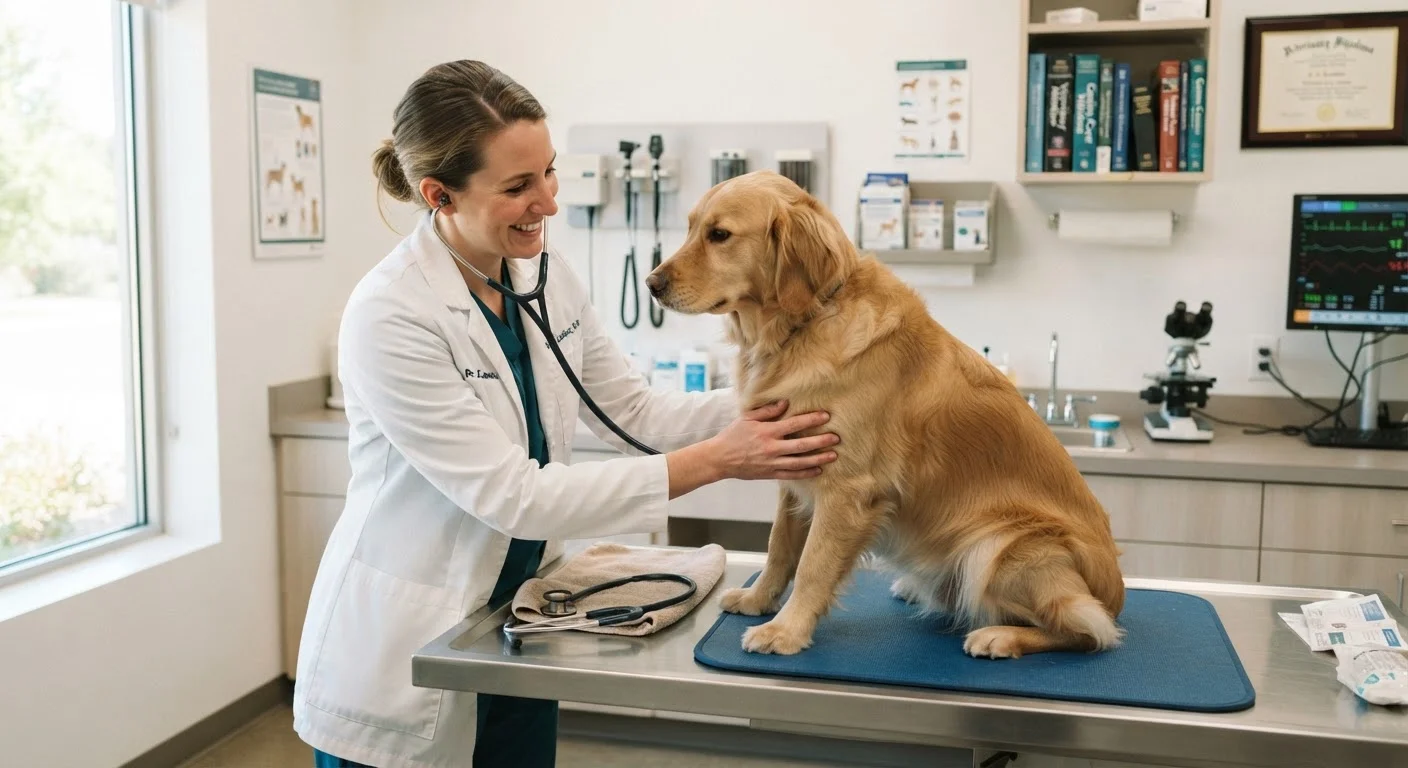
The single most important step you can take after bringing a puppy or kitten home is scheduling a veterinary examination within the first week. Even if your pet appears healthy, a veterinarian will perform a physical exam to assess heart and lung function, check for congenital abnormalities, evaluate body condition, and review any records from a breeder or shelter. This visit also gives you a chance to establish a relationship with a vet you trust before any urgent situation arises.
Bring any vaccination or deworming records your pet came with - these tell the vet which steps in the preventive care schedule have already been completed. Expect to discuss diet, environment, socialization, and a rough timeline for the year ahead. For a detailed look at what those first weeks look like day to day, see The First 30 Days With a New Pet.
Core vaccines
Vaccines recommended for virtually all pets of a given species because the diseases they prevent are widespread, severe, or transmissible to humans.
Maternal antibodies
Immunity proteins passed from a mother to her offspring through milk that temporarily protect newborns but also interfere with how well early vaccines work.
Obligate carnivore
An animal that must eat meat to survive because it cannot produce certain essential nutrients on its own - cats fall into this category.
AAFCO
The Association of American Feed Control Officials, the body that sets nutritional standards for pet food sold in the US. An AAFCO statement on a label means the food meets defined standards for a specific life stage.
Pyometra
A serious, potentially life-threatening uterine infection that can develop in intact (unspayed) female dogs and cats, often requiring emergency surgery.
Deworming
The use of medications to eliminate internal parasites such as roundworms and hookworms from a pet's digestive tract.
Core Vaccines and Why They Matter
Vaccines work by training the immune system to recognize and fight specific pathogens before a real exposure occurs. For puppies, core vaccines protect against canine distemper, adenovirus (hepatitis), parvovirus, and rabies - often combined in a single injection called DA2PP. For kittens, core vaccines cover feline herpesvirus, calicivirus, panleukopenia (the FVRCP combination), and rabies.
These vaccines are administered in a series, not a single shot. Maternal antibodies - immunity passed from mother to offspring through milk - gradually wane over the first weeks of life, temporarily interfering with vaccine effectiveness. Giving boosters every three to four weeks between approximately six and sixteen weeks of age ensures the puppy or kitten develops its own robust protection as maternal immunity fades.
Missing a scheduled appointment can leave a meaningful window of vulnerability, particularly for parvovirus in puppies and panleukopenia in kittens, both of which can be life-threatening. For a broader overview of preventive health measures across a pet's lifetime, see Preventive Care for Pets.
Keep a Pet Health File From Day One
Create a simple folder - physical or digital - to store vaccine records, fecal test results, deworming dates, and vet visit summaries. Having this information organized means you can respond quickly if a boarding facility, groomer, or emergency clinic asks for records. It also helps you stay on top of booster due dates without relying solely on reminder cards.
Parasite Prevention From Day One
Parasites are among the most common health issues vets see in young animals. Many puppies and kittens are born with intestinal parasites such as roundworms and hookworms, acquired from their mother during pregnancy or nursing. A fecal exam at the first vet visit identifies these, and deworming is typically started right away.
External parasites - fleas and ticks - pose risks beyond simple discomfort. Fleas can cause flea allergy dermatitis and transmit tapeworms, while ticks carry diseases including Lyme disease and Rocky Mountain spotted fever. Year-round prevention is recommended in most US regions. Heartworm disease, transmitted by mosquitoes, is present in all 50 states and is far easier to prevent than to treat. Monthly preventives are available for both cats and dogs, and your vet will help you select an appropriate option based on your pet's species, weight, and lifestyle.
For a comprehensive look at how each parasite is transmitted and how prevention works, see Parasite Prevention in Pets.
Nutrition Basics for Growing Pets
Young animals have caloric and nutrient requirements that differ substantially from those of adults. Puppies need diets higher in protein and specific minerals like calcium and phosphorus to support rapid muscle and bone growth. Kittens are obligate carnivores with additional requirements for nutrients like taurine, arachidonic acid, and vitamin A that adult-formula foods may not supply in adequate quantities for growth.
When selecting food, look for products labeled as meeting AAFCO (Association of American Feed Control Officials) nutritional standards for growth or all life stages. Large-breed puppies have their own requirements - too much calcium relative to phosphorus during growth can contribute to skeletal problems - so a large-breed puppy formula is generally recommended for dogs expected to exceed roughly 50 pounds at maturity.
Feeding frequency also matters. Puppies and kittens typically do best with three to four small meals daily until about six months of age, then transitioning to twice daily. Avoid free-feeding kittens or puppies if weight gain becomes a concern, and always consult your vet before changing diet or portion sizes. Pet Care Basics covers feeding routines alongside other everyday care fundamentals.
Spaying, Neutering, and Dental Health
Spaying (removal of the ovaries and uterus in females) and neutering (removal of the testes in males) are surgical procedures with established health benefits beyond population control. In cats, spaying before the first heat cycle significantly reduces the risk of mammary tumors and eliminates the risk of uterine infection (pyometra). In dogs, the optimal timing is more nuanced - larger breeds may benefit from waiting until growth plates close - making a personalized conversation with your veterinarian essential.
Dental health is another area where early habits pay dividends. Periodontal disease is among the most common conditions diagnosed in adult pets, yet it is largely preventable with consistent home care started during puppyhood or kittenhood. Introducing tooth brushing gradually, using a pet-safe enzymatic toothpaste, gives young animals time to accept it as routine before their adult teeth are fully established. Dental Care Habits That Protect Your Pet's Long-Term Health outlines step-by-step routines that make a measurable difference over time.
Before your pet's first birthday, consider reviewing training and behavior fundamentals as well - a healthy pet also needs mental and social enrichment. The preparation checklist for new pet training is a useful companion to the health steps covered here.
This article provides general educational information about pet health and is not a substitute for professional veterinary advice. Always consult a licensed veterinarian for guidance specific to your pet's health, weight, breed, and medical history.