What Happens During a Routine Wellness Exam
Many pet owners assume a vet visit is only necessary when something is wrong. In reality, the annual wellness exam is one of the most valuable tools in preventive care - and most of what happens during it is invisible to the untrained eye.
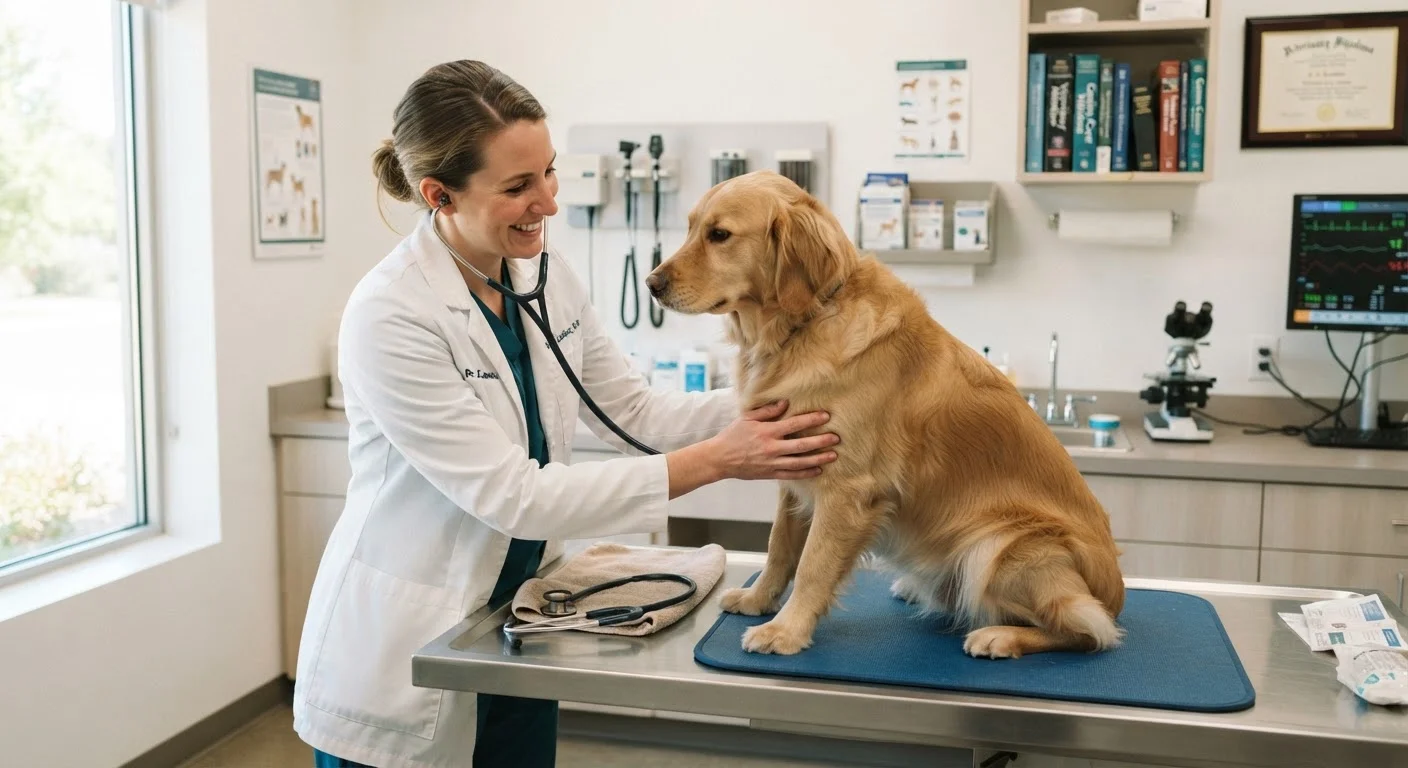
A typical exam begins with a body weight check and body condition score, a standardized assessment that evaluates whether your pet is underweight, overweight, or at an ideal weight for their frame. From there, your veterinarian works through a systematic physical evaluation:
- Eyes and ears: Checked for discharge, redness, cloudiness, infection, or structural changes.
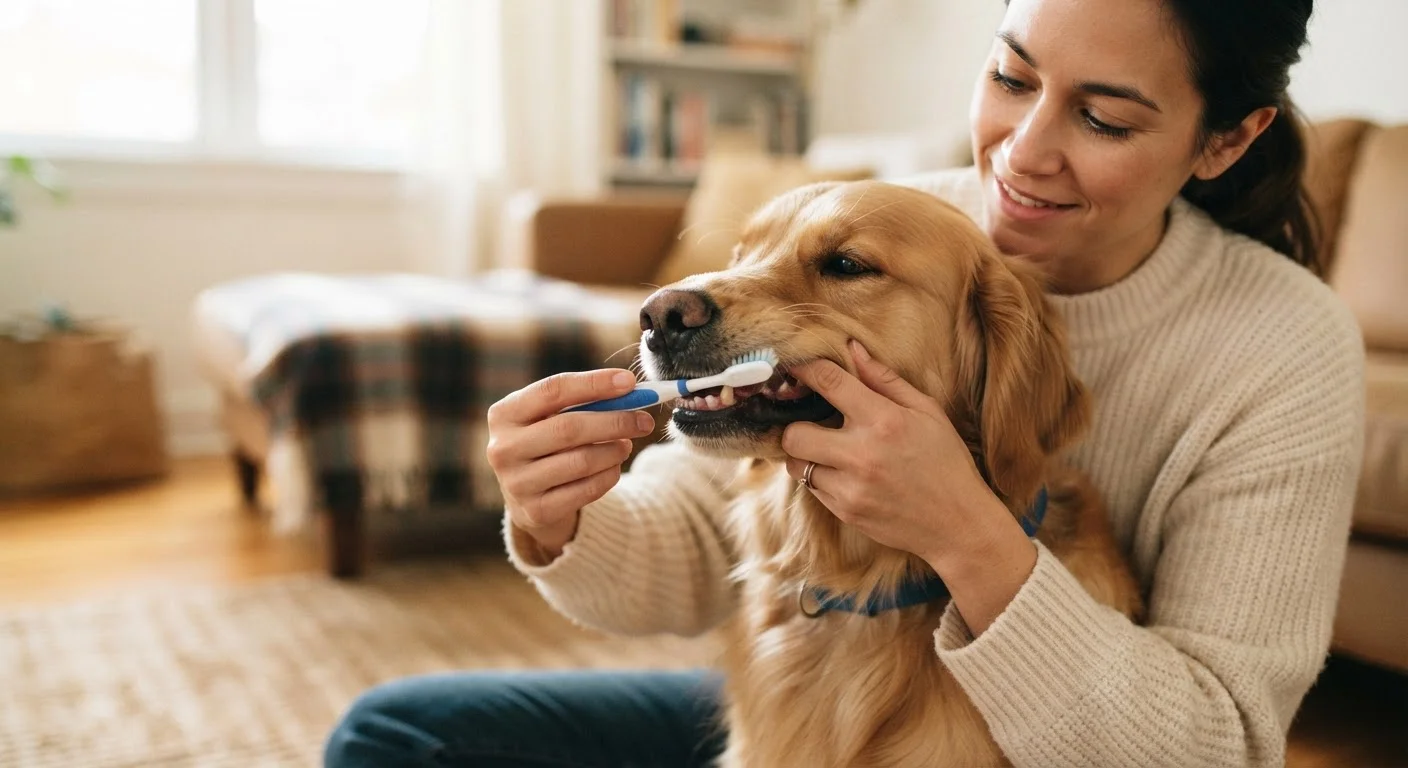
- Mouth and teeth: Examined for tartar buildup, gum inflammation, broken teeth, or early signs of periodontal disease - one of the most prevalent conditions in domestic pets. Good dental habits started early can prevent costly interventions later.
- Heart and lungs: Listened to with a stethoscope for murmurs, arrhythmias, or abnormal breath sounds.
- Abdomen: Palpated to assess organ size and detect any masses or discomfort.
- Skin and coat: Inspected for parasites, lesions, lumps, or changes in hair quality.
- Musculoskeletal system: Assessed for joint swelling, muscle loss, or signs of pain during movement.
The exam also gives your vet a chance to review your pet's vaccination status and parasite prevention protocol. Preventive measures like vaccines and parasite control are typically revisited and updated at this visit.
Write Down Observations Before the Visit
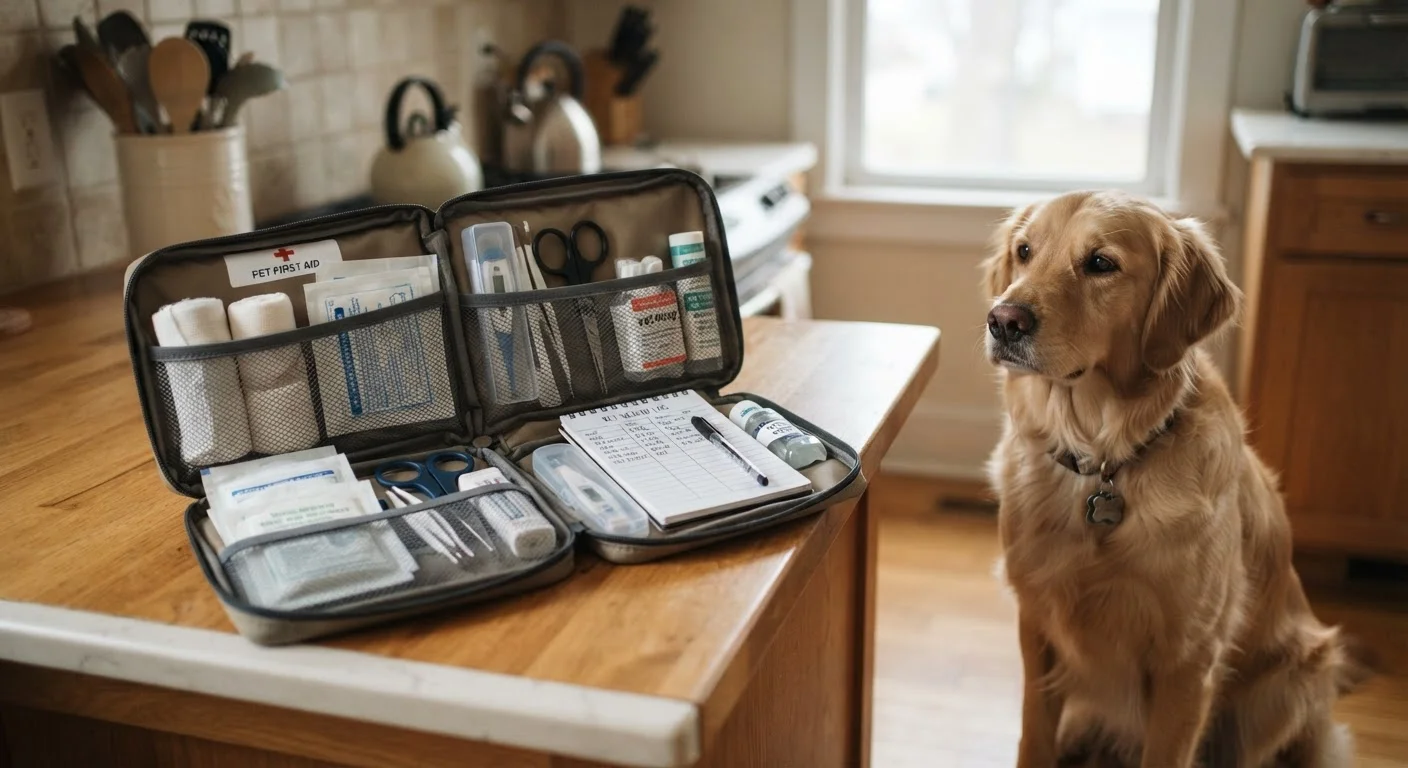
Keep a brief running list of anything unusual you notice in your pet's behavior, appetite, or physical appearance in the weeks before the appointment. Even seemingly small details - a slight change in drinking habits or a new lump you felt during grooming - are worth mentioning to your vet. These observations often provide the earliest clues to conditions that haven't yet shown up in a physical exam.
Why Baseline Data Is More Important Than It Sounds
One underappreciated function of the annual exam is record-keeping. Each visit adds a data point to your pet's health history - weight, heart rate, blood pressure if measured, and any physical findings. Over several years, these snapshots reveal trends that no single visit could show.
A veterinarian who notices a pet's weight has dropped two pounds over two visits, or that a previously normal lymph node now feels slightly enlarged, has information that wouldn't be visible in a one-time evaluation. This longitudinal view is why continuity with a veterinary practice genuinely matters.
Recommended diagnostic screenings at wellness visits often include:
- Complete blood count (CBC): Evaluates red and white blood cell levels, which can indicate infection, anemia, or immune system changes.
- Chemistry panel: Assesses kidney function, liver enzymes, blood glucose, and electrolytes.
- Urinalysis: Screens for kidney disease, urinary tract infections, and diabetes.
- Fecal exam: Checks for intestinal parasites that may not cause obvious symptoms.
- Thyroid testing: Commonly recommended for cats over seven and dogs showing relevant symptoms.
Not every pet needs every test at every visit. Your veterinarian will recommend diagnostics based on your pet's age, breed predispositions, lifestyle, and prior health history.
Frequency Varies by Life Stage and Health Status
Puppies and kittens typically visit the vet multiple times in their first year for vaccine series completion and developmental monitoring. Adult pets in good health usually follow a once-yearly schedule. Senior pets and those managing chronic conditions may benefit from visits every six months. Your veterinarian is the best resource for determining the right schedule for your specific pet.
Making the Most of Every Vet Visit
The exam itself is only part of what makes an annual visit valuable. The conversation matters just as much. Vets use wellness appointments to discuss nutrition, behavior changes, weight management strategies, and life stage transitions - like the shift to a senior diet or adjustments in exercise as a pet ages.
Come prepared with observations. If you've noticed your dog drinking more water than usual, your cat grooming less, or any change in appetite, energy, or elimination habits, mention it even if it seems minor. These details can meaningfully guide a veterinarian's assessment.
Understanding what your wellness visit covers - and what it doesn't - also helps with financial planning. Routine exams, vaccines, and diagnostics have predictable costs that differ from emergency or specialist care. Pet insurance and wellness plans serve different financial purposes, and knowing how they work can help you decide which, if either, fits your household.
Finally, consider that preparation doesn't stop at the clinic door. Having a plan for veterinary emergencies - including knowing your vet's after-hours contact - is part of responsible, proactive pet ownership.
This article is for general informational purposes only and is not a substitute for professional veterinary advice, diagnosis, or treatment. Always consult a licensed veterinarian regarding your pet's individual health needs.