Why Age-Stage Care Matters for Senior Pets
Adopting or caring for a senior pet is one of the most rewarding choices a pet owner can make - and one of the most medically nuanced. Dogs and cats age at different rates depending on species, breed, and body size, meaning a 7-year-old Great Dane is physiologically older than a 7-year-old Chihuahua. The commonly cited "one human year equals seven dog years" formula is a significant oversimplification - for a more accurate picture, see our article on pet care myths veterinarians want corrected.
What doesn't change is the principle: aging pets experience predictable physiological shifts - declining organ reserve, reduced immune responsiveness, joint wear, and sensory changes - that call for proactive, stage-appropriate care. The earlier those shifts are recognized and accommodated, the better the quality of life outcomes tend to be.
The Early Senior Years: Ages 7-9 (Dogs) and 8-10 (Cats)
Most veterinarians classify dogs as "senior" starting around age 7, though large-breed dogs may enter this stage earlier. Cats typically reach senior status between 8 and 10. During this window, changes are often subtle but clinically significant.
Key Health Priorities
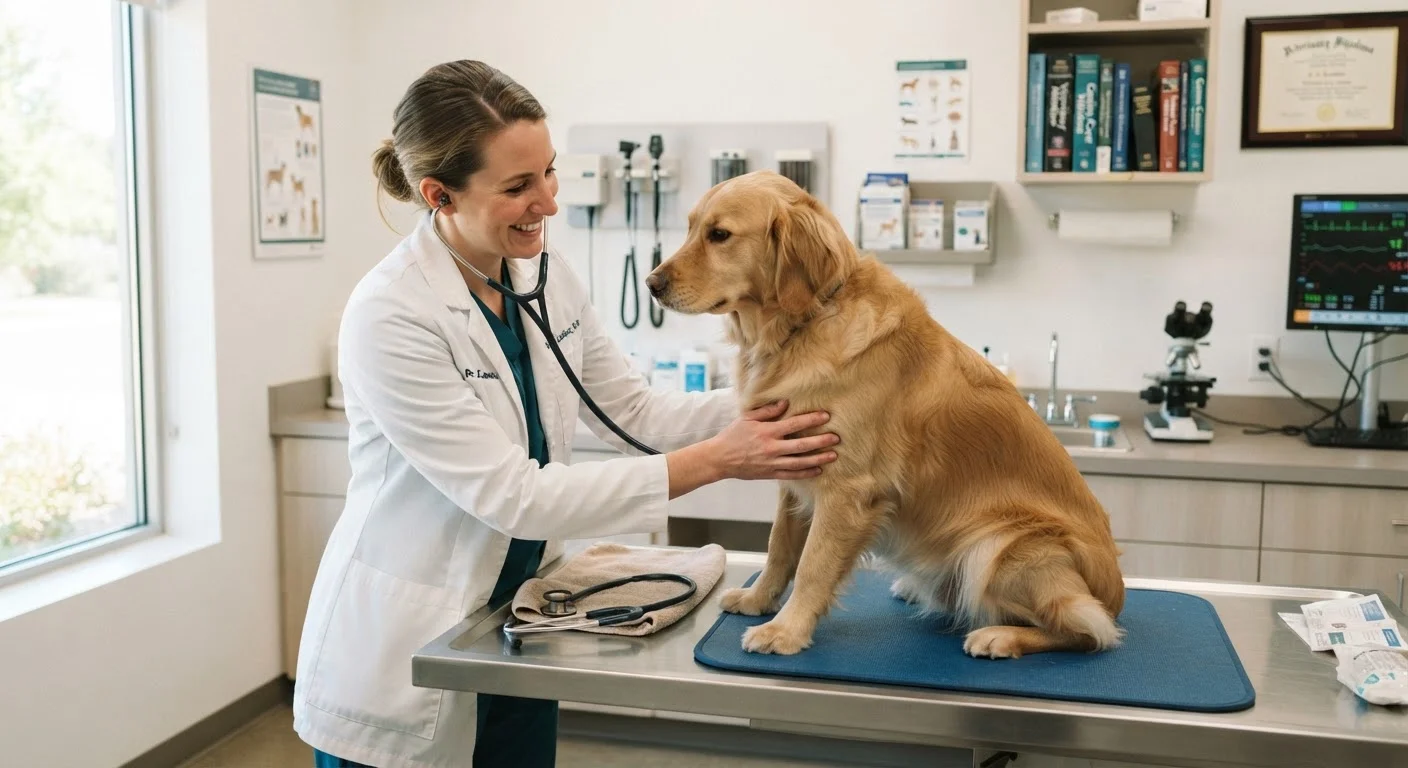
- Biannual wellness exams: Shifting from annual to twice-yearly vet visits allows earlier detection of kidney disease, thyroid dysfunction, dental disease, and early-stage cancer - all conditions that increase sharply in prevalence during this period.
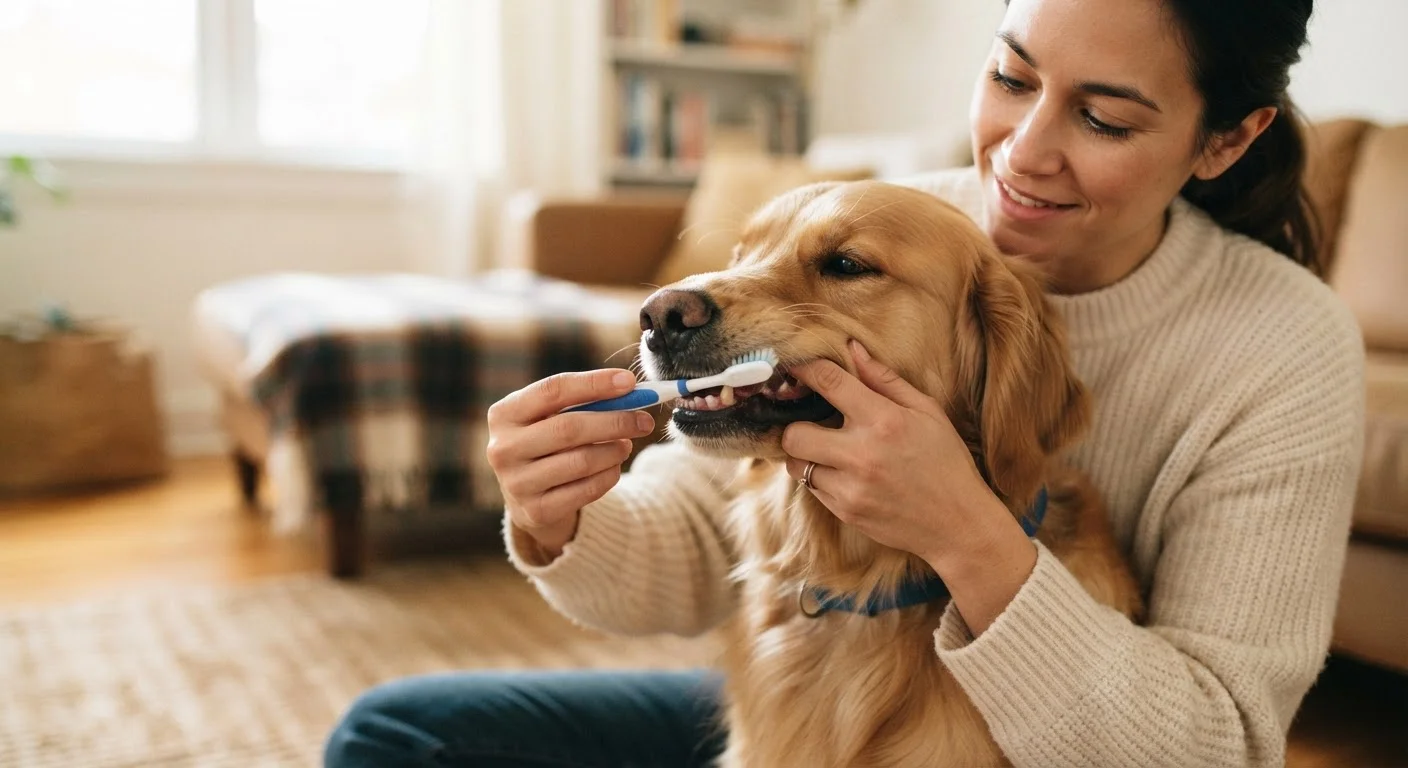
- Dental screening: Periodontal disease affects the majority of pets over age 3 and accelerates with age. Protective dental habits become especially important now.
- Baseline bloodwork and urinalysis: Establishing normal lab values during early seniority gives your veterinarian a reference point to detect future changes.
- Weight monitoring: Both obesity and unintended weight loss are red flags. Excess weight intensifies joint stress and elevates disease risk - a connection explored in depth in our coverage of pet obesity as a medical issue.
Nutritionally, many early-senior pets benefit from diets with adjusted protein, phosphorus, and caloric density - but formulation should be guided by your veterinarian, not packaging claims alone.
The Mid-Senior and Geriatric Stages: Ages 10+ (Dogs) and 11+ (Cats)
As pets move into their mid-senior and geriatric years, multi-system management becomes the norm rather than the exception. Several conditions tend to emerge or progress during this stage.
Osteoarthritis
A degenerative joint disease characterized by the breakdown of cartilage, causing pain, stiffness, and reduced mobility. It is very common in older dogs and cats and is often underdiagnosed, particularly in cats.
Canine cognitive dysfunction syndrome (CDS)
A neurological condition in older dogs that resembles aspects of human dementia, involving changes in awareness, memory, and behavior. Signs can include confusion, altered sleep patterns, and reduced social interaction.
Chronic kidney disease (CKD)
A progressive, irreversible decline in kidney function that is one of the leading health conditions in geriatric cats and older dogs. Early detection through bloodwork and urinalysis allows for management strategies that can slow progression.
Hyperthyroidism
An overproduction of thyroid hormone, most commonly seen in cats over age 10. It causes weight loss, increased appetite, hyperactivity, and other systemic effects, and is highly manageable when caught early.
Organ reserve
The extra functional capacity that organs maintain beyond baseline needs. As pets age, this reserve diminishes, meaning illness or stress has a greater impact on organ function than it would in younger animals.
Mobility and Musculoskeletal Health
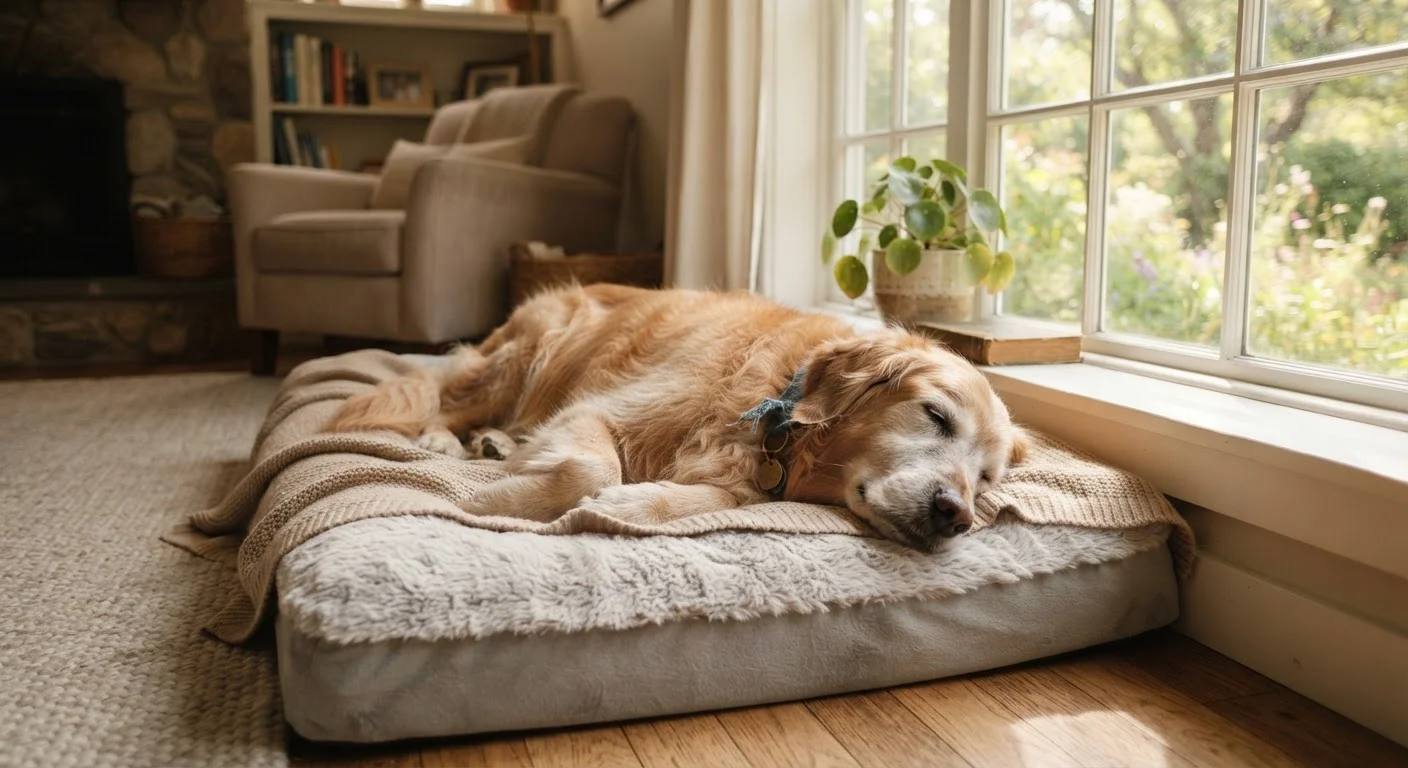
Osteoarthritis is among the most common geriatric conditions in both dogs and cats. Signs in cats are frequently missed because they don't vocalize pain the way dogs do - look for reduced jumping, reluctance to use stairs, or changes in grooming habits. Environmental modifications (ramps, low-sided litter boxes, orthopedic bedding) can meaningfully reduce daily discomfort.
Cognitive and Sensory Changes
Canine cognitive dysfunction syndrome (CDS) - sometimes compared to dementia - affects a significant proportion of dogs over 11. Signs include disorientation, disrupted sleep cycles, reduced interaction, and house-soiling. Mental enrichment remains valuable at this stage; see our guide to everyday enrichment strategies for species-appropriate ideas. Vision and hearing loss also become more common, requiring household adjustments such as consistent furniture placement and gentle auditory cues.
Organ System Monitoring
Chronic kidney disease (CKD), hyperthyroidism in cats, and cardiac changes in dogs all demand regular monitoring. Blood pressure screening, thyroid panels, and cardiac auscultation should be part of every geriatric visit. Early intervention - guided entirely by your veterinarian - can slow progression and preserve quality of life.
This article provides general health information for educational purposes and is not a substitute for individualized veterinary advice. Always consult a licensed veterinarian for diagnosis, treatment, or care decisions specific to your pet.