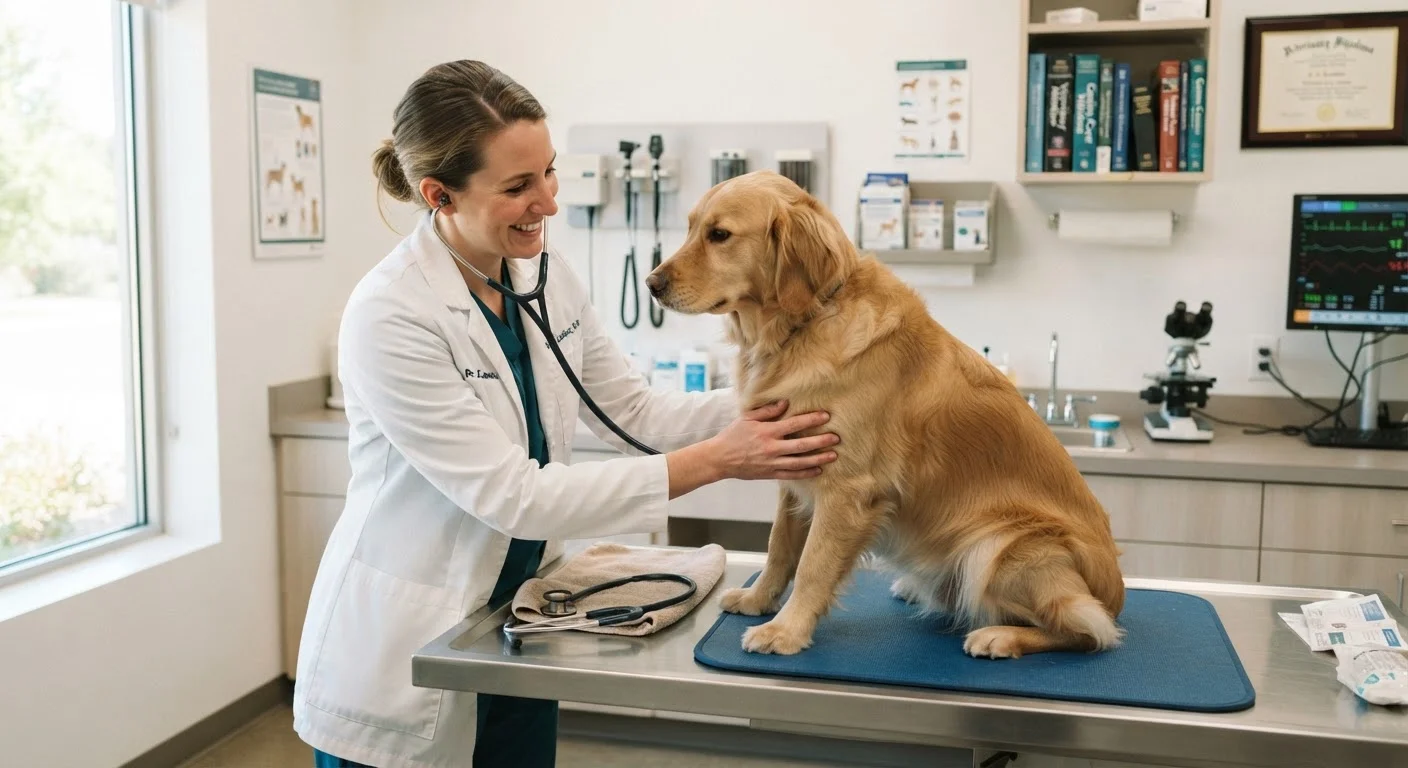

Why Preventive Care Is the Foundation of Pet Health
Preventive care is the practice of taking deliberate steps to protect a pet's health before illness or infestation takes hold. Unlike reactive medicine - treating conditions after they appear - prevention is designed to keep animals out of the vet's emergency room altogether. For most companion animals, this means a combination of scheduled vaccinations, consistent parasite control, and regular wellness examinations.
Veterinarians widely regard this triad as the most effective way to extend a pet's healthy lifespan. Animals cannot describe symptoms the way humans do, which means diseases often progress silently until they are harder and more expensive to treat. Routine prevention closes that gap. The Pet Health & Wellness hub covers the full spectrum of care decisions owners face, and preventive medicine sits at its core.
Core Vaccinations: What They Cover and Why They're Given
Vaccines work by exposing the immune system to a harmless form of a pathogen so it can build protective antibodies without causing disease. When a vaccinated animal later encounters the real pathogen, the immune system recognizes and neutralizes it quickly.
For dogs, the American Animal Hospital Association (AAHA) classifies certain vaccines as core - meaning they are recommended for all dogs regardless of lifestyle. These include:
- Canine distemper - a serious viral illness affecting the respiratory, gastrointestinal, and nervous systems
- Parvovirus - a highly contagious and potentially fatal gastrointestinal disease
- Adenovirus (hepatitis) - protects against infectious canine hepatitis
- Rabies - required by law in most US states because of its public health risk
For cats, the American Association of Feline Practitioners (AAFP) designates the following as core:
- Feline panleukopenia (feline distemper)
- Feline herpesvirus and calicivirus - both major causes of upper respiratory infections
- Rabies - legally required in many states even for indoor-only cats
Non-core vaccines (such as Bordetella for dogs or feline leukemia virus for cats) are recommended based on individual risk factors - your vet will assess your pet's environment, contact with other animals, and travel habits to decide which apply. Concerns about over-vaccination are common; for an evidence-based look at what the science actually shows, see The Truth Behind Common Pet Vaccination Myths.
When your puppy or kitten starts their vaccine series, ask your vet to write out the full schedule - including booster dates - rather than booking appointments one at a time. This prevents gaps that leave young animals unprotected during their most vulnerable window.
Maternal antibodies that young animals inherit can interfere with early vaccines, which is why a series is required rather than a single dose. Completing the series on schedule ensures reliable immunity develops.
Don't assume a negative flea sighting means your pet is parasite-free. Fleas spend only about 5% of their life cycle on the host - the rest is in your home environment. Consistent monthly prevention is more reliable than reactive treatment after an infestation is visible.
By the time an owner notices fleas, the home environment typically already has a significant egg and larvae population. Prevention eliminates the lifecycle before it becomes established.
Parasite Control: Fleas, Ticks, Heartworm, and Intestinal Worms
Parasites are not merely a nuisance - many transmit serious diseases to both pets and people. A structured prevention protocol, maintained year-round in most US regions, is the standard veterinary recommendation.
Fleas and Ticks
Fleas cause intense itching, can trigger allergic dermatitis, and serve as intermediate hosts for tapeworms. Ticks transmit Lyme disease, Rocky Mountain spotted fever, ehrlichiosis, and other illnesses. Even indoor pets can be exposed through contact with humans who carry parasites inside on clothing.
Heartworm Disease
Heartworm (Dirofilaria immitis) is transmitted by mosquitoes and affects dogs primarily, though cats can be infected too. Adult worms inhabit the heart and pulmonary arteries, causing progressive cardiopulmonary damage. Prevention via monthly or injectable medications is straightforward; treatment in dogs - once infected - is lengthy, costly, and carries health risks. The American Heartworm Society recommends testing dogs annually and keeping them on continuous prevention.
Intestinal Parasites
Roundworms, hookworms, whipworms, and Giardia are common in pets and some are zoonotic - meaning they can infect humans, particularly children. Annual fecal testing allows vets to detect and treat infections early, even when a pet shows no obvious symptoms.
Never Skip Heartworm Testing Before Starting Prevention
Administering heartworm preventives to a dog that already has an active infection can cause a serious and potentially fatal reaction. Your veterinarian will require a negative heartworm test result before prescribing preventive medication for the first time or after a lapse in treatment. Do not restart prevention on your own after a gap - contact your vet first.
Routine Checkups: What Vets Assess and How Often
A wellness exam is more than a quick listen with a stethoscope. During a routine visit, a veterinarian systematically evaluates body weight and condition score, eyes, ears, teeth, coat and skin, lymph nodes, heart and lung sounds, abdomen, and musculoskeletal movement. This head-to-tail assessment creates a baseline - and changes from one year to the next often reveal early-stage conditions like dental disease, arthritis, thyroid dysfunction, or heart murmurs that owners may not notice at home.
For details on exactly what occurs during these appointments, Annual Vet Visits: What Actually Happens and Why They Matter provides a comprehensive walkthrough.
Recommended frequency:
- Adult dogs and cats (1-7 years): Once per year in most cases
- Puppies and kittens: Every 3-4 weeks until ~16 weeks of age for vaccination series completion, then annually
- Senior pets (7+ years, varies by species and breed): Twice per year, as age-related changes can progress quickly
If your pet displays any unusual symptoms between scheduled visits, consult your vet promptly. Signs Your Pet May Need a Vet Visit - and When It Can Wait offers practical guidance on distinguishing urgent concerns from minor ones.
~50%
Dogs infected with heartworm in high-risk US regions
The American Heartworm Society notes prevalence can exceed 50% in untreated dog populations in heavily endemic areas of the Gulf Coast and Southeast.
1 in 3
Pets will experience a significant health event each year
According to data cited by the American Veterinary Medical Association, approximately one in three pets requires unexpected veterinary care annually, underscoring the value of preventive monitoring.
Keeping Your Preventive Care Records Organized
Maintaining accurate records of your pet's vaccination history, parasite prevention schedule, and lab results is a practical habit that pays off. Proof of vaccination is often required for boarding, grooming, dog parks, and interstate travel. In an emergency, a complete medical history helps any treating veterinarian make faster, safer decisions.
Ask your vet for printed or digital copies of all records after each visit. Many practices now offer client portals that store this information automatically. A simple folder - physical or digital - containing vaccination certificates, deworming dates, heartworm test results, and any diagnoses is all most owners need.
Preventive care also intersects with financial planning. Understanding how wellness plans and pet insurance differ can help you budget for routine costs alongside unexpected ones. Pet Insurance vs. Wellness Plans: Understanding the Difference explains how each option works so you can evaluate what fits your situation.
This article is for general informational and educational purposes only and is not a substitute for professional veterinary advice. Always consult a licensed veterinarian for guidance specific to your pet's health, history, and needs.