
Before They Arrive: Setting the Stage
The groundwork you lay before your pet crosses the threshold has a direct impact on how quickly they settle in. Begin by designating a single quiet room or contained area as their home base - a place with food, water, a comfortable resting spot, and familiar-smelling items if possible. Limiting their initial territory prevents sensory overload and gives them a secure starting point from which to explore.
Pet-proof the space by securing loose cables, removing toxic plants, and checking for any gaps or escape routes. Stock up on species-appropriate supplies: the correct food your pet was eating before the transition (sudden diet changes can cause digestive upset), an appropriately sized crate or carrier, litter boxes placed in accessible low-traffic areas for cats, and identification tags or a microchip appointment scheduled in advance.
Review our training preparation checklist to make sure your environment and mindset are fully ready before day one.
Decompression period
The initial adjustment phase during which a newly rehomed animal acclimates to its environment before showing typical behavior. This can last from a few days to several weeks.
3-3-3 rule
A behavioral framework commonly used for rescue animals: three days of shock, three weeks of learning routines, and three months to feel fully at home. It helps owners set realistic expectations.
Positive reinforcement
A training method that rewards desired behavior with something the animal values - food, praise, or play - making that behavior more likely to occur again without the need for punishment.
Resource guarding
A behavior in which an animal becomes protective or defensive over food, toys, resting spots, or other valued items, sometimes growling, snapping, or posturing when approached.
Baseline health examination
A first veterinary visit that establishes the animal's starting health status, including weight, vaccination records, parasite screening, and any conditions needing early treatment.
Scent introduction
A technique used when introducing pets to each other, where animals first encounter each other's scent through bedding or clothing before any face-to-face contact, reducing stress and reactivity.
Week One: Decompression and First Impressions
The first three days are typically the most disorienting for any new pet. Expect withdrawn behavior, reluctance to eat, excessive sleeping, or - conversely - frantic energy and vocalizing. Neither extreme signals a permanent personality trait; both are normal stress responses to an unfamiliar environment.
Resist the urge to introduce the pet to everyone in the household at once. Keep interactions calm, brief, and on the pet's terms. Allow them to approach you rather than forcing contact. For dogs, short leashed walks in the immediate neighborhood help establish territory without overwhelming them. For cats, confine them to their designated room for the first several days before opening additional spaces.
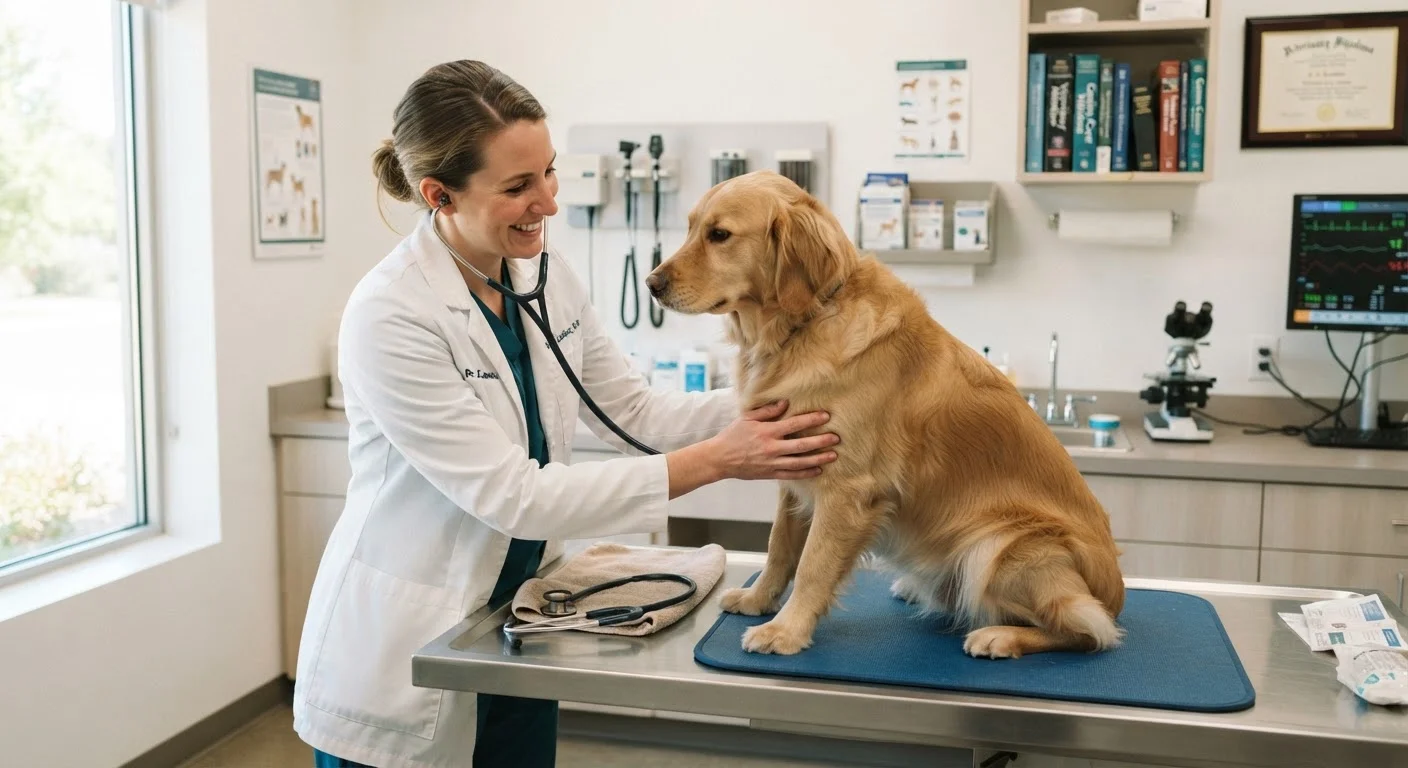
Schedule a veterinary appointment during this first week. A baseline health examination - covering weight, parasite screening, and vaccination status - sets the foundation for everything covered in our first-year health guide.
Give Your Pet Permission to Be Slow
Some pets - particularly adult rescues - need a full week before they eat normally or seek any interaction. This is not a sign of a problem or that you have done something wrong. Sitting quietly in the same room without making direct eye contact or reaching toward the pet can help them learn you are safe at their own pace.
Weeks Two and Three: Building Routine and Trust
By the second week, most pets begin to relax enough to show more of their actual temperament. This is when consistent daily routine becomes your most powerful tool. Feed at the same times, walk at predictable intervals, and establish a reliable bedtime process. Predictability communicates safety to an animal still mapping their new world.
Introduce positive reinforcement training in short, low-pressure sessions. Focus on the most practical behaviors first: recall, crate acceptance, or litter box reliability. Avoid punitive corrections during this window - a pet that is still building trust is particularly vulnerable to developing fear-based responses if corrections feel threatening.
If you share your home with other animals, this phase is typically when you begin more direct introductions. Gradual, scent-first protocols are essential. Our guide to introducing a second pet outlines how to manage this process safely.
Avoid Flooding Your Pet with Socialization
Well-meaning visits from friends and family during the first two weeks can seriously set back a pet's adjustment. Exposing a still-stressed animal to multiple strangers, loud voices, or unpredictable children before they feel secure may reinforce fear rather than socialization. Keep the household calm and introductions minimal until the pet shows clear signs of confidence and relaxed body language.
Week Four: Finding Your New Normal
By week four, most pets have a working understanding of household rules, know where their resources are, and have formed initial bonds with their primary caregivers. However, it is important to note that the three-month mark - not the one-month mark - is when most pets are considered fully settled. Week four is a transition out of the acute adjustment phase, not the finish line.
Expand the pet's access to additional rooms gradually, observing how they handle each new space. Continue reinforcing desired behaviors consistently. Note any patterns of anxiety, resource guarding, or elimination issues that have persisted past the first week - these warrant a conversation with your veterinarian or a certified animal behavior professional rather than a wait-and-see approach.
For ongoing behavioral guidance beyond the basics, explore the Pet Training & Behavior hub for techniques grounded in behavioral science.
Health Essentials in the First Month
Beyond the first vet visit, the first 30 days involve several health considerations new owners frequently underestimate. Parasites - including fleas, ticks, intestinal worms, and ear mites - are common in newly adopted animals regardless of source. Your veterinarian will test and recommend appropriate prevention protocols based on your location and the pet's history.
Monitor food intake and stool consistency closely. Loose stool in the first week may simply reflect diet transition stress, but persistent diarrhea or vomiting should be evaluated promptly. Ensure fresh water is always available - some pets, especially cats, drink more readily from moving water sources such as pet fountains.
Keep a simple written log of your pet's eating, drinking, bathroom habits, and any behavioral changes. This record becomes invaluable at follow-up vet appointments and helps you identify subtle trends you might otherwise miss. For comprehensive guidance on vaccines, nutrition, and preventive care through the first year, see our Pet Health & Wellness hub.
This article is for general informational and educational purposes only and is not a substitute for professional veterinary advice. Always consult a licensed veterinarian for guidance specific to your pet's health and situation.