Why Dental Health Is a Whole-Body Issue
Most pet owners know to watch for limping or lethargy, but the mouth often goes unexamined until something is visibly wrong. That delay has consequences. Periodontal disease - the progressive infection of the tissues surrounding the teeth - is one of the most common conditions veterinarians diagnose in both dogs and cats. Left untreated, the bacteria responsible for gum disease can enter the bloodstream and have been associated with changes in kidney, liver, and heart tissue.
The good news: this is a largely preventable condition. Unlike many chronic diseases, dental disease responds dramatically to consistent home care paired with professional monitoring. Understanding what causes it - and what stops it - puts real power in the owner's hands. This article is for general educational purposes; always consult your veterinarian for guidance tailored to your individual pet.
See our overview of preventive pet care for broader context on how dental health fits into your pet's overall wellness plan.
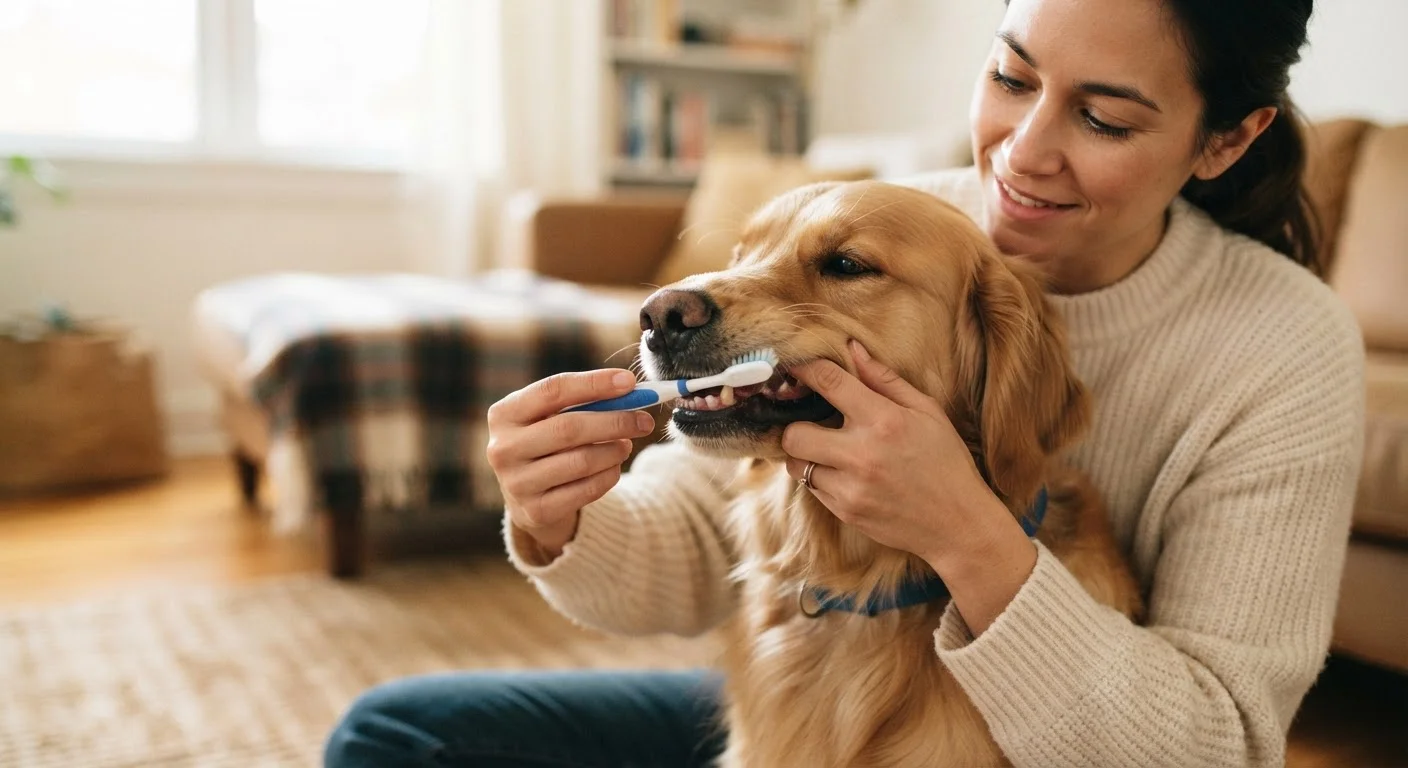
Brush your pet's teeth daily using a pet-specific toothpaste
Human toothpaste contains fluoride and other compounds that are toxic to pets when swallowed. Pet toothpastes are formulated to be safe without rinsing and often come in flavors that improve animal cooperation. Daily brushing disrupts plaque before it hardens into tartar, which only a professional cleaning can remove.
Introduce dental handling gradually, starting when your pet is young
Pets that are desensitized to mouth handling early are far more likely to tolerate - or even accept - brushing throughout their lives. Forcing the process too quickly creates negative associations that make future care much harder.
Schedule professional veterinary dental cleanings as recommended
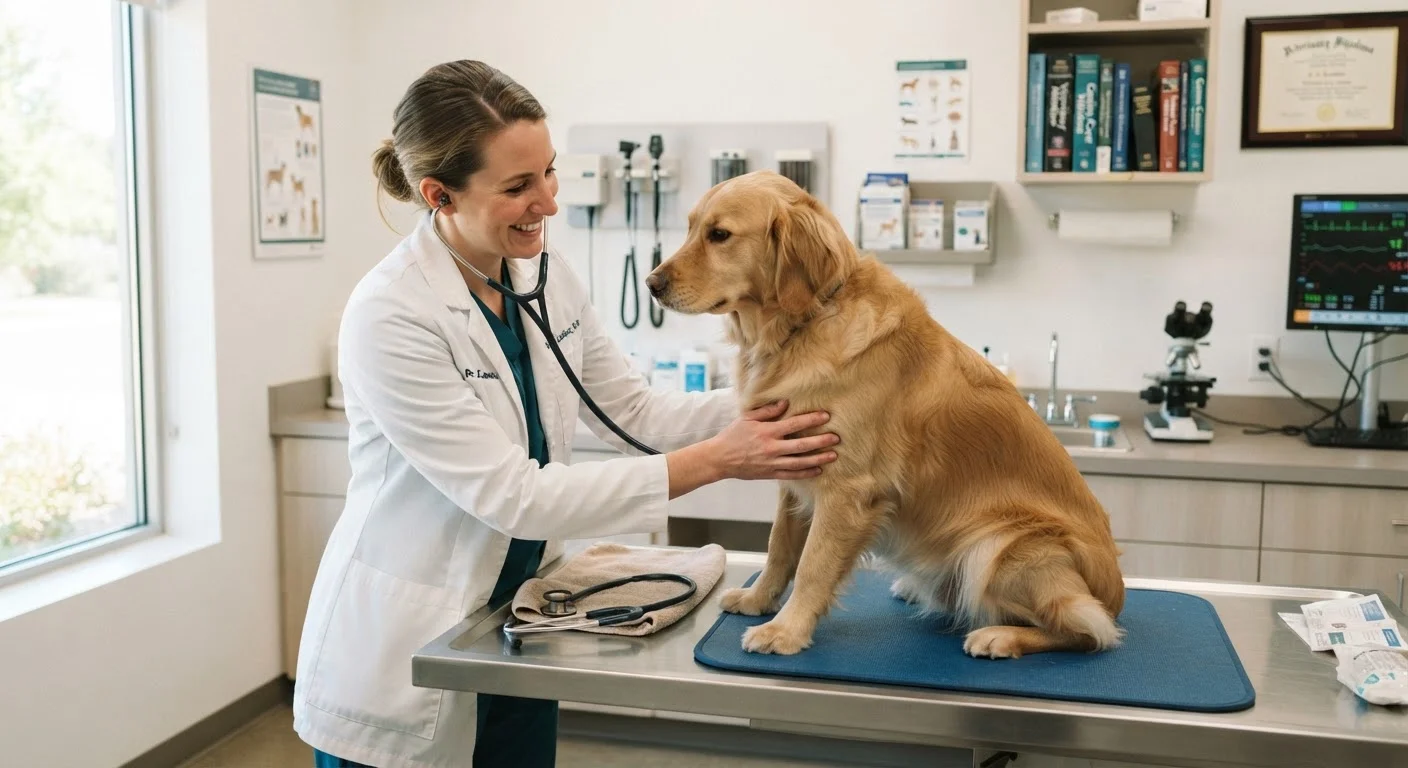
Even excellent at-home care leaves subgingival (below-the-gumline) areas unaddressed. Professional cleanings are the only way to remove calculus, probe for pocket disease, and take dental X-rays to detect root and bone involvement invisible to the naked eye.
Conduct monthly at-home oral inspections
Regular visual checks help owners catch early changes - discoloration, gum redness, or asymmetry - before they become serious. Because dental disease progresses quietly, this habit closes the gap between annual vet exams.
Use only VOHC-accepted adjunct dental products
The Veterinary Oral Health Council (VOHC) evaluates dental products for dogs and cats against defined efficacy standards. Using non-evaluated products may give owners a false sense of security without delivering meaningful plaque or tartar reduction.
Discuss diet's role in dental health with your veterinarian
Certain therapeutic dental diets are formulated with larger kibble sizes and specific fiber matrices designed to mechanically clean teeth during chewing. These are not universally appropriate - factors like age, weight, and existing health conditions all affect suitability.
What Good Dental Care Looks Like Day to Day
Consistency matters more than perfection. Even partial brushing on most days outperforms an occasional thorough session. The goal is to disrupt the plaque biofilm - the sticky bacterial layer that forms on tooth surfaces within 24 hours of a meal - before it mineralizes into tartar (also called calculus), which cannot be removed by brushing alone.
Beyond brushing, veterinarians may recommend adjunct tools - dental chews, water additives, or dental diets bearing the Veterinary Oral Health Council (VOHC) seal, which indicates the product has met independent efficacy standards. These are supplements to brushing, not substitutes for it. Always ask your vet which options are appropriate for your pet's size, age, and health status.
The Role of Professional Cleanings
No matter how diligent home care is, tartar accumulates in areas a toothbrush cannot reach - particularly below the gumline, where periodontal disease does its most significant damage. Professional dental cleanings performed under general anesthesia allow a veterinary team to scale and polish all tooth surfaces, probe the gum pockets for disease, take dental X-rays to evaluate tooth roots, and extract teeth that are no longer salvageable.
The anesthesia requirement concerns many pet owners, but it is essential for a thorough, safe, and stress-free cleaning. Anesthesia-free dental procedures cannot adequately address subgingival (below the gum) disease and are not endorsed by veterinary dental specialists. Your vet will perform a pre-anesthetic exam and bloodwork to assess risk, particularly for senior pets.
For guidance on what your vet evaluates during routine wellness exams - including oral health assessments - see what actually happens at annual vet visits.
80%
Dogs with periodontal disease by age 3
According to the American Veterinary Medical Association, most dogs show signs of periodontal disease by their third year of life.
70%
Cats affected by dental disease by age 3
Veterinary dental specialists report that periodontal disease is the most commonly diagnosed condition in feline patients at annual exams.
Recognizing Early Warning Signs
Pets rarely show obvious pain from dental disease, which is why it often progresses silently. Knowing what to look for allows for earlier intervention - and less invasive treatment. Common signs that warrant a veterinary dental evaluation include:
- Persistent bad breath - a sulfur-like odor that doesn't resolve is rarely just "dog breath"
- Yellow or brown buildup on teeth near the gumline
- Red, swollen, or bleeding gums when touched
- Dropping food or chewing on one side of the mouth
- Pawing at the face or resisting having the mouth touched
- Decreased appetite or reluctance to eat hard food
Because pets instinctively mask discomfort, oral pain can also appear as behavioral changes. Our guide on signs your pet may be in pain covers the broader behavioral and physical cues that signal something is wrong. If you notice any of the above signs, schedule a veterinary appointment rather than waiting for a routine visit.
This article is for general informational purposes only and does not constitute veterinary advice. Always consult a licensed veterinarian for diagnosis, treatment, or guidance specific to your pet's health.