Why a Pre-Trip Check Is Worth the Habit
Most drivers only notice something is wrong once they're already on the road - a tire that feels soft, a headlight that burned out last week, a windshield washer that sprays nothing. By then, the problem is your problem in motion. A quick, structured check before you leave the driveway costs you a few minutes and can save you a breakdown, an accident, or a traffic citation.
This isn't just advice for new drivers. Experienced drivers develop blind spots of their own, getting so familiar with a vehicle that small changes go unnoticed. If you're just starting out, see our guide for new drivers for broader safety habits to build alongside this one.
The checklist below is organized by where you are during the check - outside the vehicle first, then inside before you start the engine. Use it as a mental walkthrough until the routine becomes second nature.
Outside the Vehicle
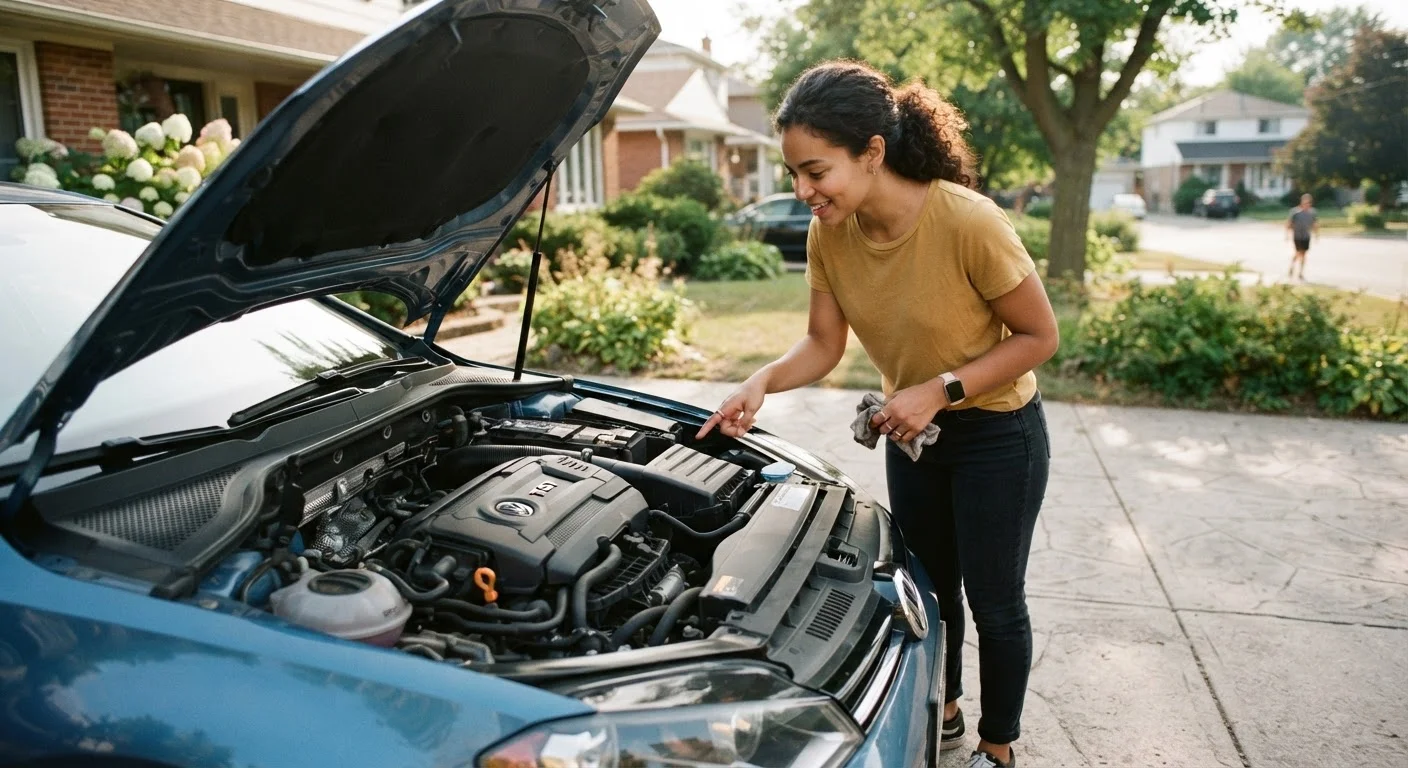
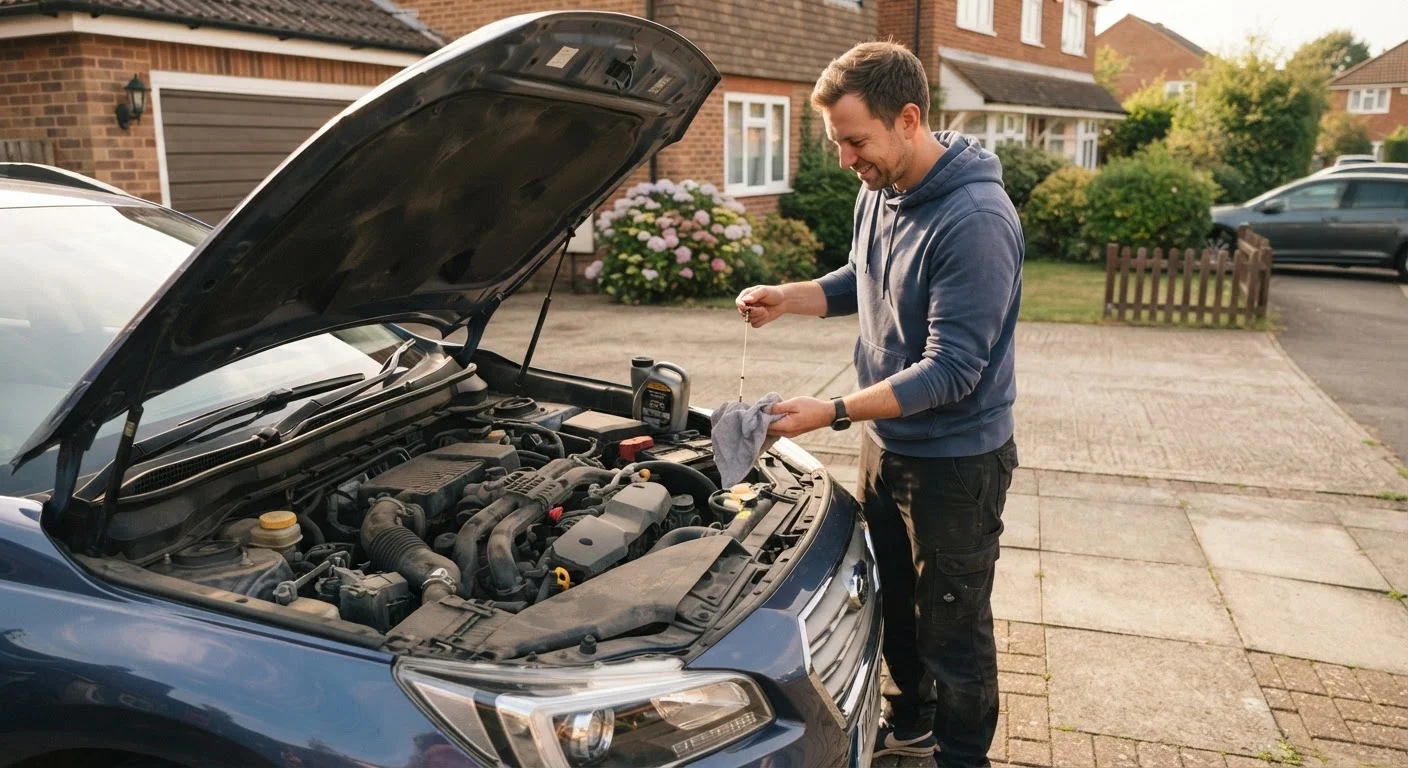
Under the Hood
Inside Before Starting
Situational Checks
Tools and What You'll Need Nearby
You don't need a toolbox to do a pre-trip check. Most items on this list are visual inspections or simple feel-tests. That said, a few basic tools kept in or near the vehicle make the process more useful.
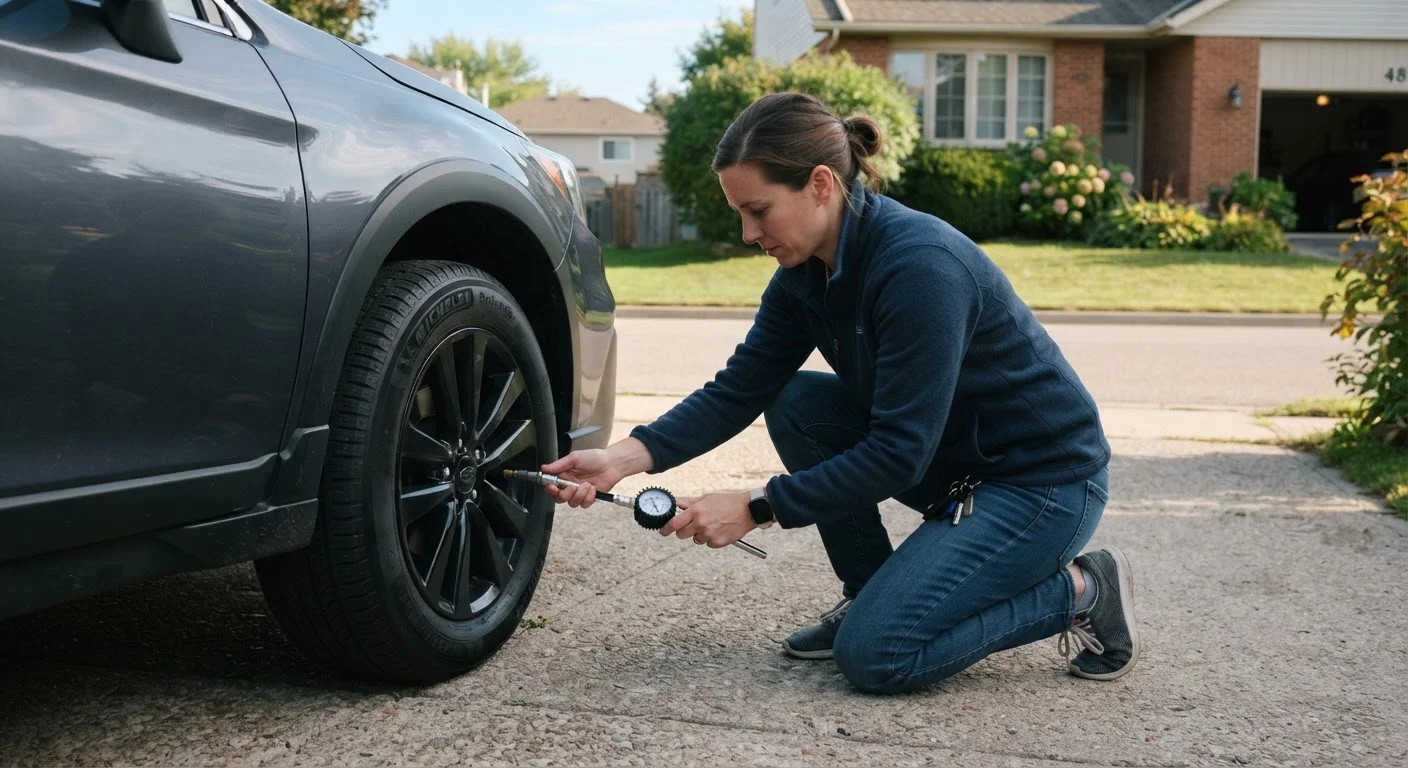
Tire pressure gauge
Accurately reads PSI so you know whether a tire is properly inflated - a visual check alone is not reliable.
Owner's manual
Lists the correct tire pressure, fluid types, and inspection intervals specific to your vehicle.
Flashlight or phone light
Useful for checking under the hood, under the vehicle, or testing brake lights alone without a helper.
Windshield washer fluid
Keep a spare jug in the trunk so you can top off the reservoir during the check without a separate store trip.
For a full list of what to keep inside the car itself, see our glove box essentials checklist. Documents like your registration and proof of insurance are part of being road-ready too.
Reading the Results: When to Drive, When to Wait
Not everything you find requires pulling back into the garage. A slightly dusty windshield is different from a cracked one. A warning light that flickers once and disappears is different from one that stays solid. Use judgment - but err on the side of caution when safety systems are involved.
Some Warning Lights Mean Stop Now
Oil pressure and engine temperature warnings are not the kind you drive through to see if they go away. Continuing to drive with either of these lights active can cause serious and expensive engine damage within minutes. Pull over safely, turn off the engine, and call for assistance rather than risk it.
Tires deserve particular attention. An underinflated tire doesn't always look flat; it can appear close to normal while running significantly below the recommended pressure listed in your owner's manual or on the sticker inside the driver's door jamb. If you want to understand what routine tire services actually involve, tire rotation, balancing, and alignment explained is a useful companion read.
If your check engine light is on, don't assume it can wait. Our article on what the check engine light is actually telling you walks through how to assess urgency. Brakes are another area where early detection matters - keeping tabs on brake wear explains what warning signs to listen and feel for.
For anything beyond your comfort level, a qualified mechanic is the right call. See our DIY vs. shop guide for a clear-eyed breakdown of where the line sits between tasks you can handle and ones that carry real risk.