Why This Decision Matters More Than People Think
Most drivers fall into one of two camps: those who won't touch anything under the hood, and those who tackle everything themselves regardless of complexity. Neither extreme serves you well. The real goal is knowing where the sensible line sits - and that line is drawn by safety risk, not mechanical confidence alone.
Getting routine maintenance right is one of the most cost-effective things a driver can do. But a shortcut on the wrong job - say, improperly seated brake pads - doesn't just cost money to fix. It can cause an accident. This guide breaks down which tasks most drivers can reasonably handle and which ones belong in a professional's hands.
Tasks Most Drivers Can Realistically Handle
These jobs share a common profile: they require minimal tools, carry a low risk of serious harm if done imperfectly, and are well-documented in most owner's manuals.
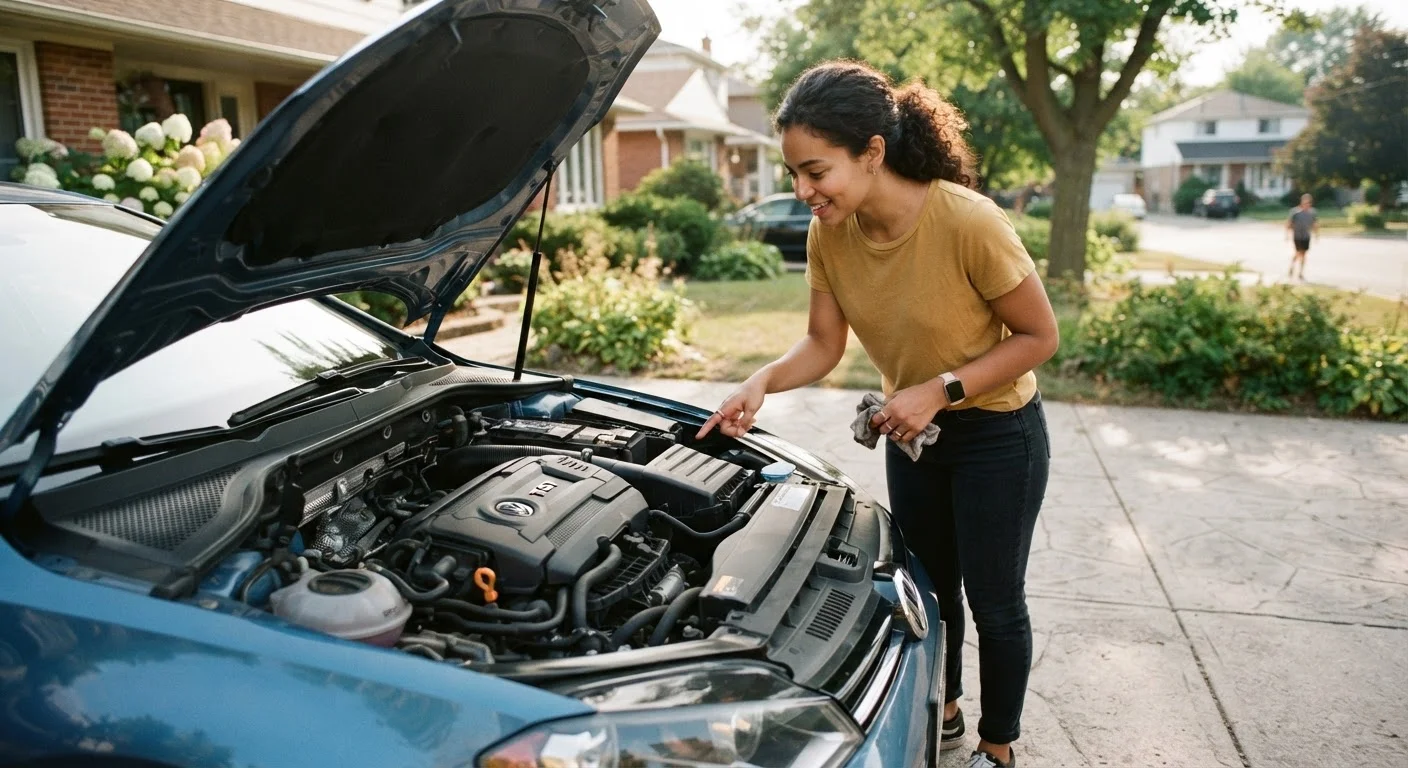
- Fluid top-offs and level checks: Checking and topping off windshield washer fluid, coolant (when the engine is cold), and power steering fluid is straightforward. Our guide to reading fluid levels walks through what each reservoir does and what to look for.
- Engine air filter replacement: On most vehicles, the air filter sits in a plastic housing secured by clips or a few screws. Replacing it takes minutes and requires no special tools.
- Wiper blade replacement: Blade replacement is covered in virtually every owner's manual and takes about five minutes per blade.
- Cabin air filter: Usually located behind the glove box or under the dashboard. Many vehicles allow access without tools at all.
- Battery terminal cleaning: Corrosion on battery terminals is common and can be cleaned with a wire brush and basic protective gear. Disconnecting a battery does carry some risk - check your manual for any reset procedures your vehicle may need.
Start With Your Owner's Manual
Before attempting any maintenance task, check what your manufacturer specifies - not just the interval, but the procedure and any special requirements for your vehicle. Generic advice doesn't always apply to your specific make and model. The manual is free, accurate, and already in your glove box.
For drivers who are new to owning a car, our article on building maintenance habits is a good starting point before attempting any DIY work.
Tasks That Belong in a Professional Shop
These jobs either require specialized tools, involve safety-critical systems, or carry a risk of hidden damage if done incorrectly.
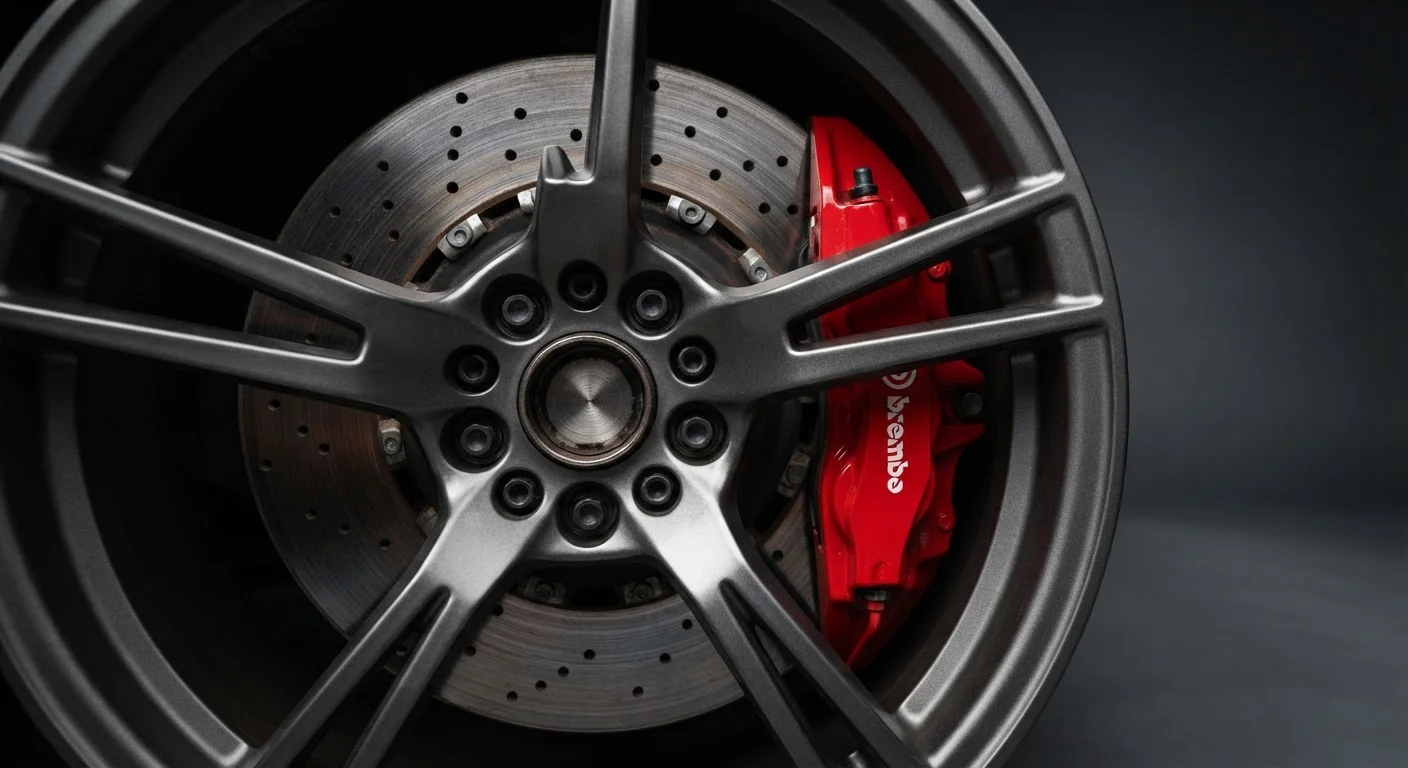
- Brake service: Replacing pads, rotors, or calipers involves hydraulic lines and components that must be seated precisely. An error here can lead to brake fade or failure. See our overview of brake wear and inspection to understand what a professional is actually evaluating.
- Suspension and steering components: Ball joints, tie rods, and control arms affect how your vehicle handles and stops. Misinstallation can make a car dangerously unpredictable.
- Timing belt or timing chain service: This is a precision job. If the belt is installed incorrectly - even slightly off - it can destroy an engine.
- Fuel system work: Fuel lines, injectors, and the fuel pump involve flammable materials and pressurized systems. This is not a safe DIY territory for most drivers.
- Wheel alignment: Alignment requires calibrated equipment. Alignment, balancing, and rotation are often confused - only alignment truly demands shop equipment.
Don't Let Confidence Outpace Experience
Watching a video tutorial is not the same as hands-on training. On safety-critical systems - brakes, steering, suspension - an error may not show up immediately but can fail under stress at highway speeds. If you're not confident in the procedure from start to finish, get a professional involved.
The Hidden Costs of DIY
DIY isn't automatically cheaper. Factor in the cost of tools you may only use once, the proper disposal of used oil or filters (which has environmental and sometimes legal requirements), and the time to learn a procedure correctly. A single mistake on a job you weren't ready for can produce a more expensive repair than the original service would have cost.
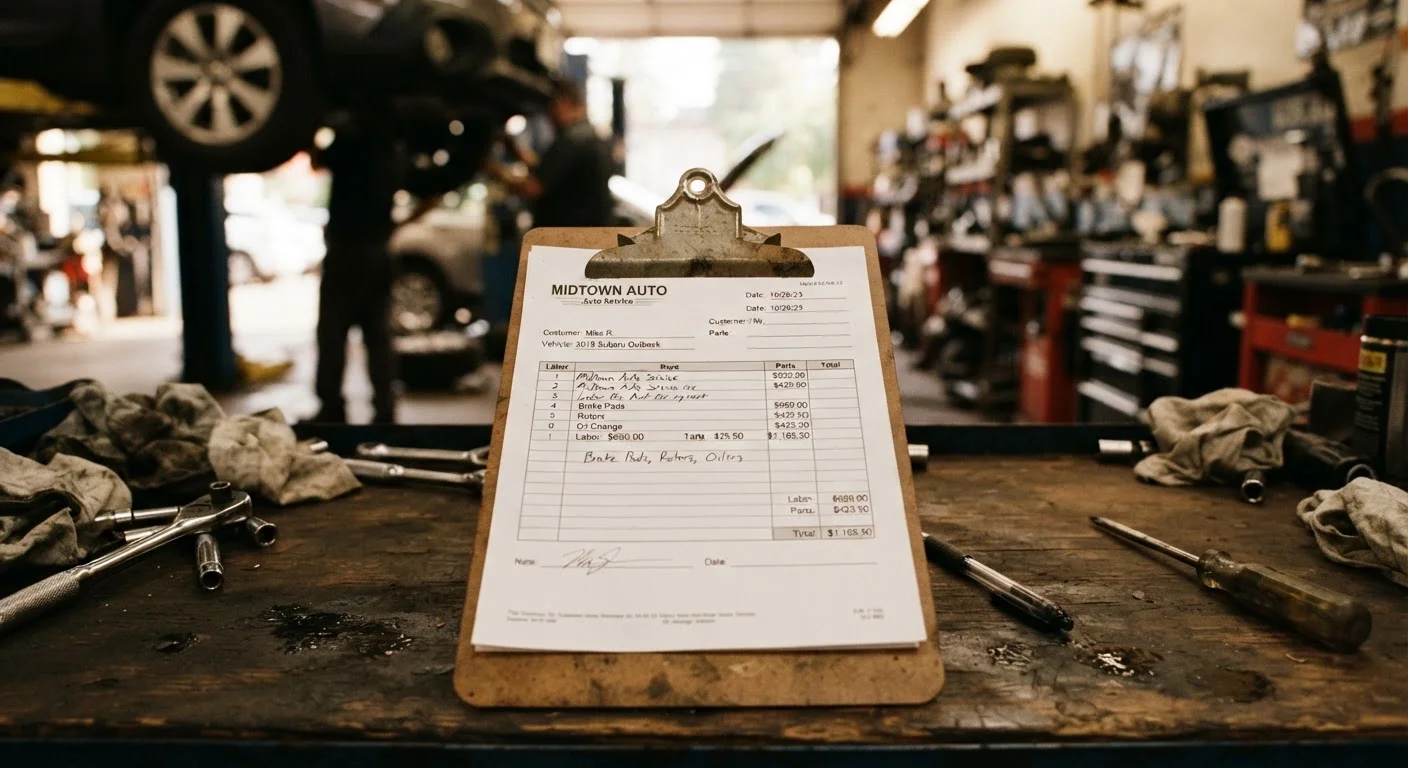
When comparing options, it also helps to understand what you're paying for at a shop. Our guide to reading a mechanic's estimate can help you evaluate whether a quote is reasonable before you authorize work.
| DIY | Professional Shop | |
|---|---|---|
| Typical cost | Parts cost only (plus tools) | Parts + labor markup |
| Time investment | Varies; includes learning curve | Drop-off and wait or pickup |
| Safety risk (if done wrong) | Low on simple tasks; high on complex ones | Accountable professional standard |
| Equipment required | Basic tools for routine tasks | Specialized tools available on-site |
| Best for | Filters, fluids, wipers, visual checks | Brakes, alignment, fuel, suspension |
| Warranty considerations | DIY may affect some warranties | Work often comes with a service warranty |
When You're on the Fence
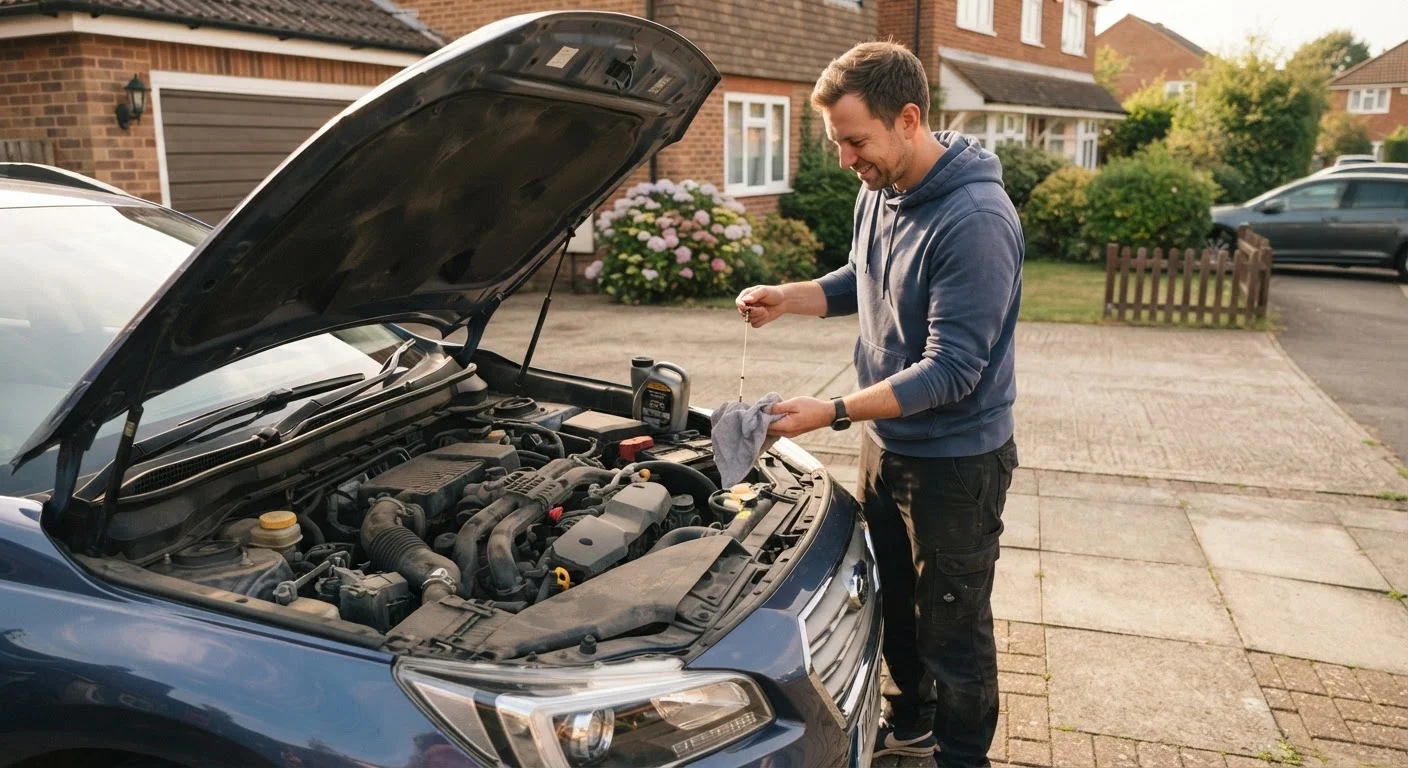
Some jobs sit in a gray zone - oil changes, spark plug replacement, and coolant flushes, for example. These are technically doable at home, but they're also where most DIY mistakes happen among less experienced drivers. A reasonable approach: try simpler tasks first, build confidence, and be honest about your tools and workspace. A driveway in winter is not the same as a heated garage with a lift.
If you're unsure whether your vehicle is in good overall shape before tackling any DIY work, a dealer or independent shop inspection is a reasonable baseline. A seasonal maintenance schedule can also help you plan which tasks to address and when.