Why Routine Maintenance Matters More Than You Think
Most cars don't break down out of nowhere. They break down because small problems - a worn belt, low oil, underinflated tires - went unnoticed until they became big ones. For new drivers, the good news is that the habits that prevent the majority of breakdowns aren't complicated. They just need to become routine.
Owning a car carries real responsibilities beyond registration and insurance. Understanding what your vehicle needs - and when - is a core part of responsible car ownership. New owners who skip this often end up paying significantly more in repairs down the road than the maintenance ever would have cost. It's also worth knowing that first-year car owners frequently make predictable mistakes, many of which involve neglecting the basics covered here.
Owner's manual
The booklet that comes with your vehicle from the manufacturer. It contains your car's exact maintenance schedule, fluid specifications, and warning light explanations - keep it in the glove box.
Tire pressure (PSI)
PSI stands for pounds per square inch, the unit used to measure how much air is in your tires. The correct PSI for your car is listed on a sticker inside the driver's door jamb.
Dipstick
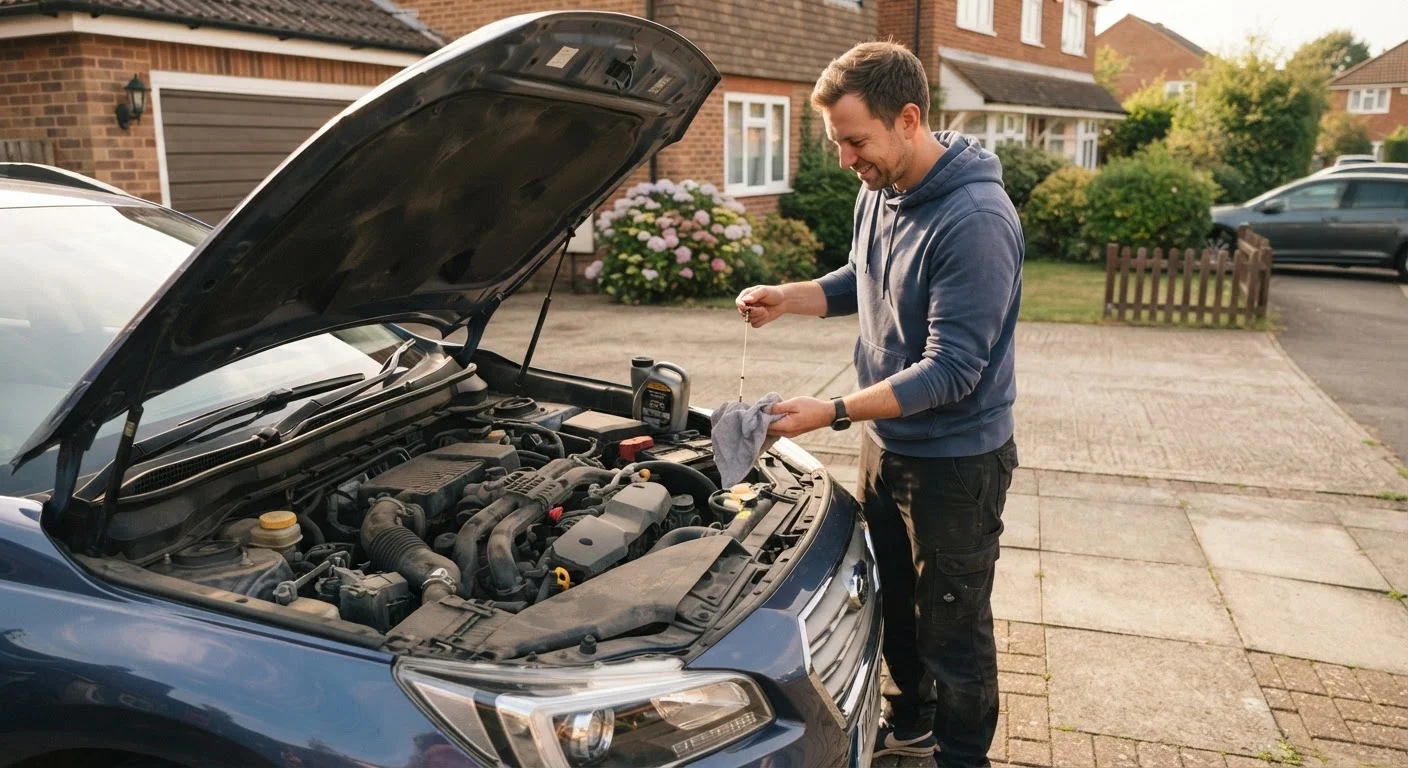
A long, thin rod you pull out from the engine to check the oil level. Most are brightly colored for easy identification under the hood.
Coolant (antifreeze)
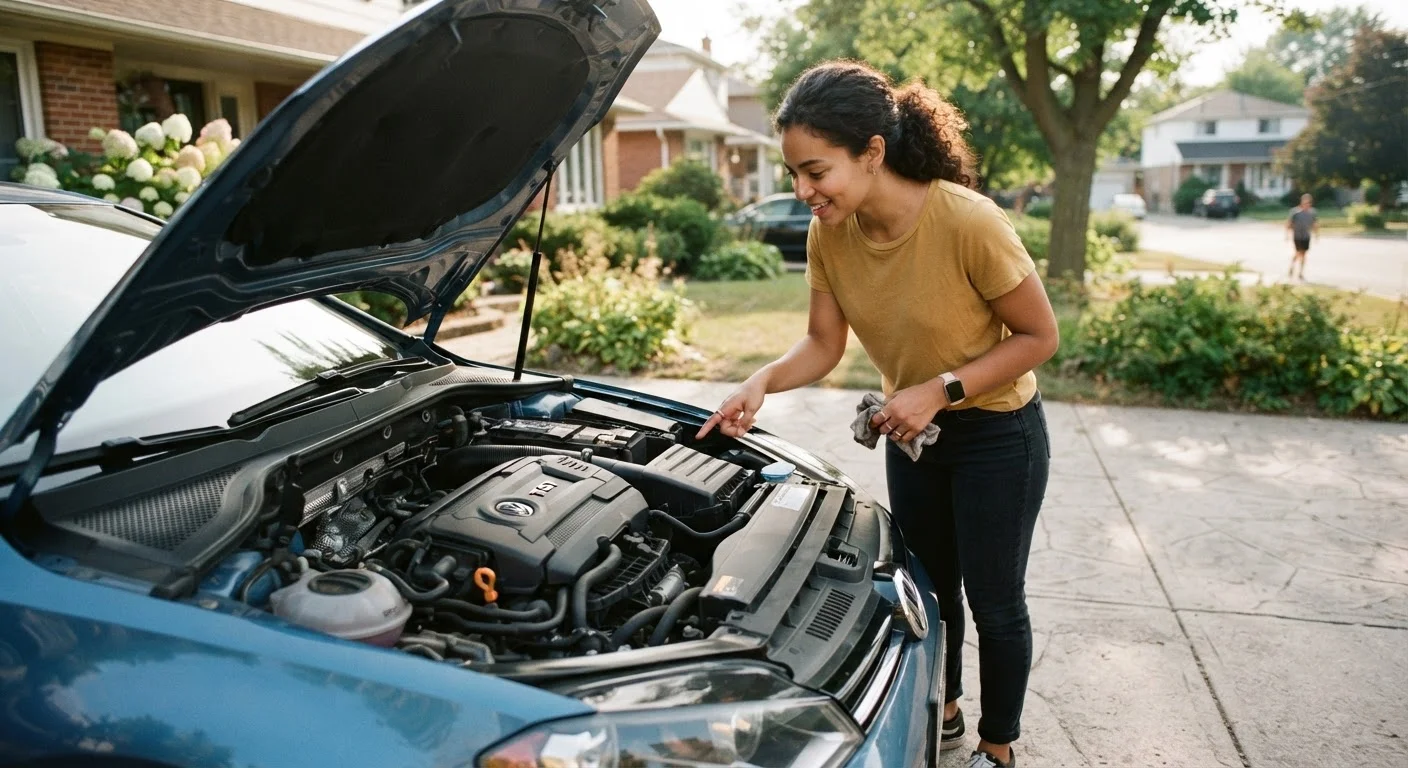
A liquid that circulates through the engine to regulate its temperature. Low coolant can cause the engine to overheat, which leads to serious and expensive damage.
Catalytic converter
An emissions control component in the exhaust system that converts harmful gases into less harmful ones. It can be damaged by engine misfires if left unaddressed.
Tire rotation
Moving tires from one position on the car to another (front to back, for example) on a regular schedule. This helps them wear evenly and last longer.
The Checks You Can Do Yourself in Minutes
You don't need mechanical experience to keep tabs on your car's health. These are the checks every driver should be doing regularly - no tools required for most of them.
- Tire pressure: Check monthly and before long trips. The correct pressure for your tires is listed on a sticker inside your driver's door jamb - not on the tire sidewall. Use an inexpensive gauge or a service station air pump with a built-in gauge.
- Engine oil: Pull out the dipstick (usually a brightly colored handle near the engine), wipe it clean, reinsert it fully, then pull it again. The oil level should fall between the two marks. If it's low or the oil looks very dark and gritty, it's time for a change.
- Coolant level: Check the overflow reservoir (a translucent plastic tank) when the engine is cold. There's a min/max line on the side - it should sit between them.
- Windshield washer fluid: Low visibility is a safety issue. Keep this topped off, especially heading into winter.
- Wiper blades: If they're streaking or skipping, they need replacing. This is one task most drivers can handle themselves.
Making these checks part of a monthly five-minute habit catches the majority of small problems before they escalate.
Set a Monthly Reminder
Pick one day each month - the first of the month works well - and spend five minutes running through your basic checks: tire pressure, oil level, coolant, and a quick look at your wiper blades. Consistency matters far more than thoroughness on any single occasion. Catching a slow tire leak or low oil level early costs almost nothing to fix.
Understanding Your Maintenance Schedule
Every car comes with a manufacturer-recommended maintenance schedule, and it lives in your owner's manual. This document - not advice from a service counter, not a generic online chart - is the most accurate reference for your specific vehicle.
Key intervals to be aware of typically include:
- Oil and filter changes - varies by vehicle and oil type; check your manual
- Tire rotation - generally every 5,000 to 7,500 miles to promote even wear
- Cabin and engine air filters - usually every 15,000 to 30,000 miles depending on driving conditions
- Brake inspection - at least once a year, or sooner if you notice changes in braking performance
- Spark plugs, belts, and coolant flush - longer intervals, typically 30,000 miles or more, but critical to stay current on
Because maintenance needs shift with the seasons, a seasonal maintenance schedule can help you layer in weather-specific tasks on top of your mileage-based intervals.
Warning Signs You Should Never Ignore
Your car communicates through lights, sounds, and sensations. Learning to read those signals early is one of the most valuable skills a new driver can develop.
- Check engine light (steady): Get it diagnosed within a few days. Could be minor, could be serious - you won't know without a scan.
- Check engine light (flashing): Pull over safely and stop driving. A flashing light often indicates a misfire that can damage the catalytic converter.
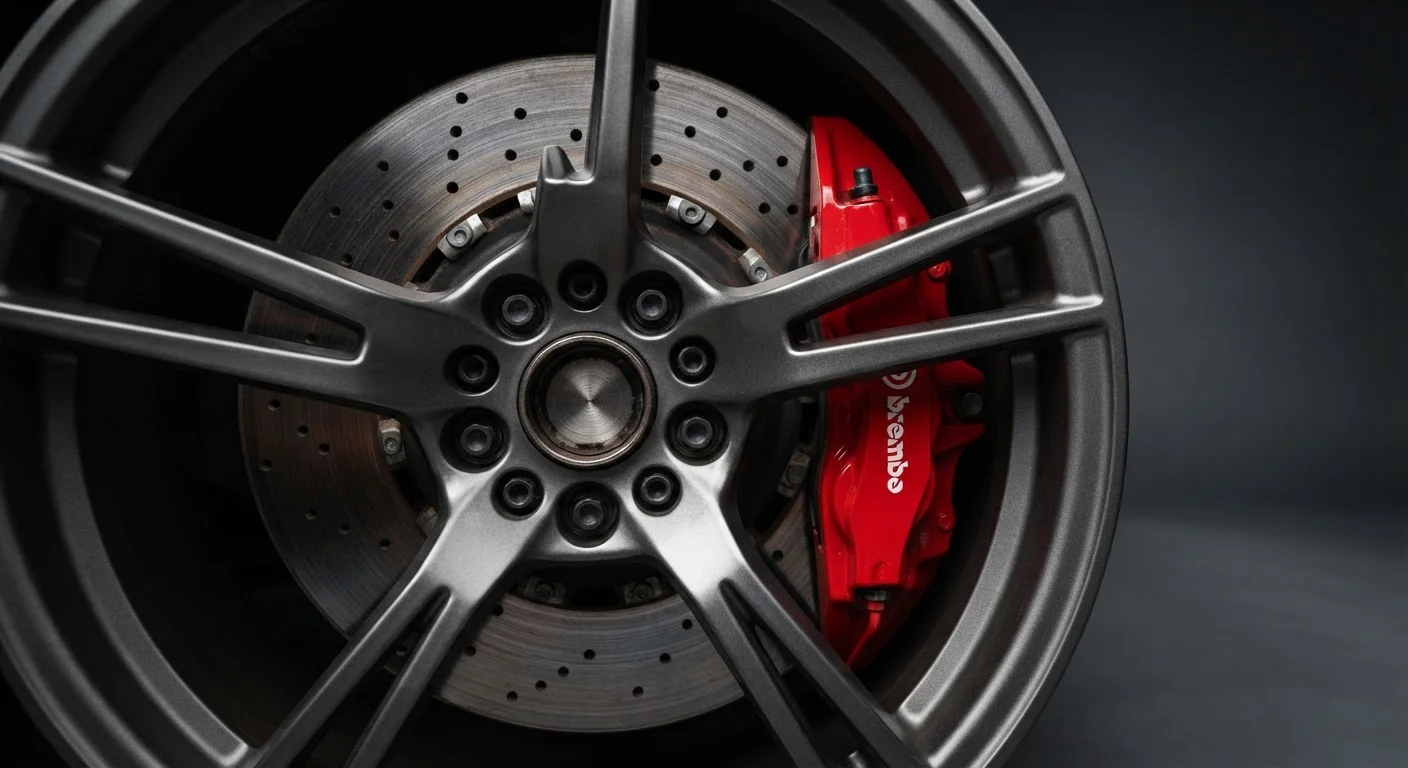
- Grinding or squealing when braking: This usually means worn brake pads or, if ignored long enough, damaged rotors. Have brakes inspected promptly.
- Pulling to one side: Could indicate low tire pressure, misalignment, or a brake issue. Don't assume it will correct itself.
- Overheating gauge spiking: Pull over, turn off the engine, and do not open the radiator cap. Overheating can cause severe engine damage quickly.
- Vibration in the steering wheel: Often a sign of a tire or wheel issue - imbalance, low pressure, or alignment problem.
For context on what deferred attention to these signals can cost, see our article on spotting signs of poor maintenance.
Building a Maintenance Mindset From Day One
The drivers who rarely deal with unexpected breakdowns aren't necessarily the most mechanically gifted - they're the most consistent. A few habits, started early, make a meaningful difference over the life of a vehicle.
Keep a simple log of every service your car receives, even if it's just a notes app on your phone. Record the date, mileage, and what was done. This makes it easy to track when things are due, and it's valuable documentation if you ever sell the car.
Know what's in your glove box. Keeping key documents and emergency information on hand makes a stressful roadside situation a lot more manageable.
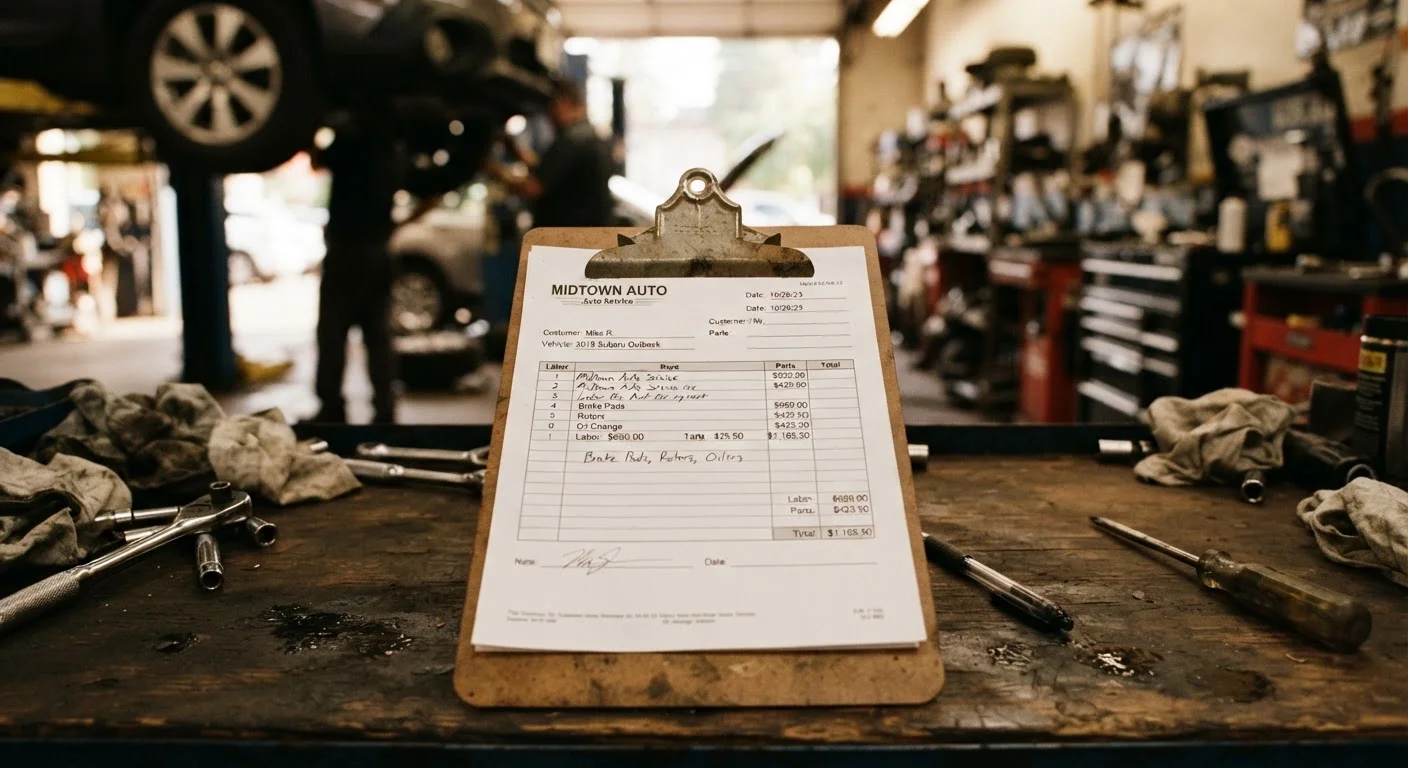
And when you're ready to get into the question of what you can reasonably handle yourself versus when to bring a professional in, our guide on DIY vs. shop decisions lays out a clear-eyed framework. The goal isn't to become your own mechanic - it's to understand your vehicle well enough to advocate for it and catch problems early.
Good maintenance habits built in your first year of driving tend to stick. Start simple, stay consistent, and let your owner's manual do the heavy lifting on the specifics.