What 'High Mileage' Actually Means Today
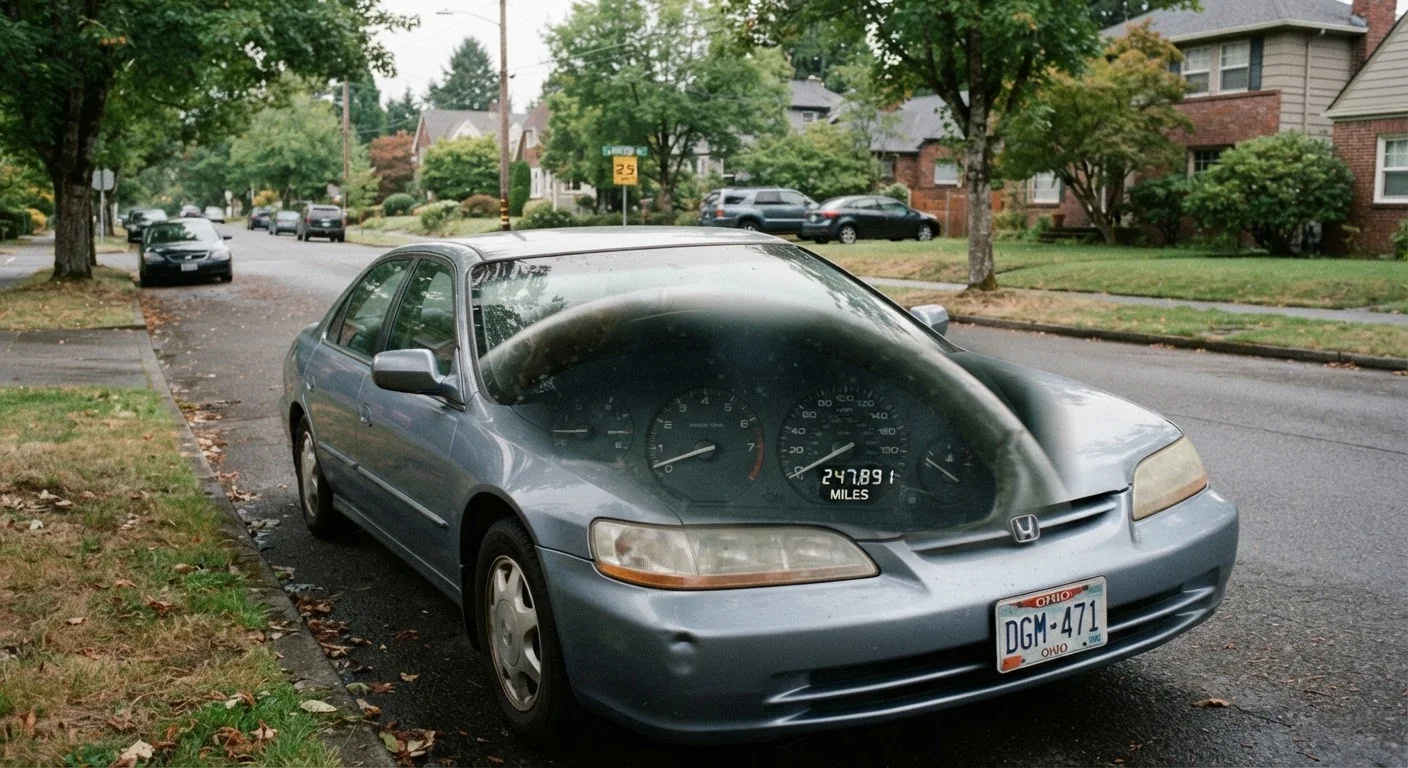
There's no universal cutoff, but vehicles with more than 100,000 miles on the odometer are broadly considered high-mileage. A decade ago, hitting six figures felt like a milestone worth worrying about. Today, improved engine materials, synthetic lubricants, and tighter manufacturing tolerances mean many vehicles are still running reliably at 150,000 or even 200,000 miles - provided they've been maintained properly.
That context matters, because mileage alone doesn't tell you how much life a vehicle has left. A 120,000-mile car that received oil changes on schedule and avoided serious accidents can be in far better shape than an 80,000-mile car that was neglected. Service history, make, model, and how the miles were accumulated (highway versus city stop-and-go) all factor in.
Highway Miles vs. City Miles
Not all miles are equal. Highway miles are generally easier on an engine than city miles, which involve frequent braking, idling, and stop-and-go acceleration. A vehicle driven mostly on open roads may have significantly less wear than its odometer reading suggests. Ask about driving history - not just mileage - before purchasing.
The Real Advantages of Going High-Mileage
The most obvious upside is price. High-mileage vehicles sell for considerably less than low-mileage equivalents of the same year and model - and since most of the steep early depreciation has already occurred, you're not absorbing that hit yourself. For more on how that math works, see how depreciation hits hardest early.
Significantly lower purchase price from the start
High-mileage vehicles are priced to reflect their age and use, which means buyers spend less upfront and take on less financial risk if the vehicle is later totaled or needs major work.
Most steep depreciation has already occurred
New vehicles can lose a significant portion of their value in the first few years. A high-mileage car's value has largely stabilized, so you're not absorbing that early loss yourself.
Lower insurance and registration costs
Premiums for comprehensive and collision coverage are generally lower for older, lower-value vehicles, and state registration fees in many areas are tied to vehicle age or assessed value.
Proven reliability record often available
A vehicle that's already accumulated high miles has a real-world track record. Consistent service history and known ownership can tell you more than a new car's warranty projections.
Lower sticker price usually translates to lower comprehensive and collision insurance premiums, and in most states, registration fees are tied to vehicle value or age, so those drop too. If you're comparing the full picture of what a car costs year over year, check out the true annual cost of owning a car.
The Real Disadvantages You Should Expect
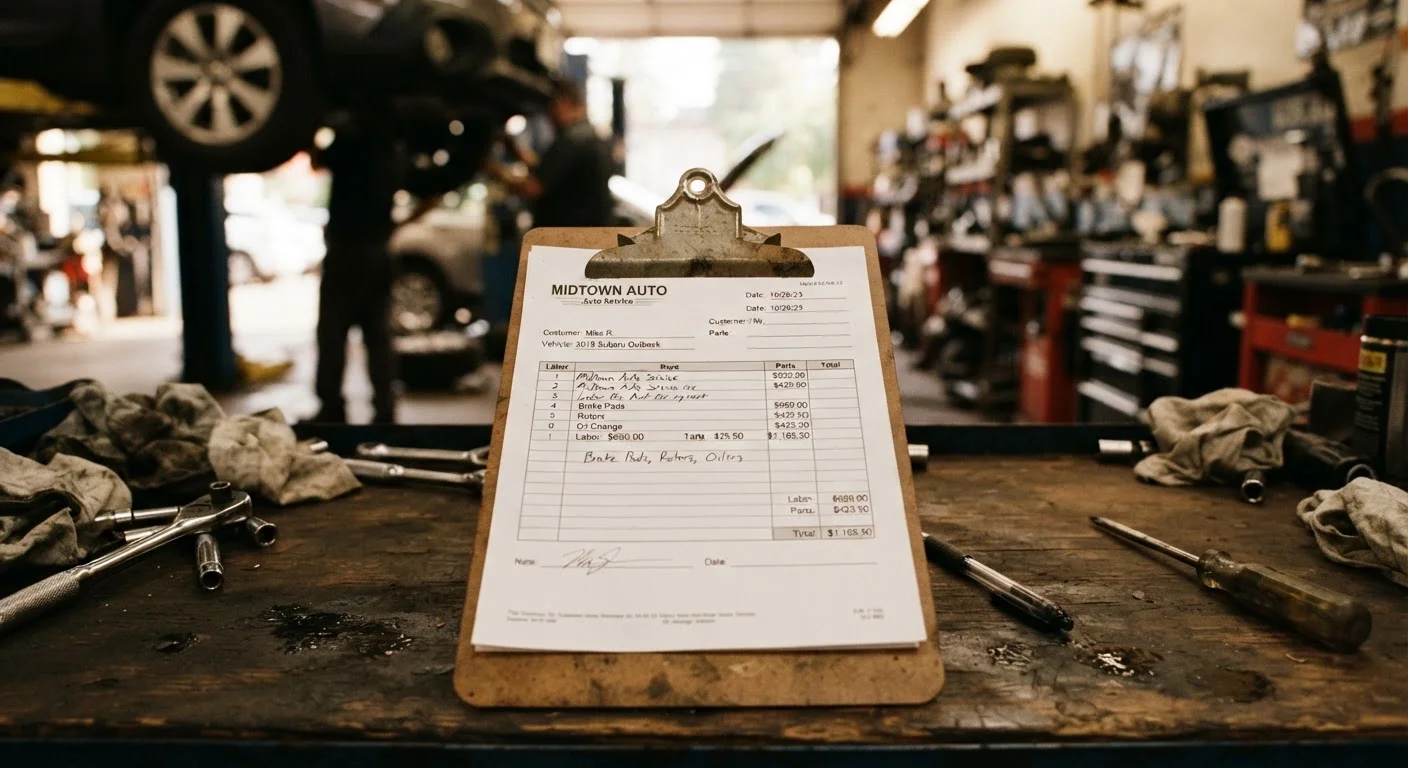
The trade-off for a lower purchase price is straightforward: older vehicles with more miles are simply more likely to need repairs. Rubber seals, belts, hoses, and sensors all degrade over time and use - and replacing them isn't always cheap. The key risk isn't routine maintenance; it's the unpredictable larger repairs that can arrive without much warning.
Higher likelihood of repair needs over time
Aging components - belts, hoses, gaskets, sensors - wear out and need replacement. While many repairs are predictable, some arrive unexpectedly and carry significant costs.
Harder to finance; lenders may decline
Many lenders set mileage limits on auto loans, which can force buyers to pay cash upfront, reducing the financial cushion available for future repairs.
Less fuel efficiency as engines age
Engine wear, degraded oxygen sensors, and clogged fuel injectors can reduce fuel economy over time, gradually increasing the cost of daily driving.
Limited or no warranty coverage remaining
Most manufacturer warranties have long expired by the time a vehicle reaches high mileage, leaving the owner fully responsible for repair costs with no safety net.
Financing can also be harder to arrange for high-mileage vehicles, and some lenders decline them entirely. That means more buyers pay cash, which ties up savings that might otherwise serve as a repair cushion. Fuel economy can also decline as engines age, particularly if maintenance has been uneven. Understanding the broader trade-offs between leasing and owning can help you decide which path fits your situation.
How to Protect Yourself as a High-Mileage Owner
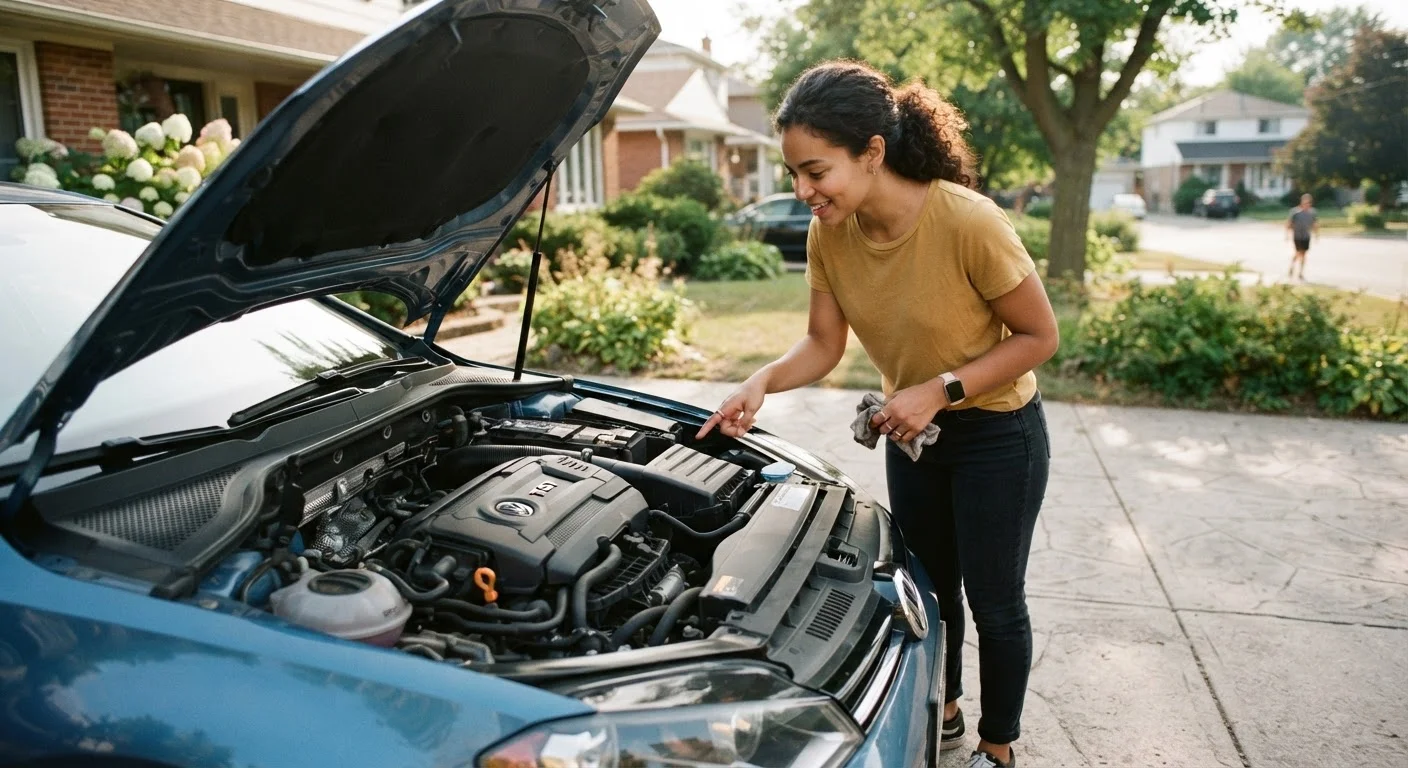
Ownership of a high-mileage vehicle is manageable - but it rewards preparation. The single most important step before purchasing is a pre-purchase inspection by an independent mechanic you trust, not one affiliated with the seller. A thorough inspection can reveal oil leaks, worn suspension components, transmission issues, and other problems that don't show up on a vehicle history report.
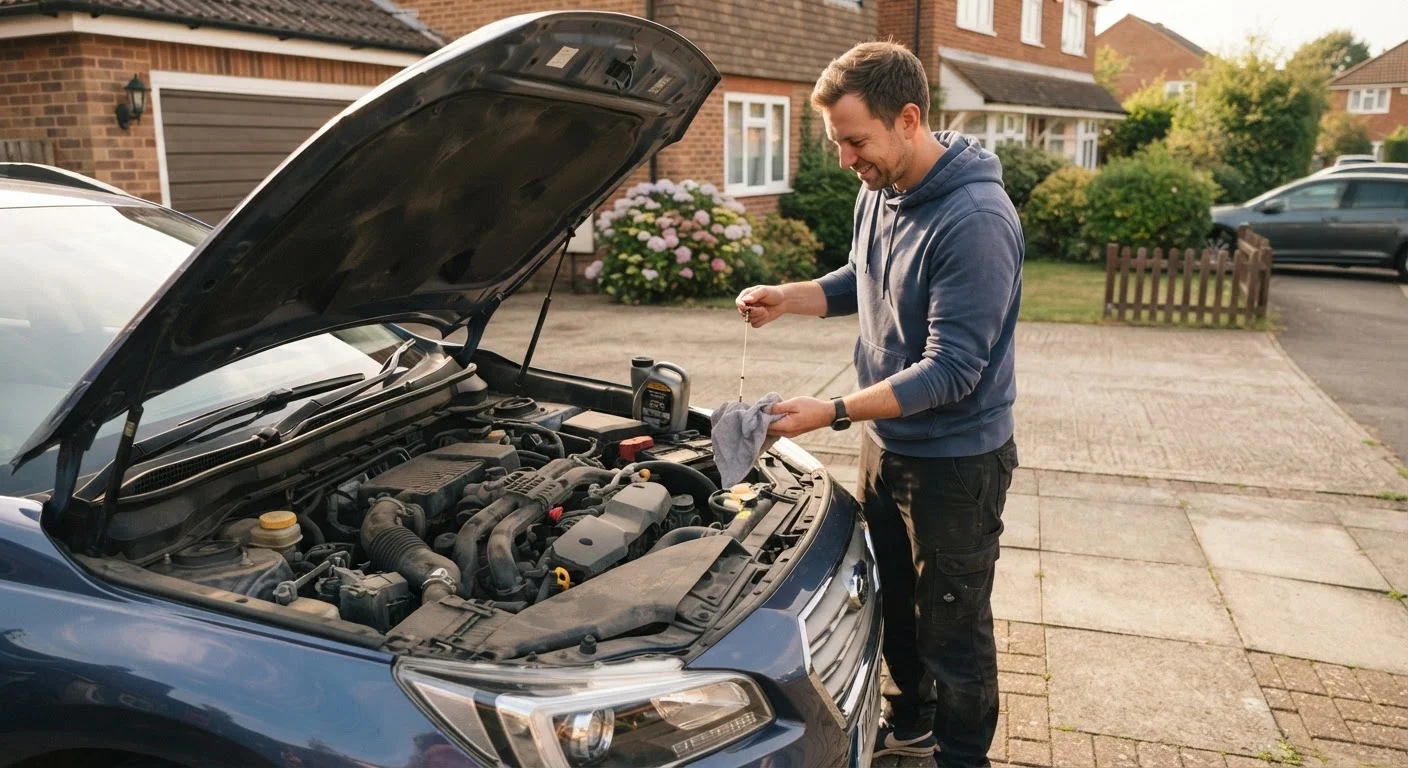
Once you own the vehicle, the maintenance mindset shifts. High-mileage cars often need more frequent fluid checks, and some manufacturer service intervals that made sense at 30,000 miles should be shortened after 100,000. Our guide to keeping a car running well past 150,000 miles covers how to adapt your routine as the odometer climbs. Setting aside a dedicated repair fund - even a modest monthly amount - takes much of the financial stress out of unexpected bills. For general car maintenance guidance, building consistent habits is the most reliable way to extend any vehicle's useful life.
200,000+
Miles many modern vehicles can reach
Consumer and industry data consistently show that well-maintained vehicles from several major manufacturers regularly exceed 200,000 miles before major drivetrain failure.
~15%
Average annual depreciation on newer vehicles
Industry estimates suggest new vehicles lose roughly 15-20% of their value per year in the first few years, a hit that high-mileage buyers largely avoid.