The Core Difference: Access vs. Ownership
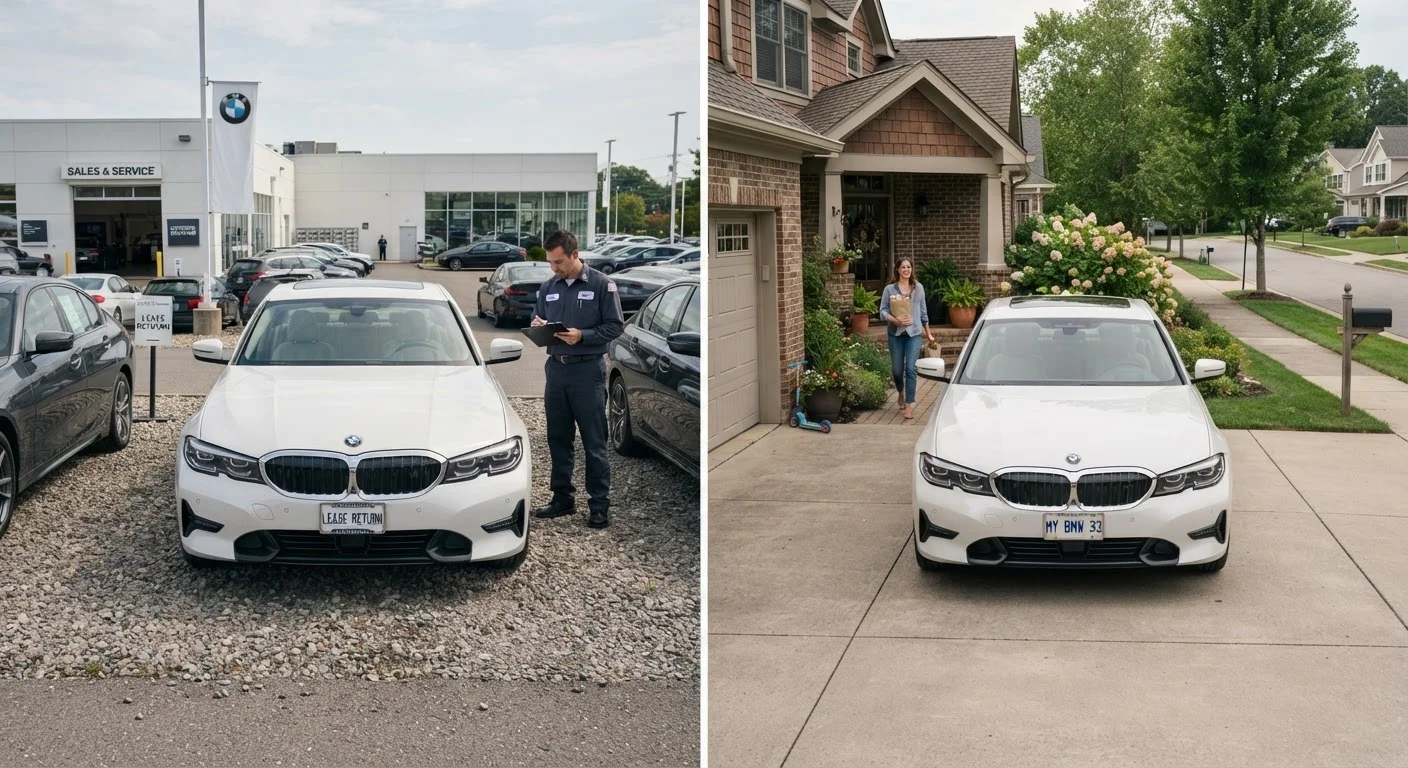
When you lease a vehicle, you're essentially paying for the right to use it for a set period - usually 24 to 39 months - and then returning it. When you buy, you're purchasing the vehicle outright (or through financing) and building equity with every payment. That distinction shapes everything downstream: your monthly costs, your flexibility, and your long-term financial picture.
Leases are structured around depreciation. You pay for the portion of the vehicle's value that you use during the lease term, not the whole car. That's why lease payments are often lower than loan payments on the same vehicle. Ownership, by contrast, means you're covering the full purchase price over time - but at the end, you hold an asset.
For a parallel look at how this rent-vs.-own logic plays out in another major financial decision, see our breakdown of renting vs. buying a home.
| Leasing | Owning | |
|---|---|---|
| Monthly payment | Generally lower | Generally higher |
| Equity built | None | Yes, over time |
| Mileage limits | Yes, with overage fees | No limits |
| Vehicle modifications | Not permitted | Allowed |
| End-of-term cost | Return or re-lease | Own outright or sell |
| Early exit penalties | Significant | Sell or trade anytime |
| Long-term cost (7+ years) | Higher (continuous payments) | Lower (payment-free period) |
Where Leasing Can Catch You Off Guard
The sticker appeal of leasing - lower payments, always driving something new - can obscure some real costs. Mileage caps are the most common surprise. Most leases limit you to 10,000-15,000 miles per year, and exceeding that triggers per-mile overage fees that add up quickly. If you commute long distances or take regular road trips, those fees can erase the monthly payment savings.
Wear-and-tear standards are another area where lessees get caught. Minor scuffs and interior wear that seem normal to you may fall outside the dealer's definition of acceptable condition at turn-in, resulting in charges. And if your circumstances change - job loss, relocation, growing family - breaking a lease early carries significant penalties.
Read Your Lease Terms Before Signing
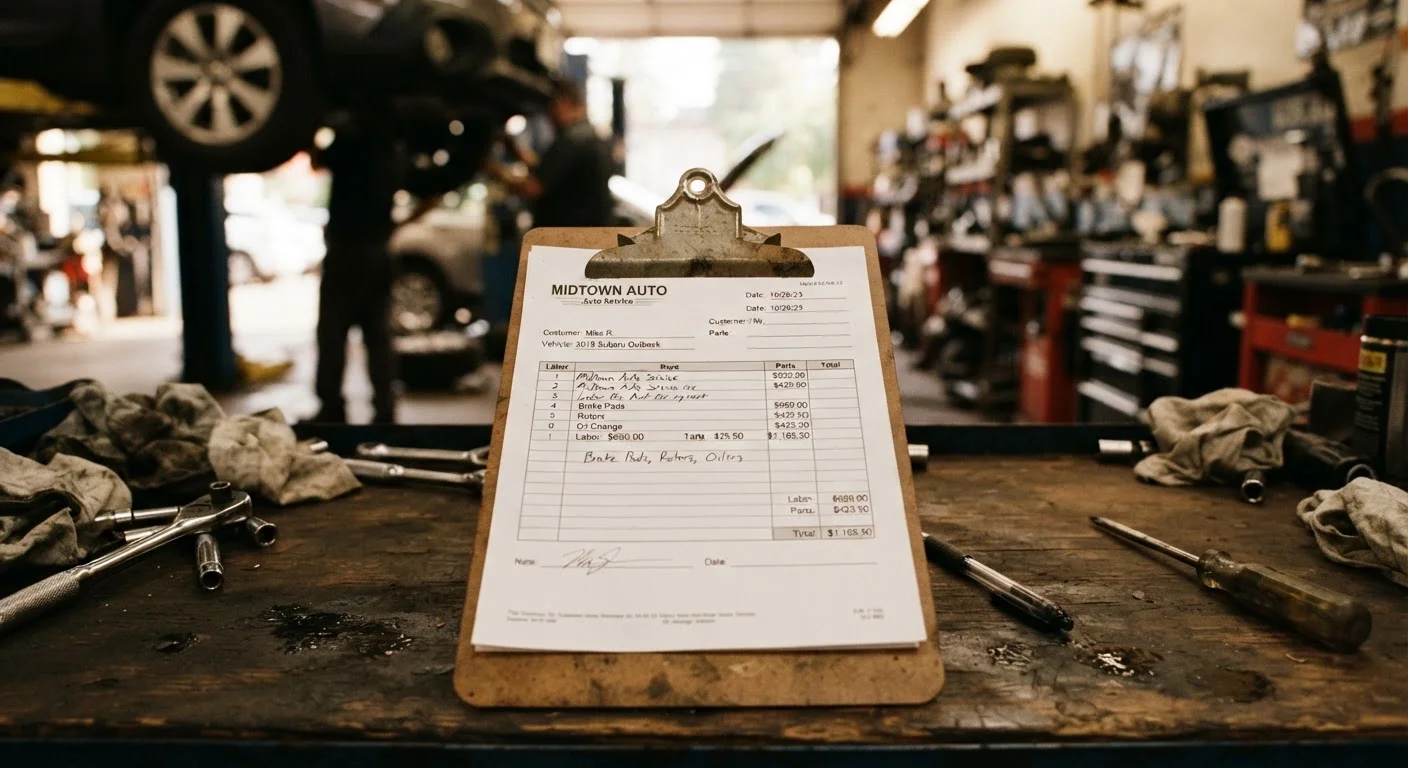
Mileage overage fees, wear-and-tear definitions, and early termination penalties vary significantly between lenders and manufacturers. Always ask for a full breakdown of potential end-of-lease costs before committing. What looks affordable month to month can become costly at turn-in if you're not prepared.
Drivers considering a high-mileage vehicle purchase after a lease should weigh the full picture - see what high-mileage ownership actually involves before deciding.
The Long-Term Financial Case for Owning
Ownership gets more financially rewarding the longer you hold a vehicle. Once your loan is paid off, your only recurring vehicle costs are insurance, maintenance, and fuel. For drivers who keep a car for 8-10 years, that payment-free window can represent significant savings compared to perpetually rolling into a new lease.
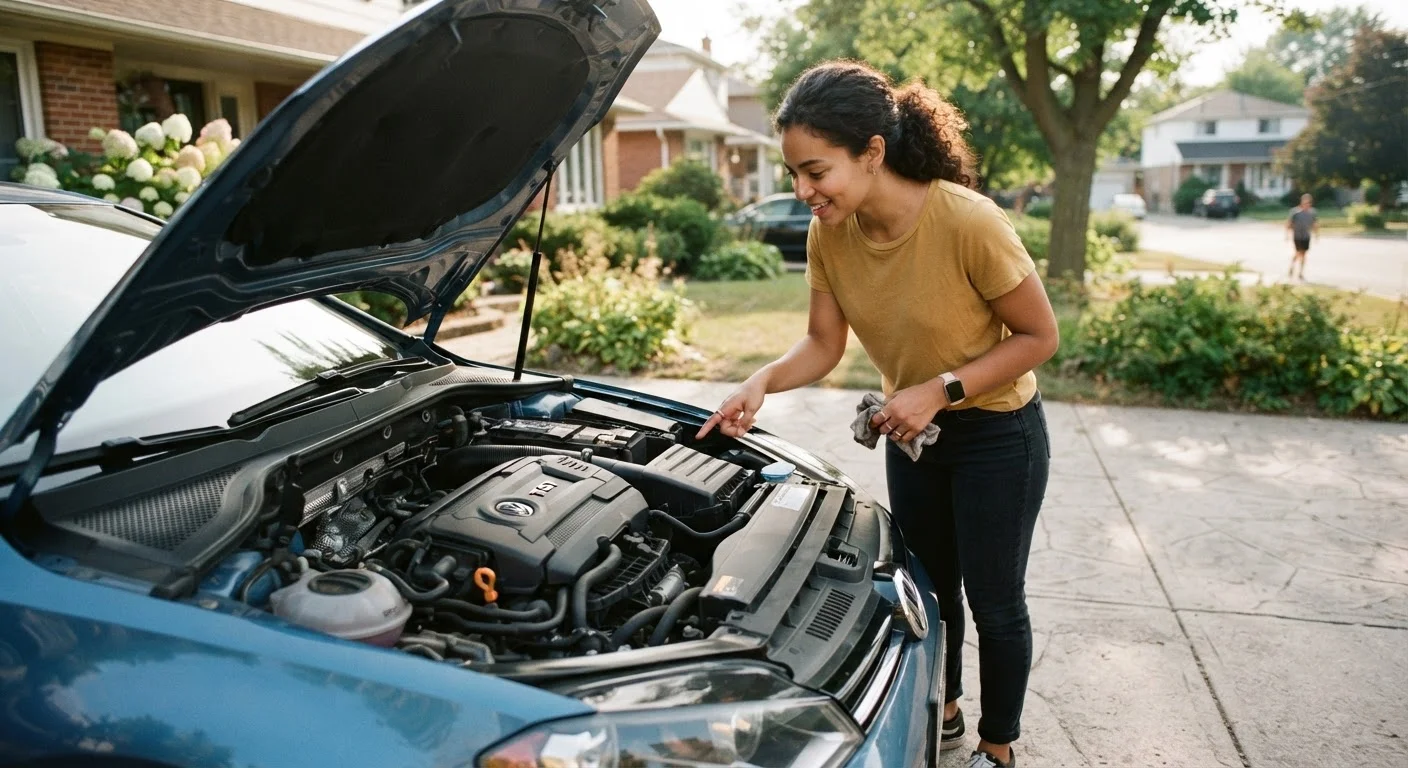
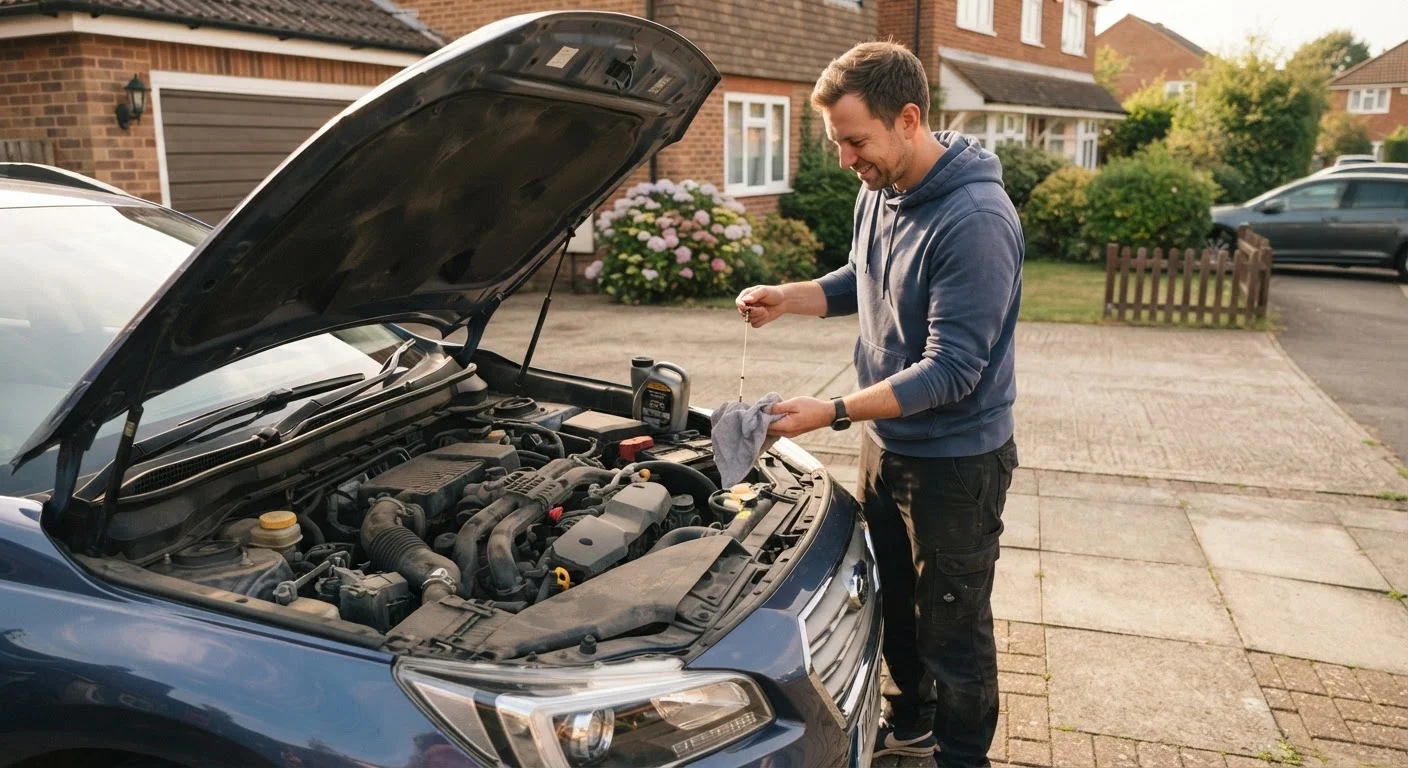
There's also flexibility that ownership provides: you can drive as many miles as you want, modify the vehicle, and sell or trade it whenever you choose without contractual penalties. If your situation changes, you have options. That said, older vehicles come with higher maintenance costs and less predictable reliability - a trade-off worth understanding honestly.
If you're weighing whether to finance the purchase rather than pay cash, our comparison of financing vs. paying cash walks through how each approach plays out.
Which Path Fits Your Situation?
There's no single right answer here. A few questions can help clarify which path makes more sense for your life right now:
- How many miles do you drive annually? High-mileage drivers generally fare better owning.
- How long do you plan to keep the vehicle? Short-term users (under 3 years) may find leasing more practical; long-term drivers usually benefit from ownership.
- How important is monthly cash flow vs. long-term savings? Leasing protects short-term budgets; ownership builds equity over time.
- Do you want to customize or modify the vehicle? Ownership is the only path that allows this freely.
- How do you handle uncertainty? Leases lock you into terms that can be costly to exit; ownership gives you an asset you can liquidate if needed.
Neither leasing nor owning is a universally better deal - the math depends on your specific vehicle, your driving habits, and how long you stay in the vehicle. The most important thing is going in with clear eyes about what each option actually costs over time, not just month to month.