Why the Sticker Price Is Just the Beginning
When most people calculate whether they can afford a car, they focus on the monthly payment - or the purchase price if they're paying cash. That's understandable, but it only tells part of the story. The real number to know is what a vehicle costs you per year, across every category of expense.
This matters whether you're deciding between two vehicles, figuring out whether to repair or replace an older car, or just trying to build an honest household budget. Think of it the same way you'd think about hidden costs in homeownership - the headline cost and the real cost are rarely the same thing.
$10,000+
Average annual cost of US car ownership
According to AAA's annual Your Driving Costs study, the average American spends over $10,000 per year to own and operate a new vehicle.
~20%
First-year depreciation on a new car
Many new vehicles lose roughly 15-20% of their purchase value within the first 12 months, making depreciation the largest single annual cost for most owners.
$1,500+
Average annual auto insurance cost
National average auto insurance premiums have consistently exceeded $1,500 per year in recent industry surveys, with significant variation by state and driver profile.
The Main Cost Categories, Explained
Depreciation
This is the big one most people forget. A new car can lose 15-20% of its value in the first year alone, and the slide continues from there. Even if you own your car outright, depreciation represents real money leaving your pocket - it's just visible only when you go to sell or trade in. Understanding this is especially relevant when comparing financing versus paying cash.
Insurance
Auto insurance is a non-negotiable recurring expense, and premiums vary widely based on your location, driving record, vehicle type, and coverage level. On average, US drivers spend over $1,500 per year on auto insurance, though rates in urban areas or for newer vehicles can run considerably higher.
Fuel
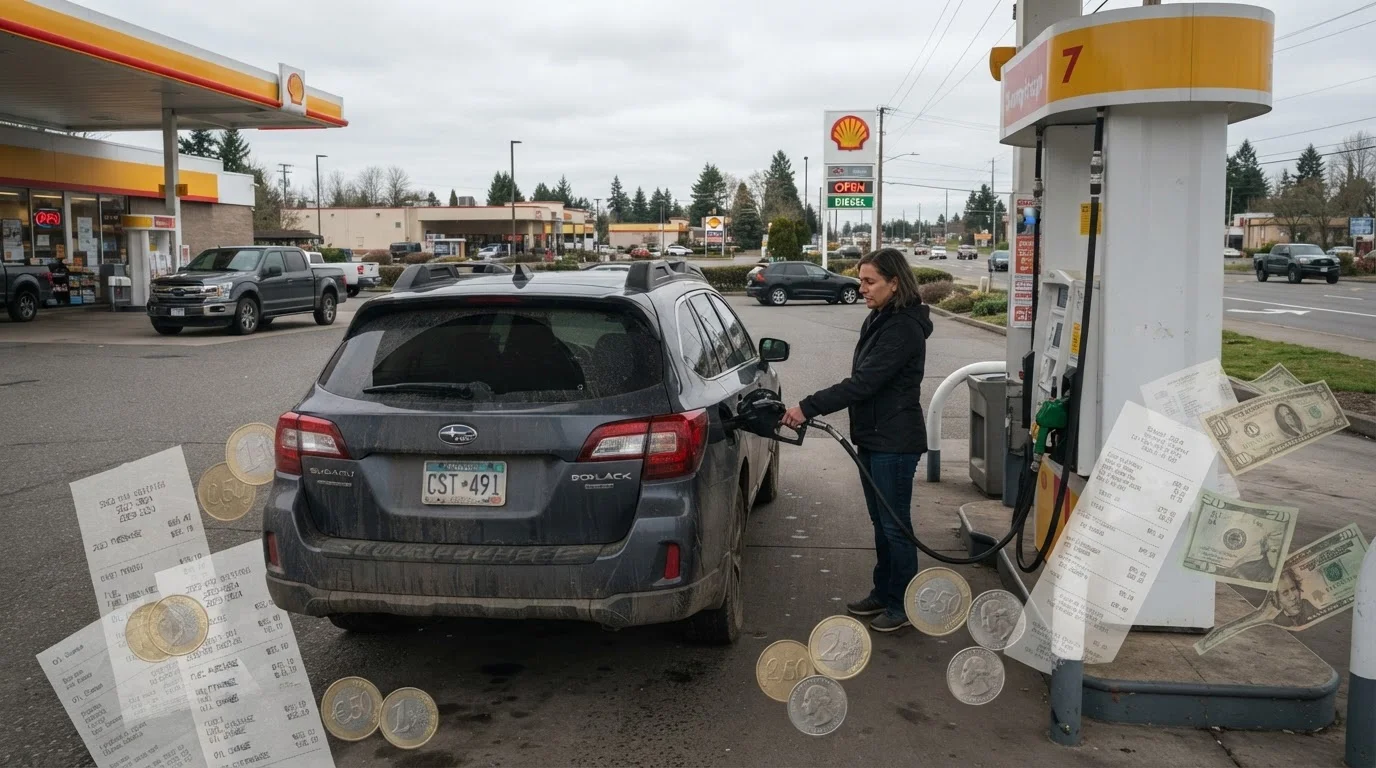
Gas costs fluctuate, but they're still predictable enough to budget. Take your average annual mileage, divide by your vehicle's fuel economy, and multiply by your local gas price. Most drivers cover 12,000-15,000 miles per year. At 25 MPG and $3.50 per gallon, that's roughly $1,680-$2,100 annually - before any price spikes.
Maintenance and Repairs
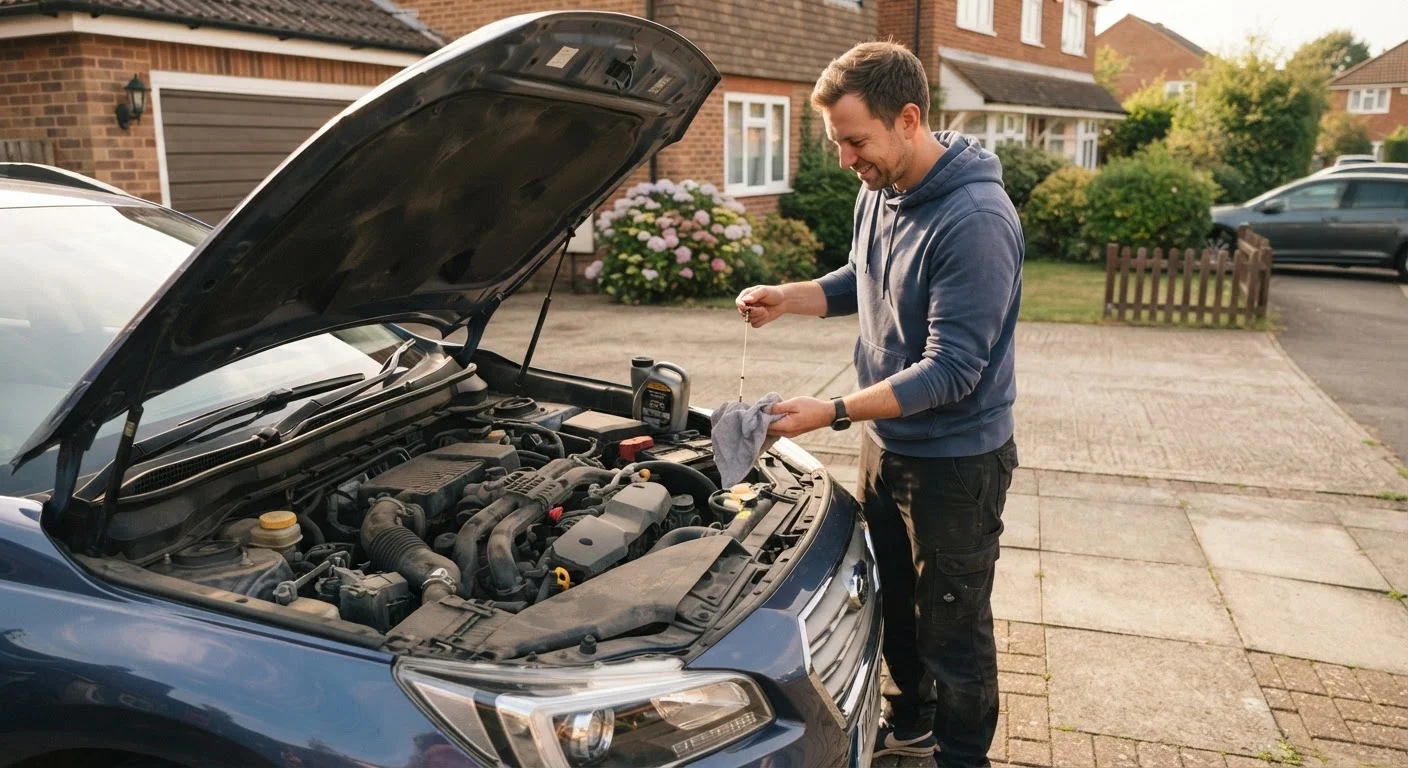
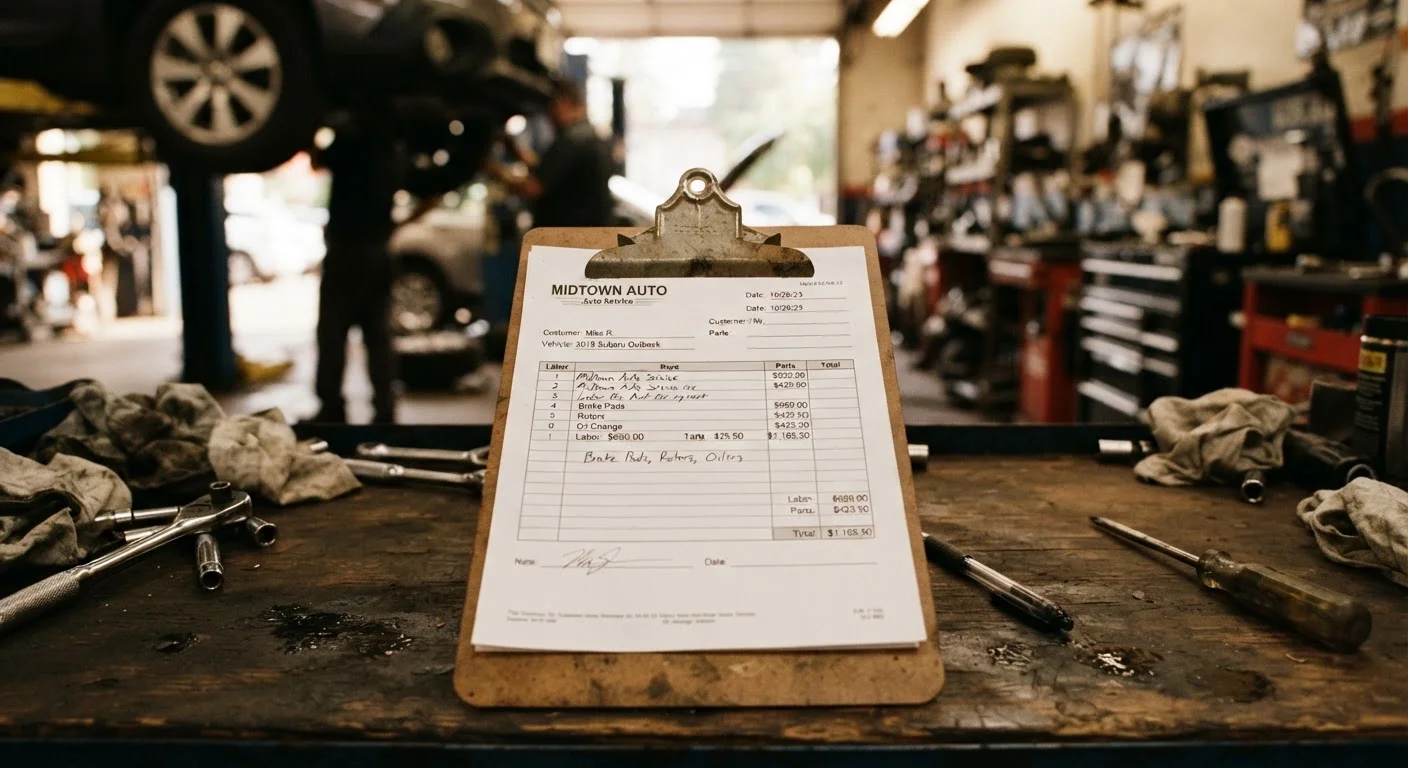
Routine upkeep - oil changes, tire rotations, brake inspections, filters - adds up to several hundred dollars per year under normal conditions. Our guide on keeping a car roadworthy on a realistic schedule breaks down what's actually needed and how often. Unexpected repairs sit on top of that, and older vehicles tend to demand more of both.
Registration, Taxes, and Fees
Annual vehicle registration fees vary by state, sometimes tied to the vehicle's value or weight. They typically range from under $100 to several hundred dollars. Some states also assess a personal property tax on vehicles each year.
Financing Costs
If you have a car loan, your annual interest payments are a real cost of ownership. On a $25,000 loan at 7% interest over five years, you'd pay roughly $4,700 in interest over the life of the loan - about $940 per year.
Build a Simple Annual Vehicle Budget
Add up your insurance premium, estimated fuel costs, registration fees, and loan interest for the year. Then set aside a separate repair and maintenance fund - even $75-$100 per month gives you a cushion for the inevitable oil change, new tires, or unexpected fix. Having this number written down makes it far easier to plan your overall household finances.
How Vehicle Age and Mileage Change the Picture
A newer car typically carries higher depreciation and insurance costs but lower repair bills. An older, paid-off vehicle flips that equation - depreciation slows, insurance often drops, but maintenance and repair costs tend to climb. Owning a high-mileage vehicle can still make financial sense, but only if you account honestly for what upkeep may cost. Neither choice is automatically cheaper - it depends on the specific vehicle and how well it's been maintained.
To get your personal annual number, add up every expense category over 12 months - or estimate using your known costs plus reasonable allowances for fuel, registration, and a repair fund. Most financial planners suggest setting aside at least $100 per month for unexpected vehicle expenses, though that figure should be higher for older cars.
No matter what you drive, keeping up with routine car maintenance remains one of the most effective ways to keep your total annual costs from spiraling upward.