Why 150,000 Miles Is a Mindset Shift, Not a Death Sentence
Plenty of vehicles are quietly racking up 200,000 miles or more in driveways across the country. The difference between one that makes it and one that doesn't usually comes down to maintenance habits - not brand loyalty or luck.
Once a vehicle crosses six figures on the odometer, the factory maintenance schedule starts to feel less relevant. Many manufacturer intervals were designed with warranty periods in mind, not long-term ownership. After 150,000 miles, you need a slightly more proactive approach: shorter fluid-check intervals, sharper attention to small leaks, and a realistic view of what the vehicle is actually worth versus what repairs might cost.
This isn't complicated, but it does require shifting from reactive to preventive thinking. If you're newer to vehicle ownership and building foundational habits, the guidance in Car Maintenance for New Drivers is a solid starting point before diving into high-mileage specifics.
Fluids and Filters: The High-Mileage Priority List
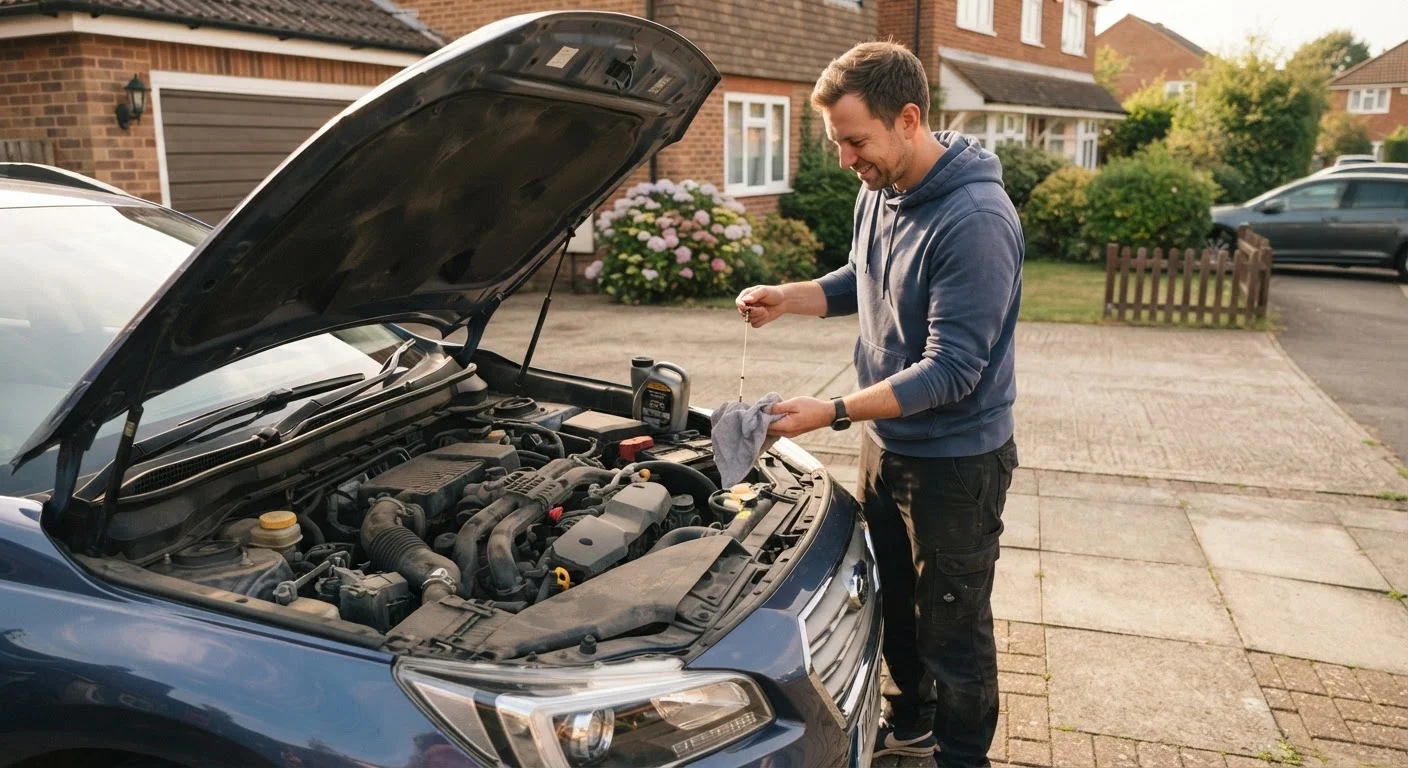
Oil remains the single most important variable in engine longevity. In higher-mileage engines, internal tolerances have widened slightly over time, and standard oil can seep past aging seals more readily. Many mechanics suggest switching to an oil labeled for high-mileage use - these formulations typically contain seal conditioners that help aging gaskets swell slightly and reduce seepage. As delaying oil changes causes disproportionate damage in older engines, staying on schedule matters even more here.
Beyond oil, check these fluids more regularly than your original owner's manual suggests:
- Coolant: Older coolant becomes acidic and can corrode aluminum components. Flush intervals shorten as vehicles age.
- Transmission fluid: In many vehicles this was listed as a lifetime fill - but after 150,000 miles, a change is often worthwhile, particularly if the fluid appears dark or smells burnt.
- Brake fluid: Absorbs moisture over time. Most manufacturers recommend replacement every two to three years regardless of mileage.
- Power steering fluid: Darkened fluid in an older rack-and-pinion system is a warning sign worth acting on early.
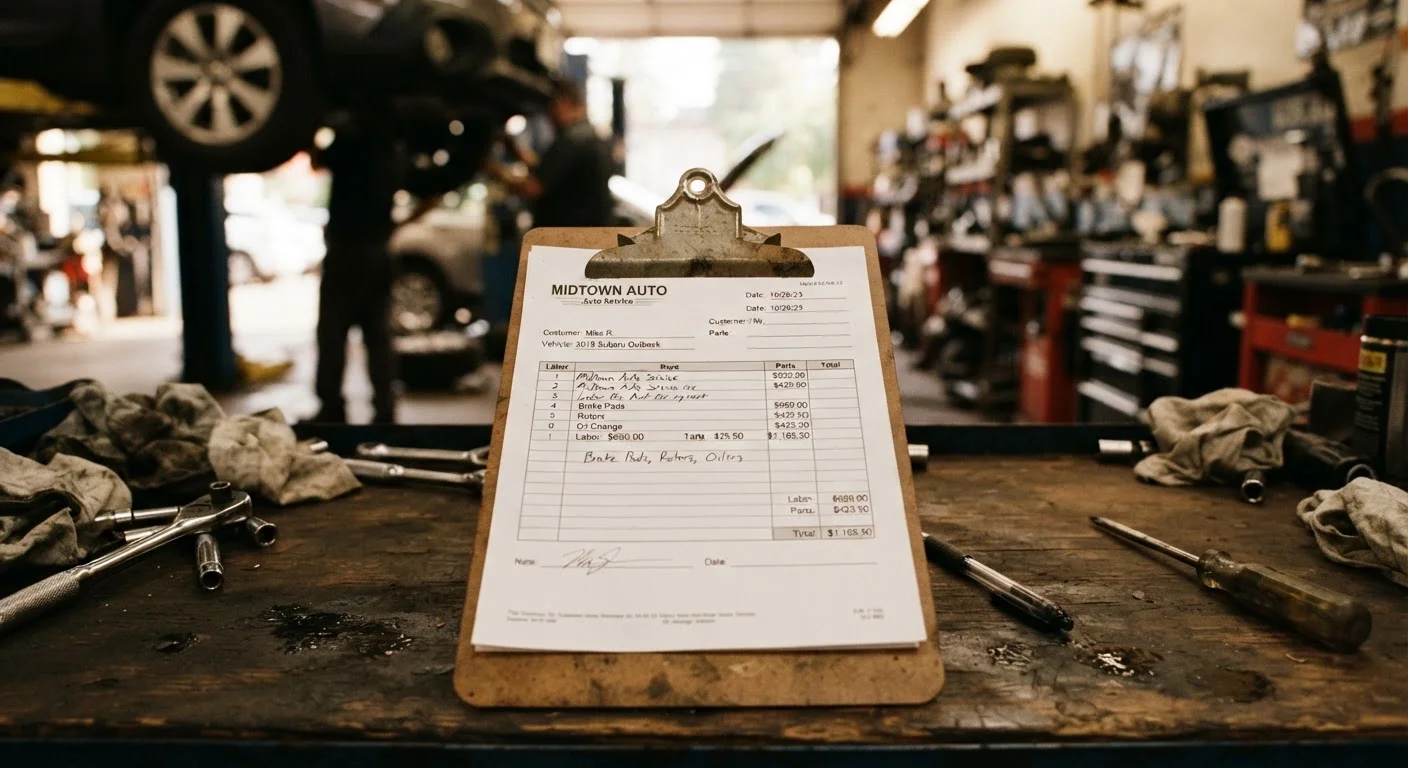
Ask your shop to do a full undercarriage inspection once a year - have them photograph or video anything they flag. It gives you a baseline and removes guesswork about what's actually worn versus what can wait.
On high-mileage vehicles, rust, worn bushings, and cracked boots are easy to miss during routine service. A documented visual record helps you prioritize repairs without being pressured into unnecessary work.
If your vehicle has a timing belt rather than a timing chain, treat its replacement interval as non-negotiable. A snapped timing belt at high mileage typically means engine replacement, not repair.
Timing belt failure is one of the most expensive and preventable failures in high-mileage vehicles. Many manufacturers recommend replacement every 60,000 to 90,000 miles, and that interval doesn't extend just because the car feels fine.
Air and cabin filters are inexpensive and easy to inspect. Don't overlook them - a clogged air filter reduces fuel economy noticeably and stresses the engine.
Seals, Gaskets, and the Slow Leak Problem
Rubber degrades. It's not a flaw in design - it's physics. After 150,000 miles, valve cover gaskets, camshaft seals, and rear main seals are all working past their original design life. A small oil seep on the driveway is often the first sign.
The temptation is to ignore minor seeps. Resist it. A slow leak that sits against a rubber hose or electrical connector can accelerate wear elsewhere. Catching a leaking valve cover gasket early is a modest repair; letting oil drip onto hot exhaust components or a serpentine belt is a larger and more dangerous problem.
Don't Ignore Small Leaks on Aging Vehicles
A slow oil or coolant seep might seem harmless at first, but on a high-mileage vehicle, leaks tend to worsen - not stabilize. Engine oil dripping onto hot exhaust components or a drive belt is a fire and failure risk. If you spot a fresh stain on your driveway, identify the source promptly rather than monitoring it indefinitely.
Similarly, inspect coolant hoses and radiator connections at every oil change. Hoses that feel spongy, cracked, or stiff at the ends are close to failure. A blown radiator hose strands you immediately and can cause rapid engine overheating - an expensive outcome that's entirely preventable.
Suspension, Brakes, and What Wears Quietly
Suspension components wear gradually enough that drivers often don't notice the change until something fails or a technician points it out during an inspection. Struts and shocks typically last 50,000 to 100,000 miles - if they've never been replaced on a 150,000-mile vehicle, they're overdue. Worn shocks don't just affect ride quality; they extend braking distances and reduce stability in emergency maneuvers.
Brake wear is more visible if you know what to look for. Most brake pads have wear indicators that produce a squealing sound when the pad is getting thin. Don't confuse that noise with occasional dust-related squeak - persistent squealing while braking deserves prompt attention.
Wheel bearings are another item that wears quietly. A low humming or growling noise that changes pitch during turns often points to a failing wheel bearing. Left too long, they can seize. For a full picture of what to check by season - including how winter road salt accelerates undercarriage wear - the seasonal car maintenance schedule is worth bookmarking.
Knowing When to Fix and When to Walk Away
Not every repair is worth making. The general rule of thumb: if a single repair costs more than the vehicle's current market value, and the vehicle has other known issues pending, the math rarely works in your favor. That said, this calculation is more nuanced than it appears - a vehicle with a full maintenance history and low repair frequency may justify a larger investment than one that's been neglected for years.
Keep a simple log of every repair and its cost. Over time, you'll see whether the vehicle's annual repair cost is trending upward sharply. If maintenance stays routine and predictable - brakes, tires, fluids, belts - a high-mileage vehicle can remain genuinely economical. If you're seeing a new major repair every few months, that pattern is meaningful data.
For tasks where you're deciding between doing the work yourself and taking it to a shop, DIY vs. Shop offers a clear-eyed look at where the line sits - especially relevant when managing costs on an older vehicle.
High-mileage ownership rewards patience and consistency. The vehicles that reach 200,000 miles aren't usually exceptional machines - they're vehicles owned by people who paid attention.