What Depreciation Actually Means for Your Car
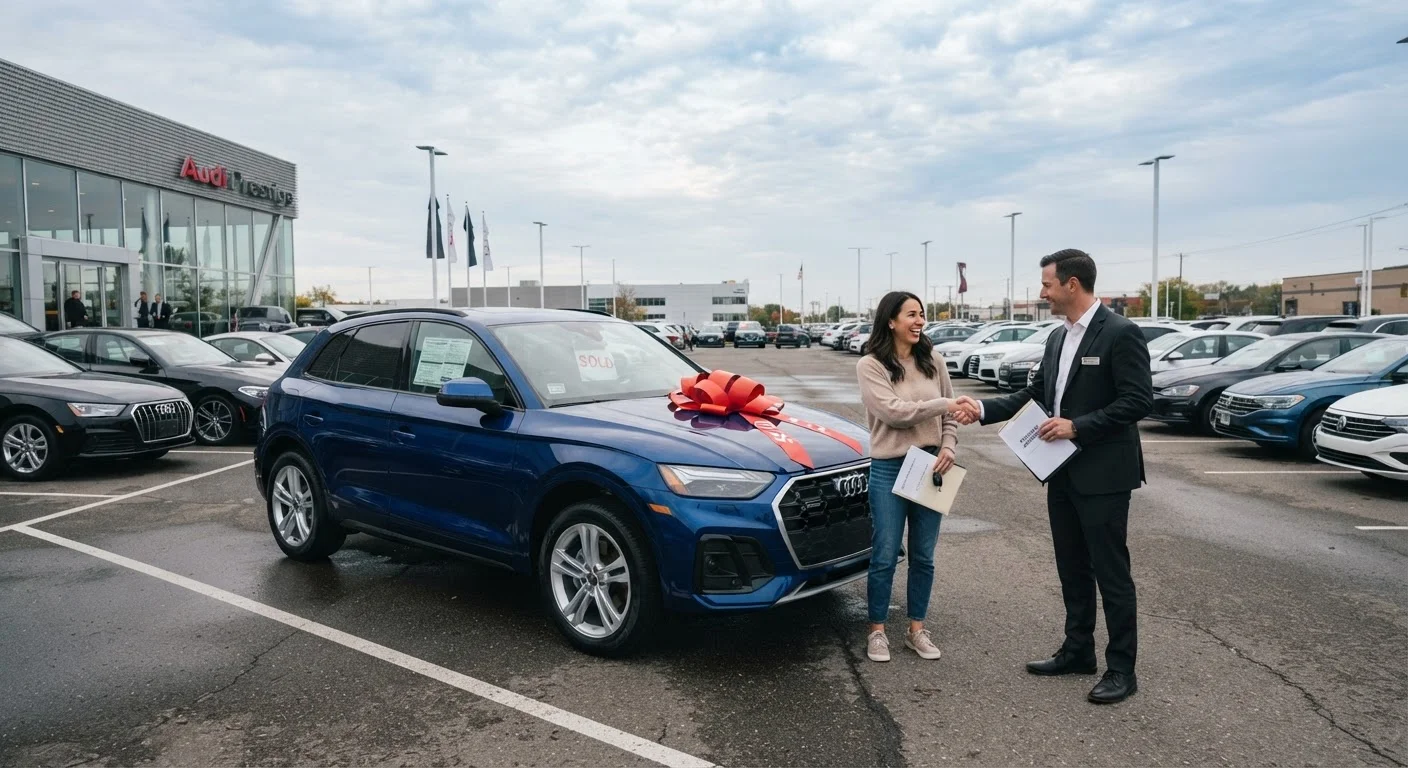
Depreciation isn't a charge on your bill - it's a quiet, ongoing reality of car ownership. The moment a new vehicle is sold and registered, it shifts from "new" to "used" in the marketplace. That distinction alone costs money, because a used car, no matter how pristine, is priced differently than an identical one still on the dealer's floor.
Think of it this way: the value of your car isn't what you paid - it's what someone else would pay for it today. That number drops steadily, and it drops fastest right after purchase. Depreciation is simply the difference between those two figures at any given point in time.
For most drivers, depreciation is the single largest cost of ownership over time - often exceeding what they spend on fuel or insurance across the same period. Yet it's also the least visible, because no invoice arrives in the mail. It shows up instead when you trade in, sell privately, or realize your loan balance is higher than your car's current market value. Understanding how it works is part of knowing what your vehicle truly costs each year.
Why the First Few Years Are the Costliest
Depreciation doesn't spread evenly across a vehicle's life. It follows a steep curve in the early years and gradually flattens as the car ages. The reasons are partly psychological and partly market-driven.
When a car is brand new, buyers pay a premium for that status - and for the peace of mind that comes with a full factory warranty and zero unknown history. The instant that car is titled and driven away, neither of those things is quite as true. The car now has an owner, a history (however brief), and reduced warranty coverage remaining. A buyer looking at that same car used is taking on more unknowns, and the price reflects that.
~20%
Typical value lost in the first year
Industry estimates commonly place first-year depreciation for new vehicles in the 15%-25% range, depending on make, model, and market conditions.
~50%
Value retained after five years on average
Many vehicles retain roughly half their original value after five years of typical use, though this varies significantly by segment and brand reputation.
Year 1
Steepest single year of value loss
The first year consistently sees the largest single-year depreciation drop for new vehicles, reflecting the premium buyers pay for "new" status.
This effect is most pronounced in year one, where vehicles frequently shed a meaningful chunk of their original purchase price. By years four and five, the curve flattens considerably - the car has already absorbed most of the "new-to-used" discount, and further drops are driven more by mileage and wear than by age alone.
This is why buying a vehicle that's one to three years old is often cited as a way to let someone else absorb the sharpest portion of the decline. That said, it's worth weighing the trade-offs honestly - see our look at what high-mileage ownership actually involves for a fuller picture.
What Drives Depreciation - and What Slows It Down
Several factors determine how quickly any specific vehicle loses value:
- Mileage: Higher annual mileage accelerates depreciation. A car with 80,000 miles is worth less than a comparable model with 40,000, all else being equal.
- Condition and maintenance history: Vehicles with documented service records and no accident history hold value better. Signs of deferred maintenance are a red flag for private buyers - and they know it.
- Brand and model reputation: Vehicles from manufacturers with strong reliability track records tend to depreciate more slowly, because buyers are willing to pay more for the used version.
- Market demand: Supply and demand shape used-car prices just like any other market. Fuel costs, economic conditions, and consumer preferences all shift what people are willing to pay.
- Trim level and features: Well-equipped models sometimes hold value better than base trims, but overly niche configurations can work against you if fewer buyers want them.
Keep Your Service Records
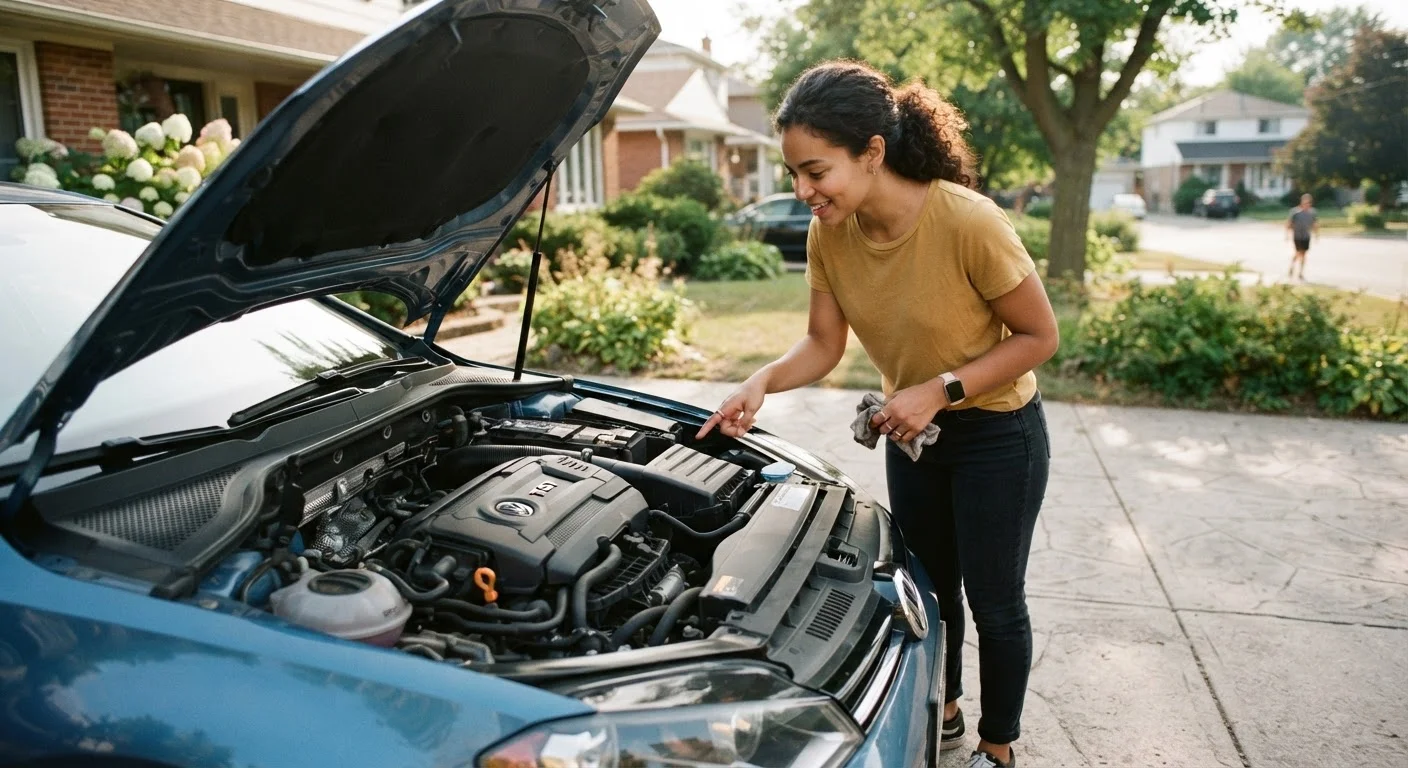
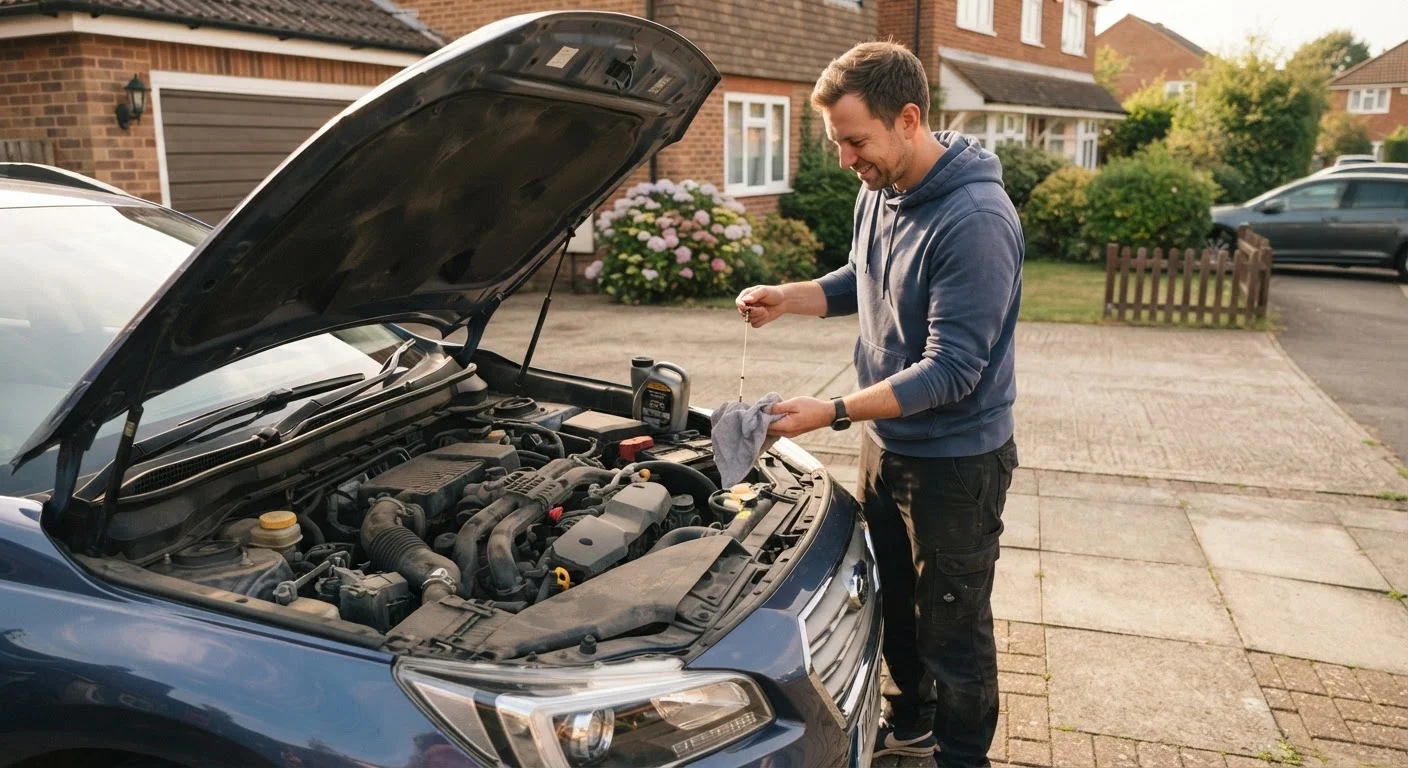
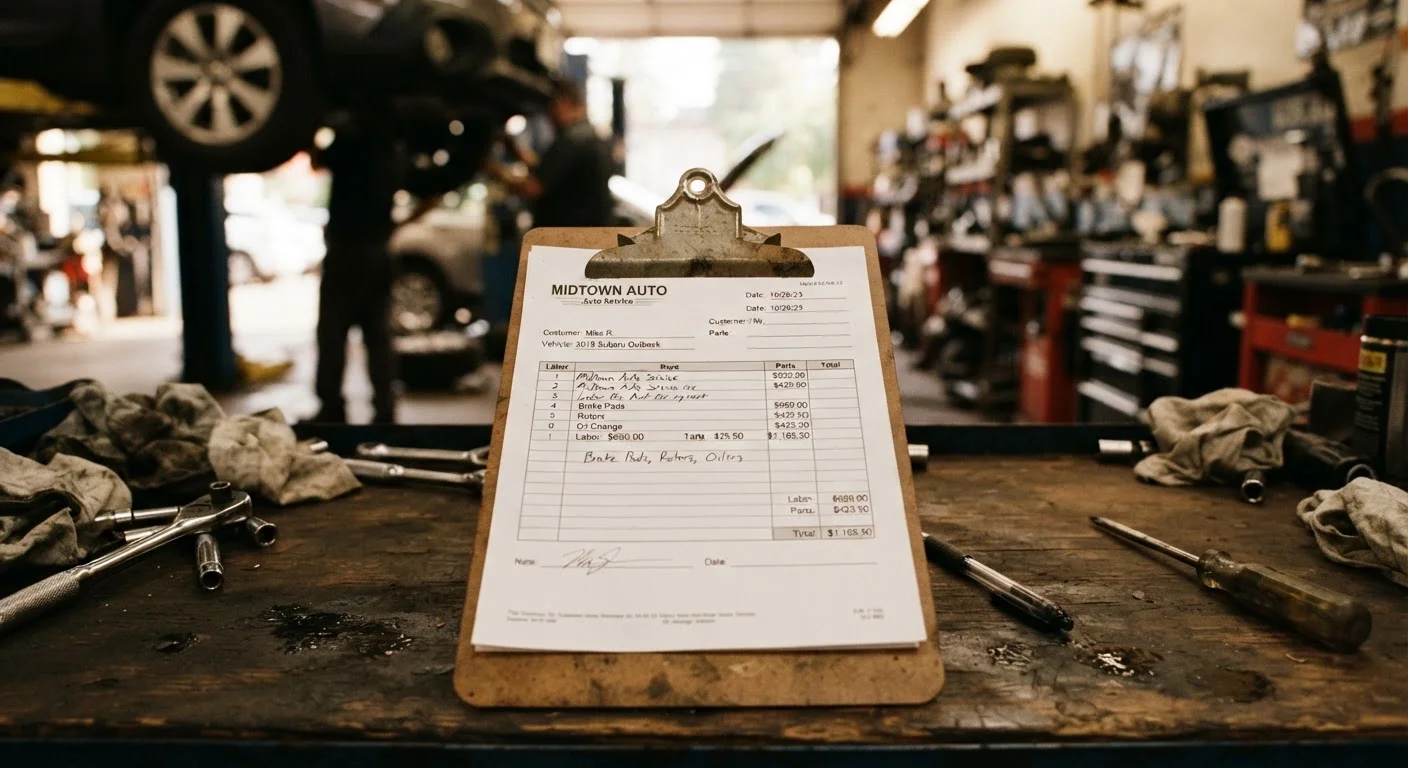
Documented maintenance history is one of the most effective ways to protect resale value. Buyers - and dealers - will pay more for a vehicle with a clear, verifiable service record. Keep receipts and log routine work, even oil changes done at home.
One thing you can control: keeping your vehicle in good condition. Documented maintenance and careful upkeep don't eliminate depreciation, but they do slow it - and they make the car easier to sell when the time comes. Knowing how to spot signs of poor maintenance is just as useful when you're thinking about your own vehicle's resale value.
How Depreciation Connects to Financing
Depreciation has a direct relationship with your loan balance - and ignoring that connection can lead to a frustrating situation called being "underwater" or "upside down" on your loan. This means you owe more on the vehicle than it's currently worth.
It happens because loan payments are structured to pay down interest first, which means your principal balance drops slowly in the early months. Meanwhile, the car's value is dropping quickly. The two curves can cross, leaving you with negative equity.
If you then need to sell the car, trade it in, or if it's totaled in an accident, you're responsible for the gap between what the car is worth and what you still owe. A larger down payment at purchase reduces how quickly this happens - and understanding this dynamic is part of what any first-time buyer should grasp before signing a loan.
None of this means buying new is always wrong. It means going in with clear eyes about what you're paying for - and what you're giving up - when you drive a new vehicle off the lot for the first time.