Why a Realistic Schedule Beats an Aspirational One
Most drivers know they're supposed to maintain their cars. The challenge isn't awareness - it's keeping up with maintenance in a way that fits real life. Overly complicated schedules get ignored. Vague advice like "change your oil regularly" doesn't help much either.
What works is a simple, interval-based routine tied to your mileage and a handful of annual checks. If you're new to this, our guide for new drivers building maintenance habits is a good starting point. For everyone else, the practices below reflect what most vehicles actually need - not what shops might upsell you on.
The single most useful document you own as a car owner is your vehicle's owner's manual. It contains manufacturer-specific service intervals that override any generic rule of thumb you've heard.
The Core Maintenance Tasks and When They're Due
A handful of services cover the majority of what keeps a car safe and reliable. Here's what they are and why they matter.
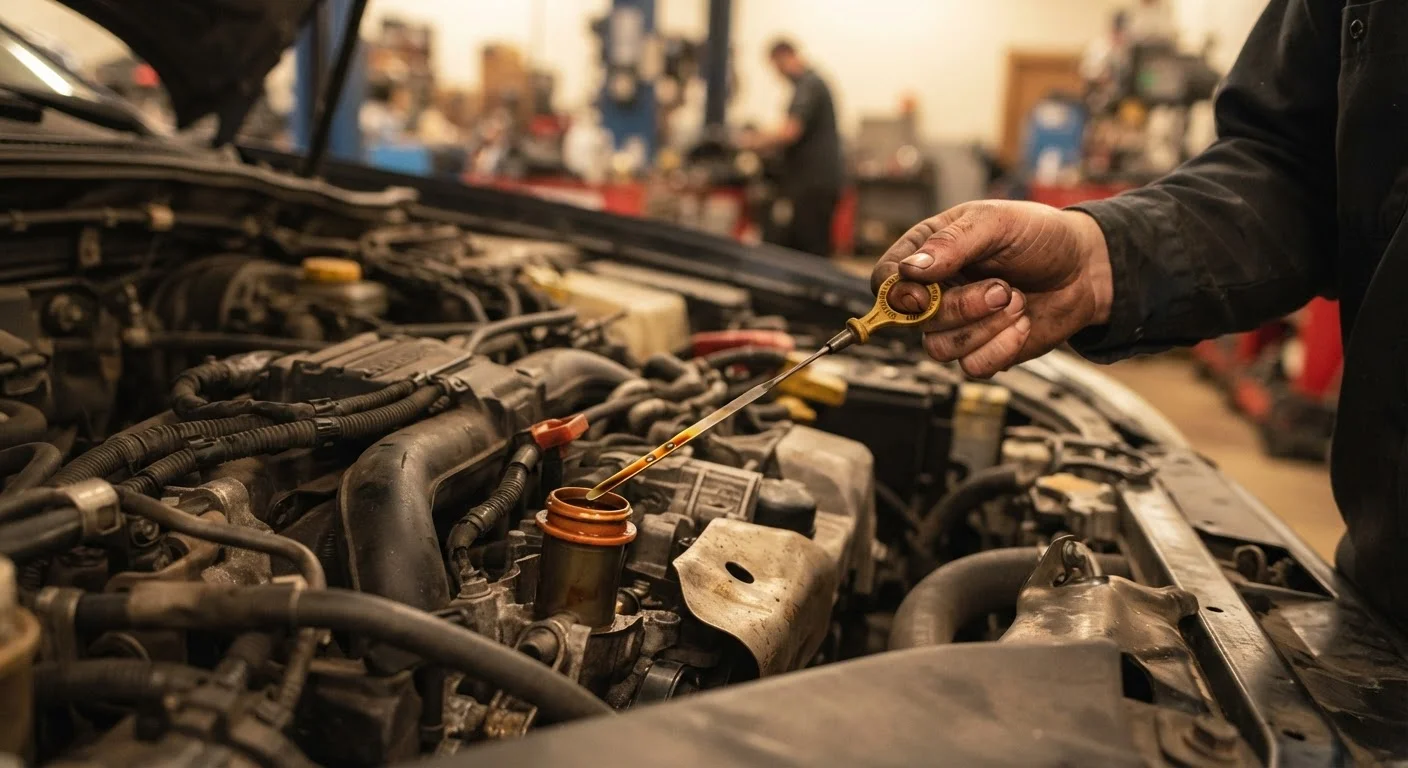
Follow your owner's manual for oil change intervals, not the old 3,000-mile rule.
Modern engines and synthetic oils are designed for much longer intervals - often 5,000 to 10,000 miles or more. Changing oil too early wastes money; changing it too late risks engine damage from degraded lubrication.
Rotate your tires every 5,000 to 7,500 miles, or with every other oil change.
Tires wear unevenly depending on whether they're on the drive axle, and rotating them extends overall tire life and helps maintain predictable handling. Uneven wear left unchecked shortens tire lifespan significantly.
Have your brakes inspected at least once a year, or whenever you notice changes in stopping feel.
Brake pads wear gradually and silently until they don't. Squealing, grinding, or a longer stopping distance are late-stage warnings. Annual inspections catch wear before it damages rotors, which are expensive to replace.
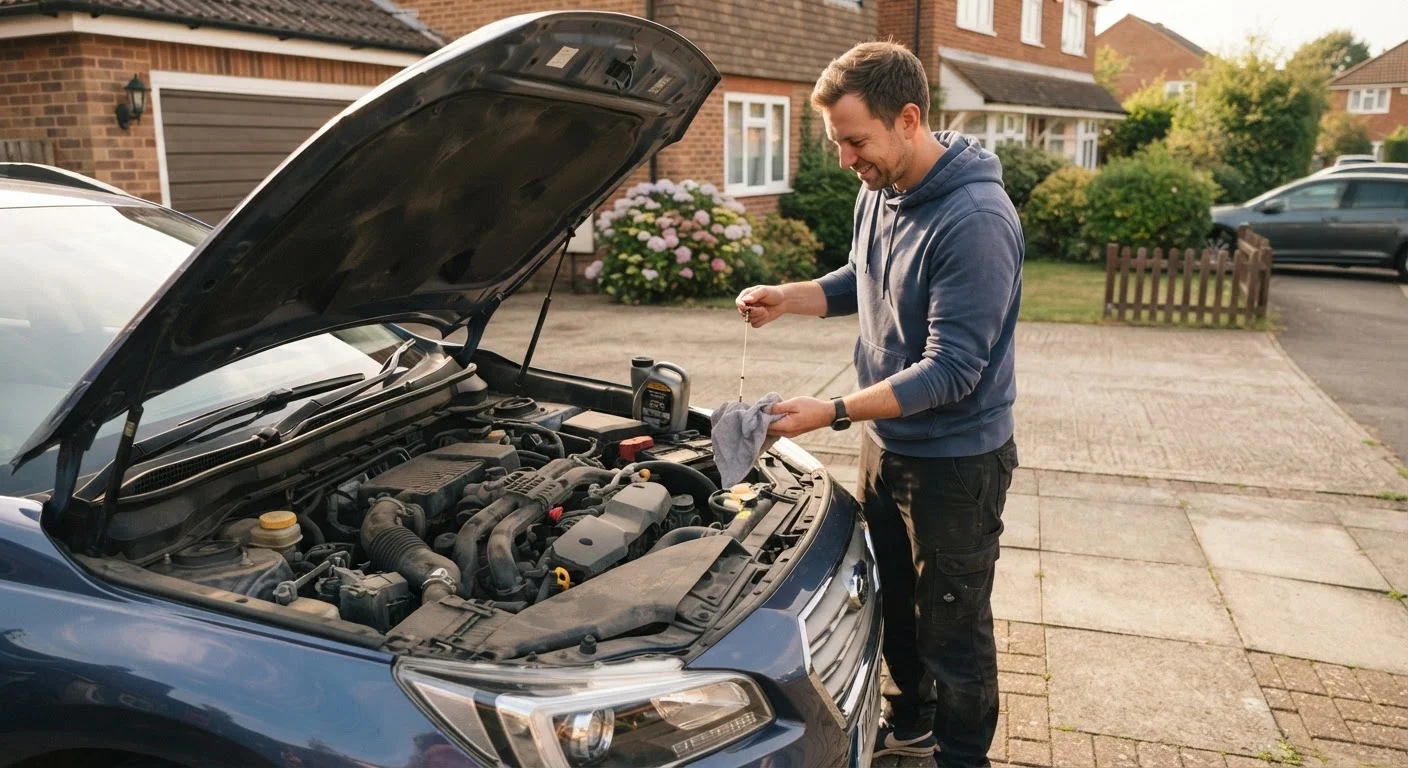
Check and top off essential fluids - coolant, brake fluid, power steering fluid, and windshield washer fluid - every few months.
Low coolant can lead to overheating; low brake fluid may signal a leak or worn pads. These checks take under five minutes and can catch developing problems early.
Replace your cabin air filter and engine air filter on schedule, typically every 15,000 to 30,000 miles.
A clogged engine air filter reduces fuel efficiency and performance. A dirty cabin filter degrades interior air quality and can strain your HVAC system. Both are low-cost replacements that are easy to overlook.
Keep a simple maintenance log, either in a notebook or a phone app.
Without records, it's easy to lose track of when something was last serviced, which leads to either repeating work unnecessarily or missing intervals entirely. A log also helps if you sell the vehicle.
Severe Driving Conditions Change the Math
Manufacturers often publish two maintenance schedules: normal and severe. Severe conditions include frequent short trips under 5 miles, stop-and-go city driving, towing, and extreme temperatures. If your driving fits that description, tighten up your service intervals accordingly - your owner's manual will spell out what that looks like for your vehicle.
For a look at how seasons affect which tasks need attention when, see the seasonal car maintenance schedule.
Start With a Few Quick Wins Right Now
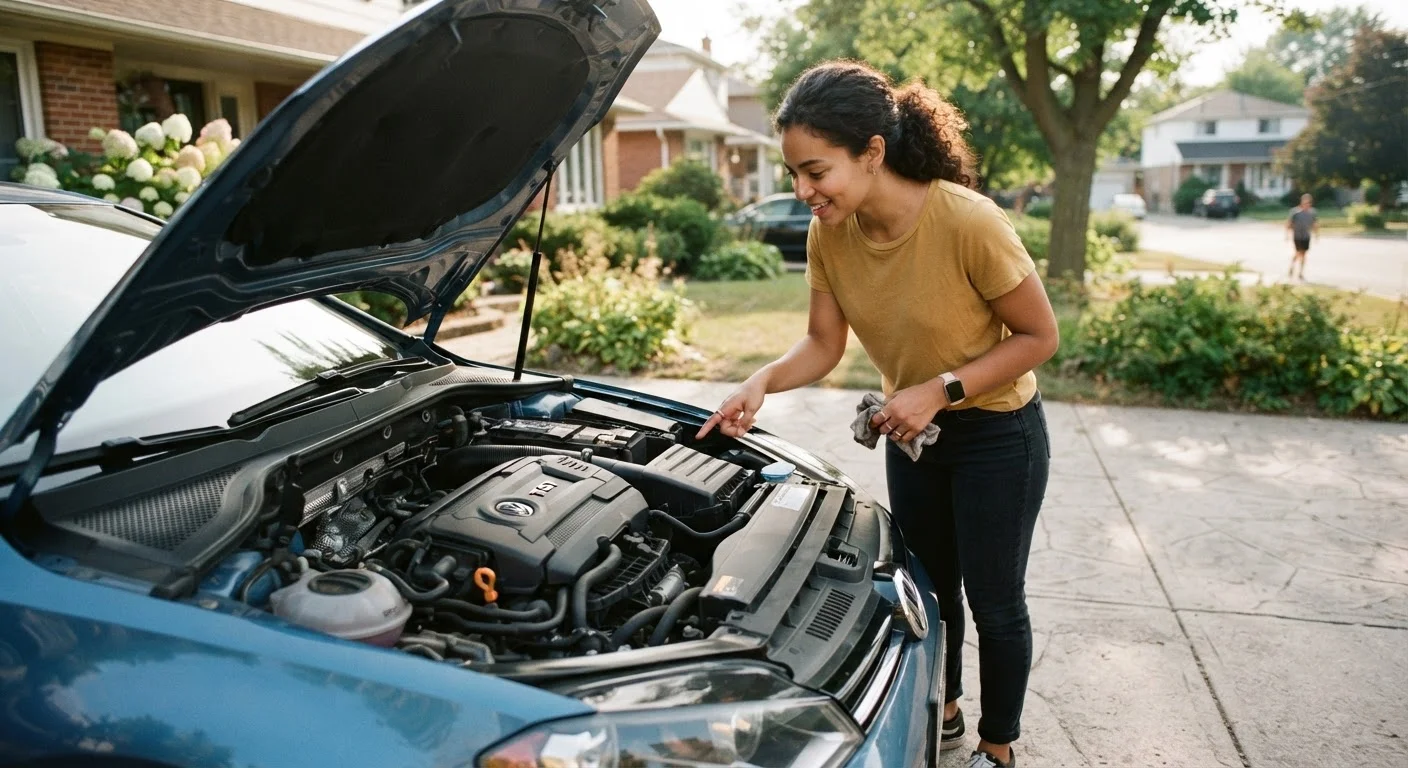
You don't need a service appointment to make progress today. A few simple checks cost nothing and take very little time.
Before every drive, a quick visual scan of your vehicle takes under two minutes. Our pre-trip vehicle check guide covers exactly what to look for.
Maintenance adds up financially, too. If you want to understand the full picture of what a car costs to keep running, the true annual cost of owning a car breaks it down clearly.
Building a Habit That Actually Sticks
The gap between knowing what to do and actually doing it usually comes down to how easy the routine is to follow. Tying maintenance to mileage milestones - rather than calendar dates - tends to work better for most drivers because your odometer doesn't lie.
“Deferred maintenance is the most expensive kind. The parts that fail because of neglect cost far more than the service that would have prevented the failure.”
— Tom and Ray Magliozzi, Hosts of NPR's Car Talk, longtime automotive commentators
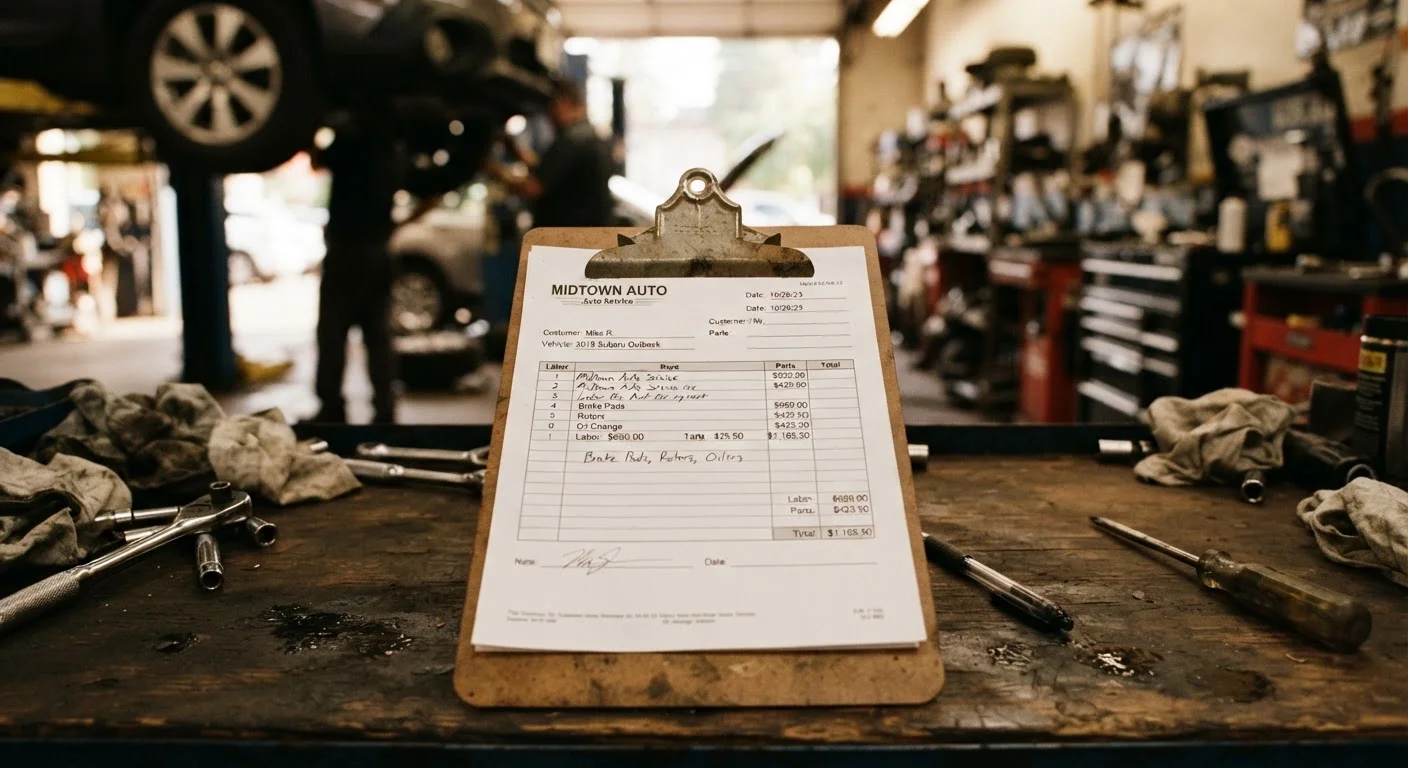
If your vehicle is climbing in mileage, the routine starts to shift. keeping a car running past 150,000 miles explains how to adapt your approach as the odometer climbs. And if you're ever unsure whether a task is worth handling yourself versus taking to a shop, DIY vs. shop maintenance decisions offers a straightforward breakdown.
Keeping a car roadworthy isn't complicated - it's mostly consistent. A simple log, a glance at the manual, and a few scheduled visits per year will cover the vast majority of what your vehicle needs.