Why Fluid Levels Matter More Than Most Drivers Realize
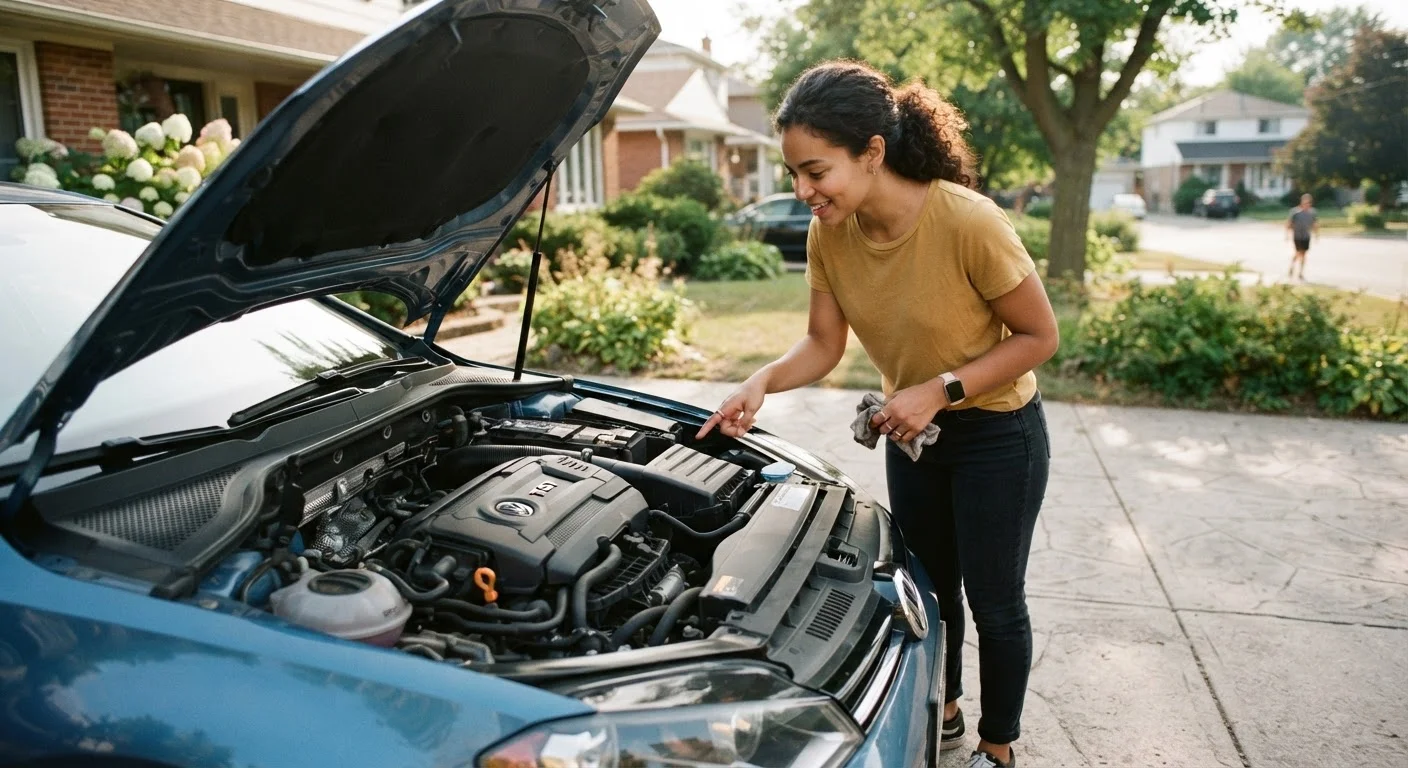
Your car depends on a handful of fluids to move, stop, cool down, and steer. When any one of them drops too low - or gets contaminated - the consequences range from accelerated wear to outright failure. The good news is that checking most of them takes about five minutes and requires nothing but a clean rag.
Most checks should be done with the engine cold and the car parked on level ground. Checking a hot engine can give inaccurate readings and, in the case of coolant, poses a burn risk. Always let things cool for at least 30 minutes after driving before opening reservoirs.
For a broader view of how fluid checks fit into a regular maintenance routine, see our guide on keeping a car roadworthy on a realistic schedule.
The Six Fluids to Know
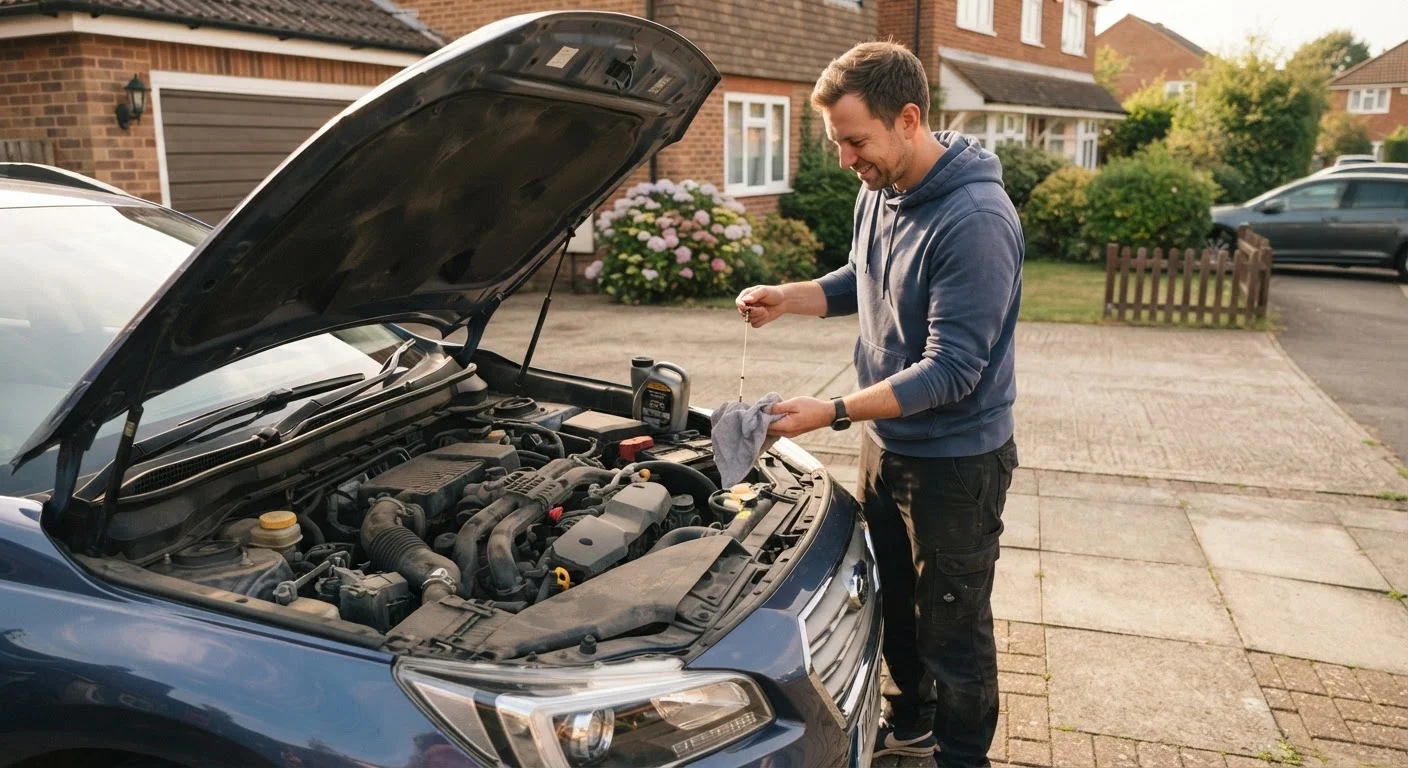
Engine oil lubricates moving metal parts and carries heat away from the engine. Pull the dipstick (usually a brightly colored handle), wipe it clean, reinsert fully, then pull it again. The oil level should fall between the two marks on the stick. If it's low, top it up with the grade specified in your owner's manual. Dark brown oil is normal; black, gritty, or milky oil may signal a problem worth a mechanic's attention.
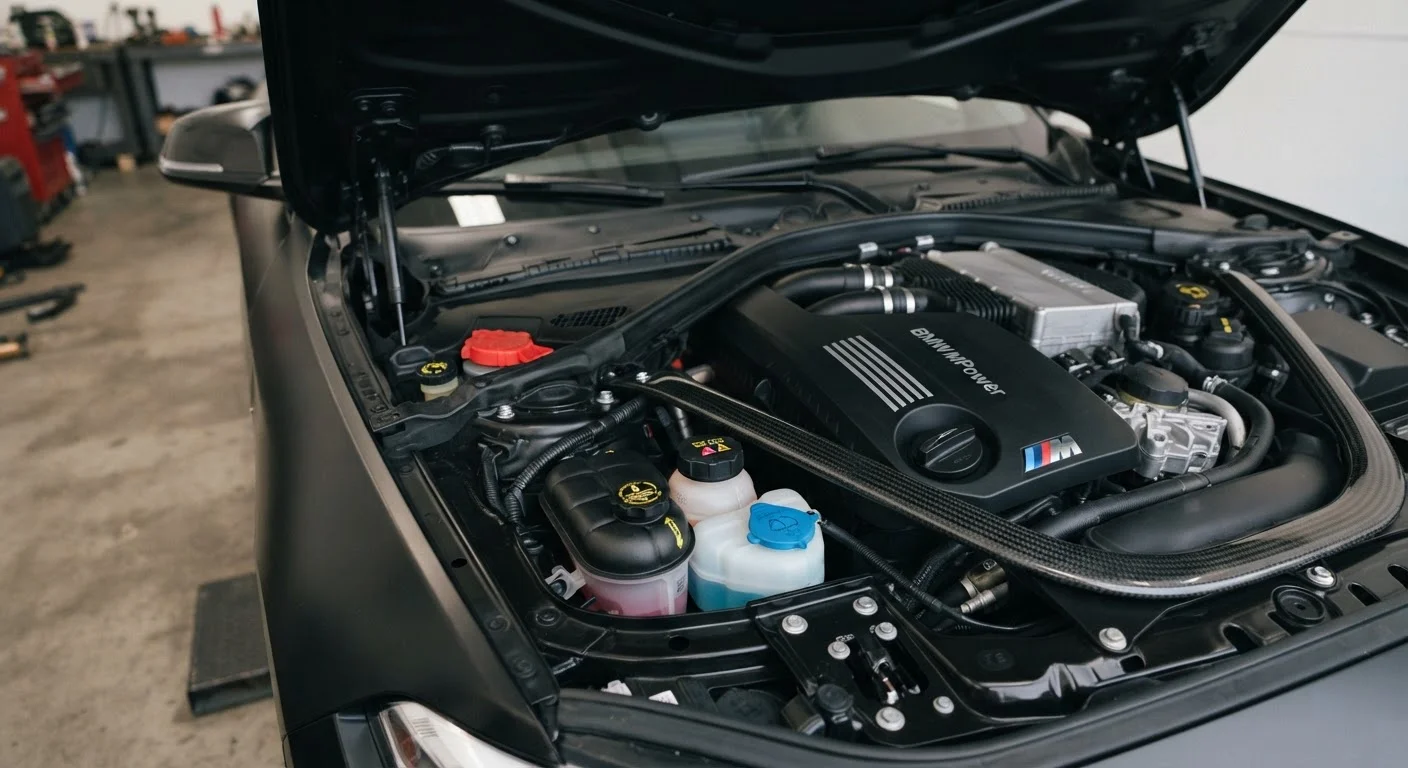
Coolant (antifreeze) keeps the engine from overheating in summer and freezing in winter. It lives in a translucent plastic reservoir with MIN and MAX lines visible from the outside - you typically don't need to open it to check the level. A consistently low coolant level can point to a leak; don't ignore it.
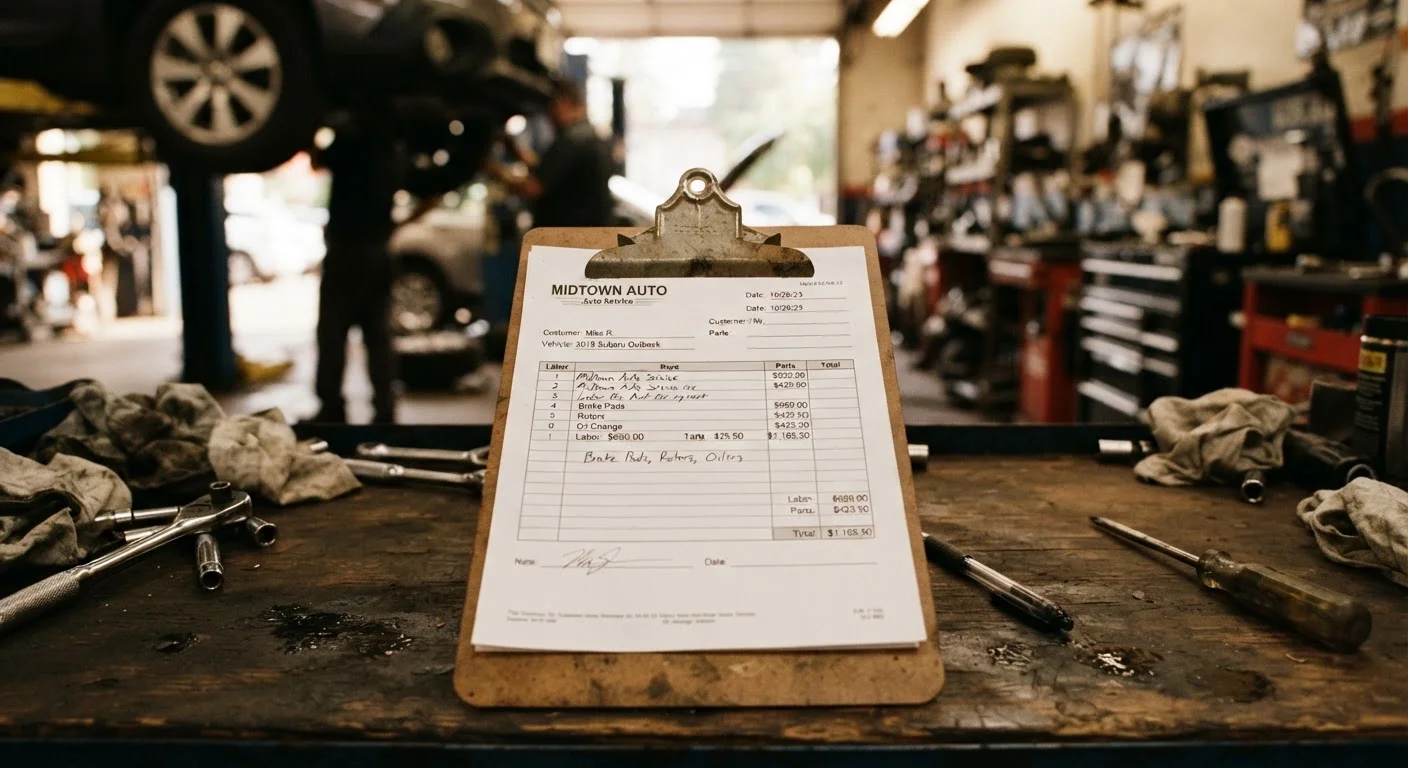
Brake fluid transfers the force of your foot on the pedal to the brakes at each wheel. Check the reservoir (usually near the firewall on the driver's side) against the MIN/MAX markings on the side. A gradual drop over time is normal as brake pads wear. A sudden drop warrants immediate inspection. For more context on brake system health, see keeping tabs on brake wear.
Power steering fluid (on vehicles without electric power steering) helps you turn the wheel with less effort. The reservoir has a dipstick or markings on the side. Low levels or a whining noise when turning are both worth investigating promptly.
Transmission fluid lubricates the gearbox and keeps shifts smooth. In many modern vehicles this is a sealed system with no dipstick - check your owner's manual. Where a dipstick exists, the process is similar to checking engine oil, though some vehicles require the engine to be warm and running. Pink or red fluid is healthy; brown or burnt-smelling fluid suggests the fluid is overdue for service.
Windshield washer fluid is the one fluid that won't harm your car mechanically if it runs low - but it will affect visibility in bad weather. Use a purpose-made washer fluid rather than plain water, which can freeze and won't cut road grime as effectively.
Dipstick
A metal rod inserted into the engine or transmission used to measure fluid level and check fluid condition by examining what coats the stick when pulled out.
Coolant (antifreeze)
A fluid - typically a mix of water and ethylene glycol - that circulates through the engine to regulate temperature and prevent freezing or boiling.
Brake fluid
A hydraulic fluid that transmits the pressure from the brake pedal through the brake lines to the calipers or drums at each wheel. It absorbs moisture over time and should be replaced periodically.
Closed system
A fluid circuit that is sealed and does not normally lose fluid through use. Consistently low levels in a closed system indicate a leak rather than normal consumption.
Transmission fluid
A lubricant and hydraulic fluid used in automatic and manual gearboxes to reduce friction, cool components, and enable smooth gear changes.
What Low Levels Are Trying to Tell You
Fluids don't disappear on their own in a healthy car. Engine oil burns off slowly over time, but a dramatic drop usually means consumption or a leak. Coolant, brake fluid, and power steering fluid are closed systems - if they're consistently low, something is getting out.
If your dashboard lights up with a warning, cross-reference it with our dashboard warning lights reference to understand how urgent the situation is before driving further.
Not every fluid check or top-up needs a shop visit, but diagnosing why a fluid is low often does. Our article on DIY vs. shop maintenance can help you decide when to handle something yourself and when to get a professional involved.
This article is for general informational purposes only. Always consult your vehicle's owner's manual and a qualified mechanic for guidance specific to your car's make, model, and condition.