Why This Decision Actually Matters
Most drivers pick a service provider out of habit or convenience and stick with it indefinitely. That's not always wrong, but it's worth understanding what you're trading off. Labor rates, parts sourcing, technician training, and how service records affect resale value can all differ significantly between a dealership and an independent shop. If you own a high-mileage vehicle, those differences can add up fast.
The goal here isn't to declare a winner - it's to lay out the real trade-offs so you can make an informed call for your specific car and situation.
The Case for Dealership Service Centers
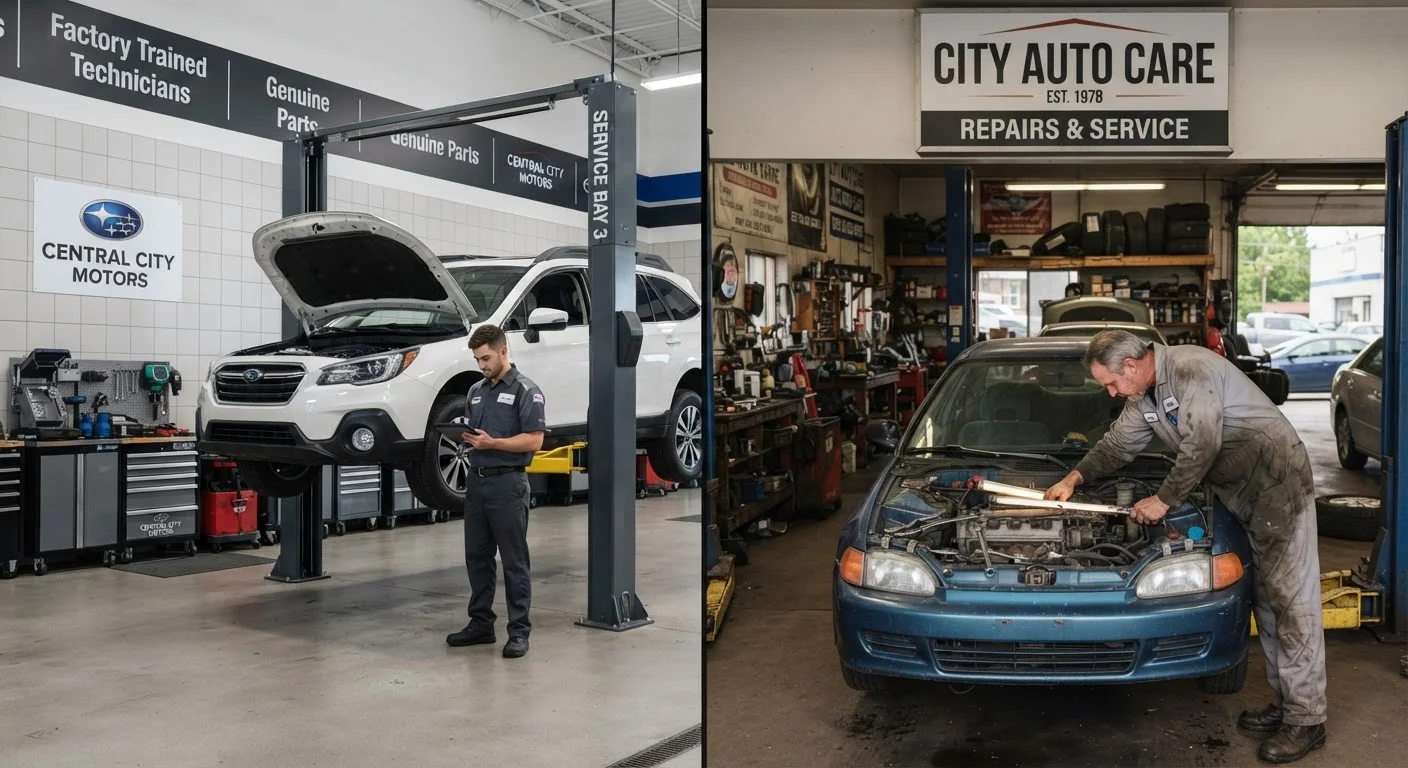
Dealerships employ factory-trained technicians who specialize in a single brand. That matters most for complex, software-heavy repairs and for vehicles that require proprietary diagnostic equipment. They also stock original equipment manufacturer (OEM) parts - components made to the same specifications as what came with your car.
Factory-trained, brand-specific technician expertise
Dealership technicians complete manufacturer training programs and often have access to proprietary diagnostic tools that independent shops may lack. This is particularly relevant for modern vehicles with complex electronics.
OEM parts used as standard practice
Dealers typically use original equipment manufacturer parts, which are made to the exact specifications of the vehicle. This can matter for components where fit and calibration are critical.
Supports warranty compliance and documentation
For in-warranty repairs, dealers are the authorized service point. Detailed service records kept at a dealership can also be useful when selling a newer vehicle.
Access to recall and technical service bulletin work
Recalls and manufacturer-issued technical service bulletins (TSBs) are generally handled exclusively at authorized dealerships, often at no cost to the owner.
Service records kept at a dealership can also support resale value, particularly for newer vehicles where buyers want documented maintenance history. And if your car is still under a manufacturer's warranty, some repairs must be performed or at least authorized by an authorized dealer to remain covered. It's worth reading your warranty documents carefully rather than assuming - the Magnuson-Moss Warranty Act generally protects consumers from being required to use dealer service for routine maintenance, but warranty-related repairs are a different matter.
The Case for Independent Repair Shops
Independent mechanics typically charge lower labor rates than dealerships - sometimes significantly so. For routine maintenance like oil changes, brake pad replacement, or tire rotation and alignment, the actual work is the same regardless of who performs it. Paying a premium for a dealership badge on that kind of service is hard to justify.
Higher labor rates than most independents
Dealership service departments consistently charge higher hourly labor rates than independent shops. For routine maintenance, this premium rarely reflects a meaningful difference in outcome.
Upsell pressure is more common
Dealership service advisors may recommend additional services during routine visits. Some are legitimate; others are premature or unnecessary. It pays to know your vehicle's actual maintenance schedule.
Less personal, more transactional experience
Dealerships handle high volumes of vehicles and customers, which can mean less continuity in who works on your car and less personal accountability compared to a small independent shop.
Quality varies among independent shops
Without brand oversight, independent shop quality ranges from excellent to poor. Finding a trustworthy mechanic requires some research - checking certifications, reviews, and asking for references.
Aftermarket parts may not match OEM specifications
Not all aftermarket parts are created equal. While many meet or exceed OEM standards, lower-quality alternatives exist in the market. Ask your independent shop what parts they source and why.
May lack specialized tools for newer vehicles
Some advanced repairs - particularly ADAS calibration, software flashing, or hybrid/EV-specific work - require equipment that many independent shops do not carry.
Many independent shops also carry aftermarket parts that meet or exceed OEM standards. A good independent mechanic who knows your car and service history can be invaluable - especially for an older vehicle that needs practical, cost-effective solutions rather than by-the-book dealer recommendations.
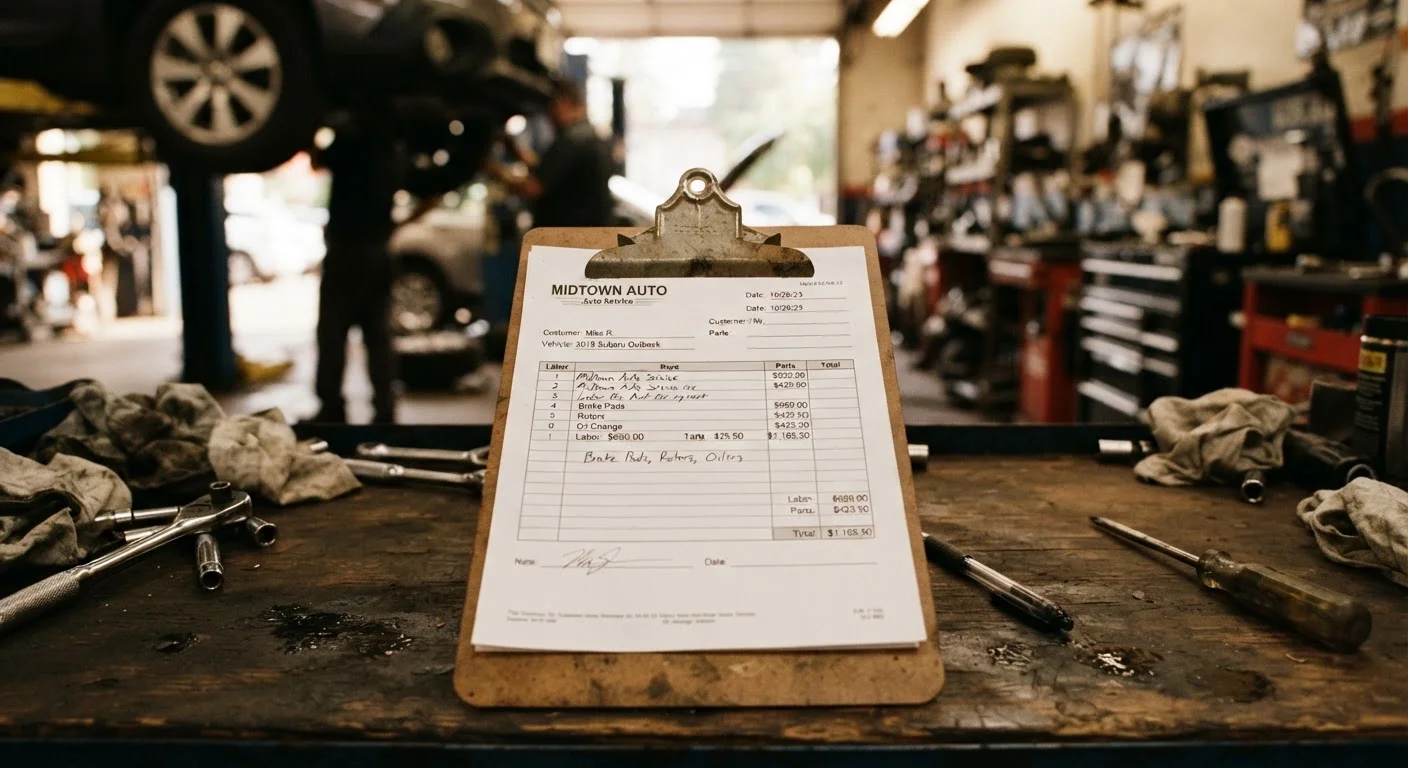
The key variable is finding a shop you can trust. Before authorizing any significant work, it helps to understand how to read a repair estimate so you can ask the right questions regardless of where you go.
What the Warranty Question Really Means
The Magnuson-Moss Warranty Act: What It Covers
Federal law generally prohibits manufacturers from voiding a vehicle warranty solely because the owner used an independent shop for routine maintenance. The critical condition is that the service must meet the manufacturer's specifications and be documented with receipts. This law does not apply to free scheduled maintenance programs offered by some manufacturers, which may have their own terms. Always verify the specifics in your own warranty documentation.
A common misconception is that using an independent shop automatically voids your manufacturer's warranty. Under the Magnuson-Moss Warranty Act, a manufacturer generally cannot void your warranty simply because you had routine maintenance performed at an independent shop, as long as the service meets the manufacturer's specifications. The exception is if the independent shop's work directly caused the failure being claimed. When in doubt, keep receipts and records of every service - and consult your warranty documentation directly.
How to Decide for Your Situation
A few practical factors help clarify the choice:
- Vehicle age and warranty status: Under warranty, a dealer is often worth the higher cost for documentation and compliance. Post-warranty, the calculus changes.
- Repair complexity: Software updates, advanced driver-assistance system (ADAS) calibration, and recalls typically require dealer-level equipment and authorization.
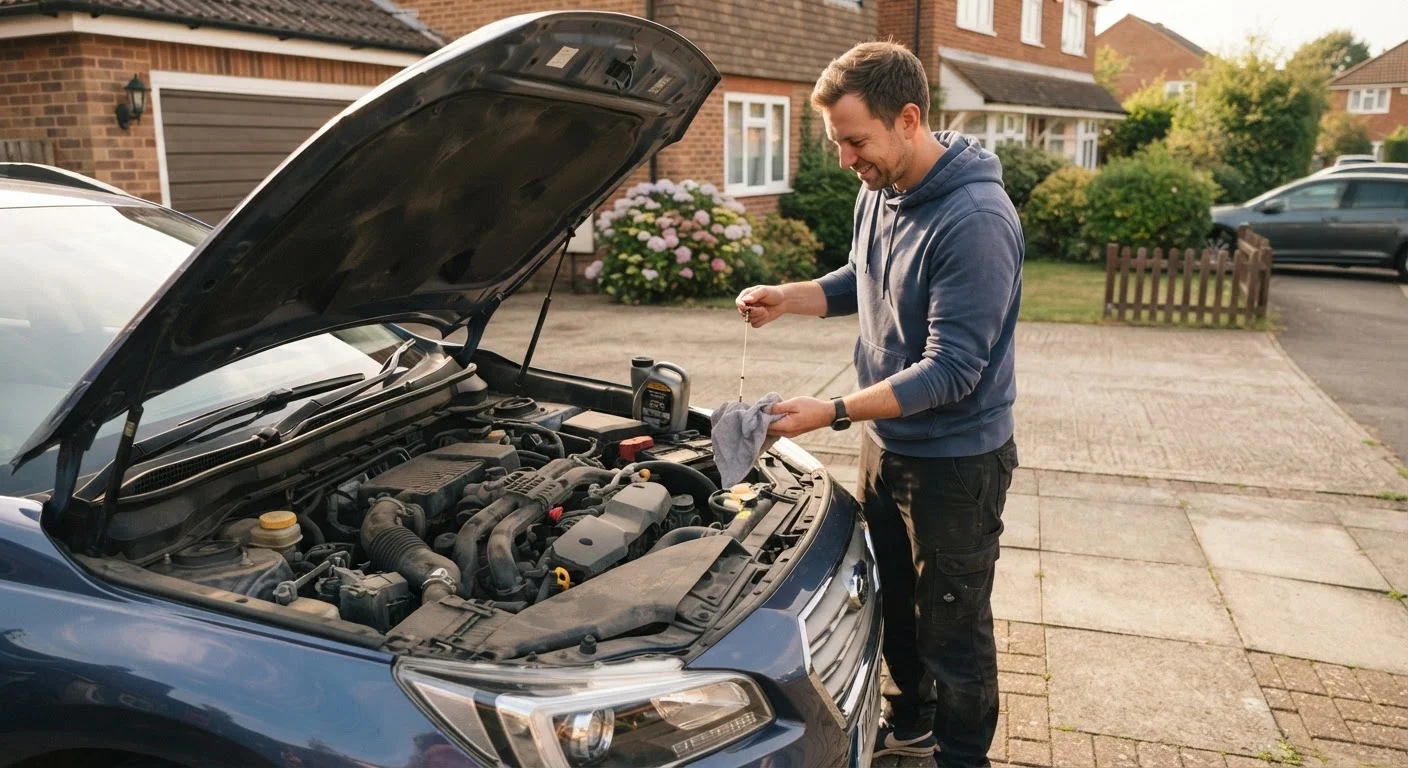
- Routine vs. specialized work: Oil changes, filters, brakes, and similar services are well within the capability of most reputable independent shops. If you're curious where the line sits between shop work and what you might handle yourself, see our guide on DIY vs. shop maintenance.
- Cost sensitivity: If you're managing a tight budget and your car is out of warranty, a trusted independent shop can meaningfully reduce your maintenance costs over time.
~30-40%
Typical labor rate difference: dealer vs. independent
Industry observers and consumer advocacy groups have noted that dealership labor rates often run 30-40% higher than independent shops for equivalent work, though this varies by region and vehicle brand.
~70%
Share of service work done outside dealerships
According to automotive industry research, the majority of maintenance and repair work on vehicles more than a few years old is performed at independent shops rather than dealerships.
The bottom line: your best option is the shop - dealer or independent - that communicates clearly, provides written estimates, and has a verifiable track record. That standard applies equally to both.