
Why Deferred Maintenance Costs You More Than the Asking Price
Buying a used car comes with real opportunity - and real risk. The asking price is only part of the equation. A vehicle that looks clean on the surface can be carrying thousands of dollars in neglected repairs that the previous owner simply kicked down the road. The good news is that deferred maintenance leaves evidence, and most of it is visible to anyone willing to look carefully before signing anything.
These warning signs apply whether you're evaluating a car at a dealership, buying from a private seller, or taking over a vehicle from a family member. You don't need a mechanic's certification to spot most of them - just a methodical eye and a little time. That said, if something raises a red flag, getting a pre-purchase inspection from a qualified mechanic before you commit is always worth considering.
Dark, gritty, or low engine oil
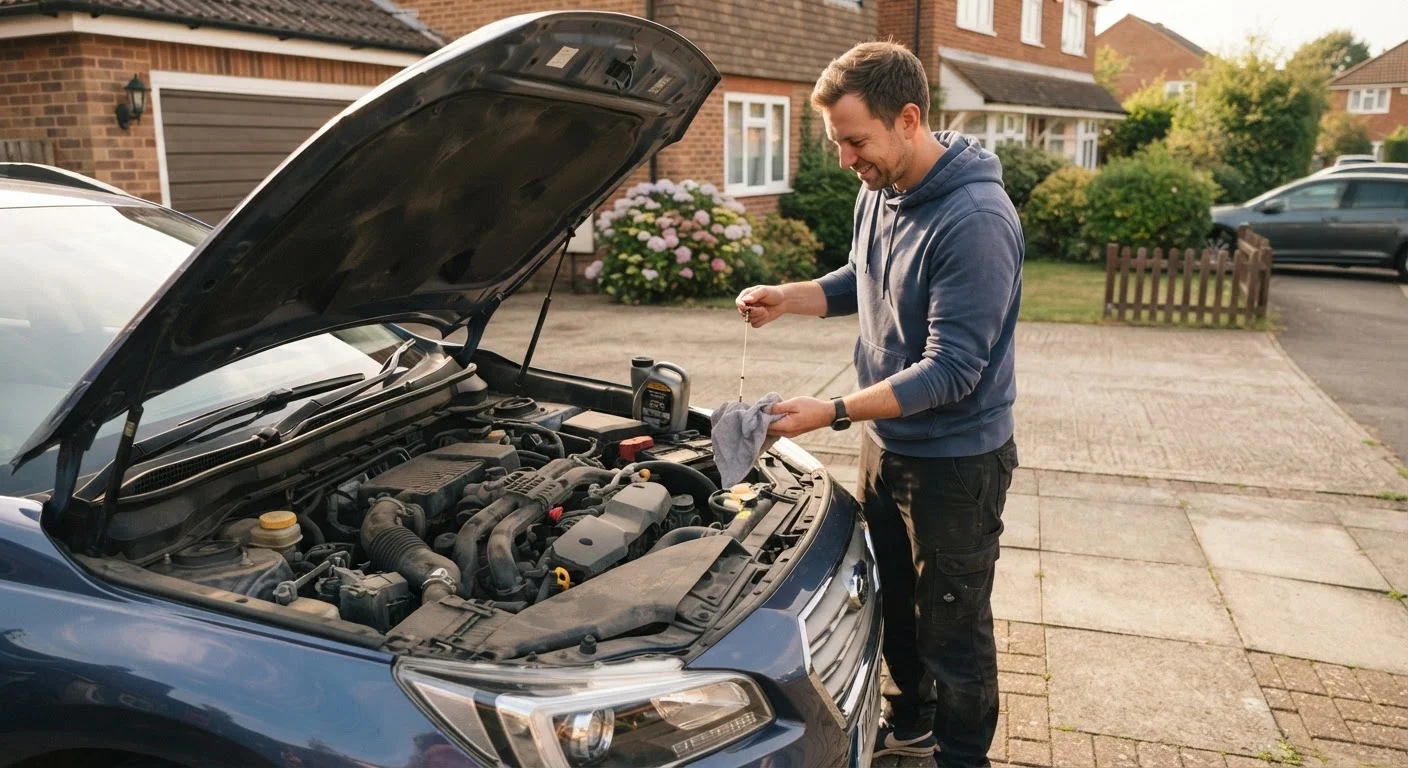
Pull the dipstick and wipe it on a white cloth. Fresh oil is amber-colored and mostly transparent. Oil that looks nearly black, feels gritty, or smells burnt hasn't been changed on schedule. Even worse: oil that's below the minimum line on the dipstick means the engine may have been running low for some time, which accelerates internal wear. This is one of the fastest and most reliable checks you can do on any used vehicle.
Oil that's black or gritty is a clear sign routine changes were skipped.
Coolant that looks rusty or milky
Open the coolant reservoir (when the engine is cold) and look at the color. Healthy coolant is typically bright green, orange, or pink depending on type. If it looks brown and rusty, the cooling system hasn't been flushed in a long time. If it looks milky or foamy, that's a more serious signal - it can indicate oil mixing with coolant, which sometimes points to a failing head gasket. That's an expensive repair, and it's worth knowing about before any money changes hands.
Milky coolant can signal a failing head gasket - a costly fix to inherit.
Uneven or severely worn tires
Tires wear unevenly when alignment, tire rotation, or suspension components have been neglected. Wear concentrated on one edge of the tread typically points to alignment problems; cupped or scalloped wear across the tread suggests worn shocks or struts. Beyond what the tires themselves cost to replace, the underlying mechanical issues can affect handling and safety. Check all four corners, not just the two you can easily see from the driver's side. Our pre-trip vehicle check guide covers tire inspection as part of a broader routine.
Uneven tread wear is rarely just a tire problem - it usually signals something deeper.
Brake pads worn to the metal
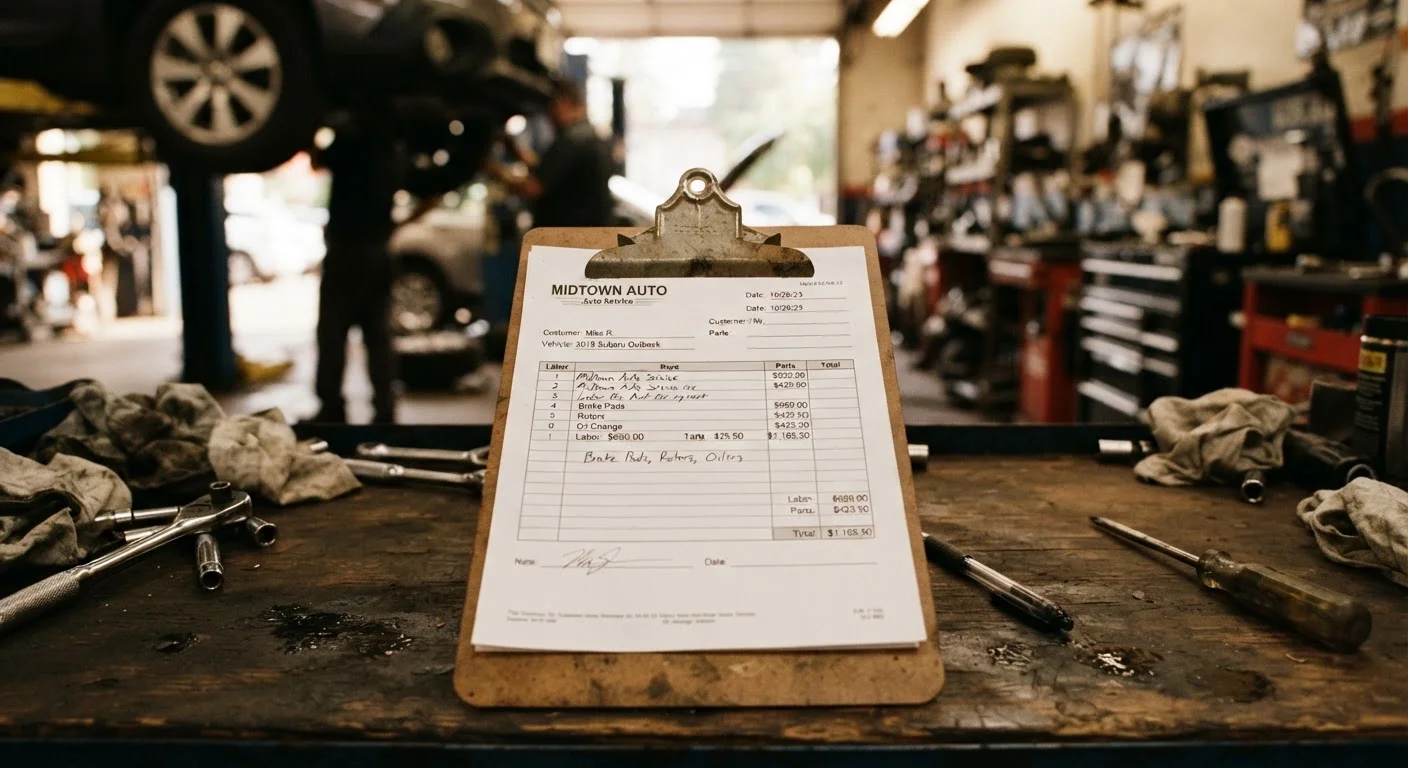
If you hear a grinding noise when the car decelerates during a test drive, the brake pads may be worn down to bare metal, meaning they've been ignored well past their service life. On vehicles with open-spoke wheels, you can sometimes see the rotor and caliper directly and estimate pad thickness visually. Worn pads damage rotors, turning what would have been a simple pad replacement into a more expensive rotor replacement job. For a deeper look at what brake wear looks and sounds like, see our article on keeping tabs on brake wear.
Grinding brakes on a test drive mean pads have been ignored past the point of simple replacement.
Dashboard warning lights that are on - or covered
Take note of any warning lights illuminated when the car starts. A check engine light, oil pressure warning, or temperature gauge sitting in the red are all signs that problems have been flagged and ignored. Some sellers will clear codes right before a sale to temporarily extinguish the lights - another reason to consider a pre-purchase scan with an OBD-II reader, which any mechanic or auto parts store can do quickly. Our dashboard warning lights reference explains what each symbol typically means.
A check engine light that's been reset right before a sale will often return within a few drive cycles.
Water stains or musty smell inside the cabin
Water intrusion is easy to miss at first glance but hard to fix cheaply. Check the floor mats - lift them and press down on the carpet underneath. Damp carpet or water stains on the lower door panels suggest a leaking seal, a clogged drain, or past flooding. A persistent musty smell even in a seemingly clean interior often means mold has taken hold in the carpet padding or HVAC system. Mold remediation is time-consuming and can be expensive, and it's not something that shows up on most standard checklists.
Damp carpet under clean floor mats is a common way water damage gets hidden before a sale.
Signs of surface rust in unusual places
Some surface rust on brake rotors is normal after a car sits overnight - it usually clears after a few stops. What's more concerning is rust along frame rails, around suspension mounting points, inside wheel wells, or at the base of body panels. Structural rust can compromise safety in a crash and is expensive to address properly. In high-salt regions of the US, this type of corrosion is common on older vehicles and can be hard to spot without getting the car on a lift. Don't rely solely on a walk-around at eye level.
Rust on frame rails or suspension points is a structural concern, not just a cosmetic one.
Don't Stop at What You Can See
Visual checks will catch a lot, but deferred maintenance isn't always on the surface. Pull a vehicle history report and actually read it - look for gaps in service records, not just accident entries. Our guide to reading a used car history report walks through exactly what each section means and which gaps deserve the most concern.
If you do end up buying the car, make sure you understand what routine upkeep looks like going forward. The Car Maintenance for New Drivers guide is a solid starting point for building habits that prevent the same problems from building up again. A poorly maintained car isn't necessarily a deal-breaker - but it is a negotiating point, and it demands a clear-eyed plan before you take the keys.
Always Negotiate Based on What You Find
Every maintenance issue you identify is a legitimate factor in the car's real value. If the oil is sludgy, the tires are uneven, and a dashboard light is on, those aren't cosmetic concerns - they represent near-term repair costs. You can factor that into the price you offer, or use the findings to decide whether the car is worth pursuing at all. Understanding how vehicle condition affects long-term value pairs well with a basic understanding of how depreciation works.