
The Paperwork Pile-Up: Registration, Title, and Insurance Gaps
Buying a car - new or used - comes with a stack of deadlines most first-time owners aren't warned about. The most common early mistake is treating registration as something to get around to eventually. Most states require you to register and title a newly purchased vehicle within 30 to 90 days. Miss that window and you're looking at late fees, and in some cases, a vehicle you can't legally drive. If you've recently relocated, the clock resets - check out what re-registering in a new state actually involves before you assume your old plates are still valid.
Insurance is the other paperwork trap. Carrying your state's minimum liability coverage satisfies the legal requirement, but it may leave a significant gap between what your policy pays and what an accident actually costs. New owners often don't realize that minimum coverage typically pays only for damage or injury you cause to others - not your own vehicle or medical bills. Before you assume you're covered, read your declarations page and understand the difference between liability, collision, and comprehensive coverage.
Don't Assume the Dealer Handles Registration for You
Some dealerships file title and registration paperwork on your behalf - others do not. Confirm in writing what the dealer will handle before you leave the lot. If they're not submitting it, the clock is already ticking on your state's deadline.
Maintenance Missteps That Compound Over Time
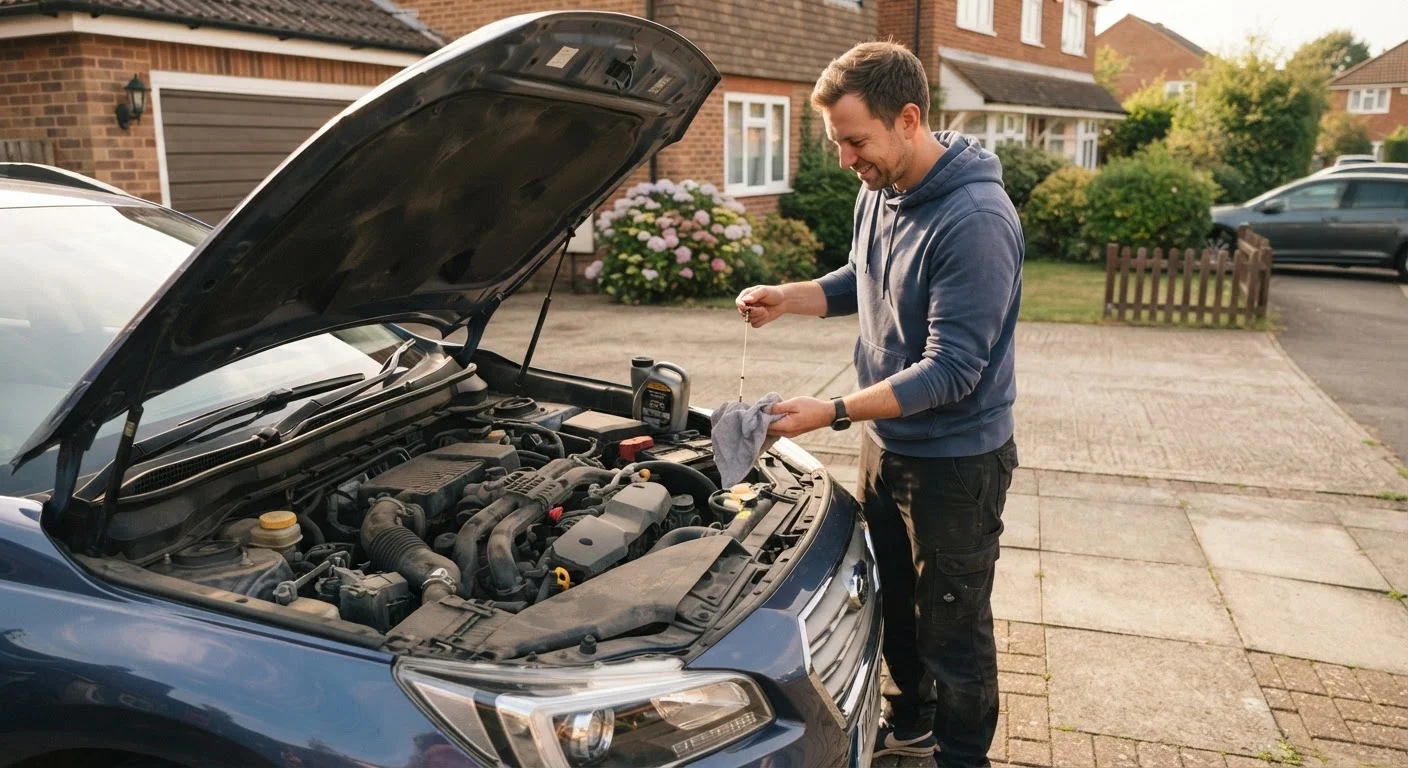
The single most common mechanical mistake in year one is treating the oil change interval as flexible. Modern vehicles have extended oil life, but that doesn't mean indefinite. Skipping or delaying oil changes allows engine wear to accumulate quietly - you won't notice it immediately, but you will notice it when repair bills arrive. Your owner's manual, not a quick internet search, is the authoritative source for your specific vehicle's service schedule.
Tires get neglected just as often. Improper inflation reduces fuel economy, increases wear, and affects braking distance. A tire pressure check takes two minutes and costs nothing. Rotation intervals - typically every 5,000 to 7,500 miles - keep wear even and extend tire life. For a full rundown on building these habits from the start, see our guide on car maintenance for new drivers.
Missing the vehicle registration deadline after purchase or relocation.
Why it happens: Buyers are focused on financing and insurance at purchase time and assume registration can wait. State-specific deadlines aren't always communicated clearly at the dealership.
Carrying only minimum liability insurance and assuming it's sufficient.
Why it happens: Minimum coverage is the cheapest option and satisfies the legal requirement, making it easy to mistake 'legal' for 'adequate.'
Delaying or skipping oil changes and other scheduled maintenance.
Why it happens: Engine wear is invisible and gradual, so skipping a service interval feels consequence-free in the moment.
Ignoring dashboard warning lights for days or weeks.
Why it happens: If the car still seems to drive fine, new owners often assume the light is a false alarm and put off investigating.
Failing to read the owner's manual for maintenance intervals and warranty terms.
Why it happens: Owner's manuals are long and intimidating. Most people never open them past the first week.
Warning Lights, Warranties, and Other Easy-to-Miss Responsibilities
Dashboard warning lights are not suggestions. New owners often assume a check engine light that doesn't affect how the car drives can wait. Sometimes that's true - a loose gas cap can trigger it. But it can also signal something that will worsen and become expensive if left alone. Getting the code read (many auto parts retailers will do this at no charge) takes the guesswork out of it.
Warranties are another area where new owners leave money on the table. A new vehicle typically comes with a bumper-to-bumper warranty and a separate powertrain warranty, each with specific terms. Having non-dealer work done doesn't automatically void your warranty - that's a common misconception - but you do need to keep maintenance records and use parts that meet the manufacturer's specifications. Read what's actually covered before you assume.
Beyond the mechanical side, there's a broader set of habits worth developing early. The fundamentals of safe driving and responsible ownership go hand in hand - what you do behind the wheel affects the car's long-term condition just as much as what you do in the driveway.
1 in 5
Drivers who skip scheduled oil changes
Industry surveys consistently find a significant share of drivers delay or skip oil changes beyond the manufacturer's recommended interval.
30-90 days
Typical state registration window after purchase
Most U.S. states require new vehicle registration within this timeframe; exact deadlines vary by state and can be confirmed through your state's DMV.