
Why Gadgets Don't All Age the Same Way
When a device starts misbehaving, it's tempting to assume the whole thing is worn out. In reality, a gadget is a collection of very different components - each with its own failure timeline. Some parts wear out through chemistry, others through mechanical repetition, and others through cumulative heat exposure. Understanding these categories helps you diagnose problems more accurately and decide whether a repair makes sense.
For a deeper look at what's actually inside your phone, see our guide to smartphone hardware components. And if your device feels sluggish, it's worth checking whether software habits are the real cause before assuming hardware decline.
~500
Charge cycles before noticeable battery decline
Most lithium-ion battery manufacturers rate cells to retain roughly 80% capacity at this cycle count under standard conditions.
2-3 years
Typical smartphone battery useful life
Based on average daily charging patterns, most users reach significant battery degradation within this window under typical use.
3-5 years
Average useful hardware lifespan for smartphones
Industry observers broadly cite this range as the point at which hardware performance, battery condition, and software support converge to prompt replacement.
Batteries: The Most Predictable Failure Point
Lithium-ion batteries - found in smartphones, laptops, earbuds, and most portable devices - degrade through a well-understood chemical process. Each charge cycle causes minor structural changes inside the battery cells, reducing their ability to hold charge. Manufacturers typically rate batteries to retain around 80% of original capacity after a set number of cycles, often between 300 and 500 for phones and 500 to 1,000 for laptops.
Heat accelerates this degradation significantly. A phone left on a hot car dashboard, or a laptop that regularly runs hot on a blanket without ventilation, will see its battery age faster than the cycle count alone would suggest. This is why battery performance is the most common complaint about devices that are two to three years old - the hardware is otherwise fine, but the energy storage has quietly diminished.
Slow Battery Aging With a Few Simple Habits
Keeping your battery between roughly 20% and 80% charge rather than running it to zero and charging to 100% each time can meaningfully slow degradation. Many phones now offer a charging limit setting in their battery menu for exactly this reason. Avoiding extended exposure to high heat - including leaving a device in a hot car - is equally important.
Ports, Jacks, and Connectors: Mechanical Wear Over Time
Physical connectors - USB-C ports, Lightning ports, old Micro-USB ports, and headphone jacks - wear out through mechanical stress, not electronic aging. Every time a cable is plugged in, small metal contacts inside the port flex slightly. Over hundreds or thousands of insertions, the retention clips can loosen, contacts can deform, and the fit becomes unreliable.
This is one reason wireless charging and wireless audio have grown in popularity: removing the cable entirely removes the wear mechanism. If you're curious about how connector standards have evolved and what USB-C actually unifies, our explainer on port changes and USB-C covers the history and what it means for your devices.
Screens, Storage, and the Parts That Outlast Everything Else
Display panels age differently depending on the technology. LCD screens are generally durable and resist burn-in, but their backlights can dim gradually over years of use. OLED screens - now common in premium phones and many laptops - can develop burn-in when static elements (like navigation bars or keyboard shortcuts) are displayed at high brightness for long periods. Most modern OLED devices include software features to slow this process.
Solid-state storage (the flash memory that holds your files) has a finite number of write operations before cells degrade, but under typical consumer use - browsing, streaming, occasional file saving - most users never approach that limit during a device's useful life. The processor and wireless radios are usually among the most durable components and rarely fail from age alone.
What often retires a gadget before any hardware fails is the end of software support. When a manufacturer stops providing security updates, a device becomes increasingly risky to use even if it runs fine. This is a form of planned obsolescence driven by software rather than physics.
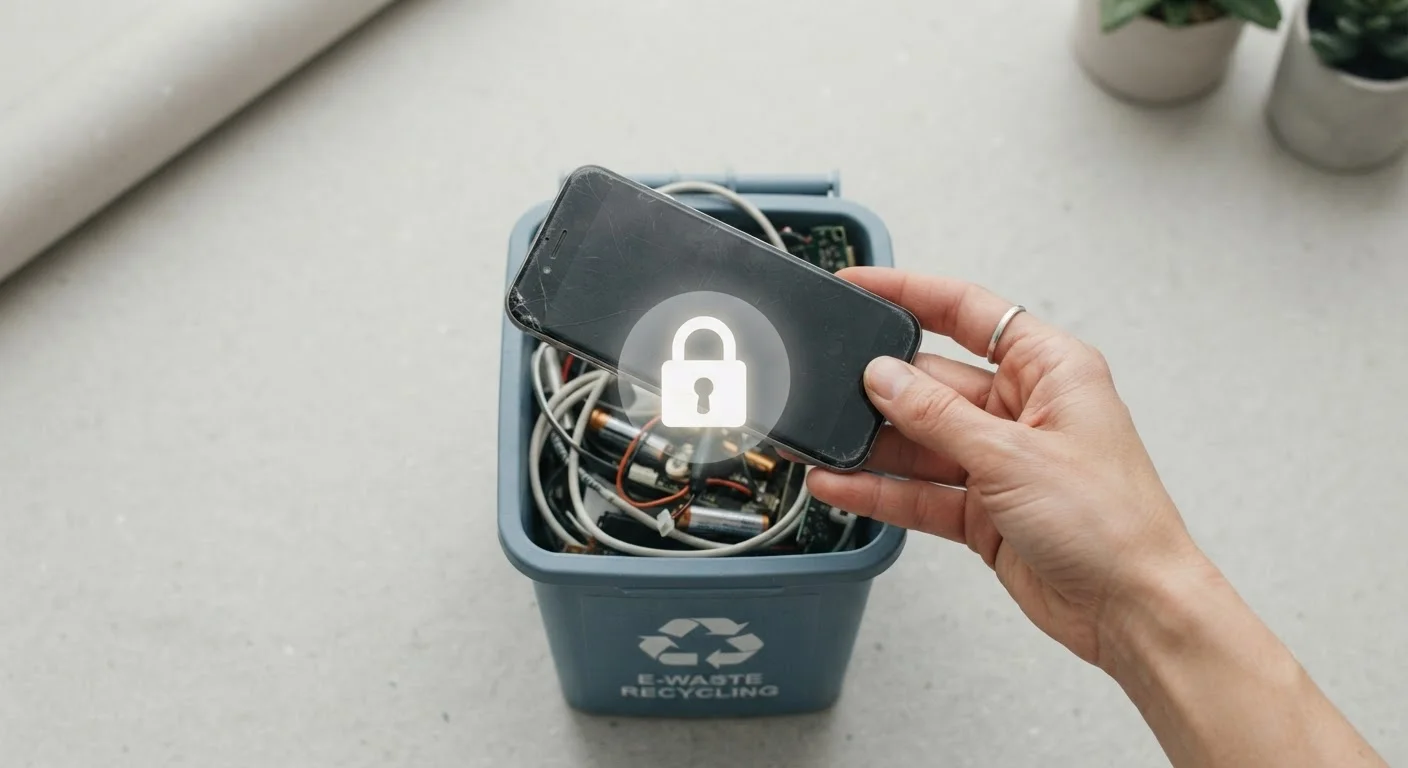
For habits that genuinely slow hardware aging, see our guide to extending device lifespan. And when a device does reach end of life, our privacy checklist for retiring devices walks through what to do before it leaves your hands.
Gadget Myths Worth Knowing
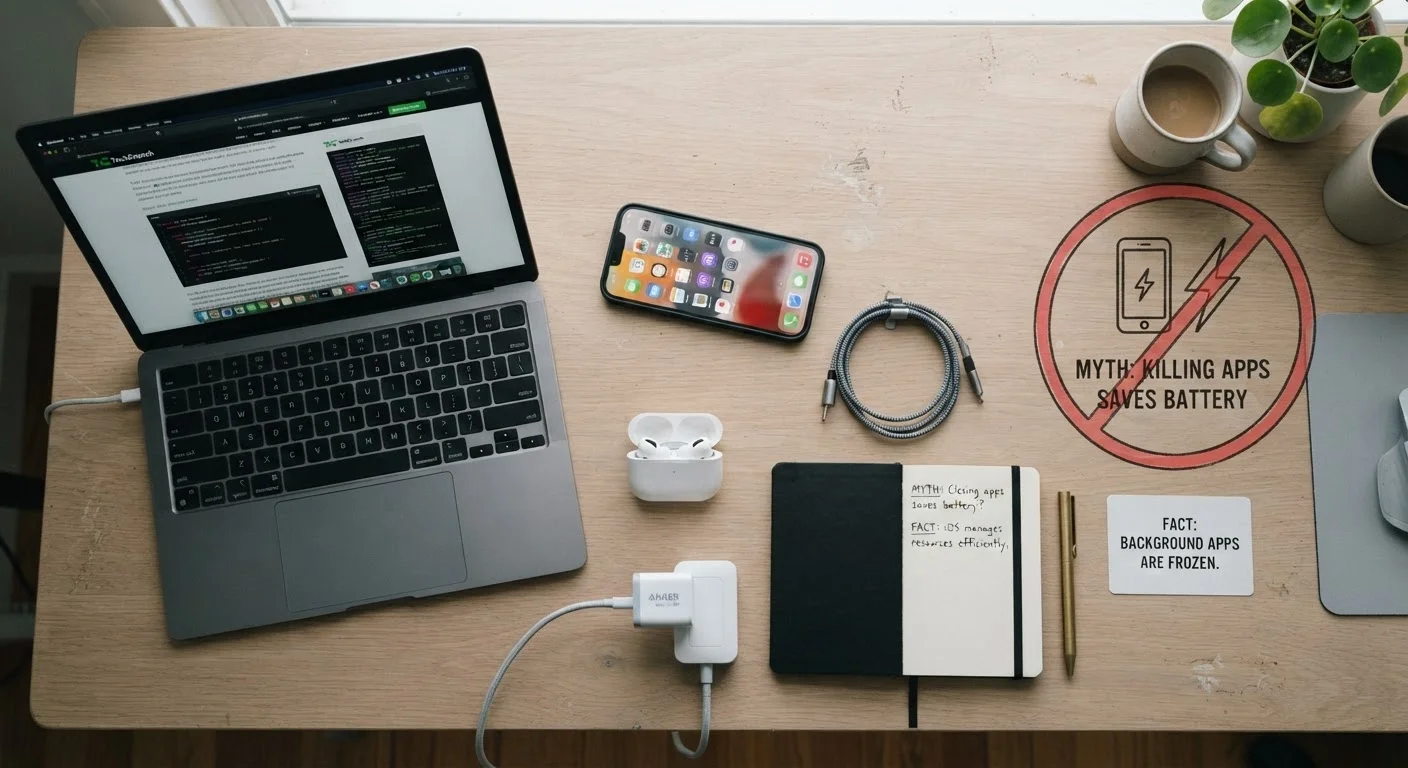
Some common beliefs about device aging - like the idea that charging overnight always destroys batteries, or that more cores always means better performance - don't hold up under scrutiny. For a closer look at widespread misconceptions, our article on gadget myths separates fact from folklore.