Why Software Habits Matter More Than Hardware Age
When a phone starts feeling sluggish, the instinct is to blame aging hardware. But before assuming the device has simply run its course, it's worth looking at daily software behaviors - they are frequently the real culprit. Modern smartphones are engineered to handle demanding tasks, but they depend on a reasonably well-managed software environment to do so efficiently.
The operating system, the apps installed, and how those apps are configured all interact constantly in the background. Poor habits compound over months until what was once a snappy device feels like it's wading through mud. The good news is that most of these issues are reversible. For a broader look at what hardware components actually age and how, see what typically wears out first in consumer gadgets.
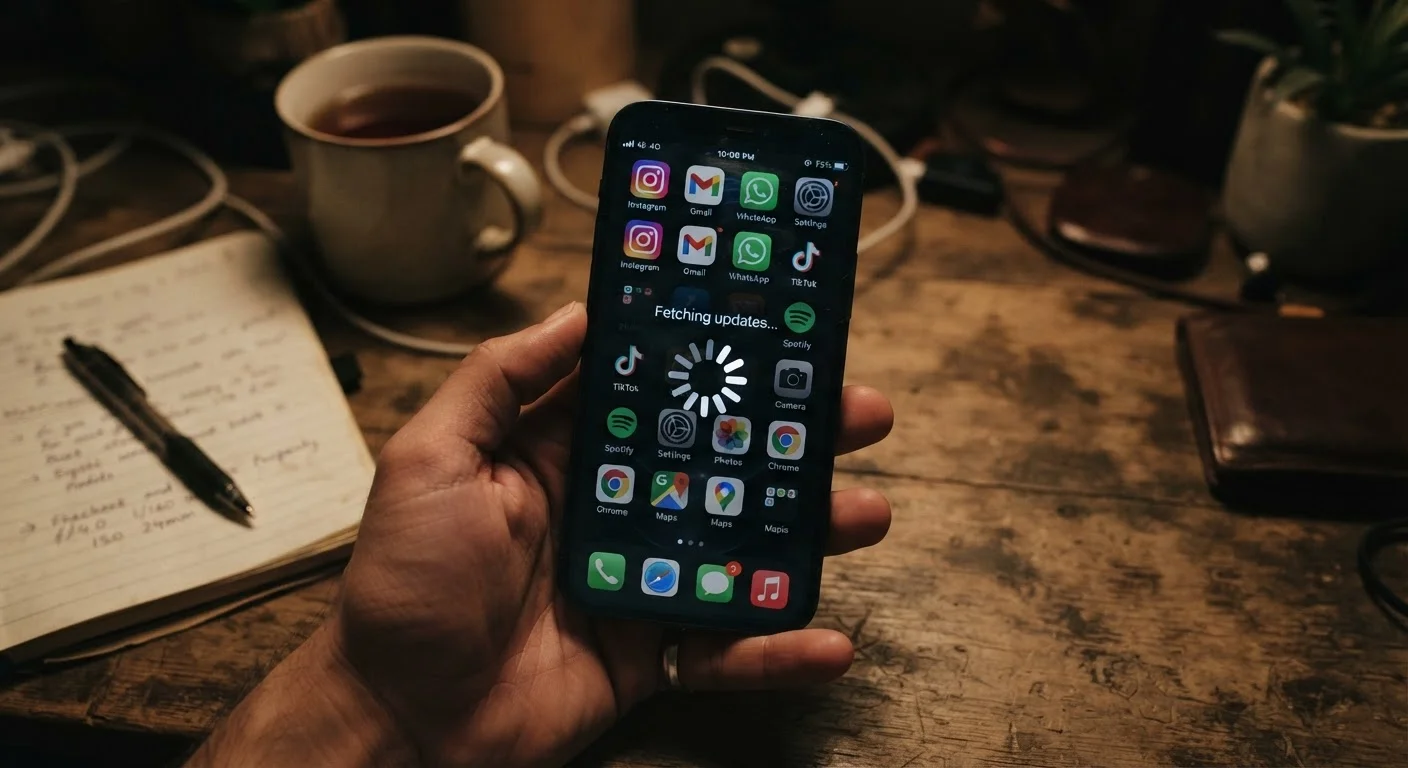
Allowing every app to run background refresh and access location services simultaneously.
Why it happens: Apps request these permissions during setup, and most users accept the defaults without revisiting them later.
Skipping software updates for weeks or months at a time.
Why it happens: Updates can feel disruptive, and many people postpone them indefinitely to avoid downtime or fear that changes will alter familiar features.
Letting device storage fill to near capacity.
Why it happens: Storage fills gradually through photos, app data, and downloads, so the creep often goes unnoticed until performance problems appear.
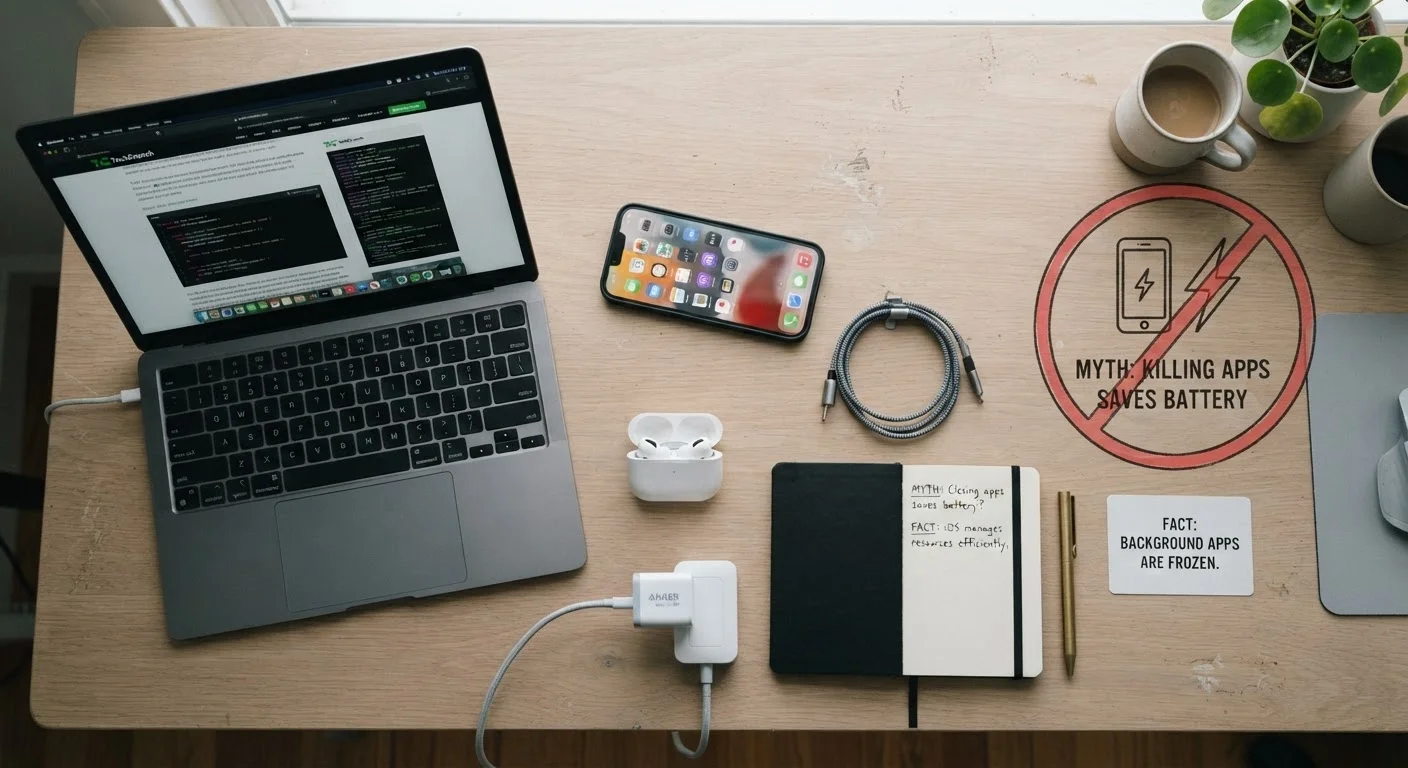
Force-closing every app from the multitasking view after each use.
Why it happens: There's a widespread but inaccurate belief that open apps in the task switcher are always consuming CPU and memory. Closing them seems like good housekeeping.
Never clearing accumulated app cache and stored data.
Why it happens: Most users aren't aware that apps continuously write temporary data to storage, and there's no visible indicator when this becomes excessive.
Practical Steps to Reclaim Your Phone's Speed
Addressing software-related slowdowns doesn't require technical expertise - it mostly requires forming a few deliberate habits. Start by auditing which apps have background refresh and location access enabled. On both Android and iOS, these settings live in the main system preferences under individual app permissions. Revoke any access that isn't genuinely necessary for an app to function.
Don't Mistake Slow Phone for a Dead Battery
A degraded battery can cause a phone's processor to throttle itself to prevent unexpected shutdowns - a behavior both Apple and Google have documented in their OS designs. If your phone slows down specifically under load or drains unusually fast, check battery health in system settings before attributing the problem to software alone. Addressing battery health is a separate issue from the software habits described here.
Storage management is equally important. Make a point of reviewing your storage usage every few months - your phone's settings app shows a breakdown by category. Move photos to a cloud backup service or a computer, and uninstall apps you haven't opened in three months or more. The Digital Clutter device audit offers a structured checklist for working through this systematically.
Finally, let your phone's operating system do its job. Keep automatic updates enabled, avoid dismissing system update notifications, and allow the device to restart after updates complete. These steps alone can restore a noticeable amount of responsiveness - often without spending a dollar on new hardware. If you want to go further, habits that genuinely extend device life covers broader practices that keep phones performing well for years.