What a Subscription App Actually Is
A subscription app charges a recurring fee - typically monthly or annually - to maintain access to the software. Cancel the subscription, and access usually stops, even if you've paid for years. This differs from a traditional one-time purchase, where you pay once and own a permanent license to that version.
The subscription model has become the dominant approach for everything from creative software and productivity tools to fitness trackers, password managers, and entertainment platforms. Understanding what you're actually agreeing to - including auto-renewal terms, data storage, and cancellation policies - matters more than most users realize. For a deeper look at how fine-print auto-renewal clauses work across industries, see how unexpected renewal terms catch consumers off guard.
The Advantages Worth Crediting
Subscription apps offer real, tangible benefits when the model is applied to software that genuinely needs to evolve over time.
Continuous updates keep software current and secure
Developers on subscription models push security patches and feature improvements regularly, meaning users aren't stuck on an outdated version with unresolved vulnerabilities.
Lower upfront cost lowers the barrier to entry
Paying $5-15 per month is easier to absorb than a $100+ one-time purchase, making capable software accessible to users who couldn't justify the lump-sum cost.
Cloud sync works seamlessly across multiple devices
Subscriptions usually include cloud storage and sync, so your data - notes, files, settings - stays consistent whether you're on your phone, tablet, or computer.
Access to the latest version, always
Unlike perpetual licenses that freeze at a specific version, subscriptions automatically include new versions and features as they ship, without additional payment.
Easier to cancel than a sunk-cost purchase
Psychologically and financially, a subscription is easier to walk away from than a large one-time investment, allowing users to stop paying when an app no longer fits their needs.
For users who work across a phone, tablet, and laptop, cloud sync alone can justify recurring costs. And because developers receive predictable revenue, they tend to invest more consistently in security patches and feature improvements - something that benefited users of collaboration and cloud-storage tools significantly as remote work expanded. If you're curious whether the apps already on your device cover your needs before subscribing, your phone's built-in apps may offer more than you think.
The Disadvantages That Deserve Equal Attention
The same model that funds continuous development also creates real drawbacks - especially for users who don't scrutinize their recurring charges.
Costs compound significantly over months and years
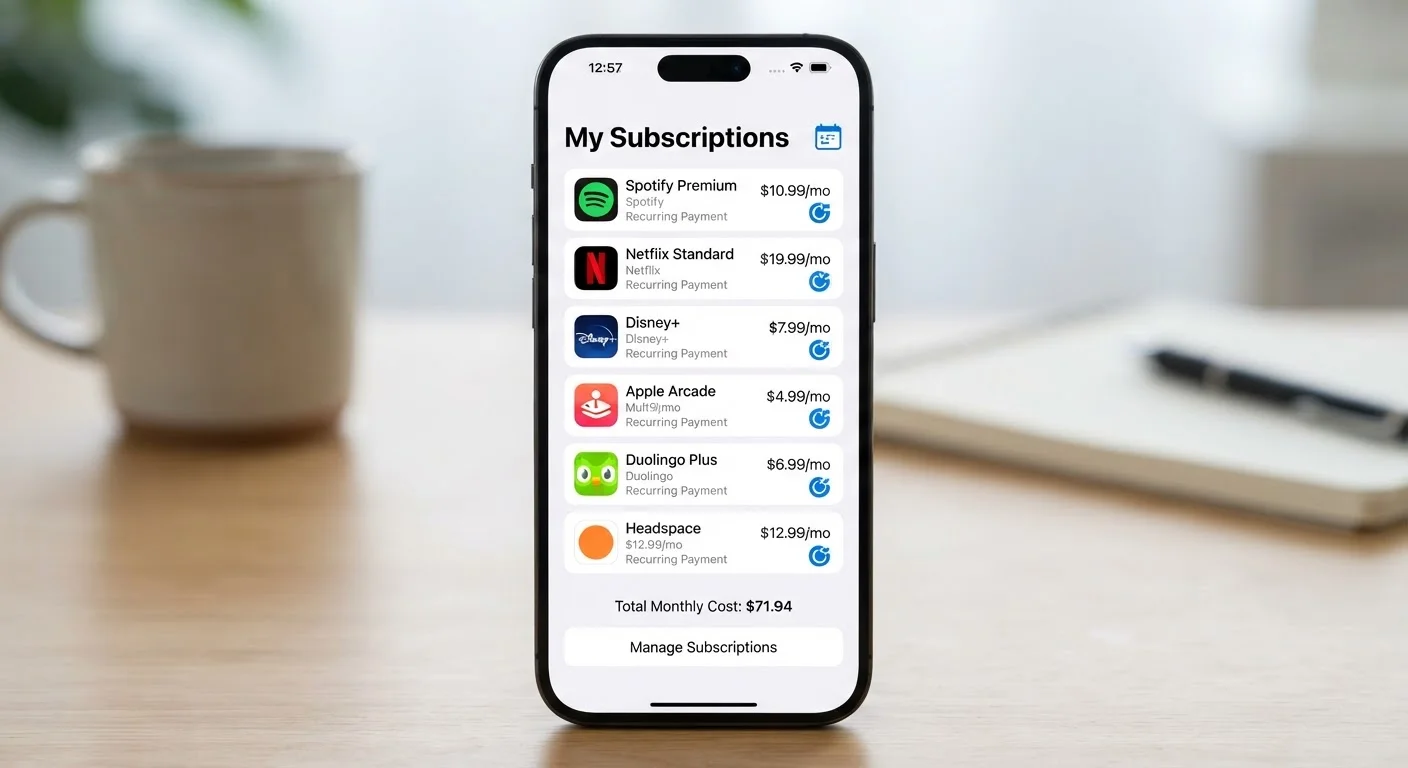
Multiple small subscriptions combine quickly - three or four apps at $8-12 each can easily exceed $400 annually, often without the user noticing the cumulative total.
Auto-renewal charges continue unless actively cancelled
Most subscriptions renew automatically; users who forget to cancel after a trial or after losing interest are charged again, sometimes for a full annual term.
Access ends immediately upon cancellation
Unlike a purchased license, cancelling a subscription typically cuts off access to the app and sometimes the data stored within it, regardless of how long you've been a paying customer.
Dependency on developer's continued service
If the company changes pricing, is acquired, or shuts down, your access and stored data can be disrupted with limited warning - a risk that doesn't exist with locally installed, one-time-purchase software.
Value erodes with infrequent use
An app used once a month delivers poor value at a monthly subscription price; the model rewards heavy users and penalizes casual ones without adjusting the cost.
$273
Average annual US consumer subscription spend
Research from C+R Research found that US consumers spend an average of $273 per year on subscription services, often underestimating their total spend by a wide margin.
2.5x
How much consumers underestimate subscription costs
The same C+R Research study found consumers typically underestimate their monthly subscription spending by a factor of roughly 2.5 compared to their actual charges.
The cumulative cost issue is the most common complaint: an app priced at $10/month costs $120 per year, which can exceed what a comparable one-time license once cost. Tracking your total subscription spend across apps is genuinely useful - the same discipline that applies to tracking every dollar in your budget applies here too. Additionally, subscription apps frequently request broad permissions; it's worth understanding what app permissions actually mean for your privacy before agreeing.
How to Evaluate Whether a Subscription Is Worth It
A few practical questions help cut through the marketing and surface real value:
- How often do you use it? Daily use justifies recurring cost far more than monthly or occasional use.
- Does it sync or store data across devices? If yes, the subscription infrastructure is doing real work for you.
- Is there a capable free or built-in alternative? Many default phone apps handle core tasks well. Compare honestly before subscribing.
- What happens to your data if you cancel? Some apps let you export; others lock your files behind continued payment.
- Is the annual plan meaningfully cheaper? Annual billing typically reduces cost by 15-30% versus monthly, but only if you're confident you'll use it long-term.
Check Your Active Subscriptions Periodically
Both iOS and Android include built-in subscription management screens where you can review every active subscription tied to your account. Checking this list every few months takes under five minutes and frequently surfaces forgotten charges. App stores show renewal dates and amounts, making it straightforward to cancel anything you no longer use before the next billing cycle.
For a structured comparison of free versus paid tiers before committing to a subscription, this guide on free vs. paid app versions walks through the evaluation process clearly.