Why Lease Language Deserves Your Full Attention
A residential lease is one of the most consequential contracts an everyday consumer signs - yet it is routinely treated as a formality. The document that governs where you live, what you owe, and what rights you hold can run a dozen pages of dense legal language. Clauses that seem minor at signing can carry serious financial consequences months later.
The good news is that understanding the most problematic provisions does not require a law degree. It requires knowing where to look and what questions to ask. This article walks through the lease mistakes renters most commonly make - and how to avoid each one before you put pen to paper.
For a broader look at everything a lease legally commits you to, see what key lease clauses really mean before signing anything.
Lease Signatures Are Legally Binding
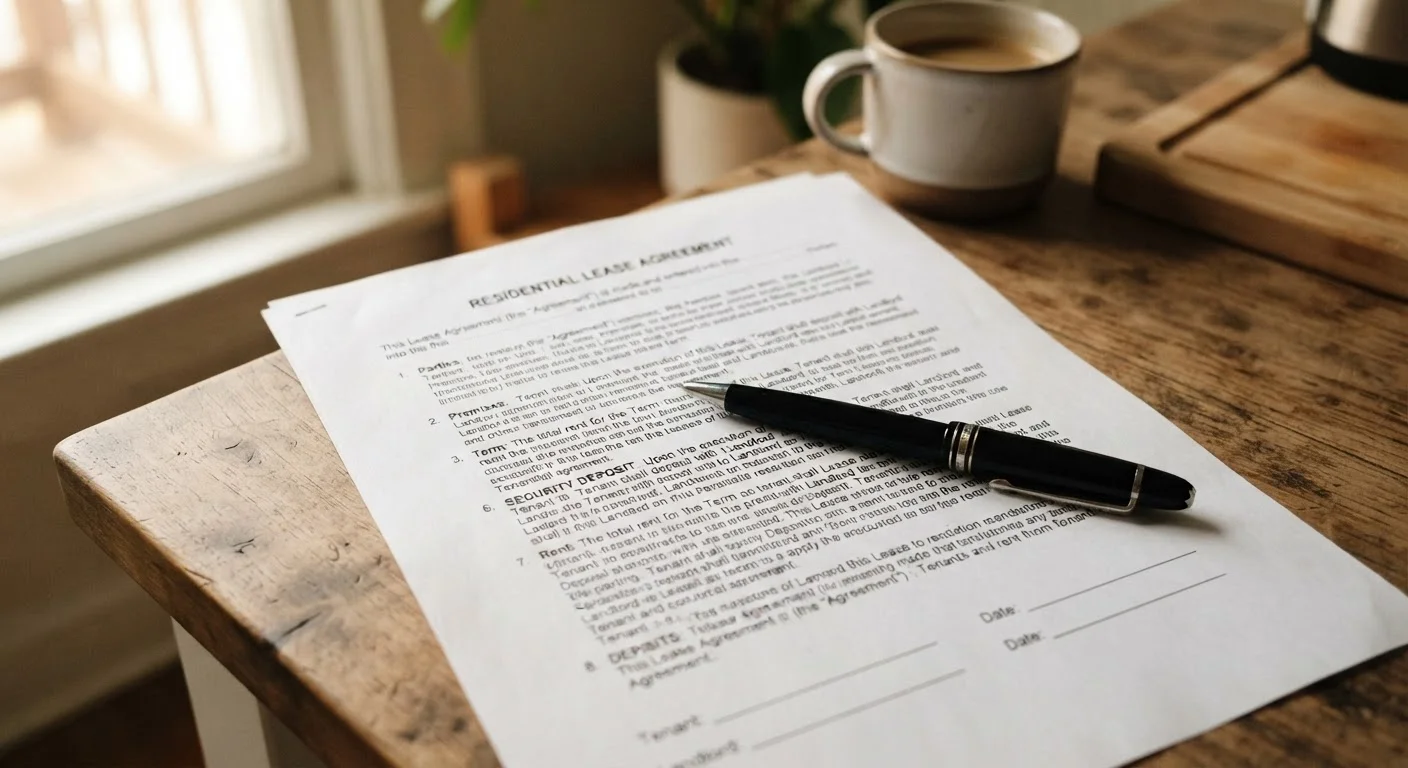
Once you sign a lease, you are contractually obligated to its terms regardless of whether you read them. Courts generally do not grant relief simply because a tenant was unaware of a clause. Review every page carefully and ask your landlord or a tenant rights organization to explain anything unclear before you commit.
Common Lease Mistakes - and How to Avoid Them
The errors below represent the clauses renters most frequently overlook or misread. Each carries a real-world cost: financial penalties, loss of deposit funds, or restrictions on how you use your own home.
Overlooking the early termination clause and assuming you can leave with standard notice.
Why it happens: Renters often skim past penalty sections because they plan to stay the full term. Life circumstances - job relocations, family emergencies - change that plan unexpectedly.
Missing auto-renewal terms and inadvertently committing to another lease term.
Why it happens: These provisions are often written in dense legalese near the end of the document, where attention fades. The notice window - sometimes 60 to 90 days - can pass before renters realize they needed to act.
Assuming subletting or hosting long-term guests is permissible without checking.
Why it happens: Many renters treat subletting as a normal, acceptable option without realizing their lease explicitly prohibits it or requires landlord approval.
Failing to document the unit's condition at move-in, risking unfair security deposit deductions.
Why it happens: Renters trust verbal assurances from landlords or feel awkward raising issues during a pleasant walk-through. Without written or photographic evidence, disputes become one person's word against another's.
Ignoring lease clauses about rent increases, fees, and maintenance responsibilities.
Why it happens: Renters focus on the monthly rent figure and overlook provisions allowing periodic increases, late fees with short grace periods, or obligations to handle minor repairs themselves.
Auto-Renewal Can Trigger Without Warning
Some leases convert automatically to a new fixed-term agreement - not month-to-month - if you miss the notice window. A 60-day notice requirement buried on page four of your lease can mean signing on for another year if you fail to act in time. Calendar your notice deadline the day you move in.
Renter protections also differ significantly by state, so the legal weight of specific clauses - including how much landlords can charge as a late fee, or how many days they have to return a deposit - depends partly on where you live. A state-by-state overview of tenant rights can help you understand the baseline protections in your jurisdiction.
How to Protect Yourself Before and After Signing
Reading the lease carefully is the first step, but protecting yourself is an ongoing process throughout the tenancy. Document every communication with your landlord in writing - email creates a timestamped record that verbal conversations cannot provide. Effective communication habits can make the difference in a dispute over repairs, deposit returns, or lease violations.
~50%
Renters who do not fully read their lease
Survey data from various tenant advocacy organizations consistently suggests roughly half of renters sign leases without reading every clause carefully.
60-90 days
Typical auto-renewal notice window
Many standard residential leases require written notice 60 to 90 days before lease end to avoid automatic renewal into another fixed term.
2-3 months
Common early termination fee range
Early termination penalties in residential leases frequently range from two to three months' rent, though exact amounts vary by agreement and state law.
If any clause is unclear, ask for written clarification before signing - not after. Tenant rights organizations, legal aid clinics, and housing counselors can review leases at low or no cost. Some cities and states also require landlords to provide plain-language summaries of key provisions. Knowing your rights in advance is far less costly than discovering them after a dispute begins.