Why Body Language Matters More Than Command Response
Most pet owners measure a training session by whether their pet performed the requested behavior. But behavioral scientists and professional trainers consistently emphasize a different metric: what the animal's body was communicating throughout the session. A pet can comply with a cue while simultaneously showing clear signs of stress - and repeated sessions in that state erode trust, slow learning, and can escalate anxiety over time.
Understanding your pet's physical signals transforms you from someone issuing commands into a genuinely responsive training partner. It also helps explain the moments that puzzle most owners - when a dog who performed perfectly yesterday suddenly seems to forget everything. For a deeper look at what those signals mean day-to-day, see our full body language guide. This article focuses specifically on applying that knowledge inside a training session.
Use Training as a Relationship Diagnostic
How your pet responds during a training session is a real-time reflection of how safe and secure they feel in the relationship overall. Pets who consistently show engagement and enthusiasm are also typically pets whose stress signals are being heard and respected outside of formal training. Fear-free handling principles extend this philosophy into every interaction, not just planned sessions.
Engagement and Stress Signals to Know Before You Start
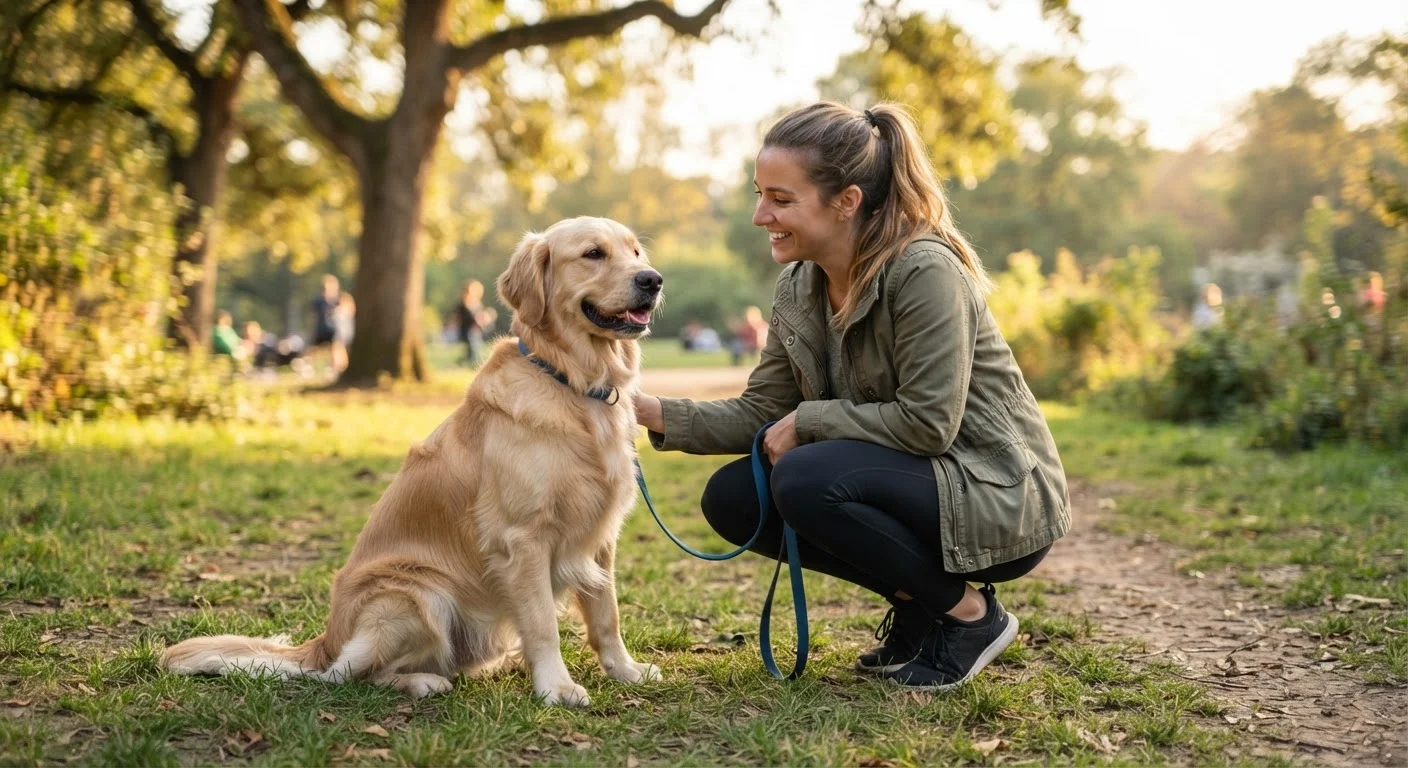
Green-light signals (engaged and ready): soft, blinking eyes; relaxed mouth; ears forward or in a neutral position for the species; loose, wagging tail (in dogs); oriented toward you; quick, willing responses to familiar cues. These indicate your pet is in an optimal emotional state for learning.
Yellow-light signals (mild stress or fatigue): yawning unrelated to sleepiness; lip-licking or nose-licking; slow or exaggerated blinking; sniffing the ground when no scent is present; turning the head or body slightly away; a pause before responding to a familiar cue. These are sometimes called calming signals - the term coined by Norwegian dog trainer Turid Rugaas - and they indicate your pet is communicating discomfort or uncertainty. They are not signs of defiance.
Red-light signals (significant stress - stop the session): whale eye (showing whites of the eyes); hard stare; flattened ears; tucked tail; crouching or freezing; panting without exercise; excessive shedding suddenly appearing; attempts to leave the training space. These require you to end the session immediately, give your pet space, and reassess the environment and approach before the next attempt.
Cats, rabbits, and birds have species-specific variations of these signals. Flattened ears in a cat, a thumping hind foot in a rabbit, or feather-slicking in a bird all communicate distress in context. The principle - look for tension versus relaxation in the body - applies across species.
How to Read and Respond During a Live Session
Establish a baseline before the session begins
Spend 30-60 seconds simply observing your pet before asking for anything. Note their resting posture, eye softness, and overall energy level. A pet who arrives loose, curious, and oriented toward you is ready to work. A pet who is already panting, pacing, or avoiding eye contact may need a calming activity - a sniff walk, a quiet rest period - before training is productive.
Start with something easy to calibrate responsiveness
Begin every session with a behavior your pet knows fluently and enjoys - a simple sit, a hand touch, or a well-practiced recall. This gives you an immediate read on response latency (how quickly they respond) and enthusiasm. Slower-than-usual responses or minimal enthusiasm at this early stage signal the session may need to be shorter or gentler than planned.
Scan your pet's body every 2-3 repetitions
Rather than focusing only on whether the behavior was performed, make a habit of checking ears, eyes, tail carriage, and mouth after every few repetitions. Ask yourself: is the body getting looser or tighter? Is response speed holding steady or slowing? Is your pet volunteering eye contact or looking away? These micro-observations prevent you from missing the gradual build-up of stress that happens between obvious signal displays.
Adjust in real time - simplify, shorten, or stop
If you observe yellow-light signals, choose one of three responses: lower the criteria to something easier, reduce distractions in the environment, or end the session with a successful easy repetition. If red-light signals appear, end immediately without attempting one more rep. Quietly give your pet space and note what preceded the signal - duration, task difficulty, environment - so you can adjust next time.
Log what you observed after each session
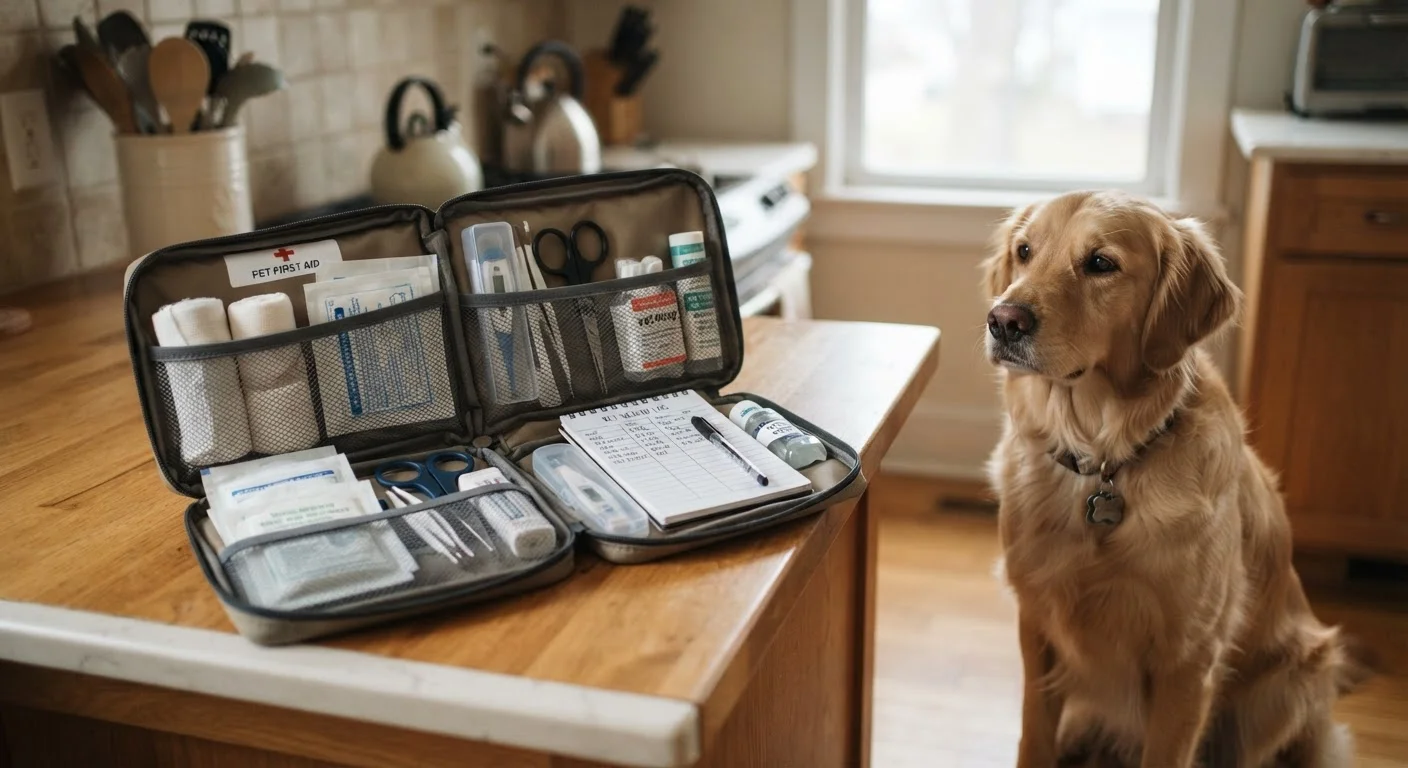
Keep a brief training log - even a few words on your phone - noting which signals appeared, at what point in the session, and what environmental factors were present. Over several sessions, patterns become visible: perhaps your pet consistently disengages after eight minutes, or struggles when children are nearby. This data lets you design sessions proactively around your pet's actual thresholds rather than reacting to them in the moment.
Once the session is underway, continuous observation is the skill to develop. If you notice yellow-light signals emerging, simplify the task - ask for a behavior your pet knows well and can succeed at easily, then end on that positive note. Structuring sessions around your pet's natural engagement window is one of the most practical applications of this skill.
If your pet consistently disengages at a particular point in training, that point is telling you something: the criteria may be too advanced, the reward value too low, the session too long, or the environment too distracting. Understanding why pets disengage helps you troubleshoot rather than repeat the same unproductive pattern.
Also watch your own body language. Leaning over a dog, direct eye contact, rapid movements, or a tense tone of voice all feed into your pet's stress level. Training is a two-way conversation.
Avoid Pushing Through Stress Signals
Continuing to ask for behavior after stress signals appear does not build resilience - it teaches your pet that their communication is ineffective, which can escalate stress responses over time and erode the human-animal bond. Behavioral science is clear that learning is significantly impaired under stress. If you're unsure how to interpret what you're seeing, consult a certified professional trainer or veterinary behaviorist.
When Stress Signals Might Indicate Something Beyond Training
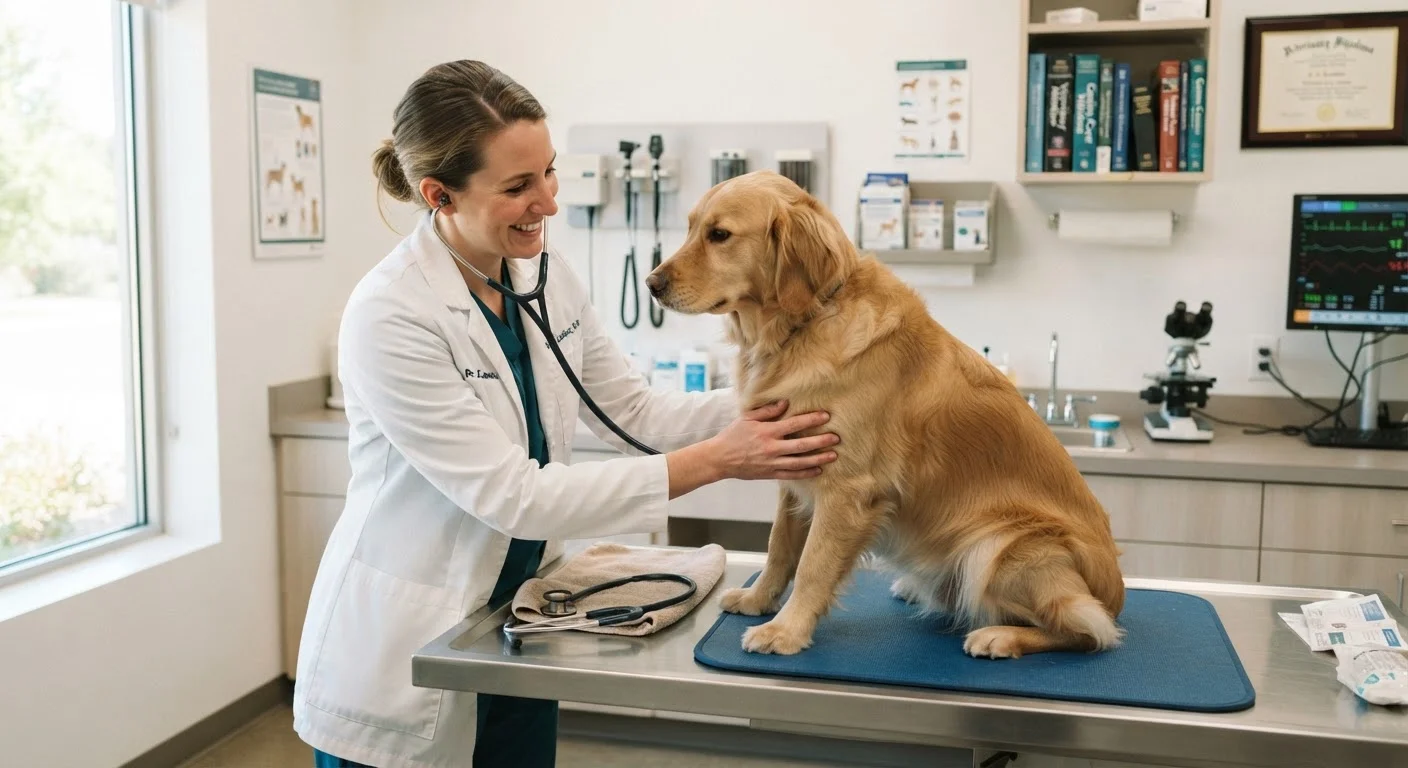
Occasionally, a pet that is suddenly reluctant to train, flinches at touch, or shows unusual behavioral changes during handling may be communicating physical discomfort rather than emotional stress. Pain often presents as behavioral shifts before any obvious physical symptom appears. If you notice a pattern of reluctance, especially around specific movements or types of contact, it is worth a veterinary evaluation. Our guide to recognizing pain signals in pets covers what to watch for and when to contact your vet. Always rule out a physical cause before attributing behavioral changes solely to a training problem.
This article is for general educational purposes and does not constitute veterinary or behavioral advice. Consult a qualified veterinary professional or certified animal behaviorist for concerns specific to your pet.