Why Multi-Pet Introductions Go Wrong
The most common mistake pet owners make is moving too fast. Bringing a new animal directly into the household - expecting a friendly greeting or assuming animals will 'work it out' - ignores how strongly most companion species are motivated by territory, familiarity, and routine. For dogs, a sudden intruder in their home can trigger defensive aggression. For cats, the impact can be even more pronounced: cats are highly sensitive to spatial resources and may respond to a new housemate with prolonged hiding, elimination outside the litter box, or chronic stress.
Understanding the underlying behavioral drivers - territory, hierarchy, and resource competition - helps owners make sense of what they are seeing and respond appropriately rather than reactively. See the Pet Training & Behavior hub for a broader look at how behavioral science applies to everyday decisions. For owners adding an older animal to the mix, bringing a senior pet home involves additional health and mobility considerations worth reviewing in advance.
Know When to Consult a Professional
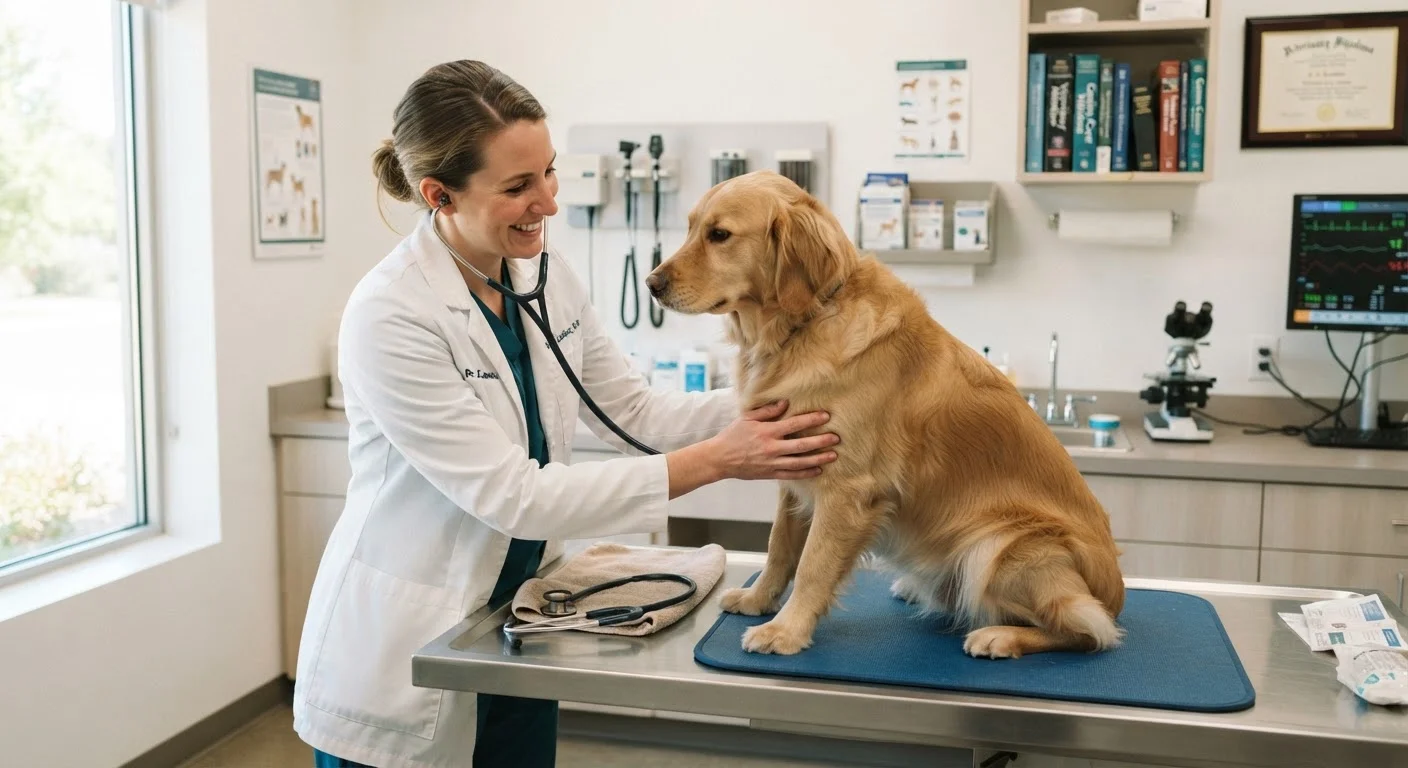
If either animal displays prolonged aggression, injury-causing bites, complete food refusal, or extreme fear responses that do not improve within two weeks, consult a veterinarian or a certified applied animal behaviorist. These signs may indicate a deeper behavioral or medical issue that requires professional assessment. Do not attempt to 'push through' serious aggression - it is safer and kinder for both animals to get expert guidance.
The Introduction Process: A Step-by-Step Guide
A successful multi-pet introduction is a gradual, staged process. Each stage should only advance once both animals are demonstrably comfortable - not simply tolerating - the current level of exposure. Rushing any stage increases the likelihood of a negative association forming, which can be difficult to reverse. Review what you will need before starting:
What you will need
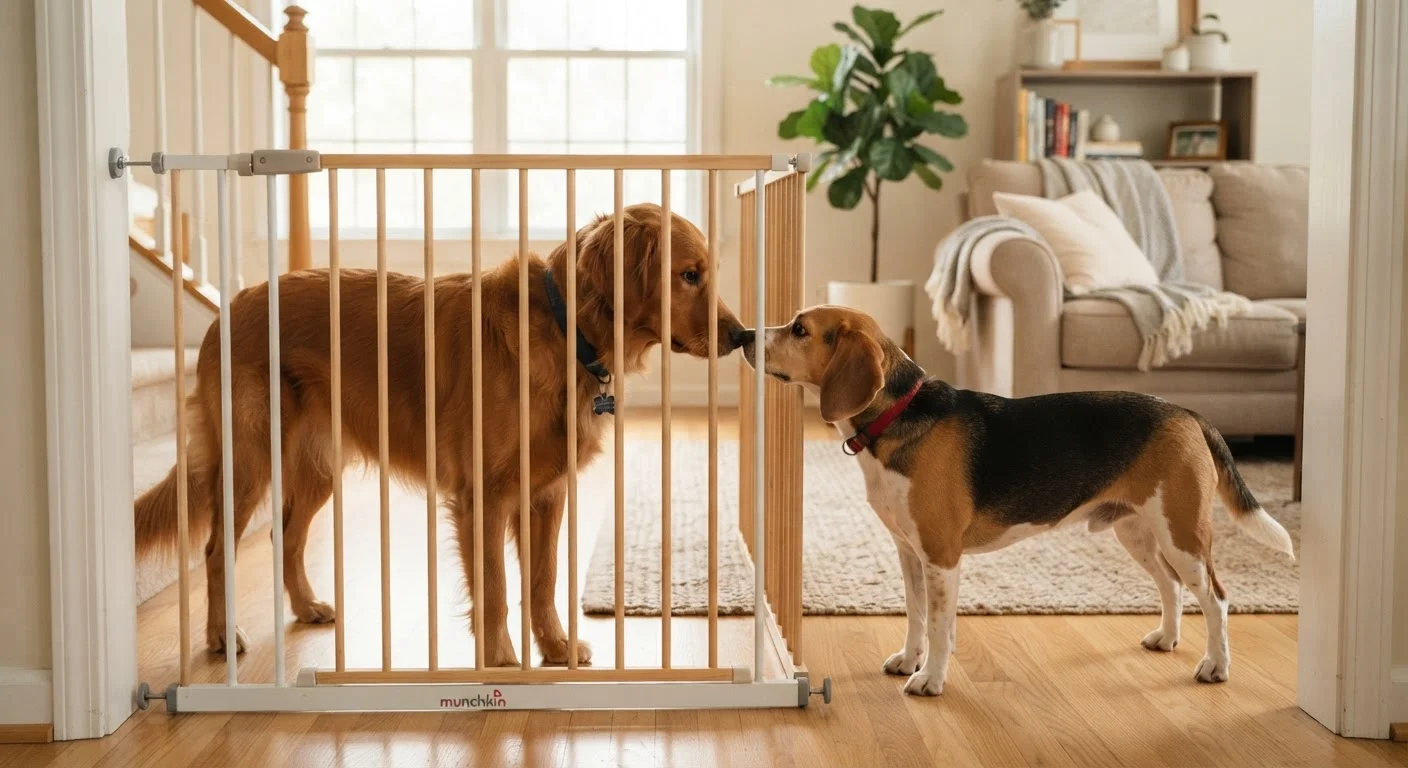
Baby gate or exercise pen
Creates a physical barrier that allows scent and visual exposure while preventing direct contact during early stages.
Secure crate
Provides a safe den space where the new pet can decompress and where barrier feeding can take place.
High-value treats
Used to reward calm, non-reactive behavior during each stage of the introduction process.
Pheromone diffuser (species-specific)
Synthetic calming pheromones designed for cats or dogs may help reduce baseline anxiety in the home environment.
Slip lead or standard leash
Allows safe, controlled movement during neutral-territory face-to-face meetings for dogs.
Set up a dedicated space for the new pet
Before the new animal arrives, prepare a separate room stocked with food, water, a litter box or potty pad if applicable, bedding, and enrichment items. This space serves as a safe haven during the initial days and prevents overwhelming your resident pet. Keep the door closed so neither animal has direct access to the other.
Begin scent swapping before any visual contact
Exchange bedding, soft toys, or feeding mats between the two spaces daily for at least two to three days. Feed each animal on opposite sides of the closed door - the goal is for each pet to associate the other's scent with something positive, like mealtime. Watch for relaxed body posture (soft eyes, loose muscles) versus stress signals such as refusing food, hissing, growling, or pacing.
Introduce visual contact through a barrier
Once both animals eat calmly near the door, install a baby gate or crack the door open just enough for visual contact. Keep sessions short - two to five minutes - and reward calm, non-reactive behavior with high-value treats. End each session before either animal shows signs of arousal or stress. Repeat this several times a day across multiple days until both animals appear relaxed in each other's presence.
Arrange a neutral-territory face-to-face meeting
Choose a space neither animal considers their own - ideally outdoors for dogs, or an unfamiliar room for cats. Keep dogs on loose leashes held by calm handlers; allow cats brief, supervised sniffs with escape routes available. Keep the first meeting under five minutes. Interrupt any hard staring, growling, or rigid posturing calmly and redirect both animals to treats or toys. Never force physical proximity.
Progress to supervised cohabitation in shared spaces
Gradually extend the time both animals spend together in the home, always supervised. Ensure each pet has clear escape routes and their own resting areas they can retreat to without being followed. Continue rewarding calm, positive interactions. If conflict arises, separate the animals calmly - avoid yelling or physical punishment, which heightens stress for both. Return to an earlier, successful stage of the introduction process if needed.
Establish separate resource zones before allowing unsupervised time
Before leaving the animals alone together, confirm that each has independent access to food, water, sleeping areas, and (for cats) separate litter boxes in different locations. Resource guarding - where one pet monopolizes food, toys, or space - is a common flashpoint. Feed meals in separate areas simultaneously to remove competition. Unsupervised time should only begin once you have observed multiple peaceful sessions with no signs of tension.
Keep the Resident Pet's Routine Intact
One of the most overlooked factors in a successful introduction is preserving your current pet's daily schedule - walks, feeding times, play sessions, and one-on-one attention. Disrupting that routine signals that the new arrival is a threat to their established life. Prioritizing your resident pet's needs during this period actively reduces jealousy-driven stress responses.
Never Leave a First Introduction Unsupervised
Even animals that appear relaxed during supervised meetings can behave unpredictably when left alone together too soon. Direct supervision means eyes on both animals at all times - not simply being in the same building. Unsupervised cohabitation should only begin after a sustained period of calm, observable interaction across multiple sessions and days.
Once both animals are consistently calm during supervised sessions, unsupervised cohabitation becomes a realistic next step. The first 30 days with a new pet is a useful companion resource for understanding what behavioral adjustments to expect during this window. For those planning ahead, a preparation checklist for new pets outlines the environmental setup and management tools that support a smoother transition. Keeping each animal mentally engaged throughout the process also matters - everyday enrichment strategies can reduce frustration and redirect energy productively during what is, for both animals, an inherently stressful period.