What Actually Causes Split Ends
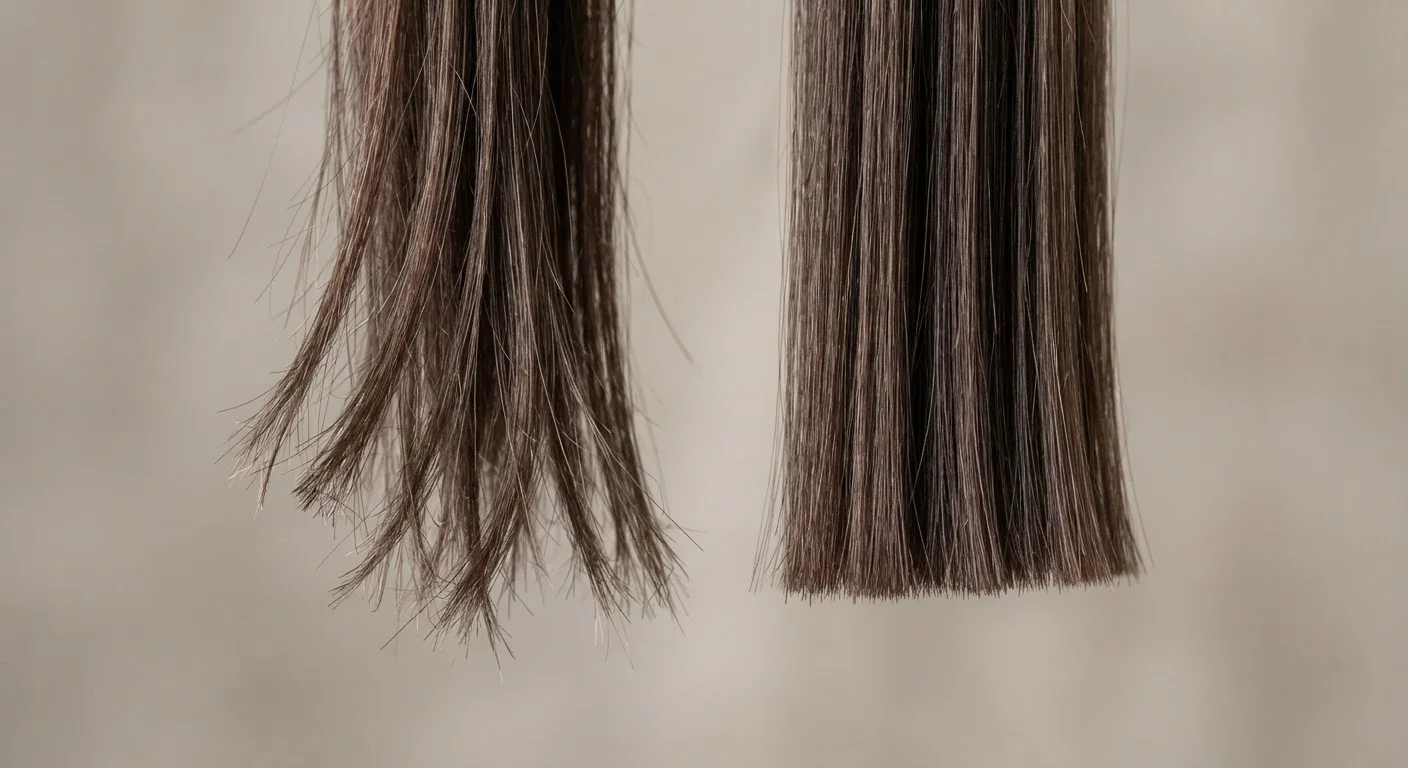
Split ends - technically called trichoptilosis - occur when the protective outer layer of the hair shaft, the cuticle, wears away and the inner cortex begins to fray. Once the cuticle is gone, the strand has no protection against further mechanical stress, and the split can travel upward toward the root if left unaddressed.
Common contributors include heat styling, chemical processing, rough towel-drying, tight elastics, and environmental friction. Everyday grooming habits like aggressive brushing or skipping heat protection add cumulative damage over time. Understanding that split ends are a structural problem - not a surface one - is the key to setting realistic expectations for any solution.
The Case for Trimming: What the Science Says
Trimming works because it removes the compromised portion of the hair entirely. There is no biological mechanism by which a split shaft can fuse back together - hair beyond the scalp is dead tissue with no capacity to self-repair. Once the cortex is exposed and fraying, the only permanent fix is cutting below the split.
The practical implication: leaving splits unaddressed allows them to migrate further up the strand. A small split today can become a much longer one in six to eight weeks, meaning you eventually lose more length than a timely trim would have cost you. How frequently you need a trim varies by individual - factors include hair texture, porosity, heat exposure, and how well you protect your ends day to day. There is no universally correct interval, but most hair care guidance suggests assessing your ends every six to twelve weeks rather than following a rigid calendar.
| Criterion | Trimming | Split End Treatments |
|---|---|---|
| Permanently removes splits | Yes | No |
| Improves appearance immediately | Yes - cleaner, blunter ends | Yes - temporarily smoothed |
| Prevents further splitting | Yes, at the cut point | Partially - reduces friction |
| Preserves hair length | No - removes some length | Yes |
| Requires professional skill | Ideally yes; DIY possible | No - at-home use |
| Frequency needed | Every 6-12 weeks (varies) | Per product instructions |
| Long-term hair health impact | High - structural reset | Moderate - protective only |
Split End Treatments: What They Can - and Can't - Do
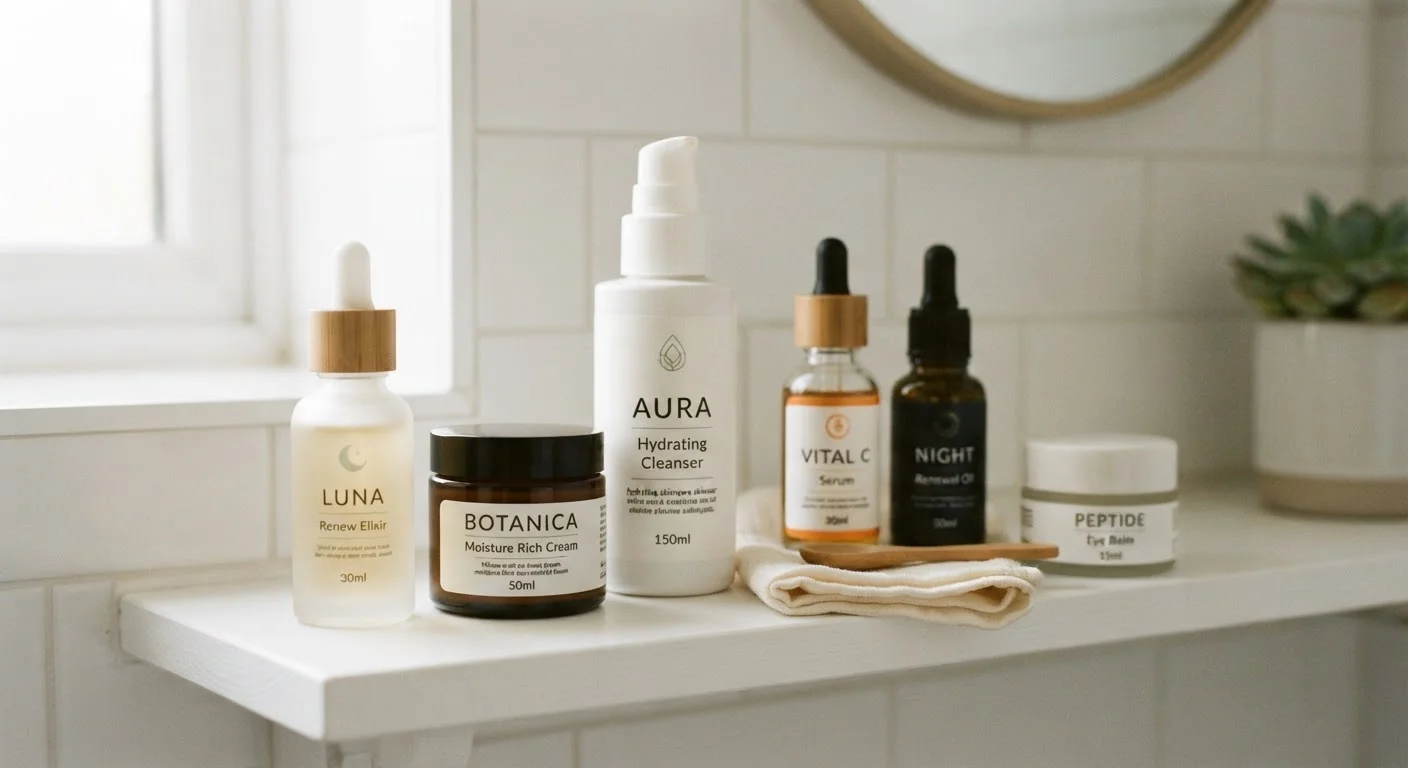
The market for split end treatments includes leave-in serums, bond-building masks, protein treatments, and conditioning oils. Their mechanisms vary, but most work in one of two ways: temporarily sealing the split ends by coating the cuticle with silicones or emollients, or reinforcing the hair's internal structure with ingredients like hydrolyzed proteins or keratin.
What treatments do well: they reduce friction between strands, temporarily smooth frayed ends so they look neater, and help prevent further mechanical damage when applied consistently. Some bond-building formulas may also help strengthen areas of the strand that are weakened but not yet split. What they don't do: repair a split that has already occurred. The apparent "sealing" effect is cosmetic and temporary - wash-out reveals the split is still present.
~90%
Of hair shaft damage is mechanical in origin
Research in hair fiber science consistently identifies friction, heat, and tension as the dominant causes of cuticle breakdown and split end formation.
6-12 weeks
General trim interval recommended by many stylists
This range is widely cited in professional cosmetology guidance, though the right interval varies by hair type, styling habits, and damage level.
Temporary
Duration of split end sealing from topical treatments
Hair care researchers note that silicone- and protein-based coatings wash out with regular shampooing, requiring reapplication to maintain the effect.
For a broader look at which hair care ingredients carry genuine evidence behind them, see our article on ingredients that support hair health vs. those that don't.
Using Both Strategically
Trimming and treatments are not competitors - they serve different points in the same hair care cycle. A useful framework: trim to reset damage, then use treatments to protect and extend the health of those fresh ends. Regular conditioning, gentle handling, and protective styling all reduce the rate at which new splits form, meaning fewer or less dramatic trims over time.
Consistency in your overall routine tends to matter more than any single product. Healthy hair also starts further up the strand than most people think - the scalp environment affects the quality of hair produced at the root, which influences how resilient ends are over months of growth. For context on that connection, see scalp health basics.
The bottom line: if your ends are already split, a trim is the only reliable fix. If you want to slow the return of splits and keep your hair looking its best between cuts, a well-chosen treatment routine is a practical and worthwhile addition - just one with realistic expectations attached.
This article is for general informational purposes only and does not constitute professional or medical advice. Consult a qualified hair care professional for guidance specific to your hair type and condition.