More Than Just Being Careful
Most drivers think of defensive driving as a vague instruction to "be careful out there." In practice, it's a specific set of behaviors built around one idea: give yourself time and space to respond before a mistake - yours or someone else's - becomes a crash.
The concept isn't new, but it's more relevant than ever. Today's roads mix distracted drivers, varying speed limits, and unpredictable conditions. Reacting after the fact isn't enough. A defensive driver is constantly reading the environment a few steps ahead.
If you want to understand the attitudes that make driving more dangerous in the first place, see how driver psychology affects road safety. It helps explain why good habits matter beyond just your own behavior.
The Core Principles, Explained
Defensive driving breaks down into a handful of practical habits:
- Scan ahead, not just immediately in front of you. Look 10-15 seconds down the road. This gives you time to adjust your speed or position before a hazard reaches you.
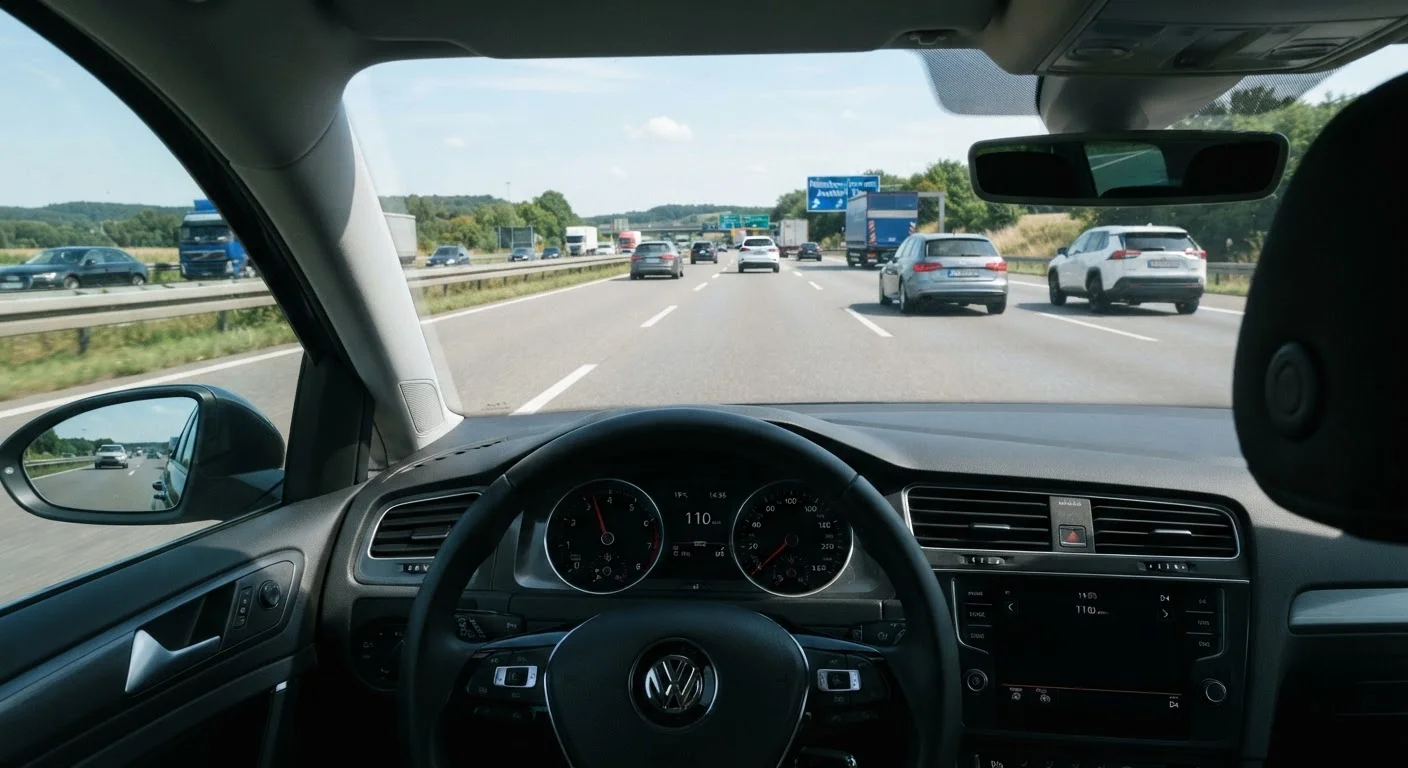
- Maintain a cushion of space. Following too closely is one of the most common contributors to rear-end collisions. Tailgating is more dangerous than most drivers realize - the margin between a close call and a crash can be less than a second.
- Match your speed to conditions. The posted limit is a legal maximum, not a safety guarantee. Speed limits and safe speeds aren't always the same thing - rain, reduced visibility, and heavy traffic all call for slower speeds.
- Expect the unexpected. Assume that some drivers around you are distracted, in a hurry, or unfamiliar with the area. Build your habits around their worst behavior, not their best.
- Eliminate distractions. You can't anticipate what you're not watching. Smartphone distraction is one of the leading causes of traffic fatalities - a glance at a screen can last long enough to miss a stop sign, a pedestrian, or a merging truck.
Practice the Three-Second Rule
Pick a fixed point on the road - a sign, a bridge, a painted mark. When the car ahead passes it, count to three. If you pass the same point before you finish counting, you're following too closely. In wet or low-visibility conditions, extend that to four or five seconds.
Vehicle Condition Is Part of the Picture
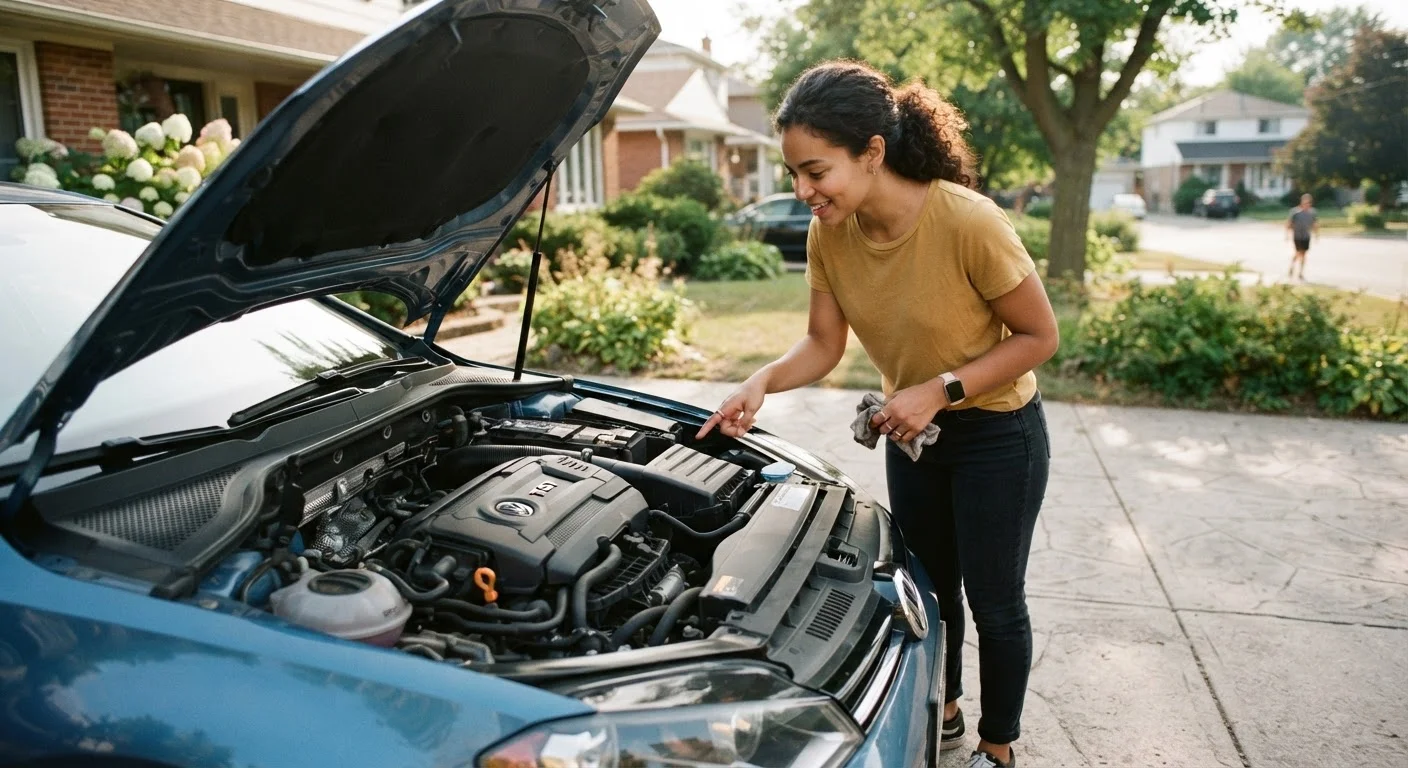
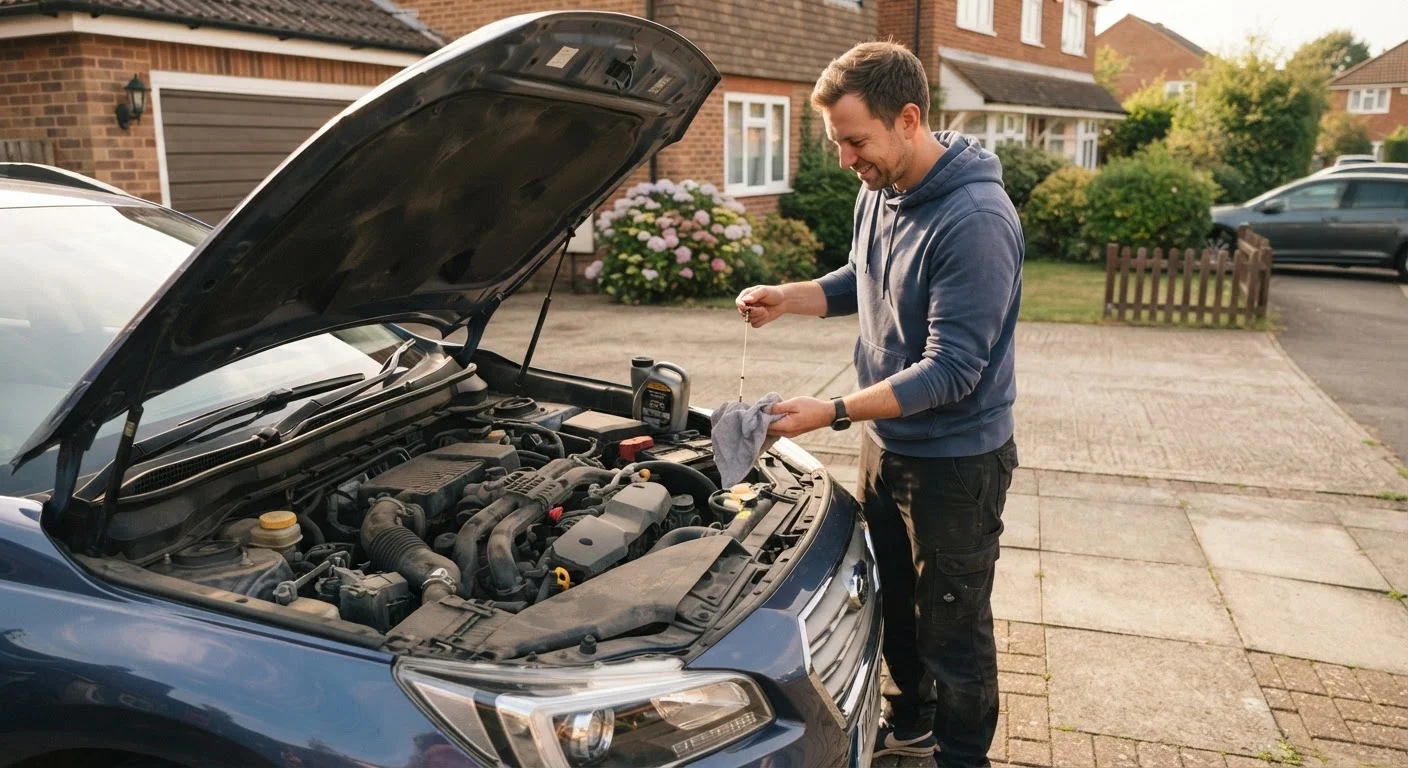
Defensive driving doesn't stop with your behavior behind the wheel. A car that can't stop reliably, has worn tires, or has failing lights puts you at a disadvantage before traffic even enters the equation.
Brakes, tires, mirrors, and lights are the mechanical side of staying safe. If your stopping distance is longer than it should be, no amount of awareness compensates for it. Keeping your vehicle in working order is a quiet but important part of defensive driving. For a practical overview of what to stay on top of, car maintenance basics is a good starting point.
~94%
Crashes involving human choice or error
The NHTSA has estimated that human factors - including distraction, impairment, and poor decisions - are a critical reason in the vast majority of motor vehicle crashes.
3 seconds
Minimum recommended following distance
Traffic safety organizations commonly recommend at least a three-second gap between vehicles under normal conditions, with more space in adverse weather.
~36,000
Traffic fatalities per year in the US
NHTSA data consistently shows tens of thousands of traffic deaths annually in the United States, underscoring why proactive driving habits matter.
The Mindset That Makes It Work
Skills matter, but attitude matters just as much. Defensive driving assumes that you are responsible for your own safety - not just in how you follow rules, but in how you prepare for others breaking them.
That's a different frame than most drivers operate with. It means not assuming right-of-way protects you. It means resisting the urge to "win" a merge or match an aggressive driver's pace. And it means recognizing that common driving myths - like the idea that hands-free calls are safe, or that experience alone makes you a good driver - can quietly undermine even careful people.
Newer drivers especially benefit from building these habits early. If you're still developing your confidence behind the wheel, what every new driver should understand covers the fundamentals with the same practical focus.
This article is for informational and educational purposes only. Driving conditions vary - always use your own judgment and comply with local traffic laws.