Why Food Works So Well as a Training Reward
Food is what behavioral scientists call a primary reinforcer - a stimulus that satisfies a biological need without any prior learning. Unlike praise or toys, which some animals must learn to value, food carries inherent motivational weight across virtually every species. This makes it an extraordinarily reliable tool for establishing new behaviors, especially in the early stages of training.
The process works through operant conditioning: when a behavior is immediately followed by a food reward, the animal's brain strengthens the neural pathway associated with that behavior, increasing the probability it will occur again. Positive reinforcement science explains in detail why this mechanism tends to outperform punishment-based approaches in both speed and emotional safety for the animal.
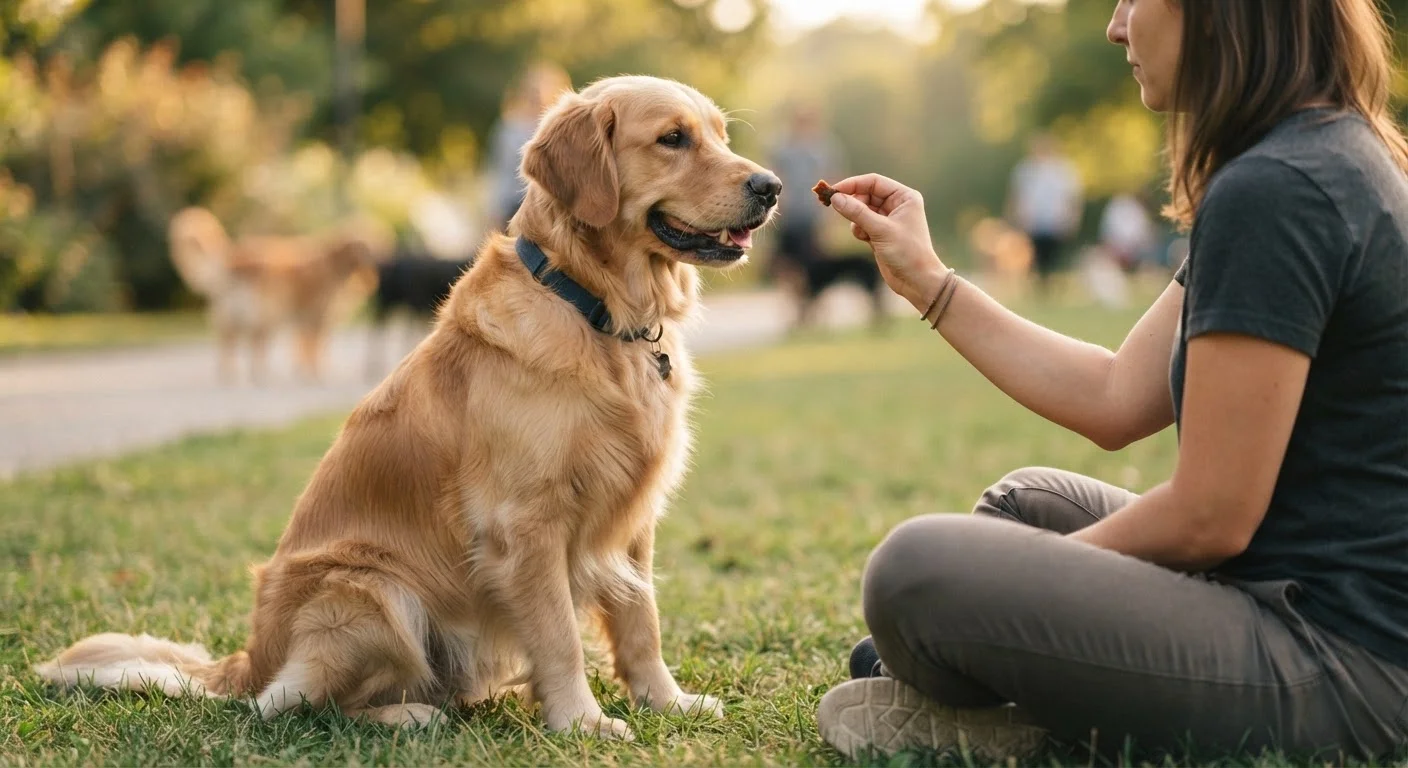
Food also allows for very precise timing. A small, soft treat can be delivered within a second of the target behavior, which is critical - the closer the reward follows the action, the clearer the association becomes in the animal's mind.
Biologically motivating without prior conditioning
Food satisfies a fundamental survival drive, making it effective across species and individual temperaments - even in animals with little training history.
Enables precise, immediate reward delivery
Small, soft treats can be delivered within a second of the target behavior, strengthening the behavior-reward association more clearly than delayed or ambiguous reinforcers.
Accelerates learning of new or complex behaviors
High-value food rewards increase an animal's willingness to offer and repeat novel behaviors, making the initial shaping phase significantly faster.
Works across a wide range of species
From dogs and cats to rabbits and parrots, food-based reinforcement has broad applicability with minor adjustments for species-specific preferences.
Supports positive emotional associations with training
Pairing training sessions with food contributes to a positive conditioned emotional response, making pets more willing and relaxed participants over time.
The Real Limitations Owners Should Understand
Despite its effectiveness, leaning exclusively on food rewards introduces several practical challenges that owners need to plan around deliberately.
Caloric accumulation is among the most common overlooked risks. Training sessions can involve dozens of treat deliveries, and if those calories aren't subtracted from the pet's regular meals, weight gain follows gradually. This concern is especially relevant for smaller breeds or less active dogs. See why overfeeding harms pets for a deeper look at how well-intentioned feeding patterns affect long-term health.
Treat dependency is a behavioral pattern where the animal performs reliably only when a treat is visible or anticipated. This typically happens when owners fail to vary or fade rewards systematically - the pet learns that the treat's presence, rather than the behavior itself, predicts reward delivery.
High-distraction environments can also undermine food's effectiveness. In situations where a competing motivator - another dog, a squirrel, a loud noise - is more salient than the treat, food temporarily loses its reinforcing power. Owners who rely solely on food may find their training breaks down exactly when reliable behavior matters most.
Risk of unintended caloric overload
Frequent treat delivery across multiple daily sessions can significantly exceed a pet's caloric needs if not tracked and adjusted against regular meal portions.
Can create treat-dependent behavior patterns
When treats are not faded systematically, animals may learn to perform only when food is visible, making real-world reliability unpredictable.
Effectiveness drops in high-distraction environments
Competing stimuli - other animals, novel sounds, strong scents - can temporarily outweigh food motivation, causing trained behaviors to break down precisely when they are most needed.
Not universally appealing to all animals
Some pets, particularly anxious, ill, or food-indifferent individuals, may not respond strongly to food rewards, requiring trainers to identify alternative reinforcers.
Requires logistical planning and consistency
Maintaining appropriate treat sizes, tracking calories, and managing a fading schedule demands more deliberate effort than simply rewarding on an ad hoc basis.
Treat-Fading: Moving Beyond Constant Food Delivery
The goal of any reward-based training program is not to bribe a pet forever - it is to build a behavioral history strong enough that the behavior becomes habitual. Treat-fading is the systematic process of moving from continuous reinforcement (rewarding every correct repetition) to a variable schedule (rewarding unpredictably), and eventually to maintaining behaviors with praise, play, or life rewards alone.
Variable reinforcement schedules are particularly powerful at sustaining behavior. Research in behavioral psychology consistently shows that unpredictable rewards produce more persistent behavior than predictable ones - which is why a pet that has been on a variable schedule is far less likely to stop performing when a treat isn't immediately visible.
Treat Size Matters More Than Treat Frequency
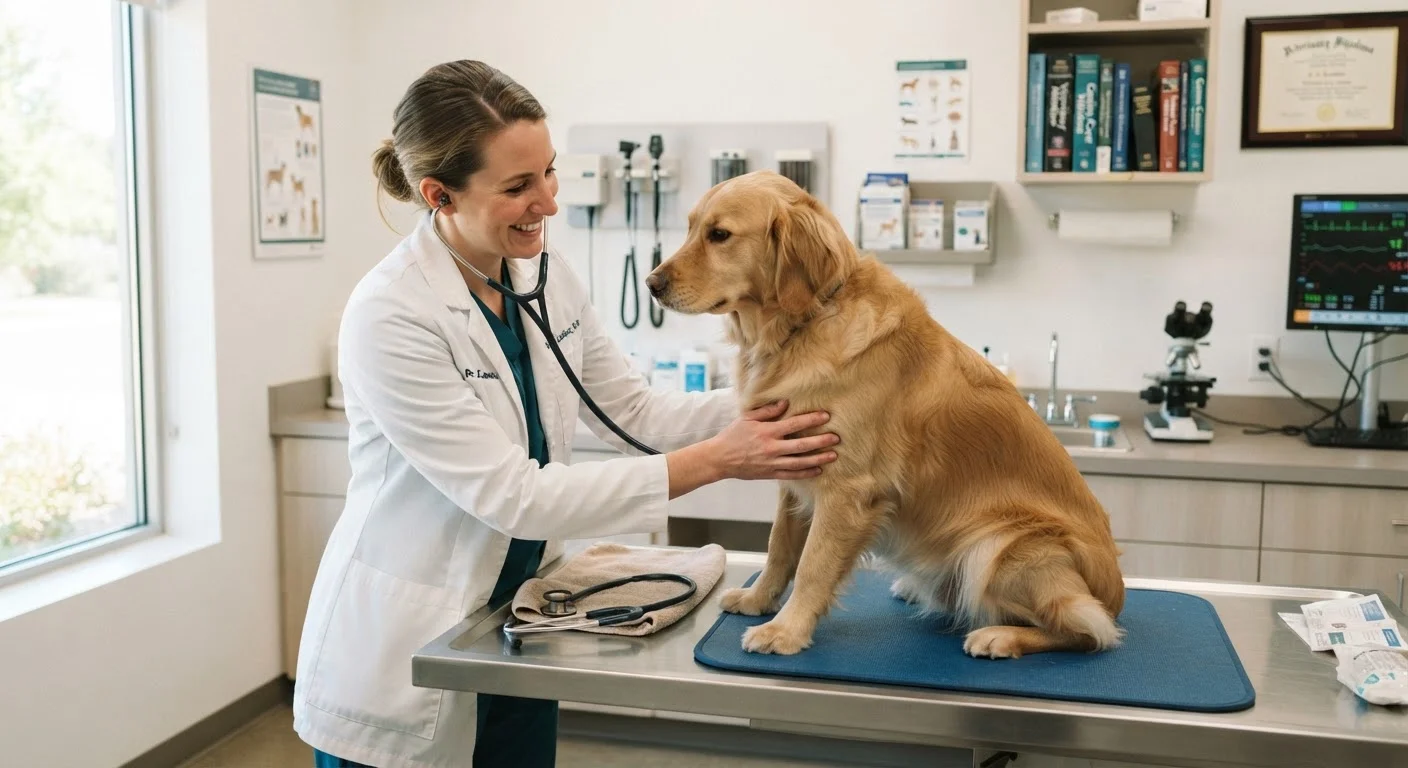
Many trainers reduce treats to pea-sized pieces or smaller without losing motivational value - the animal still gets the reward signal, but the caloric load drops substantially. For high-repetition sessions, breaking a single training treat into multiple tiny pieces is a simple and effective strategy. Always account for treat calories in the pet's overall daily food intake, and consult a veterinarian if you are unsure how many treats are appropriate for your pet's size and health status.
Complementing food with non-food reinforcers from the beginning makes fading easier. Reward-based training research supports using a broad reinforcement toolkit - games, freedom to sniff, access to preferred activities - so that the behavior itself remains rewarding independent of food.
~10%
Recommended treat allowance of daily caloric intake
Veterinary nutritionists generally advise that treats - including training rewards - should not exceed roughly 10% of a pet's total daily caloric intake to maintain a balanced diet.
59%
US dogs estimated to be overweight or obese
According to the Association for Pet Obesity Prevention, a majority of US dogs are classified as overweight or obese, underscoring the importance of calorie-conscious treat use.
Building a More Complete Reinforcement Strategy
The most effective trainers don't abandon food - they use it purposefully within a broader system. During initial learning, high-value food rewards build behavior quickly. As the behavior stabilizes, the trainer introduces a richer menu of reinforcers and begins fading treat frequency. Eventually, the behavior is maintained by life rewards: the dog sits to have its leash clipped, the cat comes when called to receive playtime.
Attention to the training environment also matters. Fear-free handling principles remind us that a calm, low-stress setting allows food rewards to land more effectively - a stressed or aroused animal is less able to learn, regardless of how appealing the treat is.
Owners should also factor treat calories into their pet's total daily intake from day one, using the smallest effective treat size and opting for low-calorie options when high-volume training is needed. A conversation with a veterinarian can help establish appropriate treat allowances relative to the pet's size, age, and health status.