
The Emotional Logic Behind Overfeeding
Feeding is one of the most instinctive ways people express love for their pets. Watching a dog or cat eagerly devour a meal delivers immediate, positive feedback - a wagging tail, a purring curl, grateful eyes. That emotional loop is powerful, and it explains why so many well-meaning owners consistently give more food than their pet actually needs.
The problem is that pets are highly effective at soliciting food, even when they are not genuinely hungry. A dog that begs at the table or a cat that yowls near the bowl is not necessarily starving - they are often responding to learned habits or boredom. Owners who interpret these behaviors as hunger and respond with food are reinforcing the cycle, not addressing a nutritional need.
Understanding this dynamic is the first step toward more intentional feeding. For a broader look at how everyday feeding habits can silently cause harm, see well-intentioned feeding habits that can quietly harm pets.
Common Overfeeding Mistakes - and How to Correct Them
Most overfeeding does not happen in one dramatic incident. It accumulates through small, repeated miscalculations. Recognizing these specific patterns is essential for course-correcting before excess weight becomes a chronic health issue.
Treating package feeding guidelines as precise daily targets rather than general starting points.
Why it happens: Pet food labels display feeding amounts calculated for an average, unaltered adult animal at a given weight - a baseline that does not account for age, activity level, metabolic rate, or reproductive status.
Failing to account for treats, toppers, and table scraps in the daily caloric total.
Why it happens: Treats feel separate from meals in owners' minds, so their caloric contribution is routinely overlooked. A single medium dog biscuit can represent 5-10% of a small dog's daily energy requirement.
Free-feeding dry kibble without measuring, assuming the pet will self-regulate.
Why it happens: Many owners believe animals instinctively stop eating when full. While some individuals do regulate intake, many cats and most dogs - particularly food-motivated breeds - will consistently overeat when given unlimited access.
Using food as the primary response to any attention-seeking behavior.
Why it happens: Food is the path of least resistance when a pet is restless, vocal, or pawing at an owner. The behavior stops immediately, reinforcing the idea that feeding was the correct response.
Skipping regular weigh-ins and ignoring gradual weight gain over months or years.
Why it happens: Slow weight gain - often just a few ounces per month - is nearly invisible to owners who see their pet daily. By the time excess weight is visually obvious, it may already be clinically significant.
59%
US dogs classified as overweight or obese
According to the Association for Pet Obesity Prevention's annual clinical survey, roughly 59% of dogs seen by US veterinarians are assessed as overweight or obese.
61%
US cats classified as overweight or obese
The same Association for Pet Obesity Prevention survey found that approximately 61% of cats in the US are carrying excess body weight, making feline obesity more prevalent than canine.
What Excess Weight Actually Does to a Pet's Body
Obesity in companion animals is not a cosmetic concern - it is a medical one. Carrying even moderate excess weight places continuous mechanical stress on joints, predisposing pets to osteoarthritis, reduced mobility, and chronic pain. In cats, excess body fat is directly associated with increased risk of type 2 diabetes mellitus, a condition that requires lifelong management. In dogs, obesity is linked to heart disease, respiratory compromise, and certain cancers.
There is also a measurable lifespan effect. Research has consistently shown that dogs maintained at lean body condition live significantly longer than overweight counterparts of the same breed. For a thorough review of what the evidence says about weight and longevity, the article pet obesity as a medical issue covers the research in detail.
Weight Loss in Pets Requires Veterinary Guidance
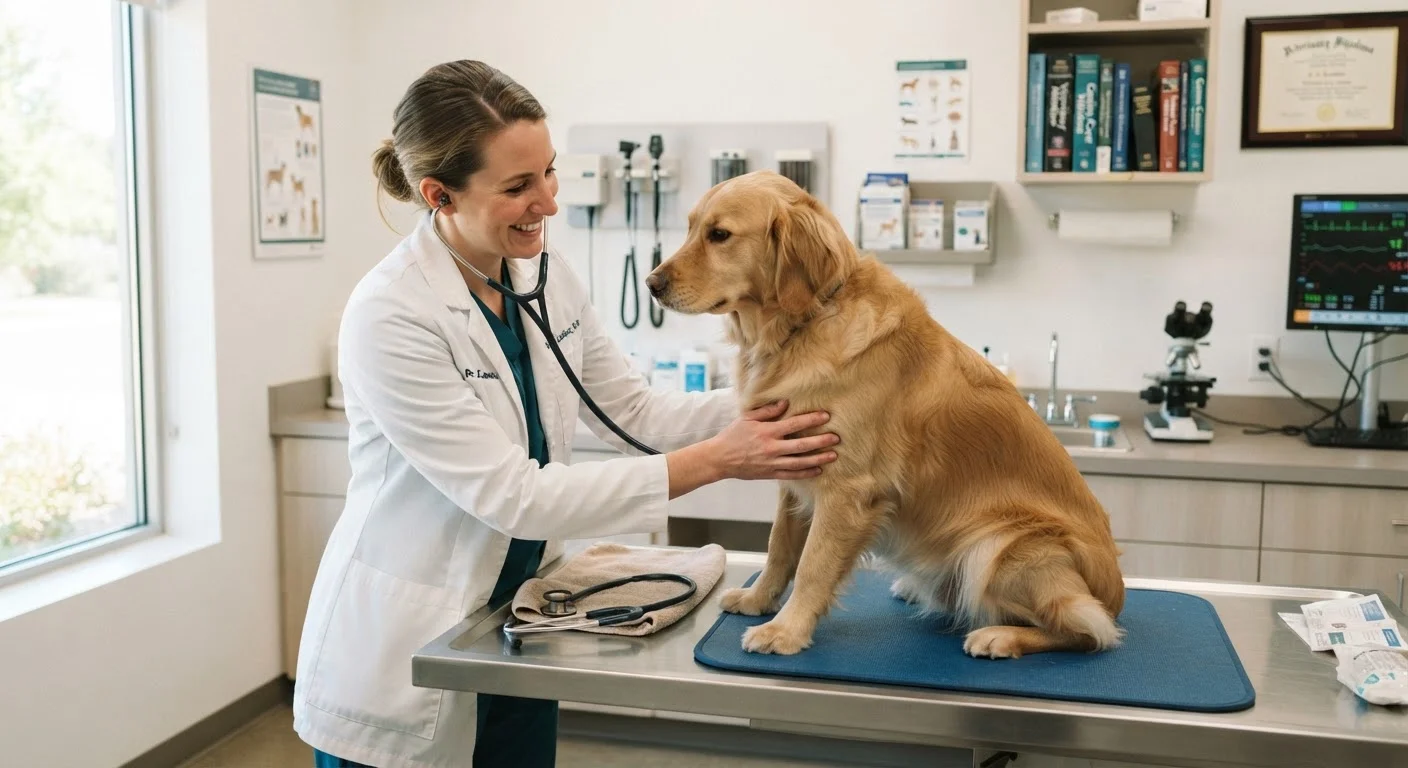
Rapid or unsupervised caloric restriction can be dangerous, particularly in cats - severe calorie reduction can trigger hepatic lipidosis (fatty liver disease), a potentially life-threatening condition. Never place a pet on a significant calorie-reduction plan without first consulting a veterinarian. Your vet can recommend an appropriate target weight, safe rate of loss, and whether a therapeutic diet is warranted.
This article is for general educational purposes and does not constitute veterinary medical advice. Always consult a licensed veterinarian regarding your pet's specific nutritional needs, weight, and health status.