Why Fear Is the Enemy of Learning
When an animal perceives a threat - real or imagined - the body responds with a cascade of stress hormones, primarily cortisol and adrenaline. These hormones are survival tools, not learning tools. They sharpen attention toward the perceived danger and suppress the neural processes needed to form and retrieve memories. In practical terms, a frightened dog or cat is neurologically less capable of absorbing new information, regardless of how skilled the trainer is.
This is why sessions built on intimidation or physical correction often produce surface compliance rather than genuine learning. The animal may eventually comply to make the threat stop - a process called negative reinforcement - but it hasn't formed a positive association with the behavior. That distinction matters enormously for reliability, especially in high-distraction or high-stakes situations.
For a deeper look at how reward-based conditioning works at the neurological level, see the science behind positive reinforcement in pet training.
72%
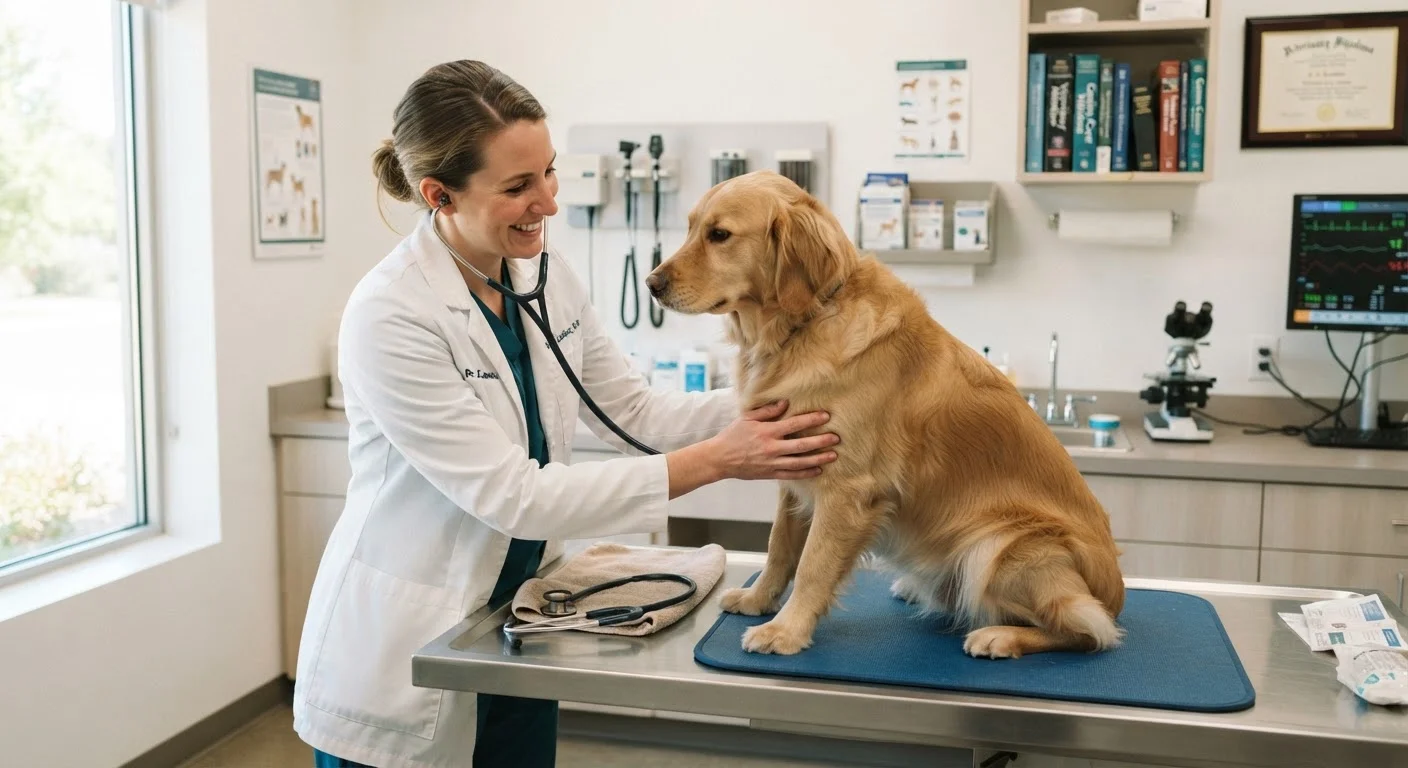
Dogs showing stress signals before vet exam even begins
Research published in veterinary behavior journals has found that a significant majority of dogs display fear or stress indicators in the waiting room - before any clinical procedure starts.
~2x
Faster learning rate in low-stress training environments
Animal learning studies consistently show that subjects in low-arousal, safe conditions acquire and retain new behaviors at roughly twice the rate compared to those trained under aversive or high-stress conditions.
80%+
Companion animal owners who underestimate pet stress signals
Surveys of pet owners in behavioral research contexts suggest that the majority of owners do not recognize early, subtle stress indicators in their pets, often misinterpreting them as distraction or stubbornness.
What Fear-Free Handling Actually Looks Like in Practice
Fear-free handling is less a single technique than a philosophy that reshapes every decision around an interaction. It starts before you give a single cue. Consider the environment: Is the training space novel and overwhelming, or familiar and low-stimulus? Is the pet given a moment to orient before anything is asked of it? These small choices compound quickly.
Key practical elements include:
- Reading body language continuously: Stress signals like lip-licking, yawning, pinned ears, or a stiff tail are communication. They tell you the animal is approaching its threshold - the point beyond which learning stops and survival responses take over. Reading your pet's body language during a training session is a skill that pays dividends in every session.
- Keeping sessions short and successful: Ending on a win - a behavior the animal knows well - leaves the session on a positive neurological note and maintains motivation for the next one.
- Using desensitization and counter-conditioning: Gradually introducing a feared stimulus at low intensity, paired with something the animal genuinely values, rewires the emotional response over time.
- Allowing choice where possible: When animals have some agency - the ability to move away, sniff, or pause - they experience less helplessness-driven stress, which keeps them in the learning zone longer.
How It Changes the Human-Animal Training Dynamic
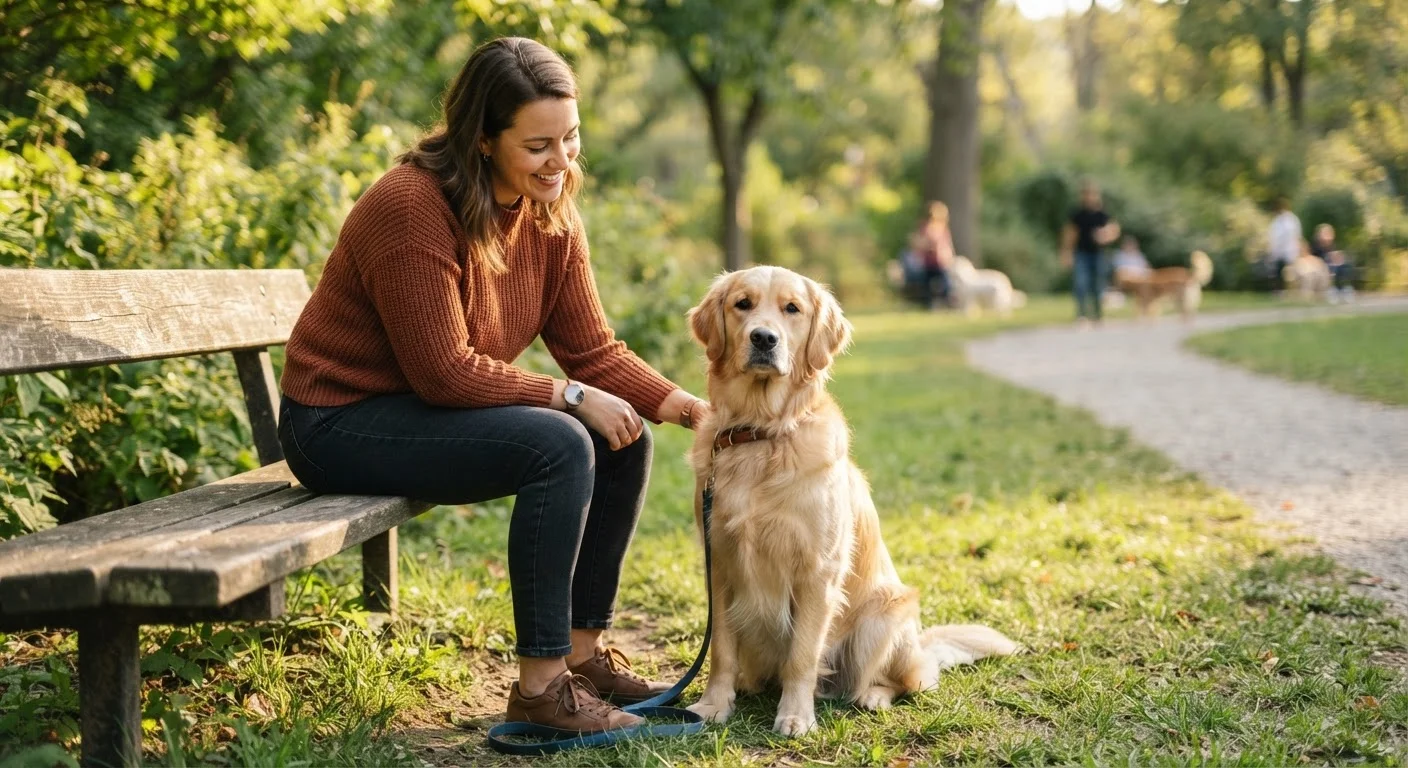
One of the less-discussed benefits of fear-free handling is what it does to the relationship between owner and pet. Trust is not a sentimental concept in behavioral science - it's an observable outcome. An animal that has learned that your presence, touch, and requests predict good things will engage with you more readily, offer behaviors more freely, and recover more quickly when something does startle or unsettle it.
This contrasts sharply with animals trained primarily through avoidance of punishment. Those animals may be outwardly obedient, but they often show suppressed stress signals, lower initiative, and heightened anxiety in novel situations - findings supported by multiple peer-reviewed studies in companion animal behavior.
Fear-free principles also extend naturally beyond training into everyday care. Grooming, nail trims, and handling for health checks all benefit from the same approach. See at-home grooming techniques that reduce pet stress for methods that apply these ideas directly to common care tasks.
It is worth noting that fear-free handling is not a shortcut - it requires more observation, more patience in the early stages, and a willingness to adjust the plan when the animal signals distress. But those upfront investments consistently pay off in faster generalization, better retention, and a pet that actively wants to participate. To understand how reward-based and aversive methods compare across long-term outcomes, the behavioral evidence is worth examining carefully.
This article is for general informational and educational purposes only. For concerns about your pet's anxiety, reactivity, or behavior, consult a licensed veterinarian or a certified applied animal behaviorist.