What Separation Anxiety Actually Looks Like
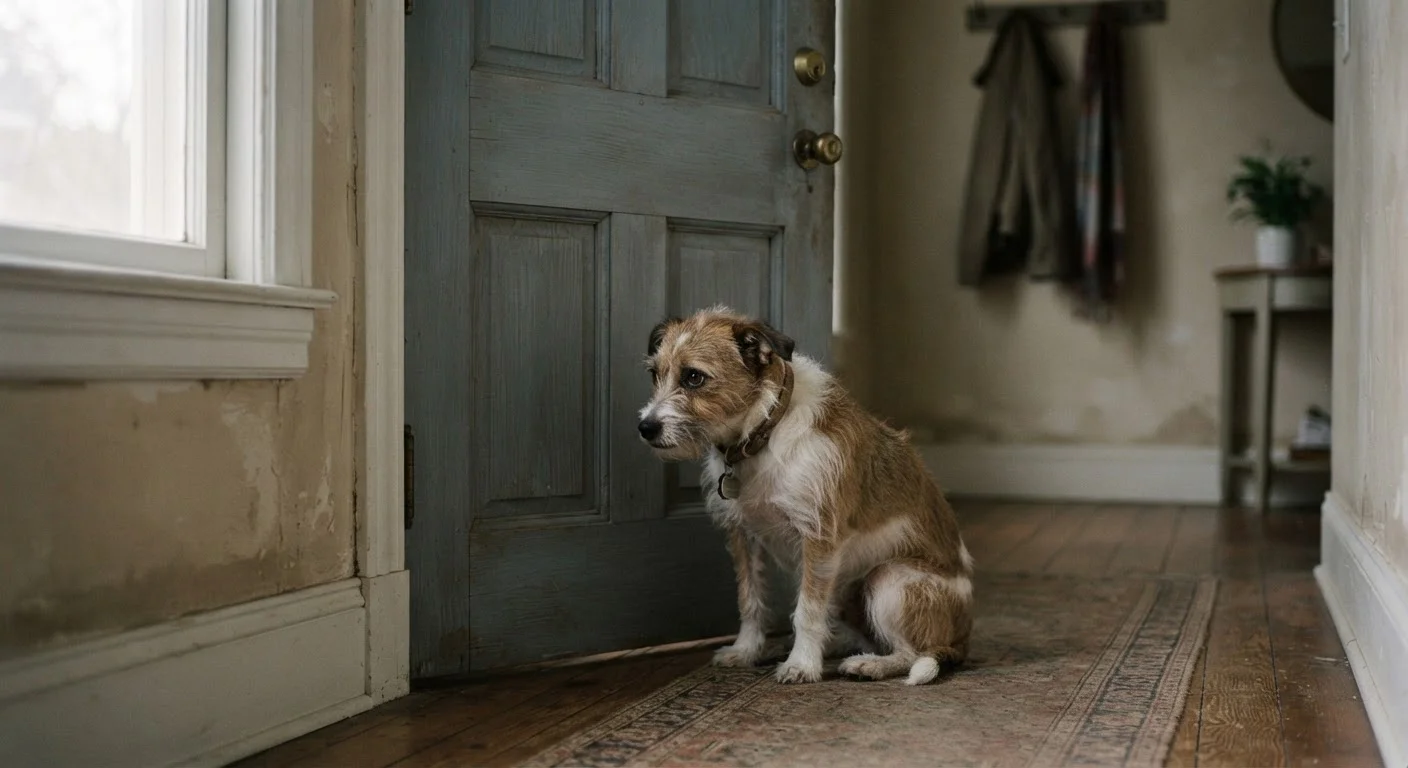
Genuine separation anxiety produces a predictable pattern: distress begins at or before departure and is largely absent when the owner is present. The behaviors owners most commonly report - destructive chewing, barking or howling, urination or defecation indoors, and attempts to escape - occur specifically during alone time. That timing is diagnostically important.
Other indicators include pre-departure anxiety, where the dog begins pacing, panting, or shadowing the owner as soon as routine departure cues appear (picking up keys, putting on shoes). Some dogs refuse to eat food or treats left behind, even ones they would normally consume readily. Salivation, trembling, and self-directed behaviors like excessive licking can also appear.
Understanding these signals requires attention to context. Learning to interpret physical cues accurately is foundational - our guide on reading your pet's body language covers the posture and stress signals that often precede and accompany anxious episodes.
Use Video Before Drawing Conclusions
Before assuming your dog has separation anxiety, record what actually happens after you leave. Set up a phone or tablet to capture the first 30-60 minutes. Many owners are surprised to find their dog settles quickly - and equally, some discover distress they hadn't suspected. Accurate observation is the starting point for any effective response.
Why It's So Frequently Misread
The most common misreading is moral: owners interpret the damage or mess as spite, stubbornness, or a failure of training. This framing is understandable but inaccurate. Dogs do not engage in revenge-motivated behavior. What looks like deliberate destruction is the output of a fear state the dog cannot regulate.
A second source of confusion is overlap with other conditions. Boredom, insufficient exercise, incomplete house training, and even medical issues like urinary tract infections can produce nearly identical symptoms. A dog that chews because it needs more mental stimulation is not experiencing the same internal state as a dog in a panic - and the interventions differ accordingly. Similarly, dogs that seem "disobedient" in training contexts are often responding to entirely different dynamics, which our article on why dogs ignore commands explores in depth.
A third misread involves severity. Mild separation distress - a few minutes of restlessness before settling - is common and distinct from clinical separation anxiety. Conflating the two leads owners either to over-treat a minor issue or to underestimate a serious one.
~17%
Dogs estimated to show separation-related behaviors
Research published in veterinary behavior literature suggests separation-related disorders affect a substantial proportion of the domestic dog population, though prevalence estimates vary by study methodology.
Top 3
Reason dogs are surrendered to shelters
Behavioral problems - including destructive behavior linked to separation anxiety - are consistently cited among the leading reasons owners relinquish dogs to shelters, according to animal welfare research.
How the Condition Is Identified
There is no single diagnostic test for separation anxiety. Identification relies on a behavioral history combined with direct observation of the dog during alone time. The single most useful tool available to any owner is video footage. A phone camera left recording - or a low-cost pet camera - can reveal whether the dog settles within minutes or remains in distress for the duration of the absence.
Key questions in a behavioral assessment include: Does the behavior occur only during owner absence? Does it begin immediately upon departure? Does the dog show pre-departure stress? Is the behavior absent when the owner is home, even in another room?
Veterinarians and veterinary behaviorists may use structured behavioral questionnaires alongside the history and video to differentiate separation anxiety from other separation-related disorders and to gauge severity - information that shapes the treatment approach. If your dog shows signs that go beyond behavior into potential physical distress, reviewing signs your pet may be in pain can help you decide when a vet call is warranted.
What Drives It - and What Helps
Separation anxiety is rooted in the dog's attachment system. It is not caused by being "too spoiled" or sleeping in the owner's bed. Risk factors include a history of rehoming or prolonged isolation, sudden changes in routine, lack of early positive alone-time experiences, and certain temperamental sensitivities. Any dog can develop the condition, though the circumstances that precede onset vary.
Effective management centers on systematic desensitization - gradually teaching the dog that departures are predictable, non-threatening, and followed by return. This involves starting with very short absences the dog can tolerate without distress, then slowly extending duration. Counterconditioning, where the dog learns to associate departure cues with positive outcomes, is often layered in alongside.
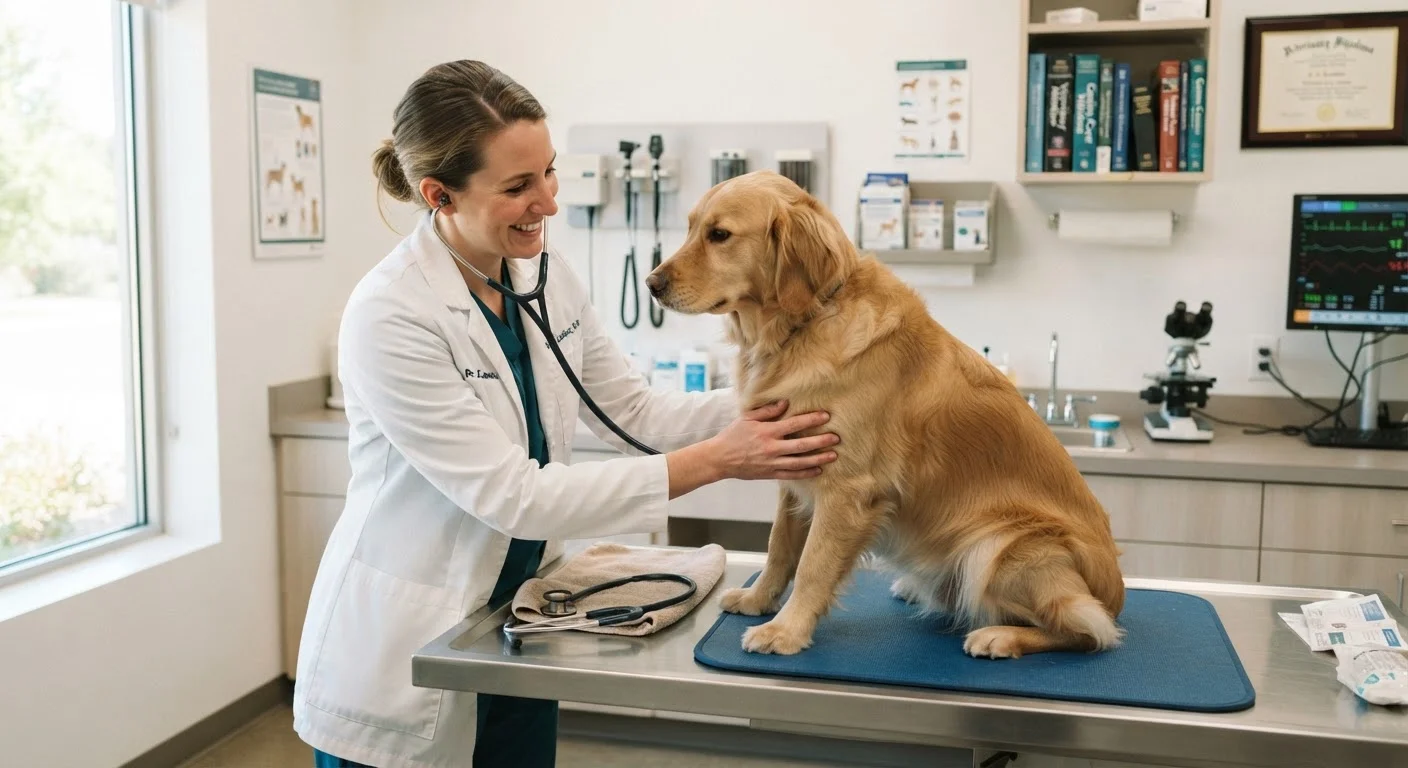
For moderate to severe cases, behavioral intervention alone may be insufficient. Veterinary support - potentially including anti-anxiety medication used under professional supervision - is part of the treatment picture for some dogs. This is not a failure; it reflects that anxiety has physiological components that behavior modification alone cannot always address. Always work with a licensed veterinarian or veterinary behaviorist before introducing any medication or supplement.
This article is for general informational and educational purposes only and does not constitute veterinary or medical advice. If your dog is showing signs of distress, please consult a licensed veterinarian or veterinary behaviorist for guidance tailored to your pet's specific needs.