Why Grooming Feels Like a Battle - And How to Change That
For many pets, grooming triggers a genuine stress response: elevated heart rate, muscle tension, attempts to escape, or even defensive biting. This reaction rarely reflects stubbornness. More often, it reflects a history of overwhelming sensory experiences - being restrained, having sensitive areas handled abruptly, or simply never having had grooming introduced gradually enough to feel safe.
Understanding this matters because the solution isn't to push through the resistance. Forcing a pet through grooming while they are in distress can deepen the aversion and damage your relationship. The goal is to change the emotional association - from threatening to neutral, and ideally to rewarding. That shift takes repetition, patience, and a structured approach rooted in behavioral science.
Consistent daily routines play a meaningful role here: pets who already experience predictable schedules tend to have lower baseline stress, which makes them more receptive to handling. If your pet is frequently anxious in general, addressing their broader enrichment needs can also support grooming tolerance - see our guide on mental stimulation at home for practical strategies.
What you will need
What You'll Need Before You Start
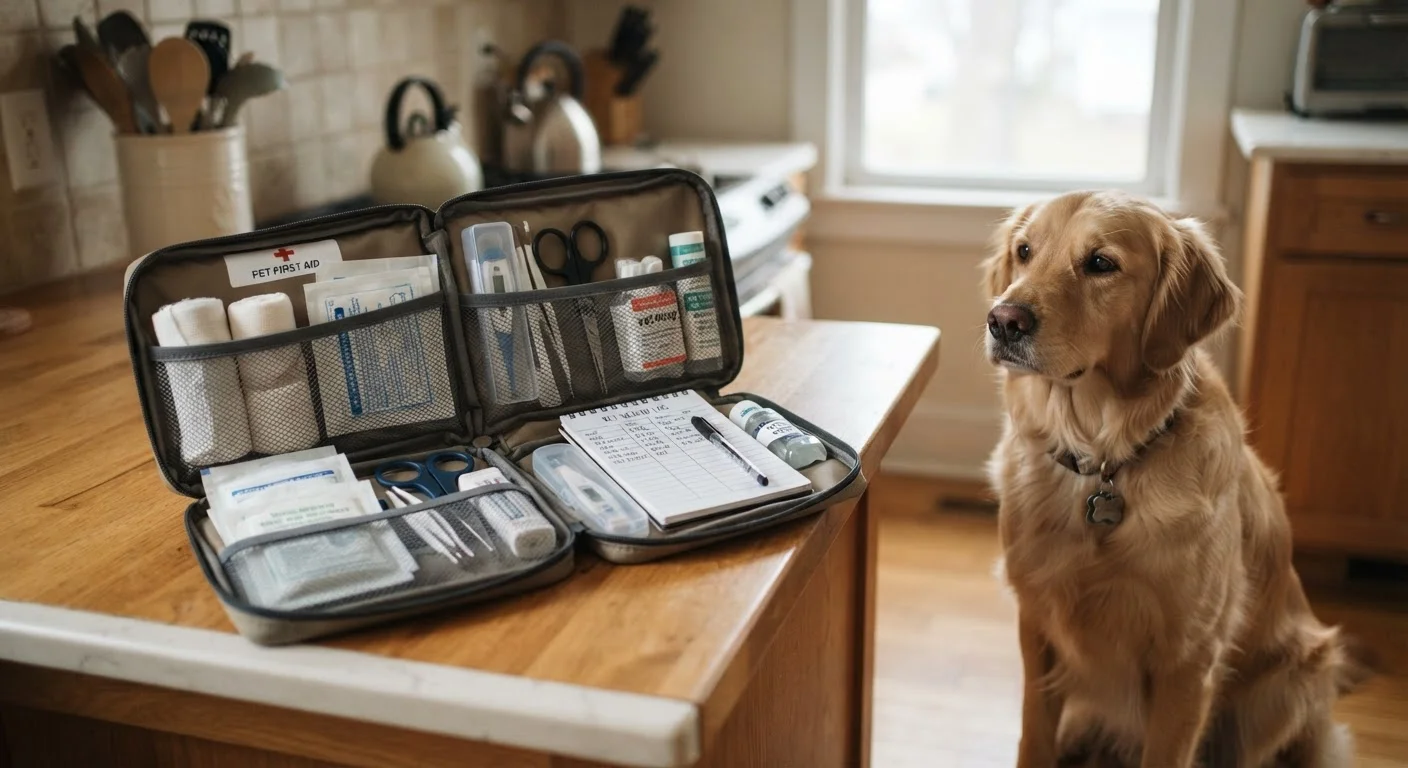
Having the right tools ready before you begin prevents you from needing to leave mid-session to search for something - a common trigger for pet anxiety, as the interruption can reset any calm you've established. Lay everything out in advance and choose a quiet, well-lit space your pet already associates with safety, such as a familiar mat or non-slip bathroom rug.
Slicker brush or species-appropriate comb
Removes loose fur, prevents matting, and helps your pet get comfortable with touch along their body.
Guillotine or scissor-style nail clippers
Designed to trim nails cleanly without crushing, reducing the risk of discomfort or injury.
Styptic powder
Stops minor bleeding immediately if a nail is trimmed too short and the quick is nicked.
High-value treats
Used for counter-conditioning - pairing each grooming task with a reward to build positive associations.
Pet-formulated shampoo
Formulated for the correct pH of your pet's skin; human shampoo can cause irritation.
Non-slip bath mat
Prevents slipping during bathing, which is a major source of bath-time panic in dogs.
Lick mat or suction-cup treat spreader
Keeps a dog occupied during bathing or nail trims by providing a slow-dispensing reward to lick.
Step-by-Step: Grooming With Calm and Cooperation
Follow these steps in order, especially if your pet has shown resistance to grooming in the past. The early steps are about building trust, not completing the task - treat them as non-negotiable even if they feel slow.
Introduce tools without using them
Before any grooming session - especially with a pet who has shown anxiety - place the brush, clippers, or other tools on the floor near your pet and let them investigate freely. Offer a treat when they sniff or approach calmly. Repeat this for one to two minutes across several sessions before attempting to use any tool. This process, called desensitization, teaches your pet that the object predicts good things, not discomfort.
Practice handling before grooming
Gently touch your pet's paws, ears, and mouth for just a few seconds at a time during calm moments - not during grooming. Immediately follow each touch with a treat. This counter-conditioning exercise reduces sensitivity in areas that are commonly problematic during grooming and is one of the most evidence-backed approaches in animal behavior modification.
Set up your environment before bringing your pet in
Prepare your grooming area completely before your pet enters. Lay out tools, pre-fill any water, and position treats within reach. A lick mat with a thin layer of soft treat spread on a wall or tub side can occupy a dog throughout a bath. Minimizing the number of unexpected events during a session lowers the overall stress load.
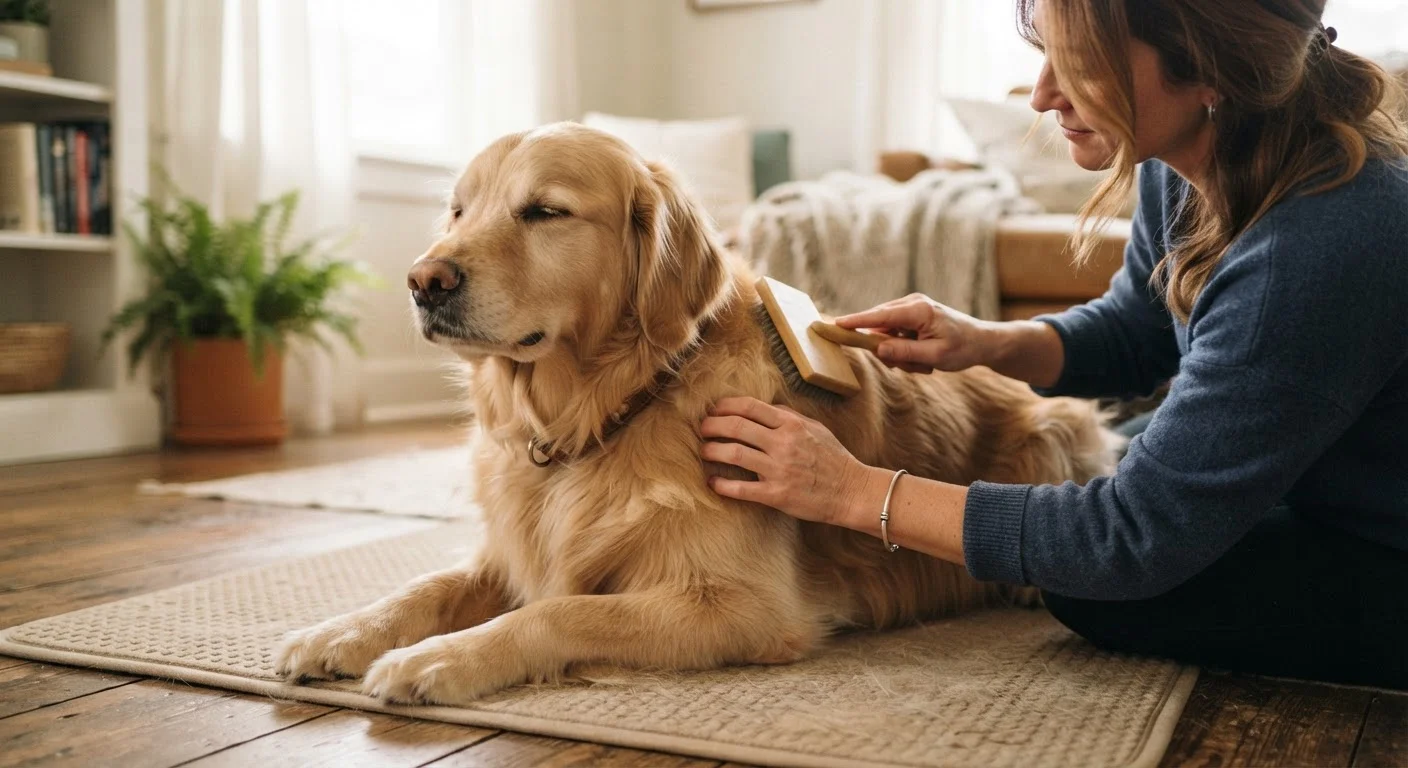
Brush in the direction of coat growth, in short passes
Begin at the least sensitive areas - typically the back and shoulders - and work toward more sensitive zones like the belly, legs, and face. Use light, short strokes in the direction of coat growth. For pets with longer coats, work section by section to prevent pulling. Reward every few strokes, especially in the early stages of building tolerance.
Trim nails one at a time with pauses between
Hold the paw gently but firmly. Clip only the very tip of each nail - the translucent curved point - to stay well clear of the quick (the blood vessel and nerve inside the nail). In pets with dark nails where the quick is not visible, clip tiny amounts at a time and look for a small dark dot at the center of the cut surface, which signals you are approaching the quick. Take one nail, offer a treat, and release. It is completely acceptable to do only two or three nails per session.
Bathe efficiently and dry calmly
Use lukewarm water - never hot. Wet your pet's body before applying shampoo, avoiding the face initially. Use a washcloth for the face and around the ears to avoid water entering the ear canal. Rinse thoroughly, as residual shampoo can cause skin irritation. Wrap your pet in a towel immediately after lifting them from the tub, and allow them to shake before toweling dry. For dogs sensitive to dryers, air-drying in a warm room is a valid option.
End every session with calm praise and a reward
Regardless of how much you accomplished, always end with a positive marker - a calm, warm "good dog" or "good cat," followed by a small treat and a moment of relaxed contact if your pet enjoys petting. This terminal reward helps consolidate the positive emotional memory of the session. Over repeated sessions, your pet begins to anticipate the ending as well as the beginning with less dread.
Frequency Matters More Than Duration
Grooming your pet for five minutes three times a week builds tolerance far more effectively than one 30-minute session. Short, positive sessions accumulate into lasting behavioral change. As your pet's comfort increases, you can gradually extend session length and tackle more complex tasks.
Recognizing and Responding to Stress Signals
Knowing when to pause is one of the most important skills in low-stress grooming. Dogs often signal discomfort through yawning, lip-licking, whale eye (showing the whites of their eyes), or a stiffened body - well before they escalate to growling or snapping. Cats may twitch their tails, flatten their ears, or vocalize. Rabbits and small animals may freeze, thump, or attempt to bolt.
If you observe any of these signals, stop the current task, let your pet settle, and end the session on a positive note - even if that means only brushing one ear. Ending calmly matters more than finishing the task. Over time, consistently respecting these signals teaches your pet that grooming is something they have some control over, which actually increases their tolerance.
Never Punish a Pet for Grooming Resistance
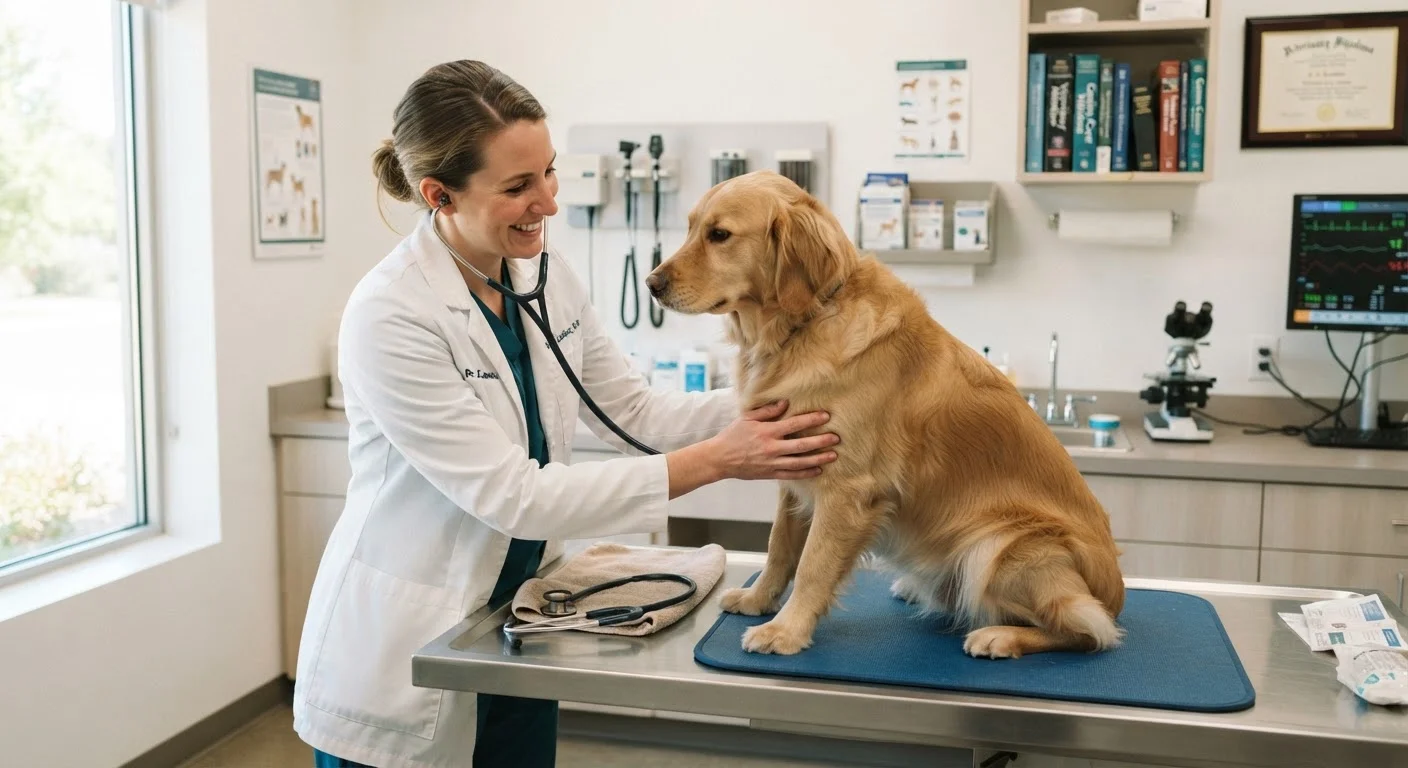
Scolding, restraining forcefully, or continuing to groom through a clear stress response can escalate anxiety and trigger defensive aggression. If your pet consistently shows intense fear, freezing, or aggression during grooming despite gradual exposure work, consult a veterinary behaviorist or a certified professional dog trainer - persistent grooming aversion can sometimes indicate underlying pain or a diagnosed anxiety disorder that warrants professional evaluation.
For guidance on how the nervous system responds to stress and recovery, the principles discussed in our article on pet training and behavior are directly applicable to managing reactive responses during handling.