
The Real Financial Picture
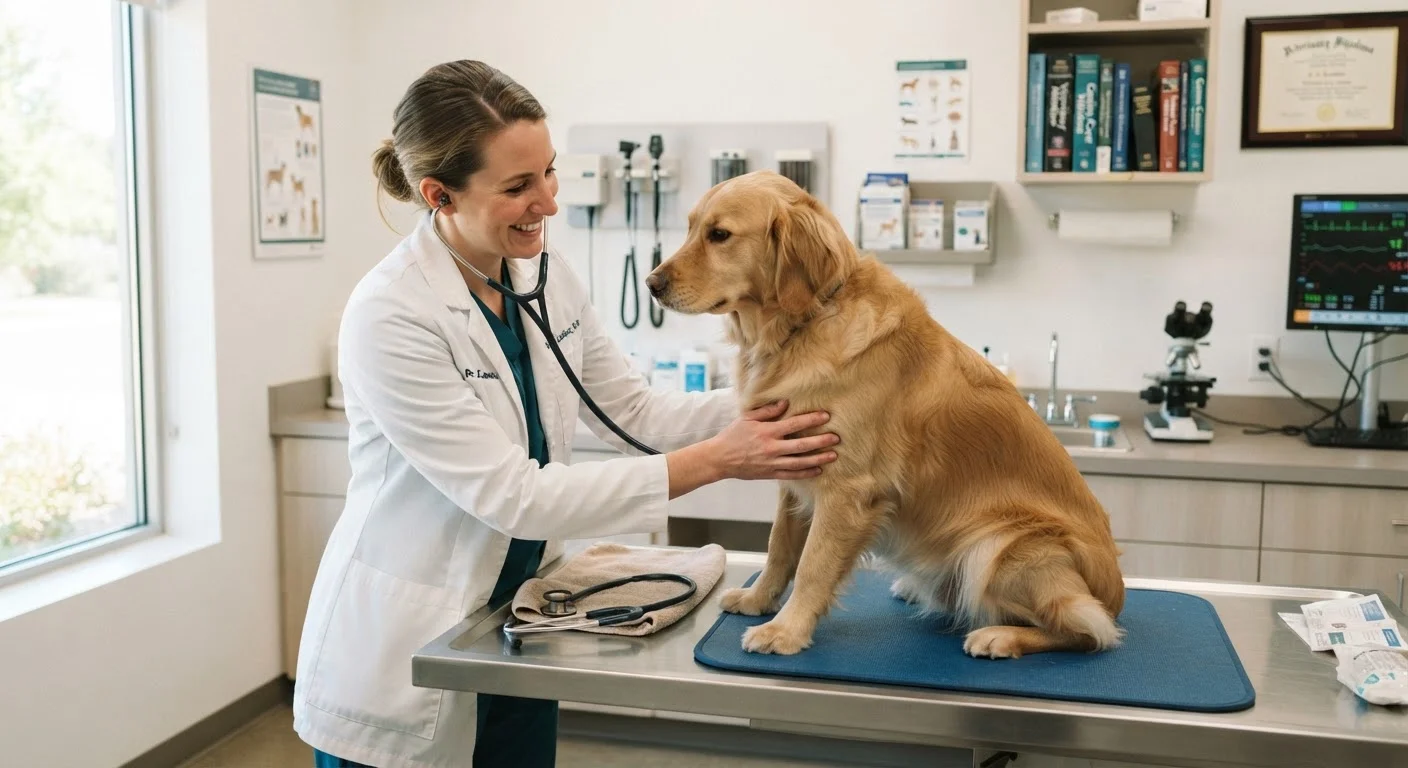
Most prospective pet owners budget for adoption fees and starter supplies, then discover a much longer list of recurring and unexpected costs. Annual veterinary wellness exams, vaccinations, parasite prevention, dental cleanings, and diagnostic tests are baseline expenses - not optional extras. A single emergency hospitalization can run into thousands of dollars, and chronic conditions like diabetes, arthritis, or allergies generate ongoing medication and monitoring costs that last for years.
Pet insurance can offset some risk, but premiums, deductibles, and exclusions vary widely. Many owners find that a dedicated pet savings fund - maintained alongside or instead of insurance - is a practical safeguard. Just as homeowners often underestimate the true carrying costs of a property (see our look at hidden costs of homeownership for a useful parallel), pet owners frequently undercount what steady, responsible care actually costs per year.
$1,500-$9,900
Estimated annual cost of owning a dog
According to the American Society for the Prevention of Cruelty to Animals (ASPCA), first-year costs for a dog can exceed $3,000, with ongoing annual expenses varying widely by size, health status, and location.
~70%
Dogs and cats with dental disease by age 3
Veterinary dental health organizations estimate that the majority of companion animals show signs of periodontal disease by age three, making preventive dental care one of the most impactful routine investments.
Before adopting, build a realistic monthly budget that includes food, routine vet care, grooming, boarding or pet-sitting, and a dedicated emergency fund. Underestimating this category is one of the leading reasons pets are surrendered to shelters.
Time: The Commitment That Surprises People Most
Pets don't adapt to your schedule - they have needs that must be met regardless of how busy or exhausted you are. Dogs typically require multiple daily walks, structured playtime, and social interaction; leaving a dog alone for extended hours on a regular basis contributes to anxiety, destructive behavior, and decline in physical health. Cats, though more independent, still need daily interactive play and environmental enrichment to stay mentally healthy.
Time investment also includes the unglamorous work: litter box maintenance, coat brushing, nail trims, teeth brushing, administering medications, and veterinary appointments that can consume an entire afternoon. For owners considering a new animal, our guide to the first 30 days with a new pet offers a realistic week-by-week look at what the adjustment period actually demands.
Behavioral and Emotional Needs Are Non-Negotiable
Behavioral health is physical health. Pets denied adequate mental stimulation and socialization develop stress-related conditions - compulsive behaviors, aggression, fearfulness, and immune dysfunction among them. Understanding your specific animal's behavioral needs isn't a bonus skill; it's foundational to preventing welfare problems.
Training is not a one-time event completed during puppyhood or kittenhood. It's an ongoing relationship-building process that requires consistency and patience throughout an animal's life. If you're starting with a new pet, the training preparation checklist covers the environment setup and foundational concepts you'll need before day one. For deeper behavioral guidance, the Pet Training & Behavior hub is a strong ongoing resource.
It's also worth examining assumptions you may have absorbed about pet behavior and care. Many widely held beliefs - about how animals communicate stress, what certain behaviors mean, or how animals experience pain - are inaccurate in ways that affect care decisions. Our companion piece on pet care myths veterinarians wish would disappear addresses the most consequential misconceptions directly.
Planning for the Long Arc - Including Senior Years
When you adopt a pet, you're committing to every stage of that animal's life, including the years when care becomes more complex and costly. Senior pets develop age-related conditions - cognitive decline, arthritis, kidney disease, dental disease, and cancer - that require more frequent veterinary monitoring, dietary adjustments, and often palliative care. These needs don't arrive as surprises if you're planning ahead; they're a predictable part of the timeline.
Our detailed reference on senior pet health considerations by decade outlines the nutritional, mobility, and screening shifts that occur as cats and dogs age. Building relationships with your veterinary team early - before problems emerge - puts you in a far better position to navigate those years. The Pet Health & Wellness hub offers ongoing guidance for every life stage.
This article is for general informational and educational purposes only. It does not constitute veterinary or medical advice. Always consult a licensed veterinarian for guidance specific to your pet's health and care needs.