What the Research Actually Shows About Lifespan
The most frequently cited difference between indoor and outdoor cats is lifespan. Veterinary and animal welfare organizations generally estimate that indoor-only cats live considerably longer - commonly cited median lifespans place indoor cats between 12 and 18 years, while outdoor or free-roaming cats often average closer to 5 to 7 years. These figures vary by study and population, but the directional difference is consistent across the literature.
The causes of premature death in outdoor cats are well-documented: vehicle strikes, attacks by dogs or wildlife, infectious diseases contracted from other cats, and intentional harm from humans all contribute. Cats that roam also have higher exposure to parasites such as Toxocara, fleas, ticks, and ear mites. Feline immunodeficiency virus (FIV) and feline leukemia virus (FeLV), both transmitted primarily through bite wounds, are substantially more prevalent in cats with outdoor access.
Understanding why cats mask signs of illness is important regardless of lifestyle - see why cats hide illness and how to catch it early for guidance on spotting subtle health changes before they escalate.
The Real Risks of Keeping Cats Indoors
Indoor living is not without its own health costs. Cats confined to the home without sufficient environmental stimulation are at elevated risk for obesity, type 2 diabetes, and urinary tract disease - conditions linked to sedentary behavior and, in some cases, dietary patterns. Behavioral problems including over-grooming, aggression, and anxiety-based repetitive behaviors are also more commonly reported in under-stimulated indoor cats.
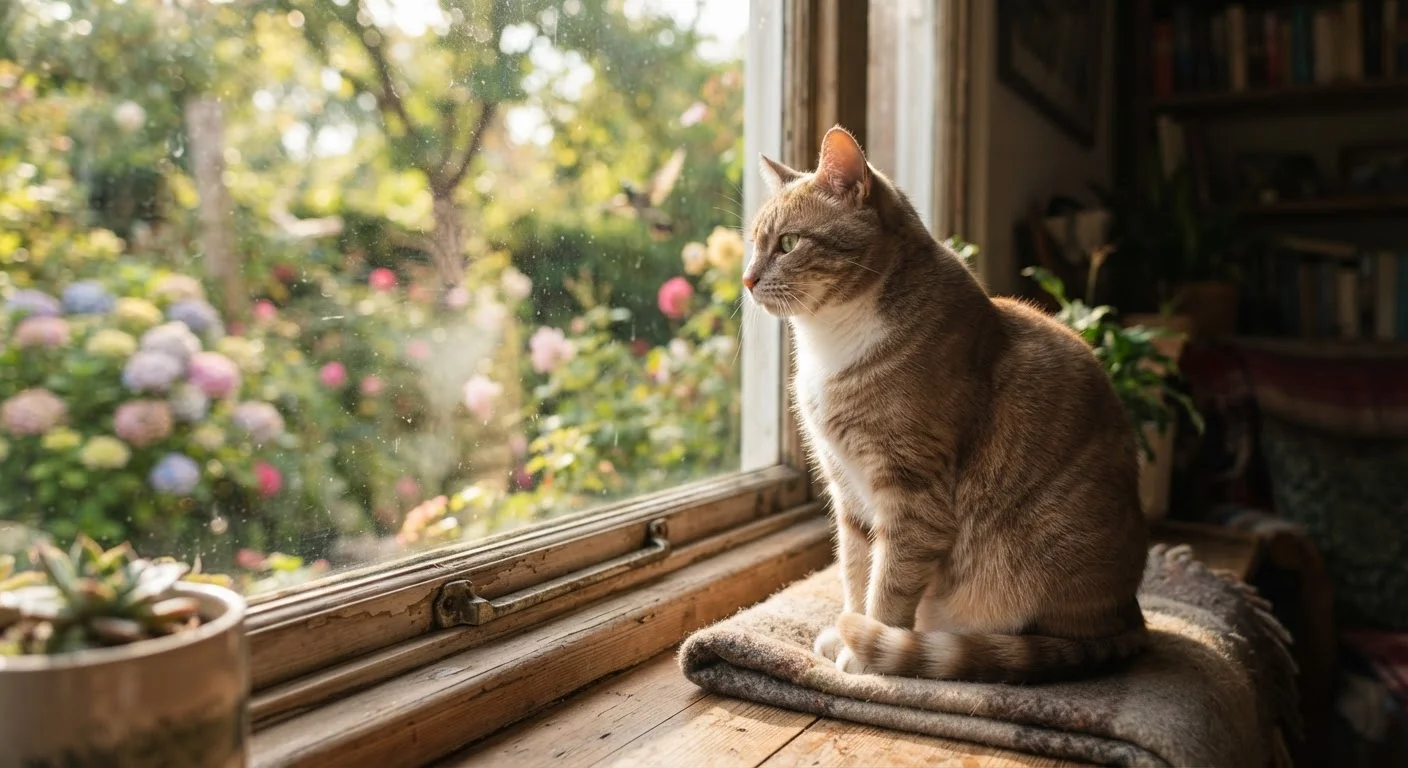
Boredom is a genuine welfare concern. Cats are obligate hunters with strong predatory drives, and a home that offers no outlet for stalking, pouncing, or problem-solving can leave those drives unmet. Environmental enrichment strategies - including puzzle feeders, climbing structures, window perches, and interactive play - are not optional extras for indoor cats; they are foundational to wellbeing.
Significantly longer average lifespan
Indoor cats are shielded from the leading causes of premature feline death - vehicle strikes, predator attacks, and infectious disease spread through contact with other cats.
Lower infectious disease exposure
Diseases like FIV and FeLV, transmitted primarily through bite wounds, are far less common in cats without contact with free-roaming strays.
Reduced parasite burden
Indoor cats have minimal exposure to fleas, ticks, intestinal worms, and external parasites that are endemic in outdoor environments.
Easier health monitoring
Owners can more readily track litter box habits, eating patterns, and behavioral changes - early indicators of illness - when a cat is home-based.
Protection from environmental toxins
Outdoor cats can be exposed to pesticides, rodenticides, antifreeze, and toxic plants in ways that are difficult to control or predict.
Higher obesity and metabolic disease risk
Without adequate space and stimulation, indoor cats move less and are more prone to weight gain, which is a risk factor for diabetes and joint disease.
Behavioral problems from under-stimulation
Unmet predatory instincts can manifest as over-grooming, destructive behavior, aggression, or anxiety - particularly in cats without sufficient environmental enrichment.
Unmet sensory and exploratory needs
The olfactory, visual, and auditory richness of the outdoor environment is difficult to replicate indoors, which can leave some cats chronically understimulated.
Greater owner responsibility for enrichment
Indoor cats depend entirely on their owners to provide stimulation through play, climbing structures, and interactive toys - this requires consistent time and financial investment.
Supervised and Structured Outdoor Options
For owners who want to offer their cat outdoor experience without full free-roaming access, several practical options exist. Enclosed outdoor structures - commonly called catios - allow cats to experience fresh air, natural light, and sensory stimulation while remaining protected from traffic, other animals, and disease vectors. Leash and harness walking is another option some cats tolerate well, though it requires patient, gradual introduction and works better for certain temperaments than others.
These middle-ground approaches are increasingly recommended by veterinary and behavior professionals as a way to balance enrichment needs against safety risks. They also allow owners in suburban or rural areas - where predation and traffic risks are higher - to remain confident in their cat's security. The right choice depends heavily on the cat's individual personality, age, and health. Older cats, for example, may have mobility or immune considerations worth discussing with your vet; health considerations for senior pets covers these nuances in detail.
2-3×
Higher FIV prevalence in outdoor cats
Studies in North American cat populations consistently find feline immunodeficiency virus rates significantly elevated in cats with outdoor or free-roaming access compared to indoor-only cats.
~12-18 yrs
Typical indoor cat lifespan
Veterinary sources generally cite median lifespans of 12 to 18 years for indoor cats, compared to approximately 5 to 7 years for free-roaming outdoor cats.
Making the Decision: Key Factors to Weigh
No single answer fits every cat or every household. When evaluating the right approach, consider the following:
- Local environment: Urban settings with heavy traffic, dense wildlife, or high stray cat populations carry greater outdoor risk than rural properties with controlled access.
- Vaccination and parasite control: Outdoor cats require more comprehensive and frequent preventive care. This should be factored into both health planning and cost expectations.
- Temperament: A cat raised indoors from kittenhood typically adapts well and may show little interest in going outside. A cat with a strong roaming history may experience stress if suddenly confined.
- Health status: Cats with FIV, FeLV, or compromised immune function are generally advised to remain indoors to protect both themselves and other cats.
Nutrition also plays a role in supporting any cat's health regardless of lifestyle. Understanding the nutritional differences between food types is a useful starting point for owners reviewing their cat's overall care.
What About Cats Already Used to the Outdoors?
Transitioning a cat that has had outdoor access to a fully indoor lifestyle requires patience and planning. Abrupt confinement can cause significant stress and behavioral regression. Gradual transition - combined with a substantial enrichment upgrade - gives the cat time to adapt. Your veterinarian or a certified animal behaviorist can advise on the most appropriate transition strategy for your cat's temperament and history.
This article is for general informational purposes only and does not constitute veterinary advice. Always consult a licensed veterinarian for guidance specific to your cat's health and circumstances.