What 'Plant-Based' Actually Means
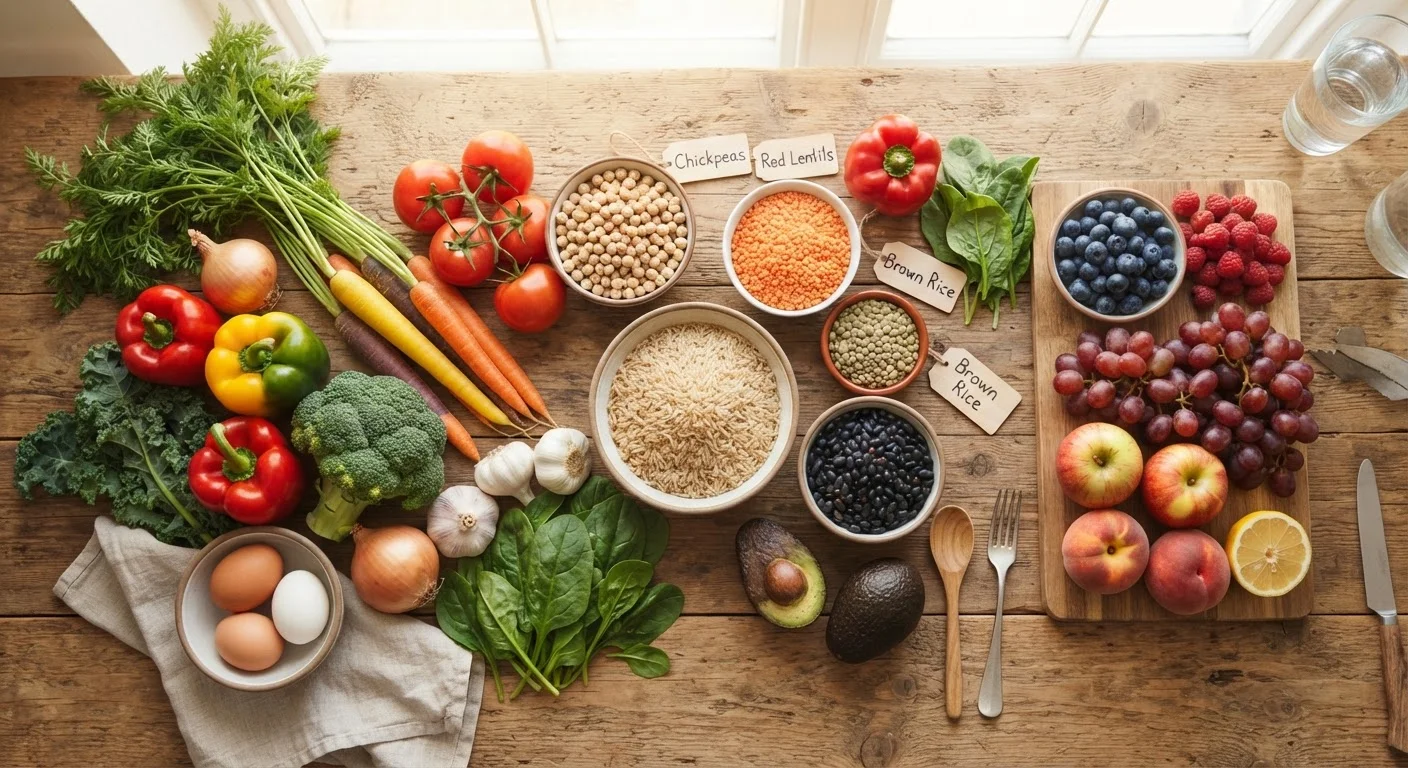
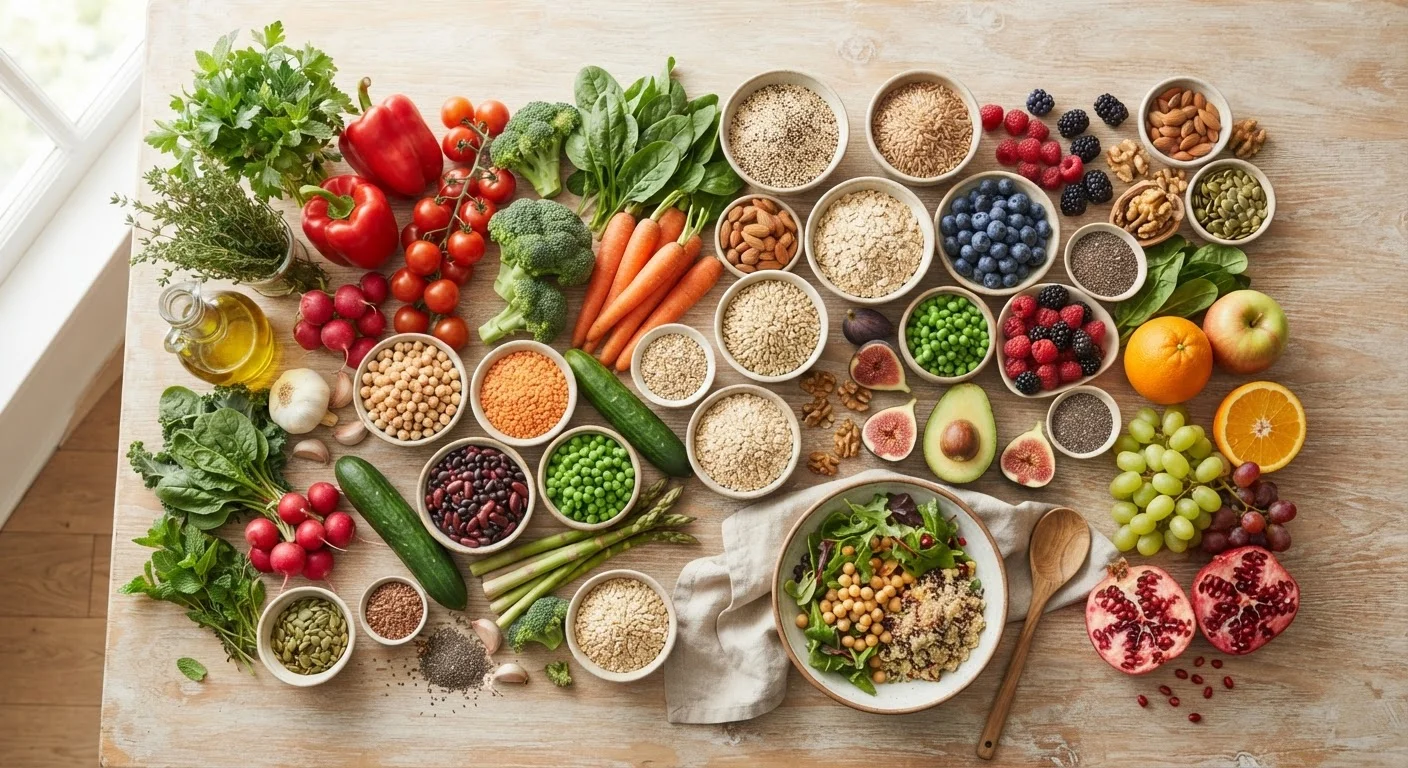
The term plant-based diet has no single regulatory definition, which is one reason it causes confusion. In nutritional research it generally refers to an eating pattern that emphasizes foods derived from plants - vegetables, fruits, legumes, whole grains, nuts, and seeds - while minimizing or excluding animal products. The phrase does not automatically mean vegan; it describes a direction of emphasis rather than a strict ruleset.
This distinction matters because it allows people to adopt plant-forward habits at whatever level fits their health goals, preferences, and circumstances. For a deeper primer on how eating patterns are structured around food groups, see building a balanced plate.
The Spectrum: From Flexitarian to Fully Vegan
Understanding the different tiers helps you identify where you currently sit and where you might want to move:
- Flexitarian: Predominantly plant-based with occasional meat, poultry, or seafood - no foods are categorically excluded. This is the most accessible entry point and has growing research support.
- Pescatarian: Excludes meat and poultry but includes fish and seafood, often alongside dairy and eggs. This pattern typically maintains robust omega-3 intake.
- Lacto-ovo vegetarian: Excludes all meat and seafood but includes dairy products and eggs, providing reliable dietary sources of vitamin B12 and calcium.
- Vegan: Excludes all animal-derived foods, including dairy, eggs, and honey. Requires the most nutritional planning and is the focus of the most targeted research on supplementation needs.
Each tier carries distinct nutritional trade-offs. The Mediterranean and DASH dietary patterns offer useful contrasts - both are largely plant-forward while permitting moderate animal protein, a reminder that no single framework monopolizes health benefits.
~5%
US adults identifying as vegan
Gallup polling has consistently found that roughly 3-5% of American adults identify as vegan, while significantly more follow some form of plant-forward eating.
23%
Lower cardiovascular disease risk
A meta-analysis in the Journal of the American Heart Association found vegetarian diets associated with approximately 23% lower ischemic heart disease risk compared to omnivorous diets.
~17g
Average US daily fiber intake
The USDA Dietary Guidelines note average US fiber consumption is roughly 17g per day - well below the recommended 25-38g - a gap plant-rich diets are well positioned to close.
Key Nutrients to Monitor at Every Level
As animal foods are reduced, certain nutrients require deliberate sourcing. This is not a barrier to plant-based eating - it is a planning consideration.
- Vitamin B12
- Found almost exclusively in animal products. Vegans and many vegetarians require a reliable supplement or fortified foods; deficiency can cause irreversible neurological damage if left unaddressed.
- Iron
- Plant foods contain non-heme iron, which is absorbed less efficiently than heme iron from meat. Pairing iron-rich plants (lentils, tofu, pumpkin seeds) with vitamin C improves uptake. Avoiding coffee and tea with meals also helps.
- Calcium
- Dairy-free individuals should seek fortified plant milks, bok choy, kale, almonds, and fortified tofu. Aim to spread calcium intake across meals to maximize absorption.
- Long-chain omega-3s (EPA and DHA)
- Algae-based omega-3 supplements directly supply EPA and DHA without relying on the body's limited conversion of ALA from flaxseed or walnuts.
- Zinc and iodine
- Zinc bioavailability is lower from plant sources; seeds, legumes, and whole grains support intake. Iodine is often overlooked - those avoiding dairy and seafood may need iodized salt or a supplement.
When transitioning away from dairy, choose a fortified, unsweetened plant milk that lists calcium at 30% or more of the daily value per serving - this closely mirrors the calcium density of cow's milk.
Many people switching to plant milks unknowingly reduce their calcium intake because not all plant milks are fortified equally, and sweetened varieties add unnecessary added sugar.
If you're not eating fatty fish at least twice a week, an algae-derived omega-3 supplement supplying EPA and DHA is worth discussing with your doctor - it bypasses the conversion bottleneck that limits benefit from ALA-only sources like flaxseed.
The body's conversion of plant-derived ALA to the active long-chain forms EPA and DHA is inefficient in most adults, leaving many plant-based eaters with suboptimal omega-3 status.
What the Evidence Says About Long-Term Health
Large prospective cohort studies and several meta-analyses consistently associate higher plant food intake with reduced risk of cardiovascular disease, type 2 diabetes, and certain cancers - particularly colorectal cancer. A widely cited analysis published in JAMA Internal Medicine found vegetarian dietary patterns associated with lower all-cause mortality, though researchers note that lifestyle confounders (exercise, smoking status) make causation difficult to isolate.
Importantly, the quality of plant foods consumed matters as much as their origin. A 2019 Harvard analysis of the Plant-based Diet Index found that a healthful plant-based diet (emphasizing whole foods) was protective against cardiovascular disease, while an unhealthy plant-based diet (high in refined grains, sugary beverages, and ultra-processed meat alternatives) was not. This challenges the assumption that vegan automatically equals healthful.
“A plant-based diet does not have to be all-or-nothing. The evidence consistently shows that even modest increases in plant food consumption - and reductions in red and processed meat - are associated with meaningful improvements in cardiometabolic health.”
— Walter Willett, Professor of Epidemiology and Nutrition, Harvard T.H. Chan School of Public Health
For comparison, intermittent fasting research illustrates a similar pattern: population-level benefits exist, but individual responses vary and the quality of what one eats during eating windows still determines much of the outcome.
Practical Strategies for Shifting Your Diet
Evidence supports gradual, sustainable change over abrupt dietary overhaul. Consider these approaches:
- Start with addition, not subtraction. Add a serving of legumes, a handful of leafy greens, or a portion of whole grains before focusing on what to remove. This builds variety naturally.
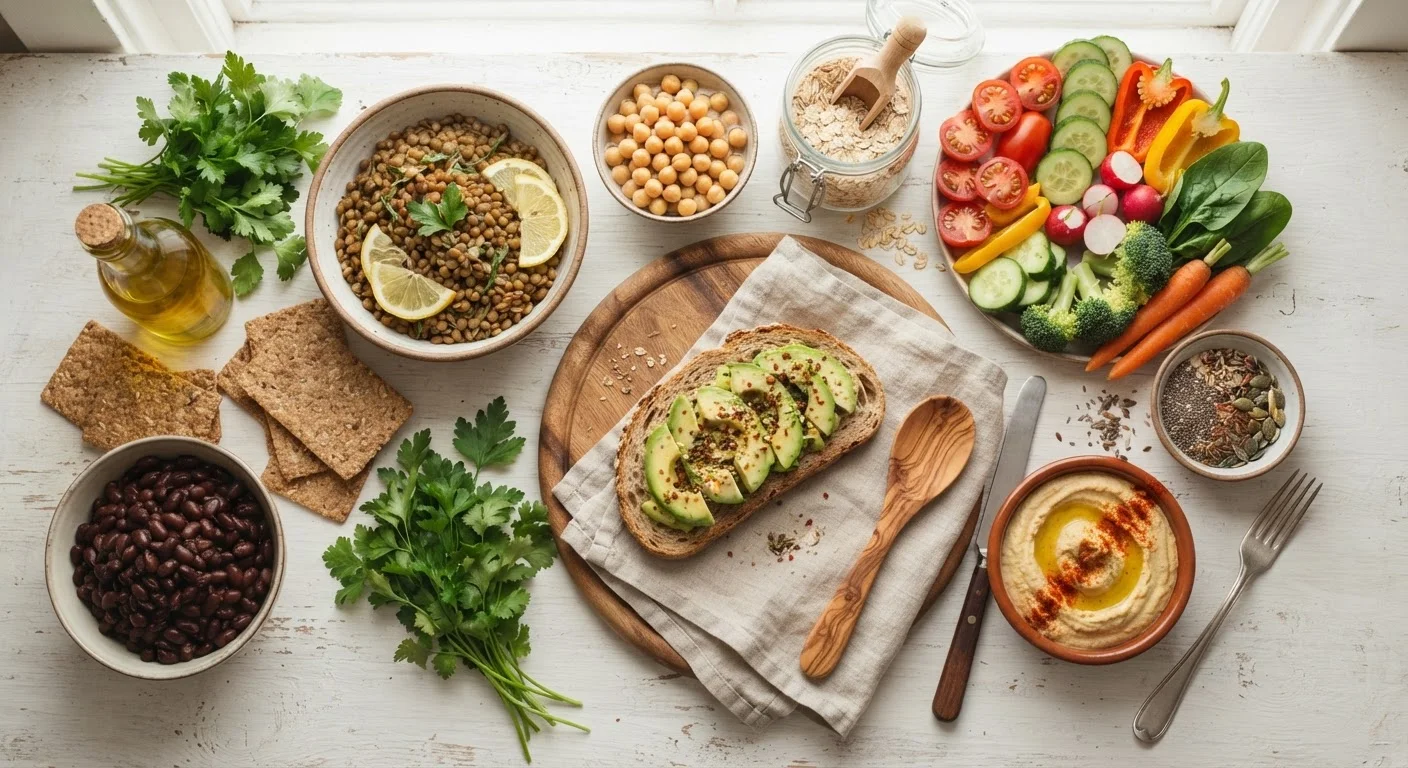
- Anchor meals in whole plant foods. Beans, lentils, chickpeas, oats, quinoa, and seasonal vegetables provide fiber, protein, and micronutrients with minimal processing. See why whole grains outperform refined alternatives for the science behind grain choices.
- Plan grocery trips deliberately. A structured approach to grocery shopping reinforces plant-forward choices week over week without relying on willpower alone.
- Budget thoughtfully. Dried legumes, canned beans, frozen vegetables, and bulk grains are among the most affordable foods per nutrient. Eating well on a budget outlines practical frameworks that align well with plant-based priorities.
Common Misconceptions and Honest Limitations
Several persistent myths deserve direct correction:
- "Plant-based diets lack sufficient protein." Diverse plant protein sources - lentils, tofu, tempeh, edamame, seitan, hemp seeds, and beans - can meet protein needs across most life stages when eaten in adequate variety and quantity. Athletes and older adults may require more careful tracking.
- "Vegan processed foods are a healthy swap." Many commercial meat and dairy alternatives are high in sodium, saturated fat from coconut or palm oil, and additives. Read ingredient labels critically.
- "Everyone thrives on the same plant-based pattern." Individual variation in gut microbiome composition, genetics, medication interactions, and health conditions means that what works optimally for one person may not for another. Pregnant individuals, young children, and people managing chronic illness should consult a registered dietitian before making significant dietary shifts - general information does not substitute for personalized guidance.
Track Nutrients Before Supplementing
Before purchasing a battery of supplements, consider asking your doctor for a blood panel covering B12, iron (including ferritin), and vitamin D. Supplementing nutrients you are not actually deficient in provides no benefit and, in some cases, can cause harm. Targeted testing gives you an accurate baseline to work from.
This article provides general nutrition information and education only. It is not a substitute for personalized medical or dietary advice. Please consult a qualified healthcare professional or registered dietitian before making significant changes to your diet, especially if you have an existing health condition, are pregnant, or are managing medication.