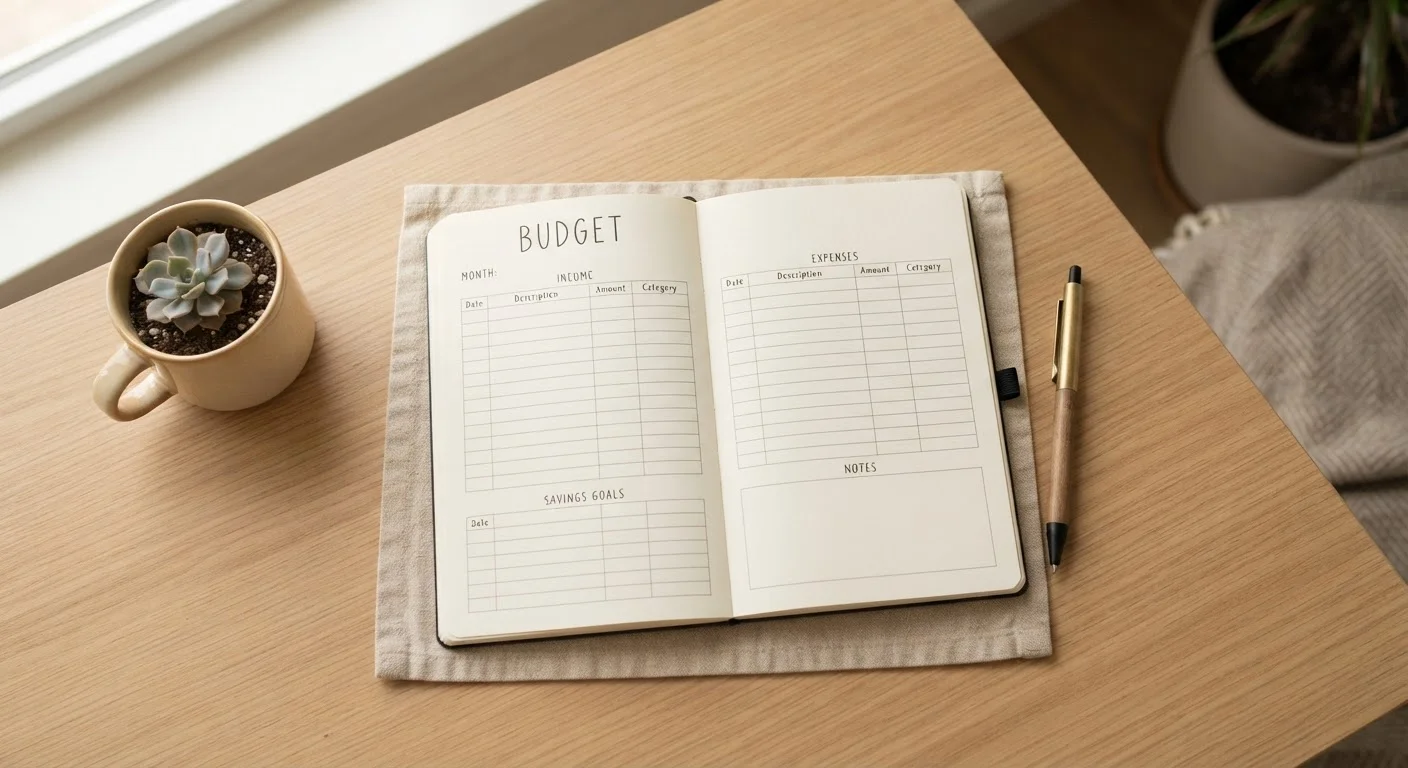
Why the Method You Choose Actually Matters
Budgeting is less about spreadsheets and more about behavior. The mechanics of any system - whether you use an app, a notebook, or a stack of envelopes - matter less than whether the structure fits how you actually think and spend. Choosing a method that conflicts with your habits or income pattern is a reliable path to abandonment.
This overview covers four widely used budgeting approaches: zero-based budgeting, pay-yourself-first, the 50/30/20 rule, and envelope budgeting. For each, we'll explain what it assumes, how it works, and which types of people tend to find it useful. For a broader foundation on how budgets work from the ground up, see the complete personal budgeting reference.
Zero-Based Budgeting: Every Dollar Gets an Assignment
Zero-based budgeting starts with your total monthly income and requires you to allocate every dollar to a specific category - housing, groceries, savings, debt payments, entertainment - until the balance reaches zero. The goal isn't to spend everything; it's to make intentional decisions about where every dollar goes before the month begins.
This method works well for people with consistent, predictable income who are motivated by detail and control. It surfaces spending patterns that are easy to overlook in looser systems. The trade-off is time: building and maintaining a zero-based budget requires regular attention, often weekly.
Understanding how your spending breaks down into fixed and variable expenses is especially useful here, since allocating variable costs accurately is the hardest part of this method.
Pay-Yourself-First: Savings Come Off the Top
Pay-yourself-first inverts the typical approach. Instead of spending first and saving whatever's left, you set aside a savings contribution at the start of each pay period - ideally through an automatic transfer - and budget the remainder for expenses.
This method is deliberately simple. It doesn't require tracking every purchase or assigning categories to each dollar. Its core assumption is that most people will spend whatever is available, so the answer is to make savings unavailable before spending decisions happen.
It suits people who find granular tracking tedious and who have basic monthly expenses that don't vary wildly. The limitation is that it doesn't prevent overspending on discretionary categories - it just protects savings. Those using this method may want to complement it with sinking funds for predictable future expenses.
Automate to Make Pay-Yourself-First Stick
Setting up an automatic transfer to a savings account on the day you're paid removes the temptation to spend first and save later. Even a modest fixed amount, transferred consistently, builds a meaningful habit over time. Check whether your employer offers split direct deposit - some allow you to route a set dollar amount to a separate account before the rest hits your checking.
The 50/30/20 Rule: Percentages Over Categories
The 50/30/20 framework divides after-tax income into three broad buckets: roughly 50% toward needs (housing, utilities, groceries, transportation), 30% toward wants (dining out, subscriptions, entertainment), and 20% toward savings and debt repayment. The percentages are guidelines, not rigid rules.
Its appeal is simplicity. There's no need to track dozens of categories - just three. That makes it easy to start and easy to revisit. It also provides a quick diagnostic: if you're spending 65% on needs, that signals a structural problem worth addressing.
The drawback is that the percentages don't work equally well for every income level. Lower incomes often require more than 50% for basic needs, while higher earners may find 20% toward savings is conservative relative to their goals. The 50/30/20 rule is a starting framework, not a final answer.
| Zero-Based | Pay-Yourself-First | 50/30/20 Rule | Envelope Budgeting | |
|---|---|---|---|---|
| Core principle | Assign every dollar a job | Save first, spend the rest | Split income by percentages | Cash limits per category |
| Effort level | High - requires regular upkeep | Low - mostly automated | Low - three buckets only | Medium - setup and refills |
| Best income type | Steady, predictable income | Any income type | Steady salaried income | Any, ideally cash-friendly |
| Savings discipline | Built in by design | Built in - top priority | 20% target built in | Requires a dedicated envelope |
| Spending visibility | Very high - category level | Low - broad overview only | Medium - three categories | High - envelope by envelope |
| Common pitfall | Time-consuming to maintain | No guard on overspending | Percentages may not fit all | Inflexible for irregular costs |
Envelope Budgeting: Physical Limits on Spending
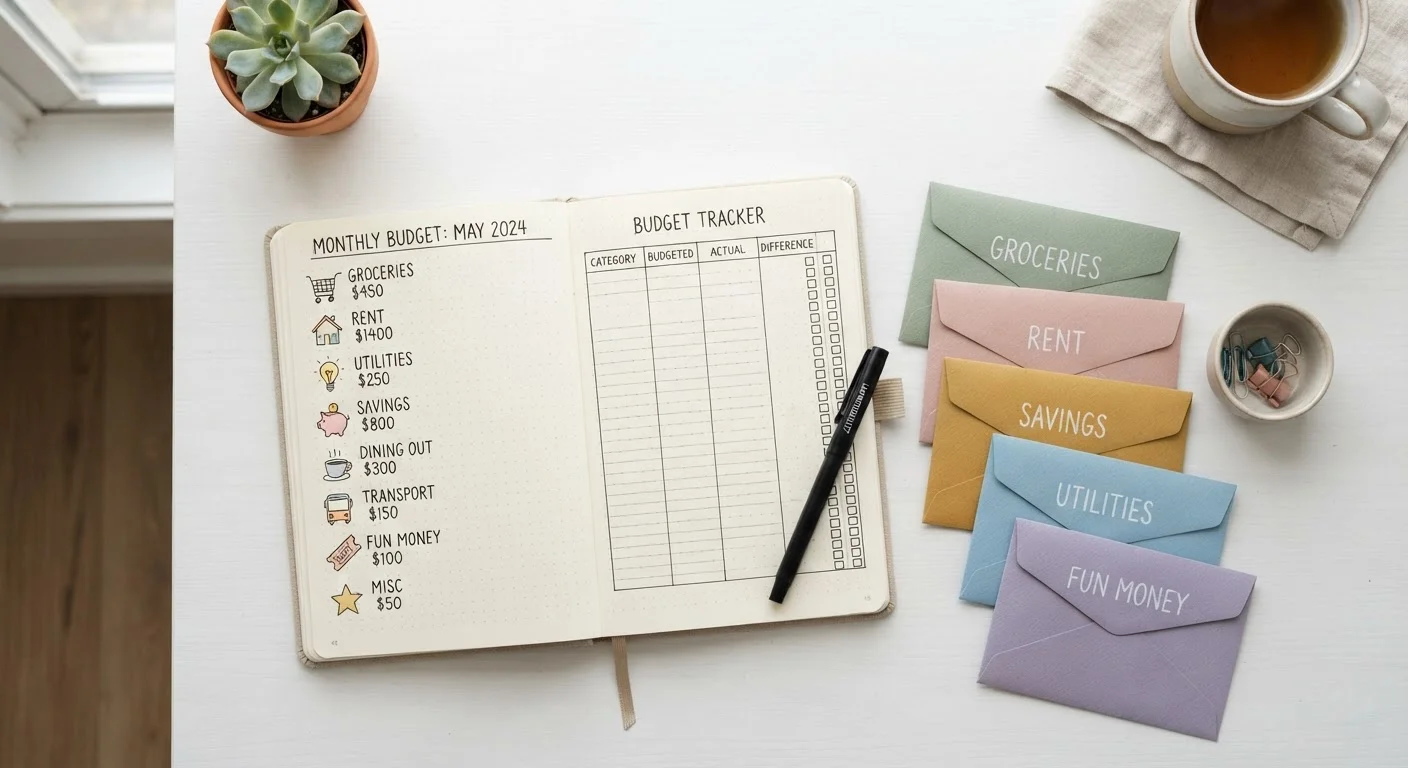
Envelope budgeting allocates cash into labeled physical envelopes at the start of each month - one for groceries, one for gas, one for dining out, and so on. When an envelope is empty, spending in that category stops for the month.
The psychological effect of handling physical cash tends to make spending feel more tangible. Research on payment method and spending behavior generally suggests that cash transactions feel more immediate than card transactions, which may help people who struggle with overspending in specific categories.
Modern digital versions of this method exist in various budgeting apps, which replicate the envelope structure without requiring physical cash. Whether digital or physical, this approach works best for people who overspend in a few predictable categories and need a hard stop rather than a soft reminder. It can feel restrictive for those with irregular expenses or complex financial lives. For broader context on how different saving strategies connect to budgeting, visit the Saving & Credit hub.
This article is for general informational purposes only and does not constitute personalized financial advice. Consider speaking with a qualified financial professional about your specific situation.