What Problem Sinking Funds Actually Solve
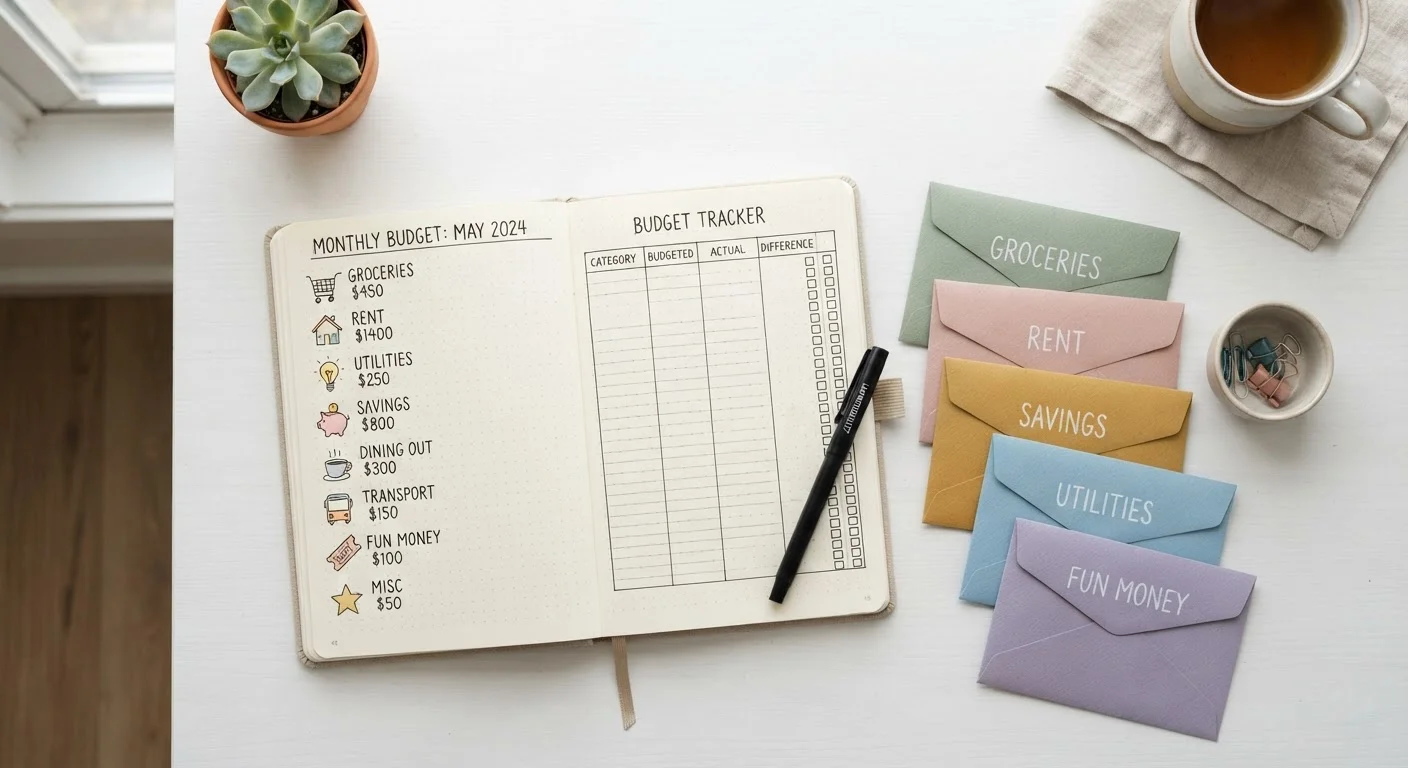
Most budgets are built around monthly expenses - rent, groceries, utilities, subscriptions. But life doesn't bill you monthly for everything. Car registration, annual insurance premiums, back-to-school shopping, holiday gifts, a dental crown - these costs are real, predictable, and often expensive. Yet many people treat them as surprises when they arrive.
That's the root of budget blowouts. Not poor discipline, not math errors - just the failure to plan for costs that don't repeat on a monthly cycle. As covered in why most budgets collapse early, irregular expenses are one of the top structural reasons a budget stops working.
Sinking funds fix this by converting a lump-sum future payment into a series of smaller, manageable contributions. You stop reacting to bills and start absorbing them before they arrive.
Nearly 4 in 10
Americans who would struggle to cover a $400 emergency
According to the Federal Reserve's Report on the Economic Well-Being of U.S. Households, a significant share of adults face difficulty covering an unexpected $400 expense without borrowing or selling something.
$1,000-$2,000
Typical annual car maintenance costs per vehicle
Industry estimates suggest most drivers spend between $1,000 and $2,000 per year on routine maintenance and unexpected repairs - a textbook sinking fund use case.
How to Build a Sinking Fund From Scratch
The math is straightforward. Identify an upcoming expense, estimate the total cost, then divide by the number of months until you need the money. That's your monthly contribution.
For example: if your car registration costs $180 and renews in six months, saving $30 per month gets you there with no stress. If holiday spending typically runs $600 and you start in January, that's $50 per month across twelve months.
The harder part is the setup. A few practical steps help:
- List your irregular expenses. Go through last year's bank statements and flag every non-monthly cost. Annual subscriptions, vet visits, seasonal bills - anything that doesn't appear every single month.
- Estimate each amount. Use past spending or a reasonable estimate. You don't need precision - being roughly right beats being precisely unprepared.
- Open a dedicated account or sub-account. Keeping sinking fund money physically separated from everyday spending reduces accidental spending.
- Automate the transfer. Set up a recurring transfer to coincide with your paycheck. Treating it like a fixed bill makes it consistent.
Start With Your Most Predictable Expense
If you're new to sinking funds, pick just one expense you know is coming - a car registration, an annual subscription, a holiday budget - and build that fund first. Getting one working gives you the template and confidence to add others. Trying to set up six funds simultaneously can feel overwhelming and lead to inaction.
Choosing What to Create a Sinking Fund For
Not every expense warrants its own fund. A useful rule of thumb: if a cost is large enough to cause financial strain if it arrived tomorrow, and you can predict it will happen within the next one to three years, it's worth a dedicated fund.
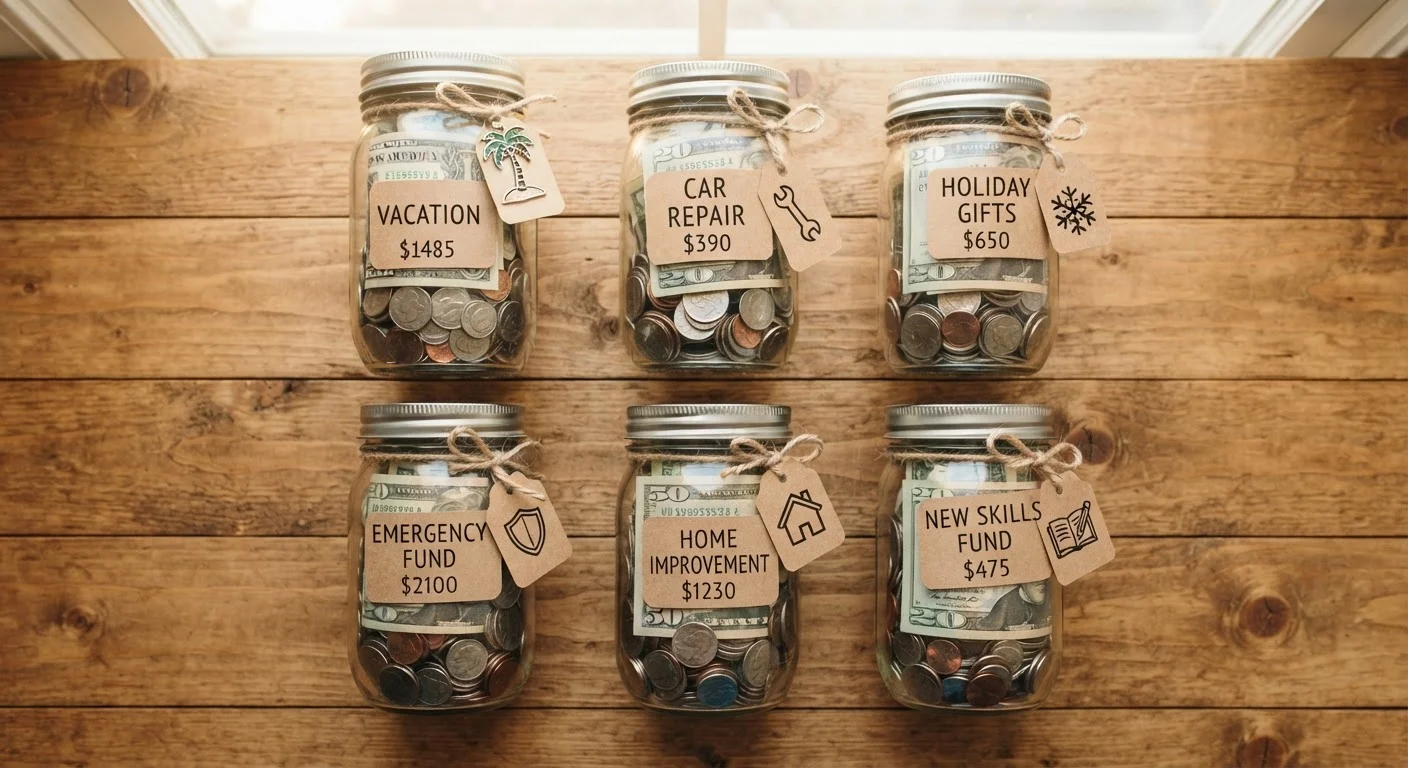
Common categories people use include:
- Vehicle maintenance and registration
- Home repairs and appliances
- Medical and dental out-of-pocket costs
- Holiday and gift spending
- Travel and vacations
- Annual insurance premiums
- Clothing and back-to-school expenses
The goal isn't to create a perfectly segmented system - it's to stop large, predictable bills from landing like emergencies. If a combined "irregular expenses" fund works better for your temperament than a dozen labeled buckets, that approach is equally valid. The budgeting method you choose should shape how you structure these funds.
Sinking Funds vs. Emergency Funds: A Key Distinction
These two tools are frequently confused, but they serve different purposes and should be maintained separately.
An emergency fund is your financial buffer against truly unpredictable events - sudden job loss, an unexpected medical event, a car accident. It's money you hope not to need. A sinking fund is money you fully intend to spend - the only uncertainty is the precise timing or final amount.
Conflating the two creates a problem: if you dip into your emergency fund for a car registration you knew was coming, you've depleted protection you may genuinely need later. Keeping them separate maintains the integrity of both.
If you're just starting out, it's reasonable to build a small emergency buffer first (often cited as one to three months of essential expenses as a starting point - though the right amount varies by individual circumstance). Once that's in place, directing some savings monthly toward sinking funds becomes a natural next step. For a fuller picture of how these habits compound over time, see habits that support long-term financial plans.
This article is for general informational and educational purposes only and does not constitute personalized financial advice. Consult a qualified financial professional for guidance tailored to your individual situation.