Why These Three Products Are Not the Same Thing
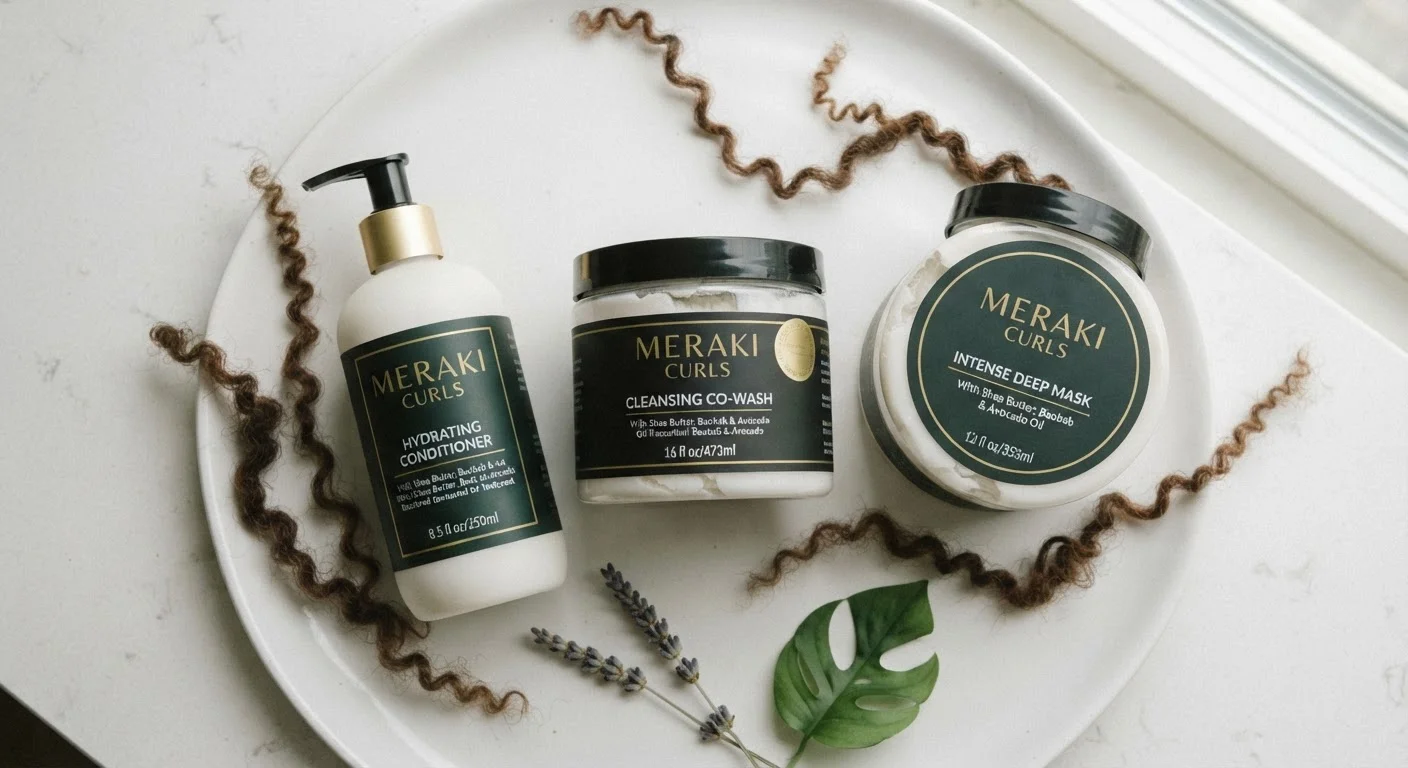
Walk down any hair care aisle and you'll find shelves packed with conditioners, co-washes, and masks - often with overlapping claims. The confusion is understandable. All three add moisture and improve manageability, but they differ in formula strength, how they interact with the scalp, and how frequently they should be used.
Understanding those differences isn't about following a trend. It's about knowing what your hair actually needs and putting the right tool to work at the right time. As a starting point, scalp health plays a major role in which products belong in your routine - and how often you should be cleansing at all.
| Rinse-Out Conditioner | Co-Wash | Deep Conditioning Mask | |
|---|---|---|---|
| Primary purpose | Smooth cuticle, restore moisture | Gentle cleanse + conditioning | Intensive repair and nourishment |
| Replaces shampoo? | No | Yes | No |
| Time on hair | 1-3 minutes | 3-5 minutes | 10-30 minutes |
| Recommended frequency | Every wash day | As needed per hair type | Once or twice a month |
| Best hair types | All hair types | Dry, coily, color-treated | Damaged, porous, brittle hair |
| Scalp application | Generally avoid scalp | Applied to scalp and lengths | Generally avoid scalp |
| Risk of overuse | Low | Buildup if not balanced with shampoo | Protein overload, stiffness |
Rinse-Out Conditioner: The Weekly Workhorse
Standard rinse-out conditioner is designed to be applied after shampooing, left on for one to three minutes, and rinsed away. Its primary job is to temporarily smooth the hair cuticle - the outermost layer of each strand - reducing friction, detangling, and helping hair retain moisture between washes.
Most conditioners rely on positively charged ingredients (called cationic surfactants) that are attracted to the negatively charged surface of wet hair. This coating effect is what produces the slip and softness you feel after rinsing.
Who needs it: Almost everyone. Whether your hair is fine, thick, straight, or coily, some form of rinse-out conditioning after shampooing helps counteract the drying effect of cleansing. Apply from mid-length to ends, avoiding the scalp if your hair is fine or prone to oiliness.
Apply Conditioner Strategically
Focus rinse-out conditioner on the mid-lengths to ends of your hair, where dryness and damage are most common. Applying it directly to the scalp - especially for fine or oily hair types - can weigh hair down and contribute to a greasy appearance at the roots. If your hair is particularly dry at the roots as well, a lightweight leave-in conditioner may be a better option for that area than a rinse-out formula.
Co-Washing: When Shampoo Is Too Much
Co-washing - short for conditioner washing - involves using a cleansing conditioner to wash the hair instead of traditional shampoo. These formulas contain mild surfactants that lift some dirt and product buildup while simultaneously conditioning. The result is a gentler cleanse that doesn't strip natural oils as aggressively as sulfate-based shampoos.
Co-washing became widely popular within the natural hair community, where coily and tightly curled textures tend to be naturally drier due to the structure of the curl making it harder for scalp oils to travel down the strand. It's also commonly used for color-treated hair, which can become brittle and dull with frequent shampooing.
Who benefits most: Those with dry, coarse, coily, or chemically treated hair who wash frequently or whose hair feels stripped after traditional shampoo. Co-washing is generally not recommended as a complete shampoo replacement for fine hair or oily scalp types, where buildup is a more pressing concern. For a fuller picture of how your hair type shapes product choices, see this grooming checklist for all hair textures.
Deep Conditioning Masks: Intensive Repair, Not a Daily Step
Hair masks, also called deep conditioners or deep treatments, are higher-concentration formulas designed to sit on the hair for an extended period - typically ten to thirty minutes - before rinsing. They often contain heavier emollients, proteins, or humectants intended to penetrate more deeply into the hair shaft or provide a more robust coating than rinse-out conditioner.
Masks are corrective and restorative rather than maintenance-focused. They address specific concerns: dryness, breakage, elasticity loss, or damage from heat or chemical processing. Because they're more concentrated, using them too frequently - especially protein-heavy versions - can lead to stiffness or breakage in some hair types. Balance matters.
Frequency guidance: Most hair care educators suggest using a deep conditioning mask once or twice a month as a general starting point, adjusted based on hair's response. Hair that is highly porous, frequently heat-styled, or chemically treated may benefit from more regular use. Consistent, routine-based habits tend to produce better outcomes than sporadic intensive treatments.
Building a Routine That Uses All Three Wisely
The goal is not to use every product every wash day - it's to match each product to the right moment. A practical framework might look like this:
- Every wash: Shampoo (or co-wash, depending on hair type) followed by rinse-out conditioner.
- Once or twice a month: Swap the rinse-out conditioner for a deep mask on a designated wash day.
- Alternating weeks: For those who wash frequently, rotate co-wash and shampoo to avoid buildup while preserving moisture.
Pay attention to how your hair responds over time. Signs of over-conditioning include limpness and lack of volume; signs of under-conditioning include dryness, tangles, and breakage. Adjust frequency accordingly, and consider how scalp condition factors into your choices.
This article is for general informational and educational purposes only. For personalized advice regarding hair health, scalp conditions, or any underlying concerns, consult a qualified dermatologist or trichologist.