Why Night Driving Is Genuinely Harder
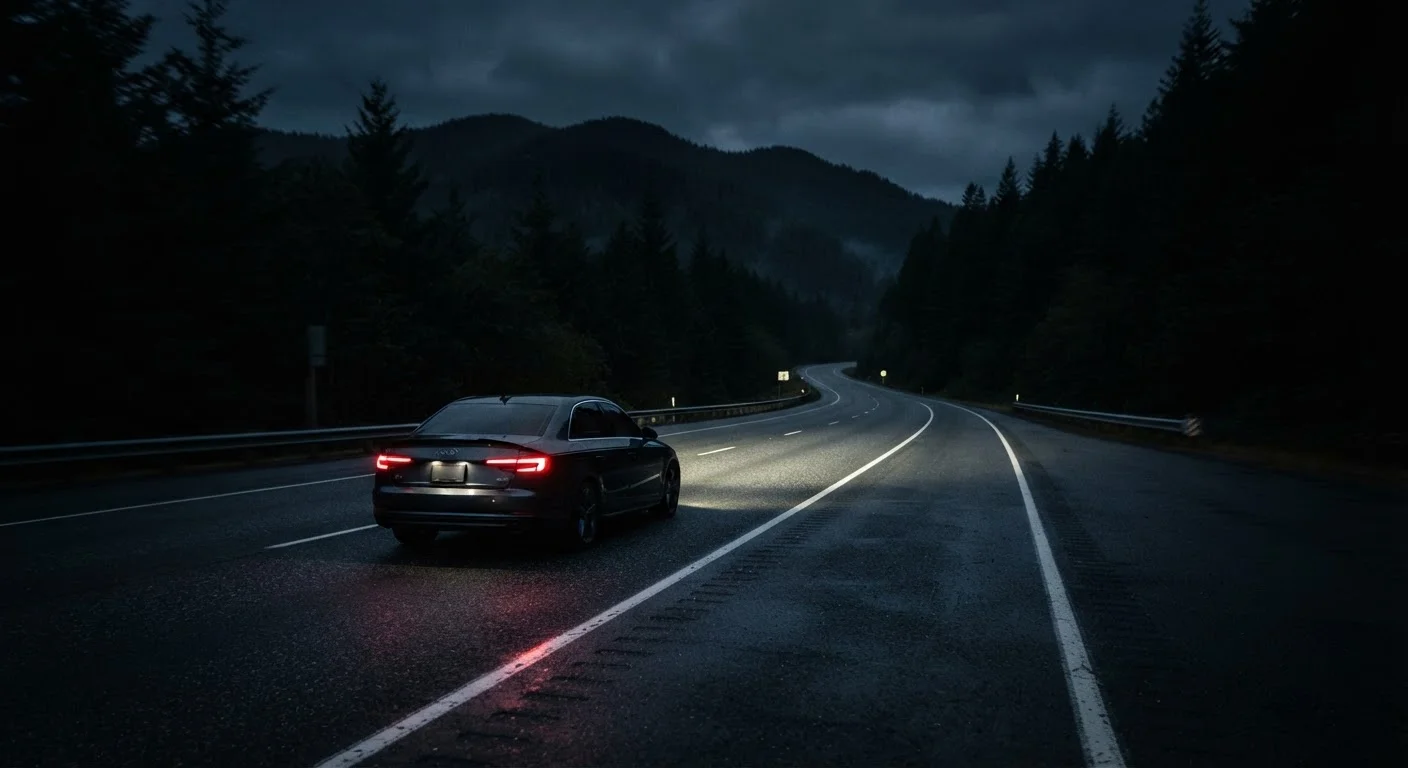
It's not just your imagination - driving after dark is statistically more dangerous than driving in daylight, even when roads are dry and traffic is light. The National Safety Council has reported that roughly half of all traffic fatalities occur at night, despite the fact that far less driving happens then.
The core problem is visibility. Human eyes don't perform well in low light. Depth perception becomes less reliable, peripheral vision narrows, and color recognition fades. Your ability to judge speed and distance - especially of oncoming vehicles or pedestrians - takes a real hit. Older drivers feel this more acutely because the eye's pupil doesn't dilate as widely with age, letting in less light.
If you want to sharpen your awareness of the hazards that compound at night, understanding your vehicle's blind spots is a good place to start - those gaps in coverage get harder to manage when you can't see as far.
The Fatigue Factor
Night driving and fatigue are closely linked. The body's natural circadian rhythm pushes toward sleep between midnight and 6 a.m., and again in the early afternoon. Driving during these windows - even if you feel okay - puts you at elevated risk of microsleeps, which are brief, involuntary lapses in consciousness that can last a few seconds. At highway speeds, that's enough to travel the length of a football field without any input.
Fatigue impairs your driving in ways that closely mirror alcohol - slowing reaction time, narrowing focus, and distorting judgment. If you're yawning repeatedly, drifting in your lane, or struggling to recall the last few miles, take it seriously. Pull off safely, rest, or switch drivers.
Lighting and Vehicle Readiness
Headlights are your most critical night-driving tool, and most drivers underuse them or neglect them. High beams light the road dramatically better than low beams - use them on unlit rural roads and highways whenever there's no oncoming traffic or vehicles ahead of you. Switch back to low beams when another driver is within roughly 500 feet to avoid blinding them.
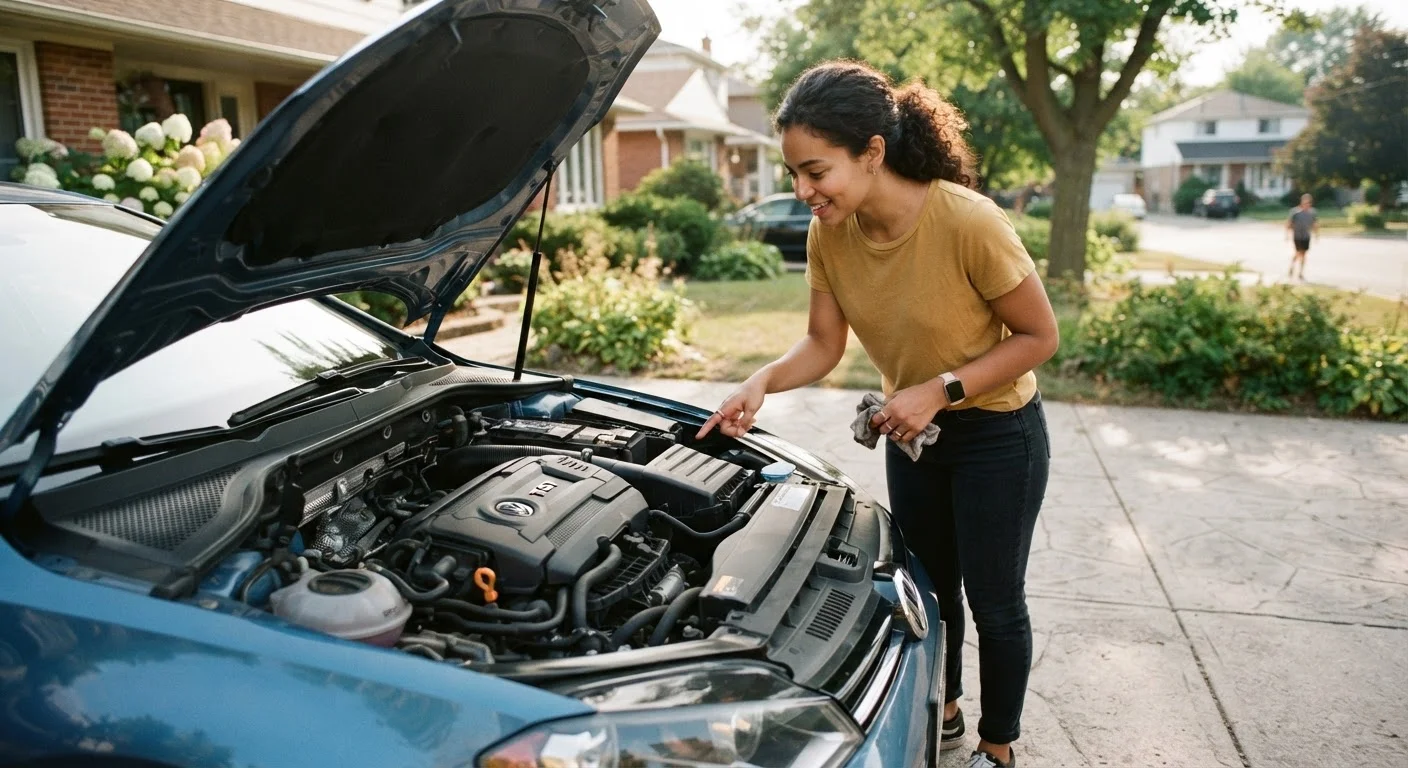
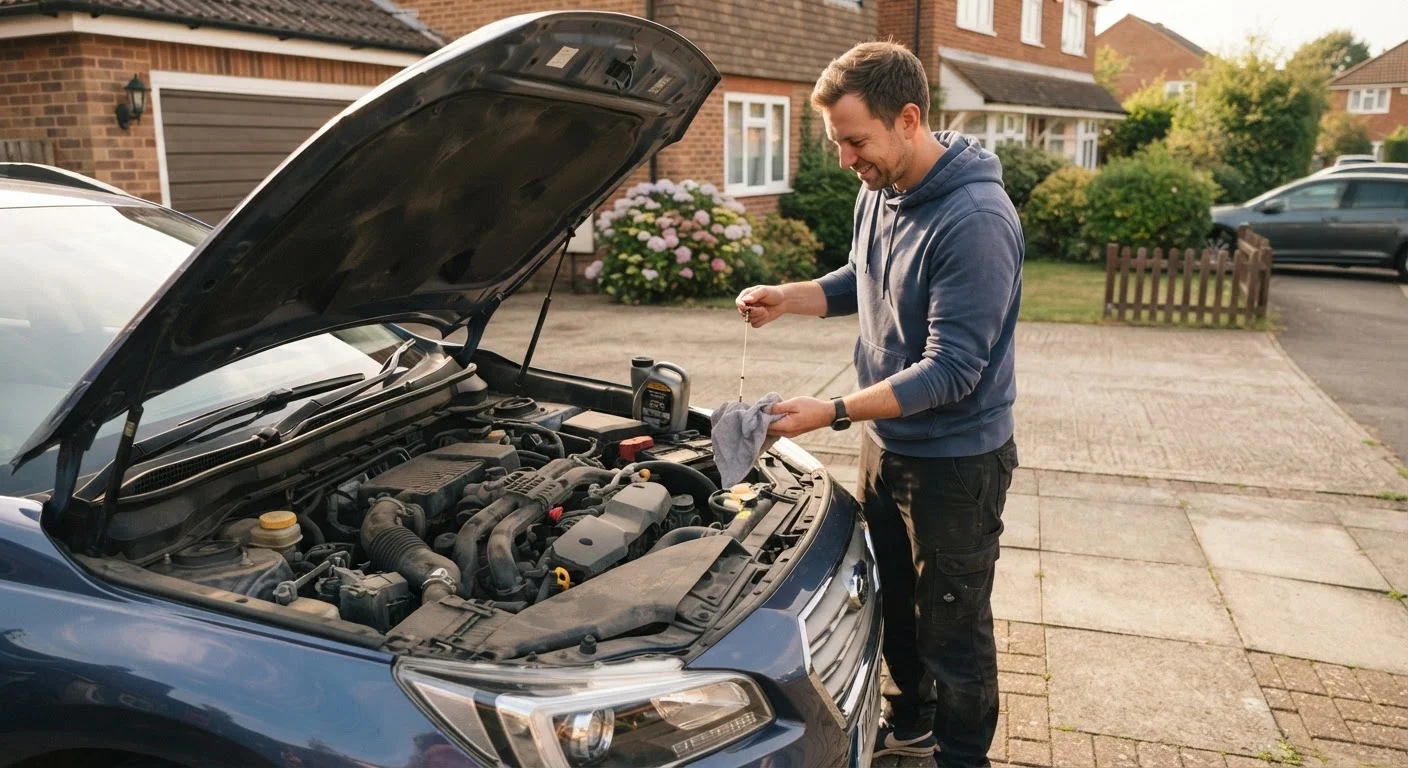
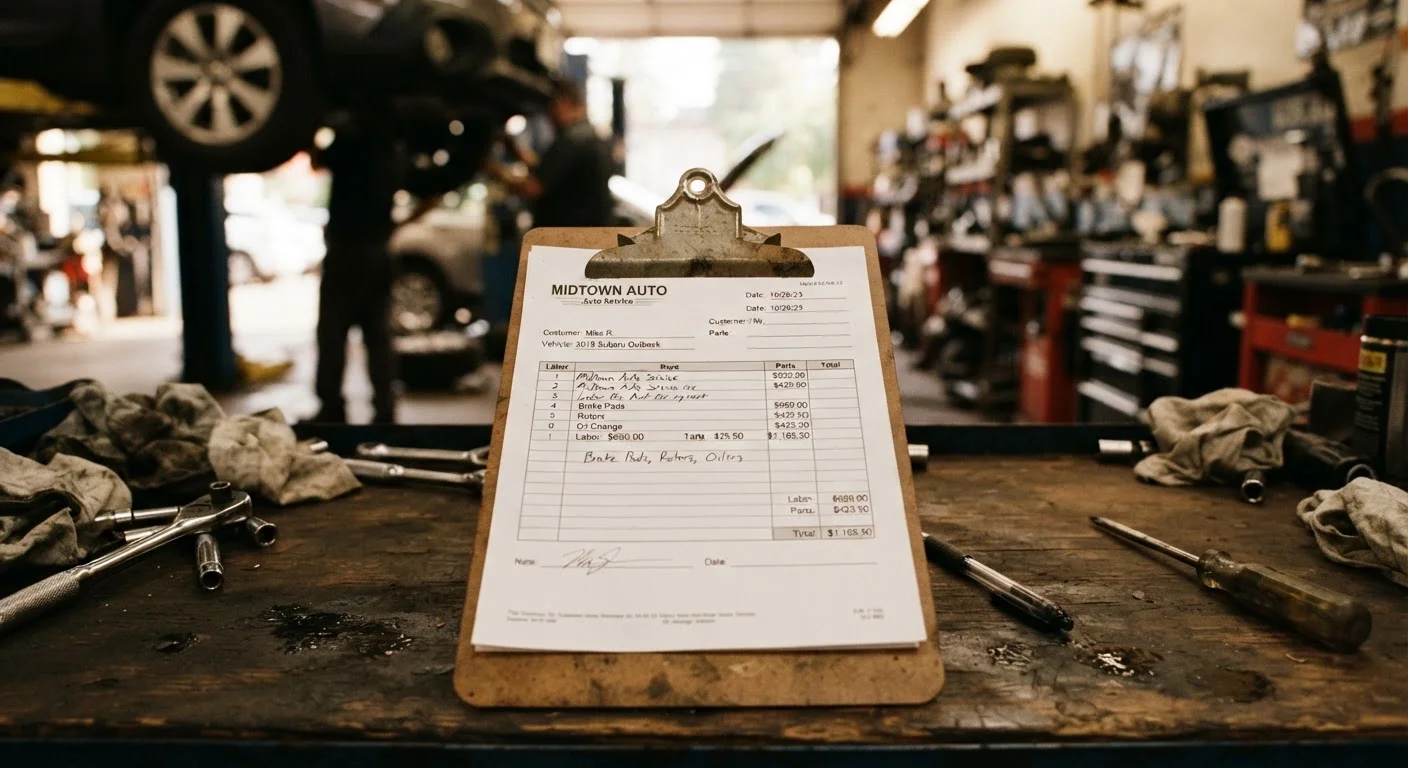
Headlight condition matters just as much as how you use them. Oxidized, hazy headlight covers are common on vehicles more than a few years old, and they can reduce light output severely. Many auto parts stores sell restoration kits for this, or a shop can handle it quickly. Also confirm your headlights are aimed correctly - misaligned beams blind other drivers or simply fail to light the road properly. Some of these checks are straightforward to do yourself, while others are worth leaving to a technician.
Inside the cabin, dim your dashboard lights slightly - a bright instrument cluster contracts your pupils and reduces how well you see outside. Keep your windshield clean on both sides, since interior grime scatters oncoming light and creates glare.
Adjusting Speed and Following Distance
One of the most consistent mistakes drivers make at night is traveling at a speed where their stopping distance exceeds how far their headlights reach. This is sometimes called overdriving your headlights - if something appears in your beam at the edge of visibility, you may not have enough distance to stop in time.
Slow down on unfamiliar roads, in areas with wildlife, or anywhere signage or lane markings are faded. Increase your following distance beyond the standard three-second rule - at night, four to five seconds gives you a meaningful buffer. Wet roads at night compound this further; wet and winter roads demand even greater stopping distances than what most drivers expect.
Watch for the eyes of animals near roadsides - they reflect headlight beams and can give you a split second of warning. And pay attention to the road edge, not just the centerline; pedestrians and cyclists are far harder to see at night and may not have reflective gear.
If you're new to driving and building these habits from scratch, a solid foundation in core driving principles will make night-specific adjustments much easier to apply.