Why Merging Goes Wrong
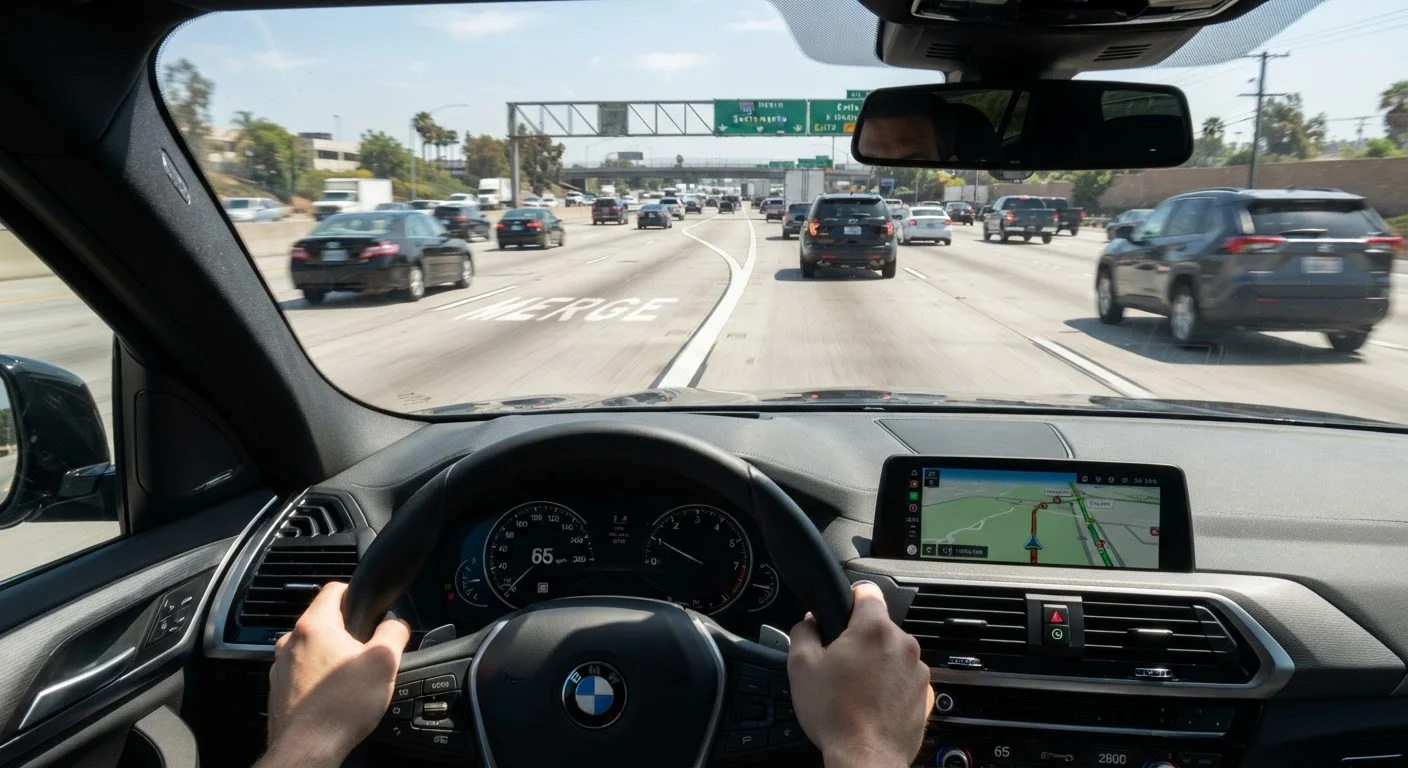
Highway merges are one of the most anxiety-inducing moments for drivers at all experience levels - and one of the most common locations for near-misses and side-swipe collisions. The core problem is almost always the same: a driver either enters too slowly, waits too long to check for gaps, or both.
On-ramps are designed to give you time and distance to match the speed of traffic already on the highway. When drivers treat the ramp like a stop-and-yield situation rather than an acceleration zone, they create a dangerous speed mismatch. A car moving at 40 mph trying to slot into traffic flowing at 70 mph is a recipe for someone hitting the brakes - hard.
Distraction compounds the problem significantly. If your attention is split between your phone, a passenger, or adjusting the radio right as you approach the merge point, your reaction time drops and your window for a safe gap narrows fast. Distractions behind the wheel are a top cause of traffic incidents, and a merge demands your full attention.
It's also worth noting that some commonly held beliefs about merging - like the idea that you should always defer completely and slow to a crawl - can actually create more danger than they prevent. Common driving myths often feel like safe behavior but work against traffic flow.
Match Speed, Not Just Position
The goal on an on-ramp isn't just to physically enter the lane - it's to enter at the right speed. A merge at matching speed feels almost invisible to surrounding drivers. A merge at mismatched speed forces everyone around you to react. Speed matching is the single most impactful thing you can do for a smooth, safe merge.
What You Need Before You Start
Before walking through the steps, it helps to know what conditions support a clean merge. A well-maintained vehicle matters more than most drivers realize - specifically, your mirrors need to be properly adjusted, your acceleration needs to be responsive, and your turn signals must work reliably.
What you will need
Properly adjusted side and rearview mirrors
Allows you to monitor the right lane and identify gaps without excessive head movement.
Functioning turn signal
Communicates your merge intent to highway drivers so they can adjust their position.
If your vehicle hesitates under acceleration or your mirrors leave large blind spots, address those issues first. You can find maintenance guidance in our car maintenance hub.
Steps for a Safe Highway Merge
Follow these steps every time you approach a highway on-ramp. They work whether you're a new driver or someone looking to build more confident habits.
Put your phone down before you enter the ramp
The moment you see the on-ramp ahead, your phone goes down - not after you start accelerating, now. A merge requires you to monitor your mirrors, judge speed, signal, and steer simultaneously. Any divided attention makes each of those tasks worse.
Signal early as you enter the ramp
Turn on your signal as soon as you enter the on-ramp, not just before you attempt the merge. This gives highway drivers in the right lane an early heads-up that a merge is coming. Some will create space; others will move left. Either outcome helps you.
Start scanning for a gap immediately
While you're still accelerating up the ramp, check your left mirror and do a quick blind-spot glance over your left shoulder. Identify a gap in the right lane that's large enough for your vehicle. Aim for a gap that's at least three to four car lengths - don't try to squeeze into a tight space.
Accelerate to match highway speed
This is the step most drivers underdo. Use the full length of the ramp to get your speed up to match the flow of traffic - typically 55-70 mph depending on the posted limit and actual traffic speed. You are not merging until your speed is close to matching. A slow merge forces highway drivers to brake, which can trigger a chain reaction behind them.
Move into the gap smoothly and with confidence
Once your speed matches traffic and a suitable gap is available, merge with a steady, deliberate steering input. Don't hesitate at the last moment - an indecisive merge is more dangerous than a committed one. Keep your signal on until you're fully in the lane.
Cancel your signal and settle into traffic flow
Once you're fully in the lane, cancel your turn signal and match the pace of surrounding traffic. Avoid braking immediately after merging - you should already be at the right speed. Check your mirrors again to confirm your position relative to surrounding vehicles.
Stopping on a Ramp Can Be Deadly
Coming to a full stop at the end of an on-ramp - unless traffic is genuinely gridlocked - is one of the most dangerous things a driver can do. Vehicles behind you on the ramp are accelerating and may not have time to stop. If a gap isn't available immediately, adjust your speed to create one, rather than stopping entirely.
If you're newer behind the wheel, this process fits naturally alongside the broader habits covered in our guide for new drivers.
Once you're on the highway, maintaining a safe following distance is your next priority. Tailgating is more dangerous than most drivers realize, and the same principles of space and time management that make a merge safe apply to every mile after it.