Why Re-Registration Is a Legal Requirement, Not Just a Formality
When you move to a new state, your old registration doesn't travel with you - at least not indefinitely. States require vehicles driven by residents to be registered locally because it ties your car to your tax base, insurance obligations, and local traffic laws. Driving on expired out-of-state plates after the deadline passes isn't just a minor oversight; it can result in traffic citations and complications if you're ever in an accident.
First-year car owners often underestimate registration deadlines as one of the easier things to let slide during a hectic move. Don't let the chaos of relocating push this task to the back burner. Understanding what your title legally represents also helps clarify why states need their own record of ownership.
Don't Miss Your Registration Deadline
Most states require you to register your vehicle within 30 to 90 days of becoming a resident - and some tie the clock to getting a new driver's license. Missing the deadline can result in fines, and driving with out-of-state plates past the deadline may technically be illegal in your new state. Check your new state's DMV website for the exact window as soon as you arrive.
What You'll Need Before You Go
Walking into the DMV unprepared is the most common reason people make two or three trips instead of one. Here's what to pull together in advance:
What you will need
Vehicle Title
Required to prove ownership and initiate the title transfer into your new state.
Proof of Insurance
Demonstrates you carry at least the minimum coverage required by the new state.
Government-Issued ID or New State Driver's License
Used to verify your identity and establish residency at the DMV.
Proof of Residency Documents
Items like a utility bill or signed lease confirm you live at your new address.
Odometer Disclosure Statement
Some states require a signed mileage disclosure when transferring a title.
Lienholders Can Complicate the Title Transfer
If you're still making payments on your vehicle, the lender holds the title - not you. You'll need to contact your lender before the move to request a new title be issued in the new state, or to get a letter of authorization that your new DMV will accept. This step can take several weeks, so start early.
How to Complete the Re-Registration
The steps below reflect the general process followed in most states. Always verify the exact sequence and requirements with your new state's DMV - some steps may not apply to you, or may occur in a different order.
Look up your new state's specific requirements
Visit your new state's DMV or motor vehicle agency website before anything else. Requirements vary more than most people expect - some states mandate an emissions test, others a safety inspection, and a handful require both. Note the deadline for registration, what documents are accepted as proof of residency, and the fee schedule so you're not caught off guard.
Get your vehicle inspected if required
If your new state requires an emissions or safety inspection, schedule it before visiting the DMV. Inspection stations are typically licensed privately - gas stations, repair shops, or dedicated testing centers - not run by the DMV itself. You'll receive a certificate or sticker upon passing that you'll bring to the DMV as part of your registration paperwork.
Update your auto insurance to meet the new state's minimums
Every state sets its own minimum liability coverage requirements, and they differ widely. Contact your insurer as soon as you move to make sure your policy meets the new state's standards. Ask for an updated insurance card reflecting your new address - you'll need it at the DMV. Failing to carry the state-required minimums can affect both your legal standing and your registration eligibility.
Gather your documents and visit the DMV
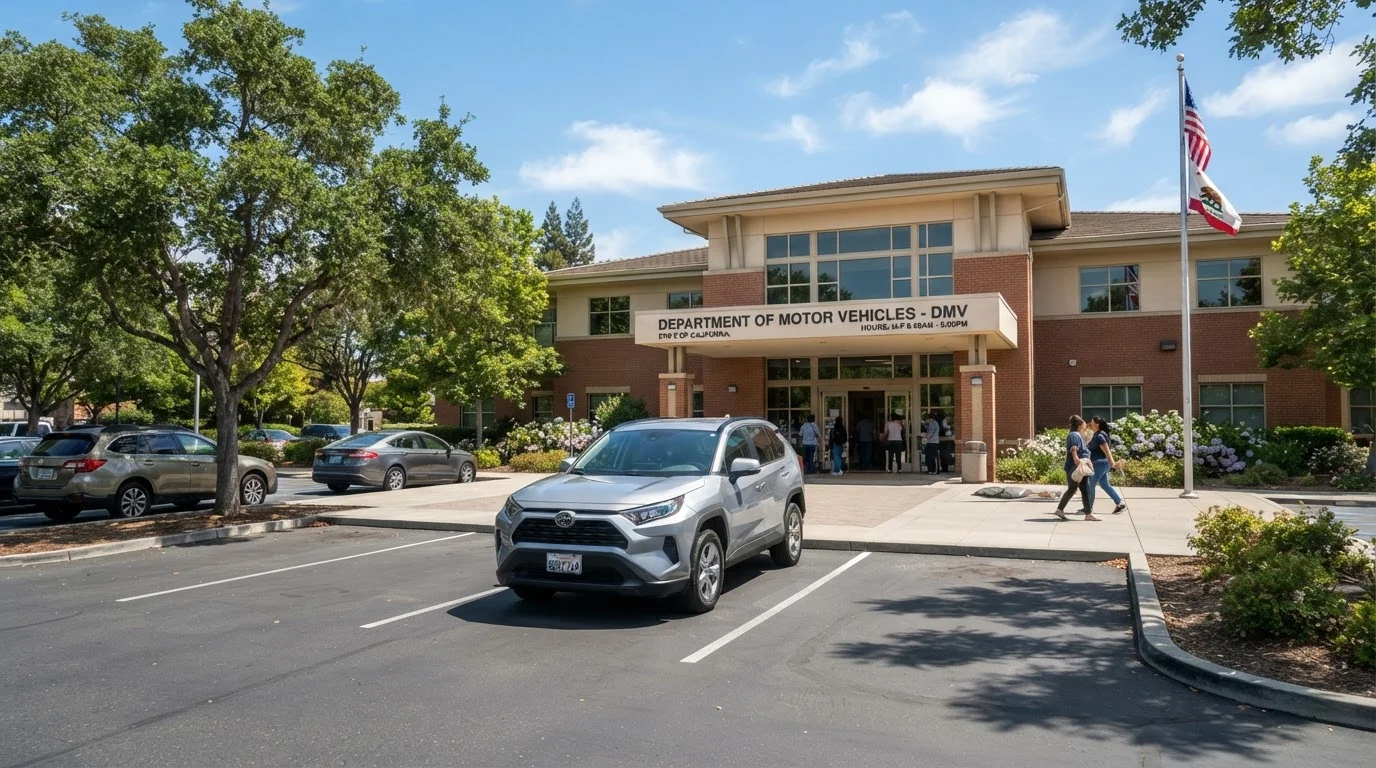
Bring your current title, proof of insurance, proof of residency, and your ID. If you haven't yet obtained a new state driver's license, bring your out-of-state license - most states will accept it during the initial registration process, but you may be required to convert it within a set timeframe. The DMV clerk will process a title transfer into the new state and issue new license plates and a registration certificate.
Pay the registration fees and keep your receipt
Registration fees vary significantly by state and are sometimes based on the vehicle's value, weight, or age. Pay the required fees and hold onto your receipt until your official registration documents and plates arrive in the mail or are handed to you directly. Place your new registration certificate in your vehicle and affix the new plates before driving away.
A Few Things That Can Slow the Process Down
Even when you do everything right, a few situations can add time to the process. If your vehicle is older than a certain model year, some states exempt it from emissions testing - worth checking before you schedule an inspection. If you moved from a state that doesn't issue paper titles (some states hold titles electronically), you'll need to request a paper copy from your previous state's DMV first, which can take a couple of weeks.
Military families get additional time in most states under federal law, so active-duty service members should inquire about exemptions when they contact the DMV. And if you're driving a leased vehicle, the leasing company is the registered owner - contact them directly before attempting to re-register, since they'll need to authorize the process on their end.