What Happens to Oil Over Time
Motor oil does two things: it lubricates moving metal parts so they don't grind against each other, and it carries away heat and combustion byproducts. Fresh oil does both well. But oil doesn't last forever - heat, pressure, and the contaminants it collects break down its chemistry over time.
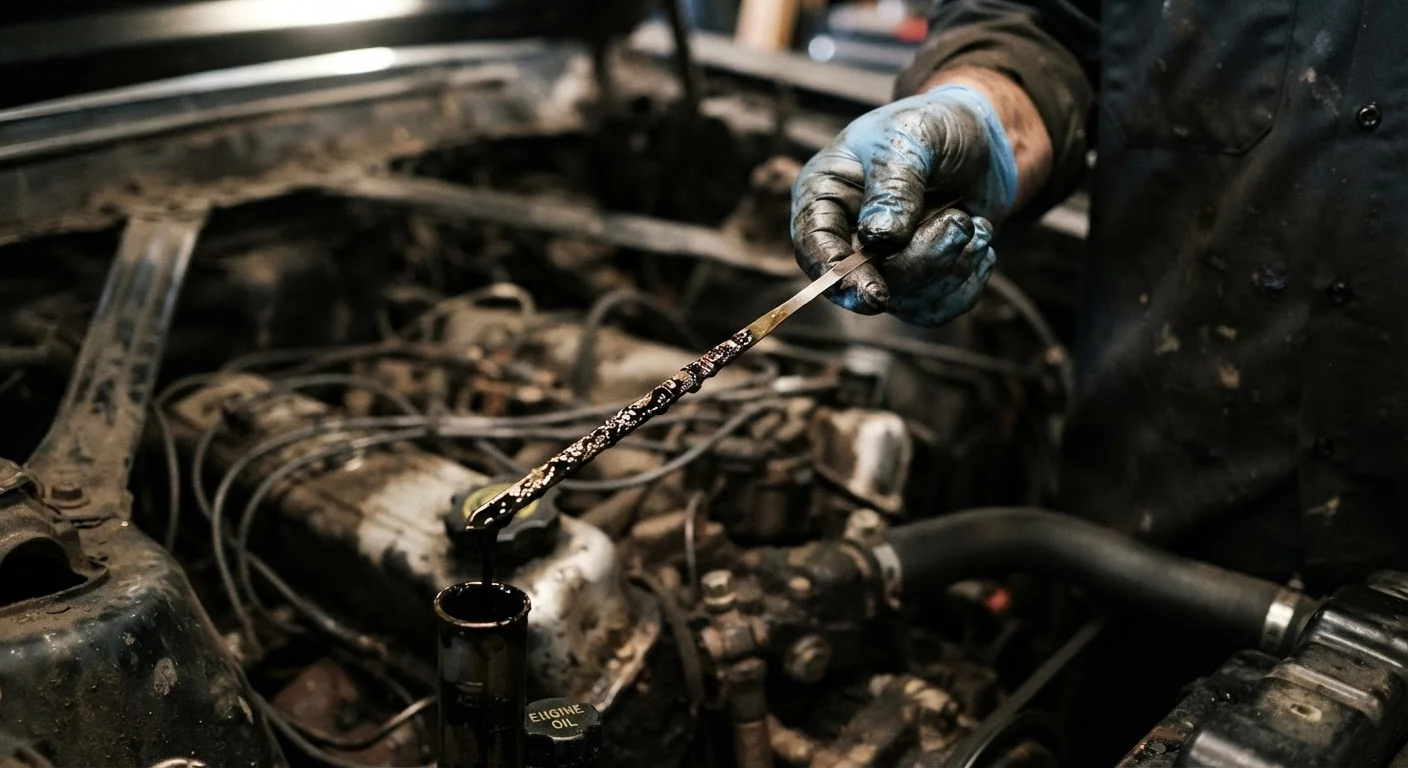
As oil degrades, it thickens and loses viscosity, meaning it flows more slowly and covers metal surfaces less effectively. Combustion byproducts mix into it, creating acidic compounds that can corrode engine components. Eventually, oil can turn into a thick, tarry sludge that clogs narrow oil passages and starves parts of lubrication entirely.
This process is slow and quiet. You won't feel it happening. But the internal damage accumulates with every mile driven on oil that's past its useful life. See our overview of routine car maintenance for context on where oil changes fit in the broader picture of vehicle upkeep.
Common Mistakes Drivers Make With Oil Changes
Most engine damage from neglected oil changes doesn't come from a single dramatic mistake - it comes from a pattern of small decisions made over months or years. These are the errors that show up most often.
Treating the oil change interval as optional rather than a firm maintenance deadline.
Why it happens: Drivers often don't see or feel any immediate consequences from running on old oil, which makes it easy to postpone. The damage happens gradually and invisibly inside the engine.
Assuming synthetic oil means oil changes can be skipped for very long periods without consequences.
Why it happens: Synthetic oil does last longer than conventional oil, and some drivers interpret longer intervals as permission to go indefinitely. Marketing language around extended-life oil reinforces this misunderstanding.
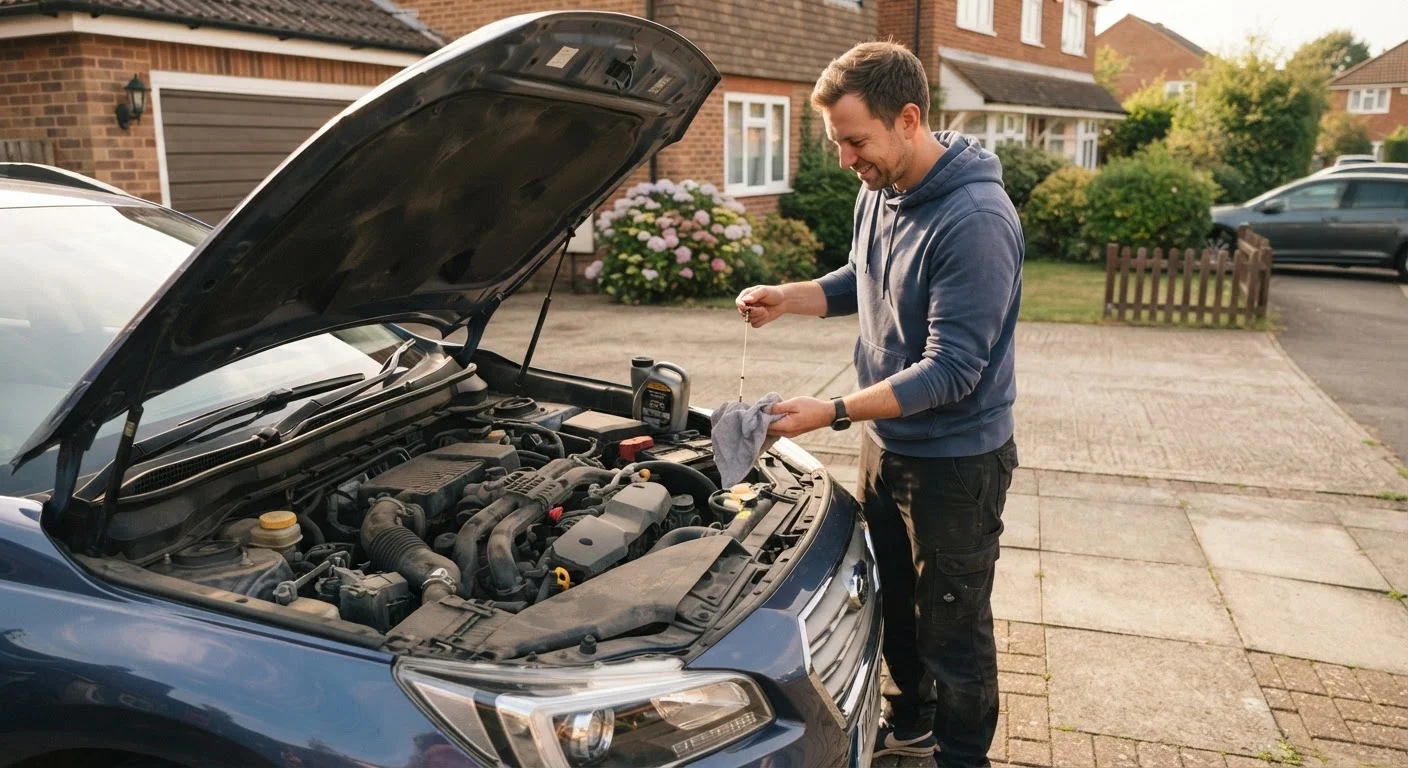
Never checking the oil level between scheduled changes.
Why it happens: Many drivers assume the oil level stays constant between changes. In reality, some oil consumption between changes is normal - especially in older or higher-mileage engines.
Skipping oil changes on high-mileage vehicles because the car is 'old anyway.'
Why it happens: There's a fatalistic mindset that aging vehicles aren't worth investing in. In practice, older engines often need more careful maintenance, not less, because their tolerances and seals are already worn.
Ignoring the oil change warning light because nothing seems wrong with the car.
Why it happens: Modern cars often run smoothly even when oil is degraded, giving drivers a false sense of security. The absence of a symptom doesn't mean the engine isn't accumulating wear.
Don't Rely Solely on Mileage Intervals
The old 3,000-mile rule is outdated for most modern vehicles, but that doesn't mean you can stretch oil changes indefinitely. Short-trip driving, towing, and extreme temperatures all degrade oil faster than the odometer suggests. Always check your owner's manual and pay attention to the oil life monitor if your vehicle has one.
The Real Math on Deferred Maintenance
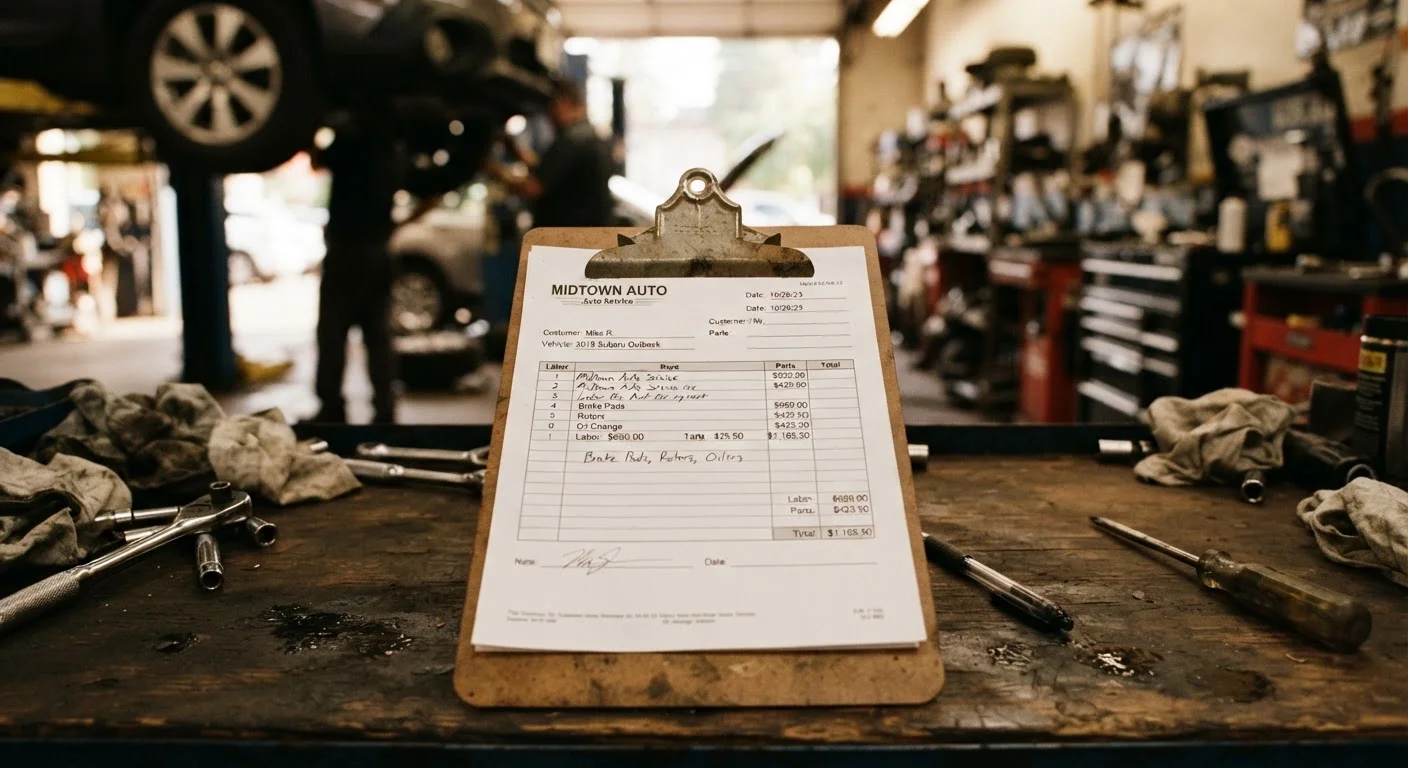
It can feel rational to delay an oil change when money is tight or time is short. But the math rarely works out in the driver's favor. A routine oil change is one of the least expensive scheduled maintenance items a car requires. What it prevents - accelerated wear on bearings, camshafts, and cylinder walls - is among the most expensive damage a mechanic can repair.
$4,000-$8,000+
Typical engine replacement or rebuild cost
Engine replacement on a typical passenger vehicle can run from several thousand dollars to well over eight thousand, depending on make and model - compared to roughly $50-$150 for a routine oil change.
~40%
Engine wear attributed to inadequate lubrication
Industry engineering sources consistently cite inadequate lubrication - including degraded or insufficient oil - as a leading contributor to premature engine wear and failure.
High-mileage vehicle owners should pay particular attention here. Owning a higher-mileage car comes with real advantages, but protecting that investment depends on consistent, attentive maintenance. Skipping oil changes on an older engine accelerates wear that's already progressing on aged seals and tighter tolerances.
Engine Damage Can Be Irreversible
Once engine components like camshafts, bearings, or pistons are scored from oil starvation, no future oil change can undo the damage. In severe cases, the entire engine may need to be rebuilt or replaced - a repair that can cost several thousand dollars. If your oil pressure warning light comes on while driving, stop the vehicle safely and have it inspected before continuing.
The same principle that applies to homes applies here - small, consistent maintenance prevents the kind of compounding damage that becomes genuinely expensive. The pattern holds across vehicle types and budgets alike.