Why Good Intentions Don't Always Mean Good Outcomes
Most pet owners make feeding decisions out of genuine care - topping off a food bowl so a pet never goes hungry, sharing a bite of dinner, or adding supplements to "round out" a diet. These habits feel nurturing, but veterinary nutritionists consistently flag them as some of the most common sources of preventable health problems in companion animals.
The core challenge is that pets have different metabolic needs, toxic thresholds, and digestive limitations than humans. What registers as a small treat or harmless addition in our minds can tip a pet into caloric surplus, nutrient imbalance, or outright toxicity. Understanding why these habits cause harm - not just that they do - helps owners make lasting, informed changes. For a broader look at misconceptions that affect everyday care, see common pet care myths veterinarians want corrected.
The Most Common Feeding Mistakes - and How to Correct Them
The mistakes below are not signs of neglect. They are patterns that develop precisely because they feel attentive. Recognizing them is the first step toward correcting them.
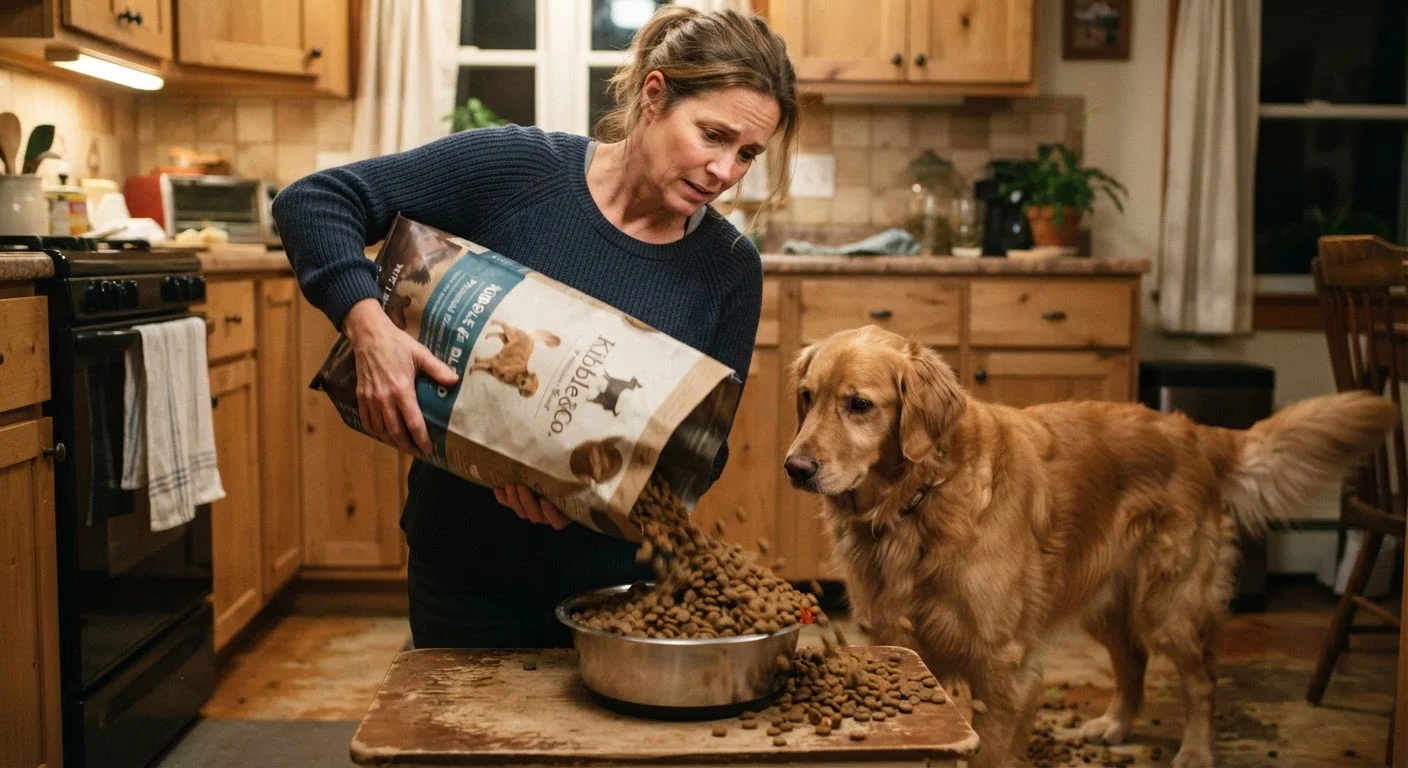
Free-feeding dry kibble by leaving a full bowl available all day.
Why it happens: Owners worry their pet will be hungry or feel deprived, so continuous access to food seems like a safety net. Dry kibble appears benign because it doesn't spoil quickly.
Sharing table scraps and human food without knowing which ingredients are harmful to pets.
Why it happens: Sharing food is a deeply social behavior, and pets' enthusiasm at the dinner table makes it feel rewarding for both parties. Many owners assume that if a food is healthy for humans, it poses no risk to animals.
Adding over-the-counter vitamins or supplements without veterinary guidance.
Why it happens: Human wellness culture around supplements has extended into pet care. Owners see supplements marketed for joint health, coat quality, or immunity and assume more nutrition equals better health.
Underestimating the caloric impact of treats, chews, and meal toppers.
Why it happens: Treats are given in small pieces and feel insignificant in the moment. Long-lasting chews and food toppers are often categorized mentally as enrichment rather than food.
Switching foods abruptly when a pet shows disinterest or digestive upset.
Why it happens: Owners interpret a pet refusing food as a sign the diet is wrong, or assume a new food advertised as "better" warrants an immediate change. The instinct to fix the problem quickly overrides a gradual approach.
If weight gain is already a concern, the health consequences extend well beyond appearance. Excess weight increases a pet's risk for joint disease, diabetes, and a shortened lifespan - outcomes that are substantially more difficult to reverse than they are to prevent.
Building a Feeding Routine That Supports Long-Term Health
The foundation of healthy pet nutrition is structure: consistent meal times, measured portions, and a limited, intentional ingredient list. Veterinary guidelines generally recommend feeding adult dogs and cats two measured meals per day rather than continuous access to food. Portion size should be calibrated to the pet's ideal body weight - not current weight - using the feeding guidelines on the food label as a starting point, then adjusted with veterinary input.
Supplement Overload Is a Real Risk
Fat-soluble vitamins such as vitamin A and vitamin D do not clear the body as readily as water-soluble vitamins - they accumulate in tissue and can reach toxic concentrations over time. Symptoms of toxicity may be subtle at first, making it easy to miss a problem until it becomes serious. Never add supplements to a pet's diet without first confirming the need with a veterinarian.
Treats are a legitimate part of bonding and training, but they carry caloric weight. Understanding what balanced feeding actually looks like can help owners recalibrate portion expectations across the whole day, not just at mealtimes.
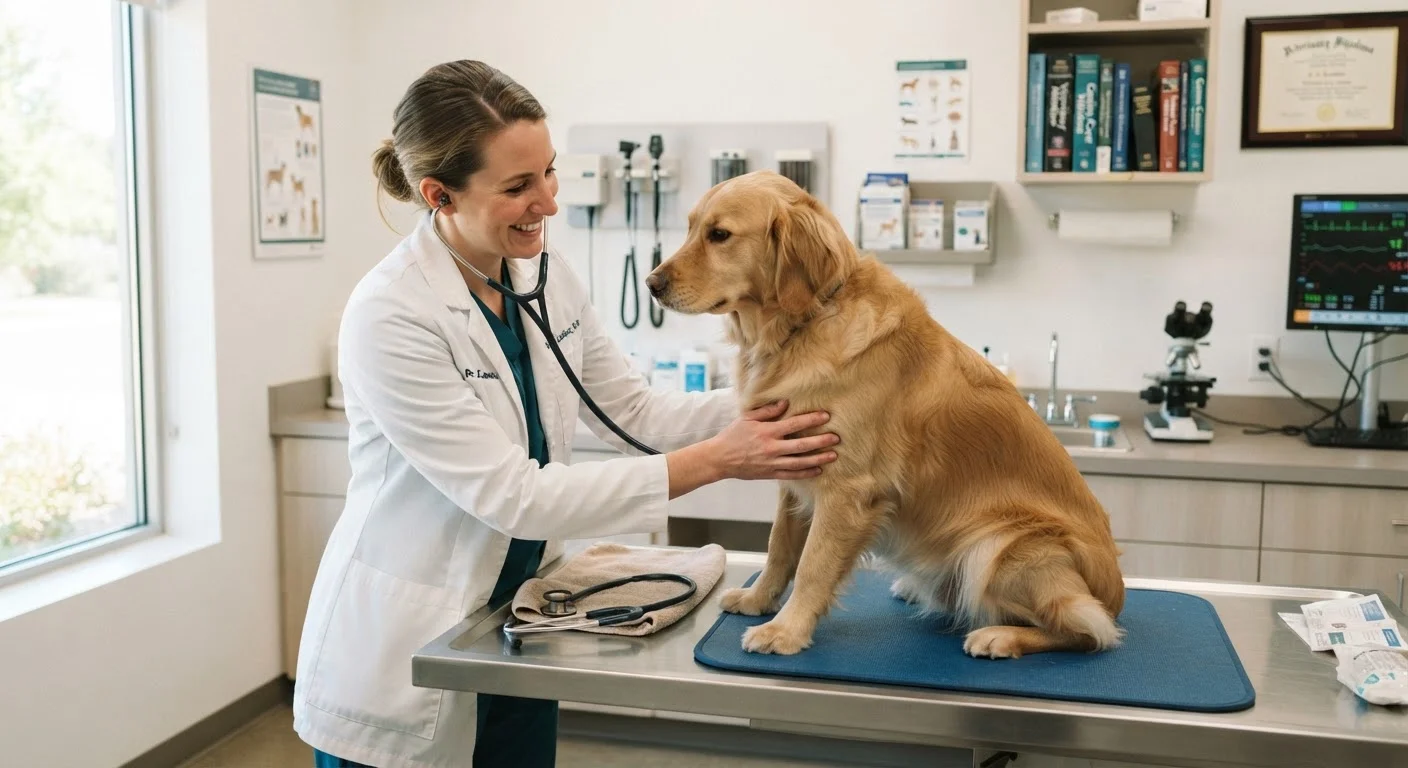
Before introducing any new food, supplement, or diet change, a conversation with a veterinarian or board-certified veterinary nutritionist is the safest path. These professionals can account for a pet's age, breed, activity level, and any underlying health conditions - factors that no general guideline can fully address. General guidance on foundational pet care basics can also help frame these daily decisions in a broader context of overall wellness.
This article provides general educational information about pet nutrition and is not a substitute for personalized veterinary advice. Always consult a licensed veterinarian regarding your individual pet's dietary needs and health status.