How to Use This Checklist
Pets can't tell us when something hurts or feels wrong - which puts the entire burden of early detection on observant owners. This checklist is designed to help you sort symptoms into two categories: those that warrant an immediate or same-day vet visit, and those that are generally safe to monitor at home for a short window before deciding on next steps.
This is general educational information, not a substitute for professional veterinary evaluation. If you are ever uncertain about a symptom, call your veterinary clinic directly - most practices offer phone triage guidance. For broader context on keeping your pet healthy year-round, see our overview of pet health and wellness essentials.
Seek Emergency Care Immediately
Schedule a Same-Day or Next-Day Appointment
Monitor at Home for 24-48 Hours
Behavioral Red Flags Worth Discussing with Your Vet
What You'll Need Before You Call the Vet
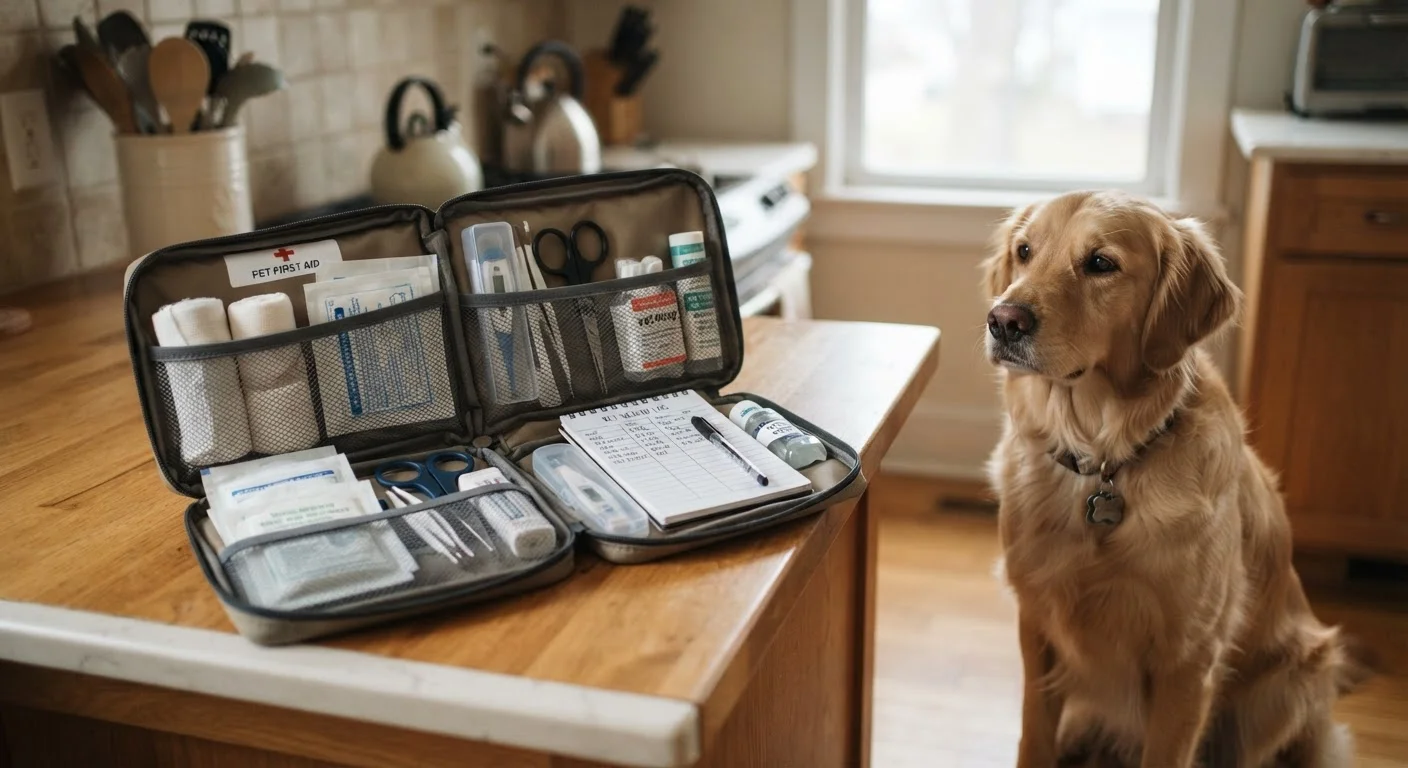
Before calling your clinic or heading to an emergency animal hospital, a little preparation helps your veterinarian assess the situation faster and more accurately. Have these items or pieces of information ready:
Pet's medical records and vaccination history
Helps the vet understand your pet's baseline health and rule out conditions already addressed through preventive care.
List of current medications and supplements
Essential for avoiding dangerous drug interactions and for accurate diagnosis.
Recent dietary history
Noting any new foods, treats, or table scraps consumed helps rule in or out dietary causes for symptoms.
ASPCA Animal Poison Control Center number (888-426-4435)
Available 24/7 for toxin ingestion concerns; note that a consultation fee may apply.
Symptom log or notes app
Logging the time symptoms started, their frequency, and any changes helps your vet assess severity and trajectory accurately.
Consistent observation is the most powerful diagnostic tool an owner has. Note when a symptom started, how frequently it occurs, and whether anything changed recently - new food, a new household product, or access to outdoor areas. These details meaningfully shape veterinary triage decisions.
Never Wait on These Symptoms
Difficulty breathing, collapse, suspected poisoning, an inability to urinate, and a bloated or rigid abdomen are always emergencies - do not wait to see if they improve on their own. Minutes matter in these scenarios. Locate your nearest 24-hour emergency animal hospital before you need it, so you are never searching in a crisis.
Understanding the Patterns That Matter Most
A single isolated symptom rarely tells the full story. Veterinarians are trained to look at clusters of signs and their trajectory over time. A dog that vomits once after eating too fast is behaving normally; a dog that vomits repeatedly, seems lethargic, and refuses water is showing a pattern that warrants prompt evaluation.
The same logic applies to behavioral shifts. Sudden withdrawal, aggression that is out of character, or unexplained changes in activity level can be among the earliest - and most overlooked - indicators of pain or systemic illness. Once a pattern becomes clear, acting decisively is in your pet's best interest.
Staying current with preventive care basics - including vaccinations, parasite control, and routine checkups - gives your vet a reliable baseline that makes it much easier to spot when something is genuinely off. And understanding what happens during an annual wellness exam can help you make the most of every scheduled visit.
This article is for general informational and educational purposes only and does not constitute veterinary medical advice. Always consult a licensed veterinarian for guidance specific to your pet's health and circumstances.