They're Not the Same - Here's Why That Matters
The confusion is understandable. Both an emergency fund and a savings account involve setting money aside, and in many cases, an emergency fund literally lives inside a savings account. But conflating the two can create real financial blind spots.
A savings account is a banking product - a deposit account that holds money separately from your checking account and typically earns interest. You can use it for almost any saving purpose: a holiday trip, a new appliance, a house down payment, or just keeping cash parked somewhere it won't get spent impulsively.
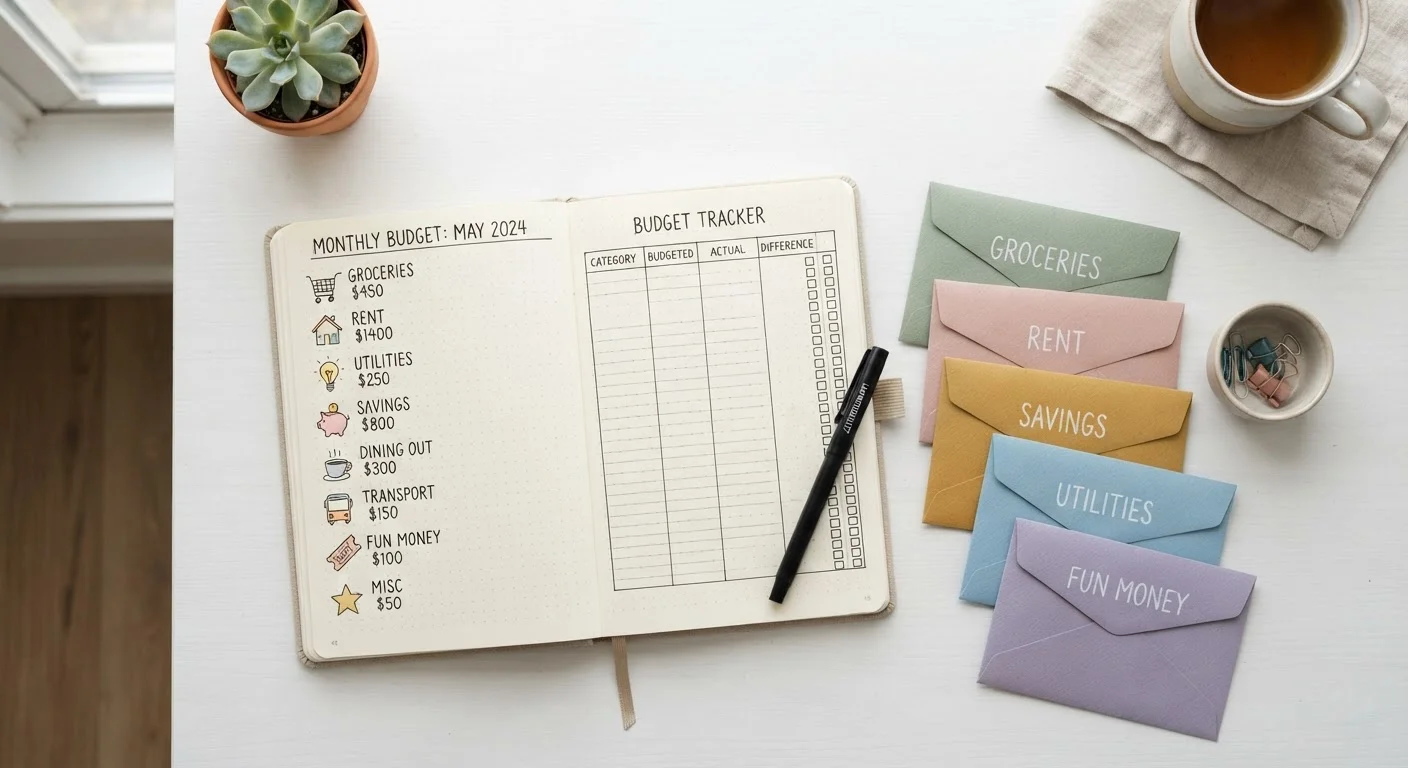
An emergency fund is a financial strategy - a specific pool of money reserved exclusively for genuine, unforeseen financial hardships. The account type is secondary; the intention and discipline around it are what matter. Understanding how to categorize your money purposefully is a core part of building budgeting basics.
| Criterion | Emergency Fund | Savings Account |
|---|---|---|
| What it is | A financial strategy / purpose | A banking product / account type |
| Primary purpose | Cover unexpected financial crises | Hold and grow money toward goals |
| Typical target amount | 3-6 months of essential expenses | Whatever the goal requires |
| Access / liquidity | Must stay fully liquid at all times | Liquid, but timing can be flexible |
| Where it lives | Usually inside a savings account | Exists independently of a specific goal |
| When to use it | Only in genuine emergencies | When the savings goal is reached |
| Risk of misuse | High if mixed with other savings | Lower if goal-labeled separately |
What Counts as an Emergency (and What Doesn't)
One of the most practical distinctions is what each pool of money is supposed to cover. An emergency fund exists for events that are sudden, necessary, and not part of regular budgeting - a job loss, an unexpected medical bill, a major car repair that can't wait, or a home system failure.
What it's not meant for: a sale you don't want to miss, a vacation, holiday gifts, or even a predictable irregular expense like annual car registration. Those belong in a dedicated savings account or a separate sinking fund. Understanding the difference between predictable and unpredictable costs ties directly into how you categorize your fixed vs. variable expenses - a distinction that shapes how you budget overall.
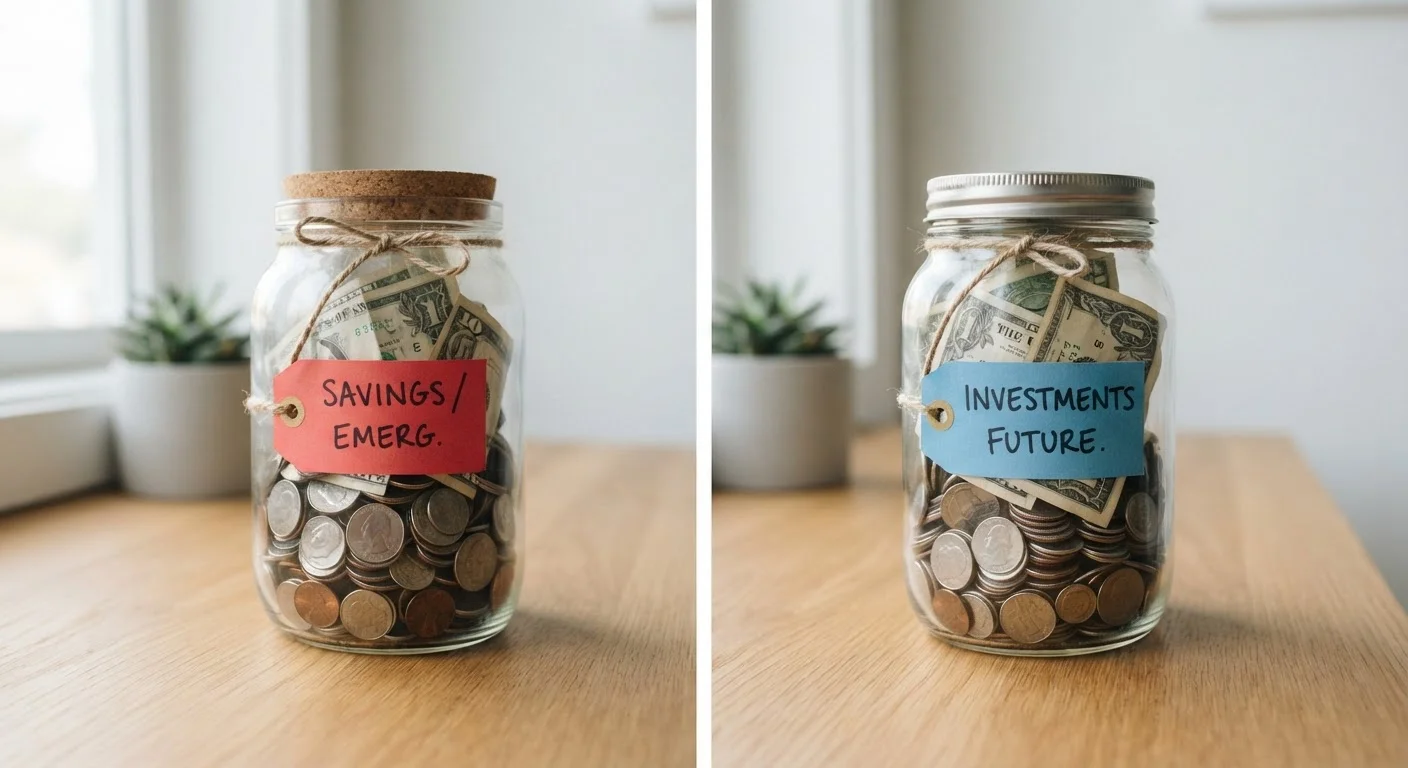
If you're regularly pulling from your "emergency fund" for non-emergencies, the problem is often that the fund isn't separated clearly enough - either mentally or physically - from your everyday savings.
Sinking Funds: A Middle-Ground Worth Knowing
A sinking fund is a savings category set aside for a known future expense - think annual insurance premiums, car maintenance, or holiday spending. It's not an emergency fund (the expense is predictable) and it's not a general savings account (it has a specific target). Many financial planners suggest maintaining sinking funds alongside an emergency fund to reduce the temptation to raid your safety net for expenses that were actually foreseeable.
How Much, Where, and How to Keep Them Separate
Common financial guidance suggests an emergency fund covering three to six months of essential living expenses - rent or mortgage, utilities, groceries, insurance, and minimum debt payments. The right range depends on factors like job stability, household income sources, and personal risk tolerance. This article is for general informational purposes and is not a substitute for personalized financial advice from a qualified professional.
Where you keep it matters more than most people realize. Holding your emergency fund in the same account as your vacation savings makes it psychologically easier to rationalize withdrawals for non-emergencies. Keeping it in a separate, clearly labeled account - even at a different bank - adds a friction layer that helps preserve its purpose.
For the account itself, many people use a high-yield savings account to ensure their emergency fund earns something while staying fully liquid. You can learn more about how these accounts differ from standard options by exploring high-yield vs. traditional savings accounts.
Building the fund doesn't have to happen all at once. The pay-yourself-first approach - automating a fixed transfer each payday - is a widely recommended method for steadily growing an emergency fund without relying on willpower alone.
This article is for general informational purposes only and does not constitute personalized financial, tax, or investment advice. Consult a qualified financial professional for guidance specific to your situation.