Why Skincare Is Worth Starting
Skin is the body's largest organ, and it works constantly - regulating temperature, forming a barrier against environmental stressors, and signaling when something internal may be off. A basic routine supports that barrier rather than fighting it. The goal isn't perfect skin; it's healthier, more resilient skin over time.
Good news for beginners: you don't need a ten-step regimen or a shelf full of serums. Most dermatology guidance points to a handful of consistent steps as the foundation. Everything else - treatments, actives, specialty products - layers on top once the basics are solid.
This guide walks through what you genuinely need to know before spending a dollar: how to read your skin, what steps matter most, and how to avoid the common pitfalls that trip up beginners.
This article provides general skincare education and is not a substitute for advice from a qualified healthcare or dermatology professional.
Know Your Skin Type First
Choosing products without knowing your skin type is like buying shoes without knowing your size. The four main skin types are oily, dry, combination, and sensitive - and each responds differently to cleansers, moisturizers, and active ingredients.
A simple way to assess yours: wash your face with a gentle cleanser, pat dry, and wait about an hour without applying anything. Then observe:
- Oily: Shine or greasiness across the forehead, nose, and chin (the T-zone) or all over.
- Dry: Tightness, flaking, or a rough texture - especially after cleansing.
- Combination: Oily in the T-zone but drier on the cheeks and outer areas.
- Sensitive: Redness, stinging, or reactions to products that others tolerate without issue.
For a fuller breakdown of what each type means for your routine, see how skin type shapes your routine.
Skin barrier
The outermost layer of skin that protects against water loss and environmental irritants. A healthy barrier means skin that feels comfortable, balanced, and resilient.
Humectant
An ingredient that attracts and holds water molecules, helping keep skin hydrated. Hyaluronic acid and glycerin are common examples.
Non-comedogenic
A label indicating a product is formulated to avoid clogging pores. Useful for oily or acne-prone skin, though it is not a standardized, regulated term.
Broad-spectrum SPF
A sunscreen that protects against both UVA rays (linked to aging and deeper skin damage) and UVB rays (linked to burning). SPF 30 or higher is generally recommended for daily use.
Exfoliation
The process of removing dead skin cells from the surface. It can be done physically (scrubs) or chemically (acids), and helps improve skin texture and product absorption when used appropriately.
Cell turnover
The natural cycle in which old skin cells shed and new ones rise to the surface. This process takes roughly four to six weeks in adults, which is why skincare results require time.
The Core Four: Your Starter Routine
A reliable beginner routine has four steps. Two happen in the morning, all four (minus SPF) can work at night.
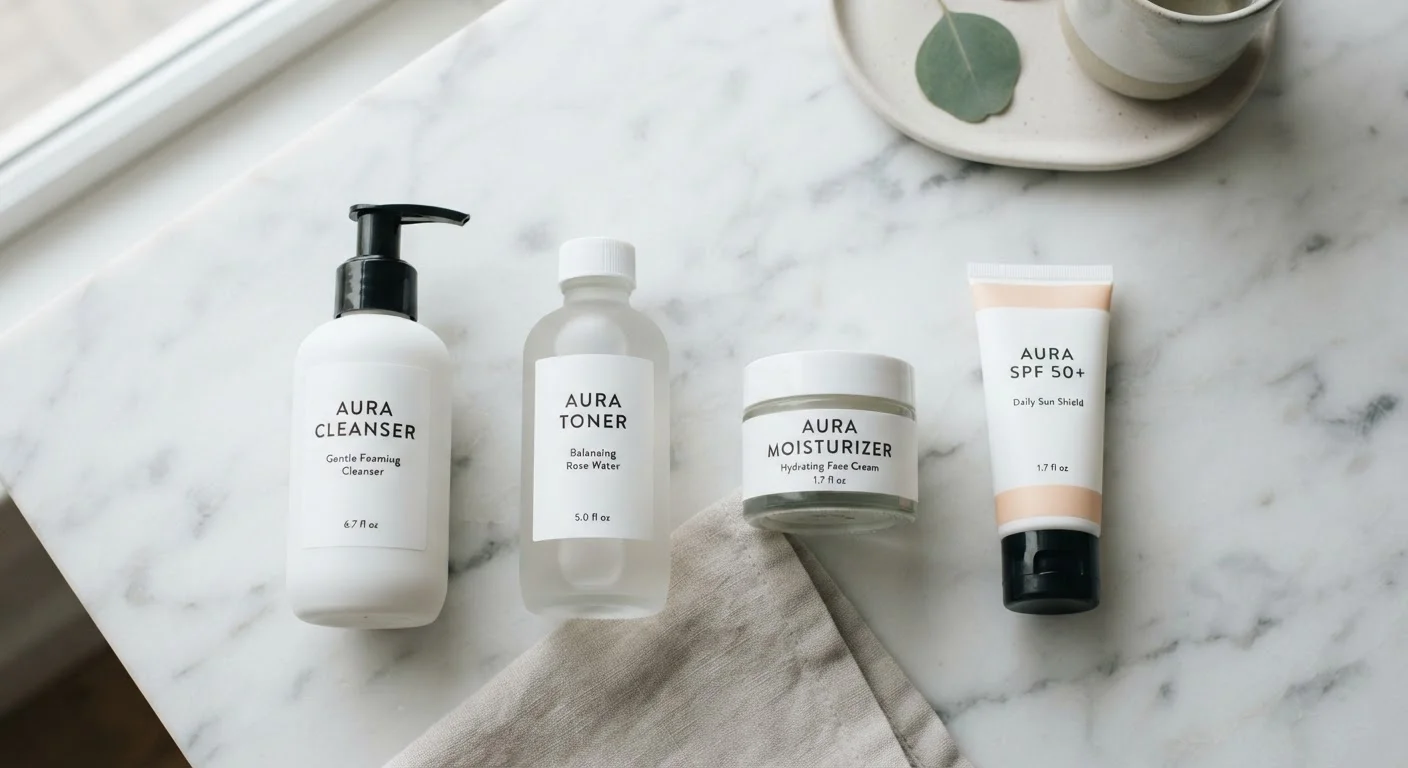
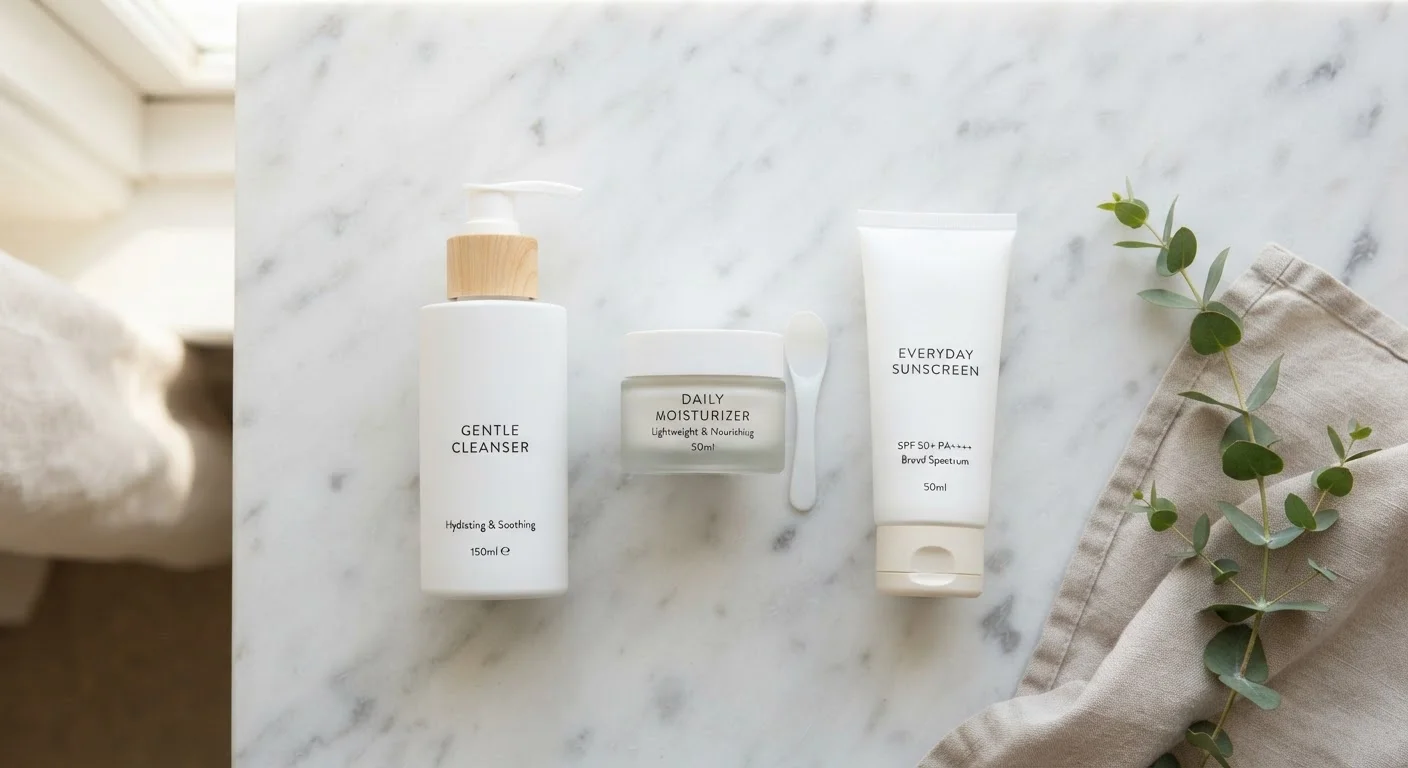
- Cleanser: Removes oil, dirt, and residue. Use a gentle, sulfate-free formula that doesn't leave your skin feeling stripped. Cleansing twice daily is standard; once (at night) may suit very dry or sensitive skin better.
- Toner: Technically optional but useful for restoring the skin's pH balance after cleansing and prepping it to absorb what comes next. Avoid alcohol-heavy formulas, which can dry and irritate.
- Moisturizer: Locks in hydration and supports the skin barrier. Even oily skin benefits from a lightweight, non-comedogenic moisturizer - stripping natural oils can trigger more oil production.
- Sunscreen (SPF): The most evidence-supported step in any routine. Broad-spectrum SPF 30 or higher applied every morning protects against UV-driven damage, premature aging, and - critically - skin cancer risk. This step is non-negotiable.
For a detailed look at what each of these steps actually does at a biological level, see what each skincare step actually does.
Build the habit before adding complexity
Before adding serums, exfoliants, or treatments, focus on doing the core four steps consistently for four to six weeks. Consistency at a simple level produces better results than an elaborate routine followed sporadically. Once the basics feel automatic, you can layer in additional steps thoughtfully.
Understanding Key Ingredients
You'll encounter ingredient names quickly once you start reading labels. Most are benign or beneficial - a few require care. Here are the ones beginners encounter most often:
- Hyaluronic acid: A humectant that draws water to the skin. Gentle, widely tolerated, good for all skin types.
- Niacinamide: A form of vitamin B3 that can help with redness, enlarged pores, and uneven tone. Generally well-tolerated.
- AHAs (alpha hydroxy acids): Water-soluble exfoliants like glycolic or lactic acid that improve texture and brightness. Start slowly - they can cause irritation if overused.
- BHAs (beta hydroxy acids): Salicylic acid is the most common. Oil-soluble, making it particularly effective for oily and acne-prone skin.
- Retinoids: Vitamin A derivatives that support cell turnover. Effective but can cause dryness and sensitivity, especially when starting out.
For a plain-language deep dive into these and other actives, see active ingredients in skincare explained.
When introducing any new ingredient, always patch test first - apply a small amount to an inconspicuous area and wait 24-48 hours before applying it to your whole face.
Common Beginner Mistakes to Avoid
The most common skincare errors aren't about product choice - they're about habits. Watch for these:
- Doing too much, too fast. Adding five new products in a week makes it impossible to know what's helping or causing a reaction. Introduce one product at a time, spaced at least a week apart.
- Skipping SPF. Many beginners treat sunscreen as optional. UV exposure is the leading environmental cause of skin aging and a significant health risk. Make it daily, rain or shine.
- Over-exfoliating. More scrubbing doesn't mean better results. Over-exfoliation damages the skin barrier, causing redness, dryness, and increased sensitivity. Two to three times a week is the general upper limit for most people using chemical exfoliants.
- Expecting overnight results. Skin cell turnover takes roughly four to six weeks. Patience is a core part of any routine.
- Ignoring reactions. Persistent redness, burning, or breakouts after starting a product are signals to stop using it and reassess. Consult a dermatologist if reactions are severe.
For a fuller look at habits that quietly backfire, see routine habits that backfire.
When to pause and consult a professional
If you develop persistent burning, swelling, hives, or unusual breakouts after starting a new product or routine, stop using the product and give your skin time to settle. Severe or spreading reactions warrant a visit to a dermatologist. This guide is general education - it does not replace professional advice for skin conditions or concerns.