
The Core Difference: What Triggered the Damage?
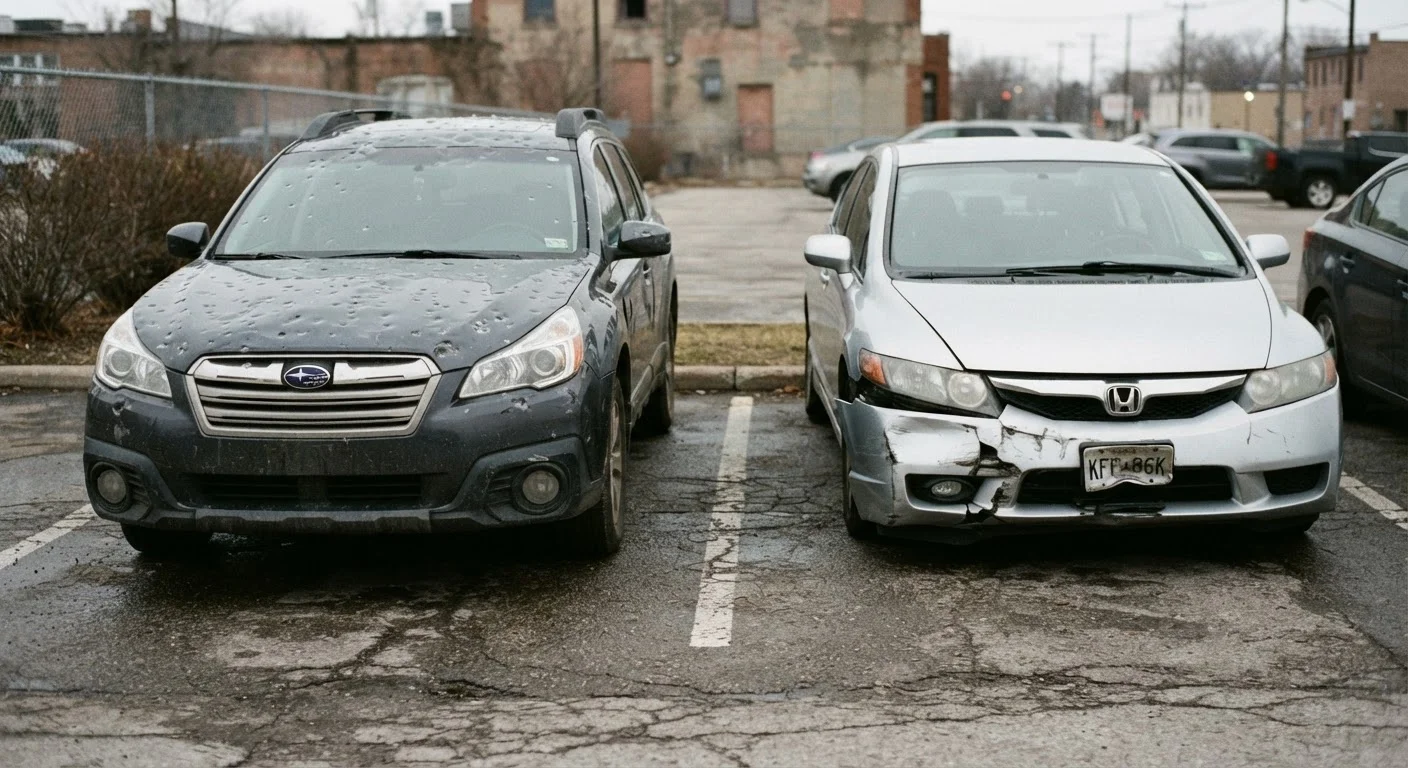
The easiest way to separate these two coverages is to ask one question: did your car collide with something, or did something happen to it?
Collision coverage responds when your vehicle makes physical contact with another car, a guardrail, a telephone pole, or even a pothole that causes damage. It doesn't matter whether the accident was your fault or someone else's - if your car hit something (or something hit your car while it was moving), collision is the coverage that applies.
Comprehensive coverage handles nearly everything else. A tree falls on your car during a storm. A deer runs into your door. Your vehicle is stolen or vandalized. A hailstorm leaves dents across the hood. Flooding soaks the interior. These are all events that don't involve a driving collision, and they fall squarely under comprehensive.
The practical takeaway: collision is about crashes; comprehensive is about the rest of the world. Learn how both fit into the broader picture of auto insurance alongside liability and other protections.
| Criterion | Comprehensive Coverage | Collision Coverage |
|---|---|---|
| What triggers a claim | Non-collision events (theft, weather, animals) | Your car hitting an object or vehicle |
| Fault requirement | No - event-based, not fault-based | No - pays regardless of who was at fault |
| Deductible applies | Yes | Yes |
| Covers theft | Yes | No |
| Covers weather damage | Yes (hail, flood, wind) | No |
| Covers accident repairs | No | Yes |
| Required by lenders | Typically yes, on financed vehicles | Typically yes, on financed vehicles |
| Payout basis | Actual cash value (ACV) | Actual cash value (ACV) |
Deductibles, Payouts, and What Actually Gets Covered
Both coverages come with a deductible - the amount you pay out of pocket before insurance covers the rest. Common deductible amounts range from $250 to $1,500, and you can typically choose your deductible when you set up your policy. A higher deductible usually means a lower monthly premium, and vice versa.
One thing both coverages share: they pay based on your vehicle's actual cash value (ACV), not what you originally paid for it. ACV accounts for depreciation, which means an older car that's lost significant value may generate a smaller payout than you'd expect - even after a total loss.
~$192/yr
Average annual comprehensive premium (US)
According to the National Association of Insurance Commissioners (NAIC), the average expenditure for comprehensive coverage nationally is roughly in this range, though it varies significantly by state and driver profile.
~$378/yr
Average annual collision premium (US)
NAIC data consistently shows collision coverage costs more than comprehensive on average, reflecting the higher frequency of crash-related claims.
Neither coverage steps in for injuries to you or other people, and neither pays for damage you cause to someone else's car or property. That's what liability coverage handles. It's worth being clear on that boundary - a common misunderstanding is that comprehensive or collision somehow replaces liability. It doesn't.
Drivers often confuse or conflate these coverages. For a broader look at how insurance myths can cost you real money, see common auto insurance misconceptions decoded.
When Lenders Get Involved - and When You Might Skip Both
If you're financing or leasing a vehicle, the lender almost always requires both comprehensive and collision coverage. Their reasoning is straightforward: the car secures the loan, and they want it protected until you own it outright. Once you pay off the vehicle, that requirement goes away - though whether to keep the coverage is your call.
For paid-off vehicles, especially older ones, it's worth doing a quick comparison. Take your car's current market value, subtract your deductible, and consider whether the potential payout justifies the added premium. If the math doesn't work in your favor, dropping one or both coverages can be a reasonable financial decision - though it does mean absorbing the full cost of damage yourself if something happens.
That kind of trade-off thinking is similar to how people weigh other financial safety nets. Understanding how different financial buffers serve different purposes can help frame these decisions more clearly.
This article is for general informational purposes only and does not constitute insurance or financial advice. Coverage terms, requirements, and costs vary by insurer, state, and individual policy. Consult a licensed insurance professional for guidance on your specific situation.