What a Vehicle History Report Actually Contains
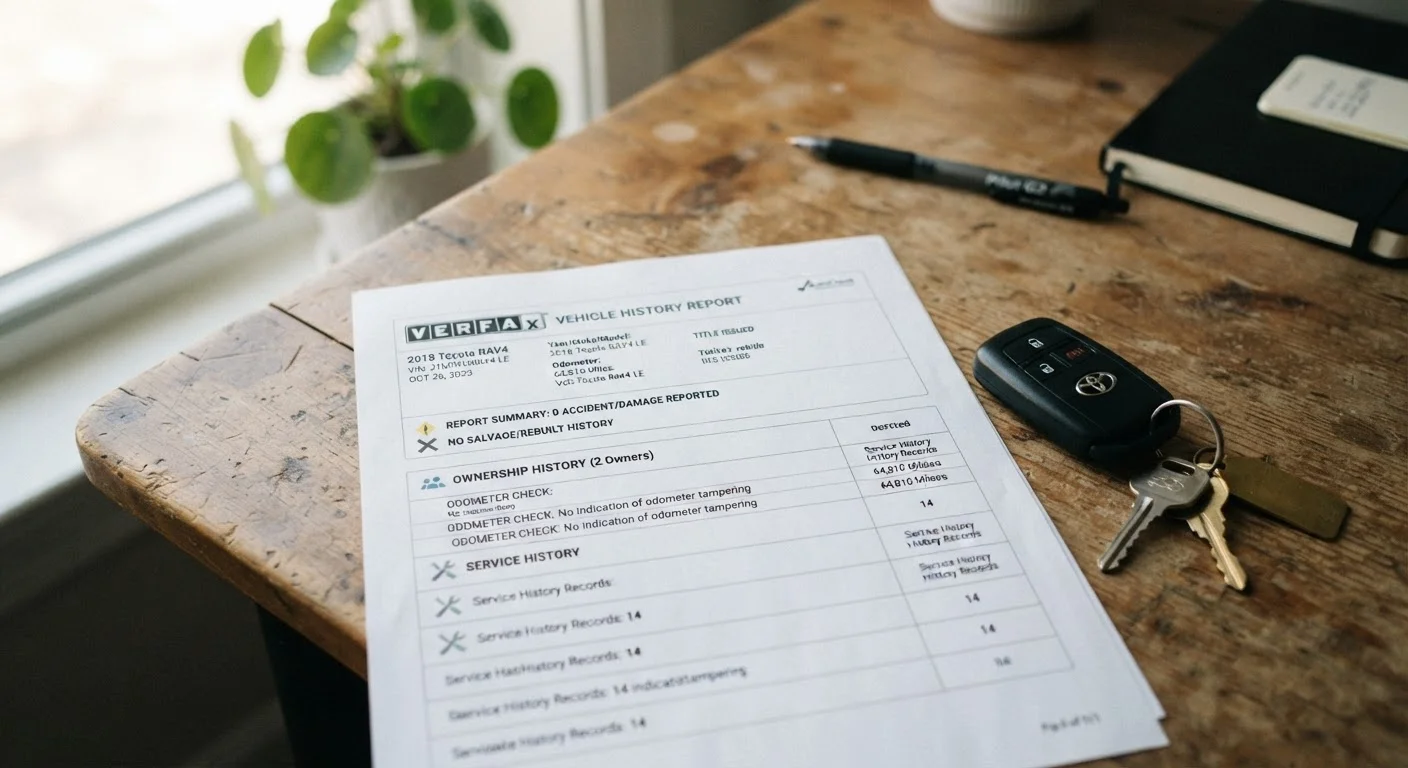
A vehicle history report is a compiled record pulled from government title databases, insurance companies, auto auctions, and participating repair facilities. It is organized around the car's VIN, which acts as a permanent fingerprint for that specific vehicle. Understanding what each section covers - and what it can't - is the first step to using the report effectively.
Most reports are divided into several major categories: title history, accident and damage records, odometer readings, ownership history, and use type. Some reports also include service records if the shop participates in a reporting network. Think of it as a paper trail, not a complete biography - it only knows what was officially reported.
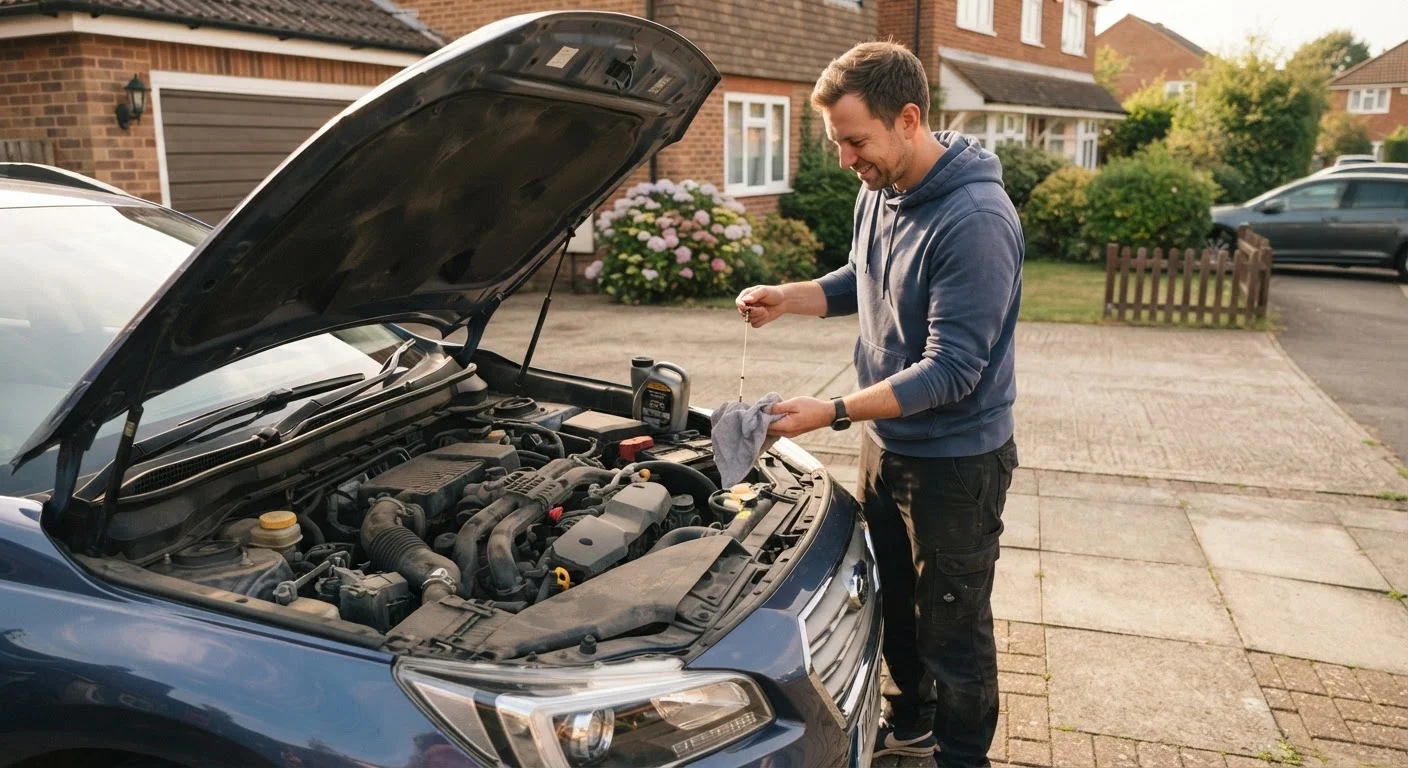
For a broader view of what responsible car ownership looks like, the Car Maintenance hub covers everything from routine upkeep to spotting problems early.
What you will need
How to Read Each Section Without Getting Lost
Start with the title history. This is the most critical section. Look for title brands - designations assigned by state motor vehicle agencies that reflect serious damage or legal issues. Common brands include:
- Salvage: The vehicle was declared a total loss by an insurer, meaning repair costs exceeded a set percentage of the car's value.
- Rebuilt/Reconstructed: A salvage vehicle that was repaired and re-inspected. It can be legally driven, but financing and insurance are often harder to obtain.
- Flood: Water damage was reported. Electrical and corrosion problems can surface years later.
- Lemon Law Buyback: The manufacturer repurchased the vehicle due to persistent defects under state lemon law.
If you see any of these brands, proceed with serious caution or walk away entirely.
Next, review the accident and damage records. Reports note whether damage was minor, moderate, or severe, and which area of the vehicle was affected. Keep in mind that only insured, reported incidents appear here. A car that was repaired privately after a collision may show no record at all - which is why pairing the report with a physical inspection matters so much. Signs of poor maintenance can often show up physically even when the paperwork looks clean.
A Clean Report Is Not a Guarantee
Vehicle history reports only capture events that were formally reported - insurance claims, police reports, state title records, and participating repair shops. Unreported accidents, private repairs, and cash transactions often leave no trace. Treat a clean report as a positive sign, not a guarantee, and always back it up with a pre-purchase inspection.
The odometer history section lists mileage readings recorded at various points - inspections, registrations, auctions, and service visits. Readings should increase consistently over time. Any reading that drops signals potential rollback fraud.
Watch Out for Odometer Rollback
If a report shows mileage recorded at a later date that is lower than mileage recorded earlier, that is a federal odometer fraud red flag. Walk away from any vehicle with this discrepancy regardless of how the seller explains it.
The ownership history section tells you how many owners the vehicle has had and in which states it was registered. More owners in a short time can indicate dissatisfaction with the vehicle. A car that spent time in a rust-belt state may have more corrosion than its appearance suggests.
Finally, check the use type. Rental, fleet, taxi, or police use indicates the vehicle likely saw heavier-than-average wear, even if the mileage looks reasonable.
Cross-Check the VIN Before You Start
Before reading any report, confirm that the Vehicle Identification Number (VIN) on the report matches the VIN stamped on the dashboard (visible through the windshield) and on the door jamb sticker. A mismatched VIN means the report does not belong to the car you are considering.
What to Do After You Read the Report
A history report is a starting point, not a finish line. Once you have reviewed it, make a short list of anything that warrants follow-up questions - an accident entry, a gap in service records, a registration in an unusual state. Ask the seller directly and watch for evasive or inconsistent answers.
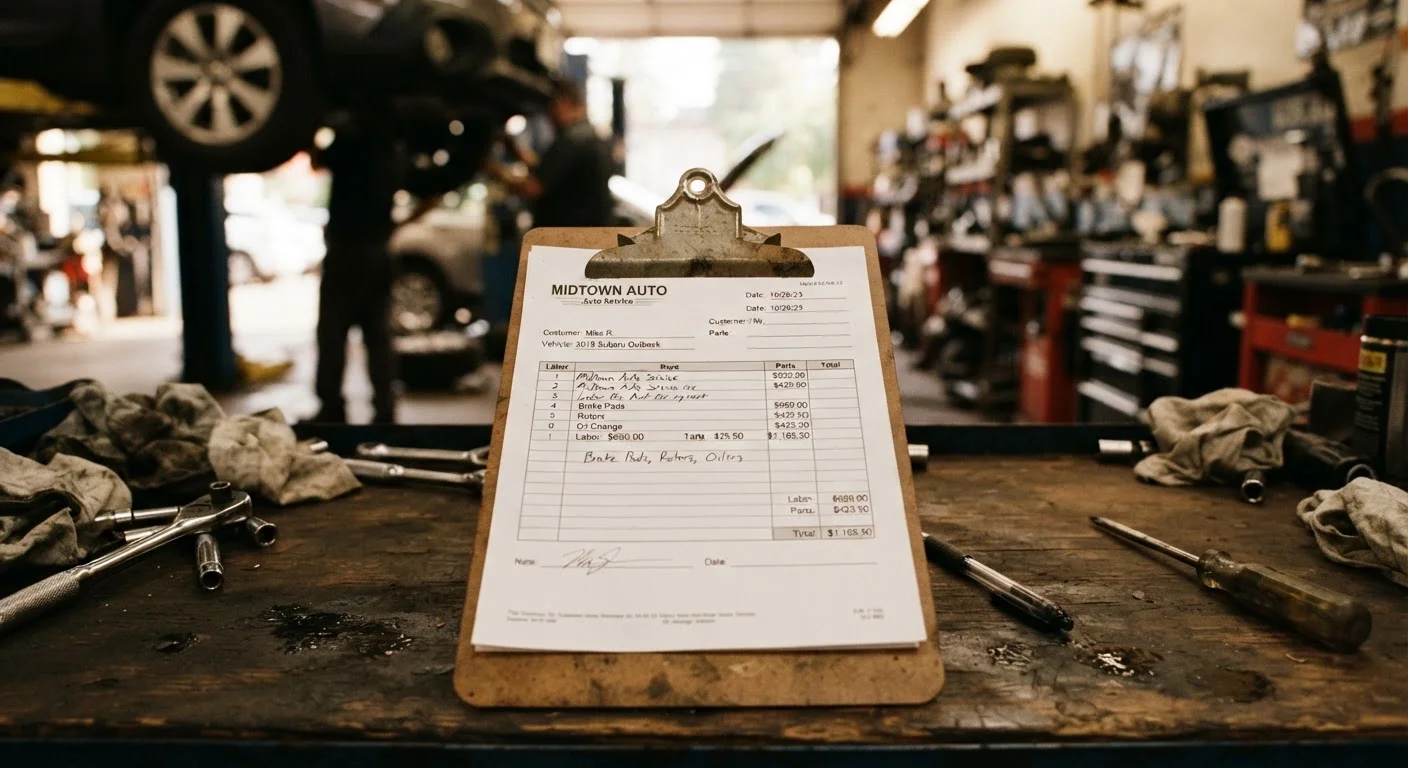
From there, the most important next step is a pre-purchase inspection by an independent mechanic. No report can tell you whether the suspension is worn, the engine mounts are cracked, or a past repair was done poorly. A qualified technician can find things no database captures. If you end up needing repair work done, knowing how to interpret what you're told will help - reading a mechanic's estimate without confusion is a skill worth having.
Reading a history report is a lot like reading any disclosure document - it rewards careful attention and healthy skepticism. The report tells you what was recorded; the inspection tells you what is real.